


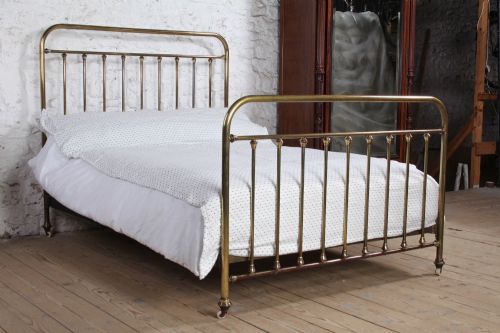
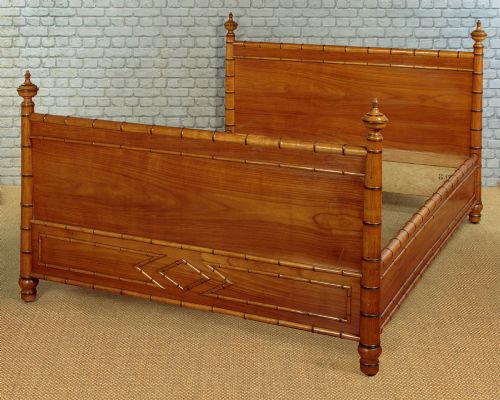
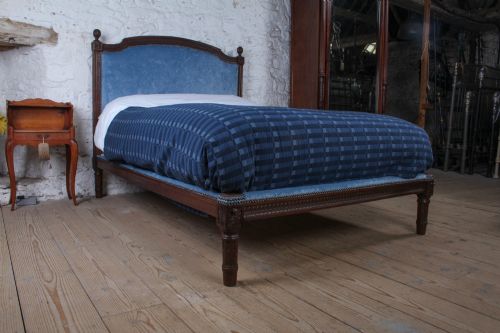
Vintage French Bedstead
A vintage french bedstead brings continental character into a bedroom, offering carved timber or polished metal frames in double, king and single sizes.
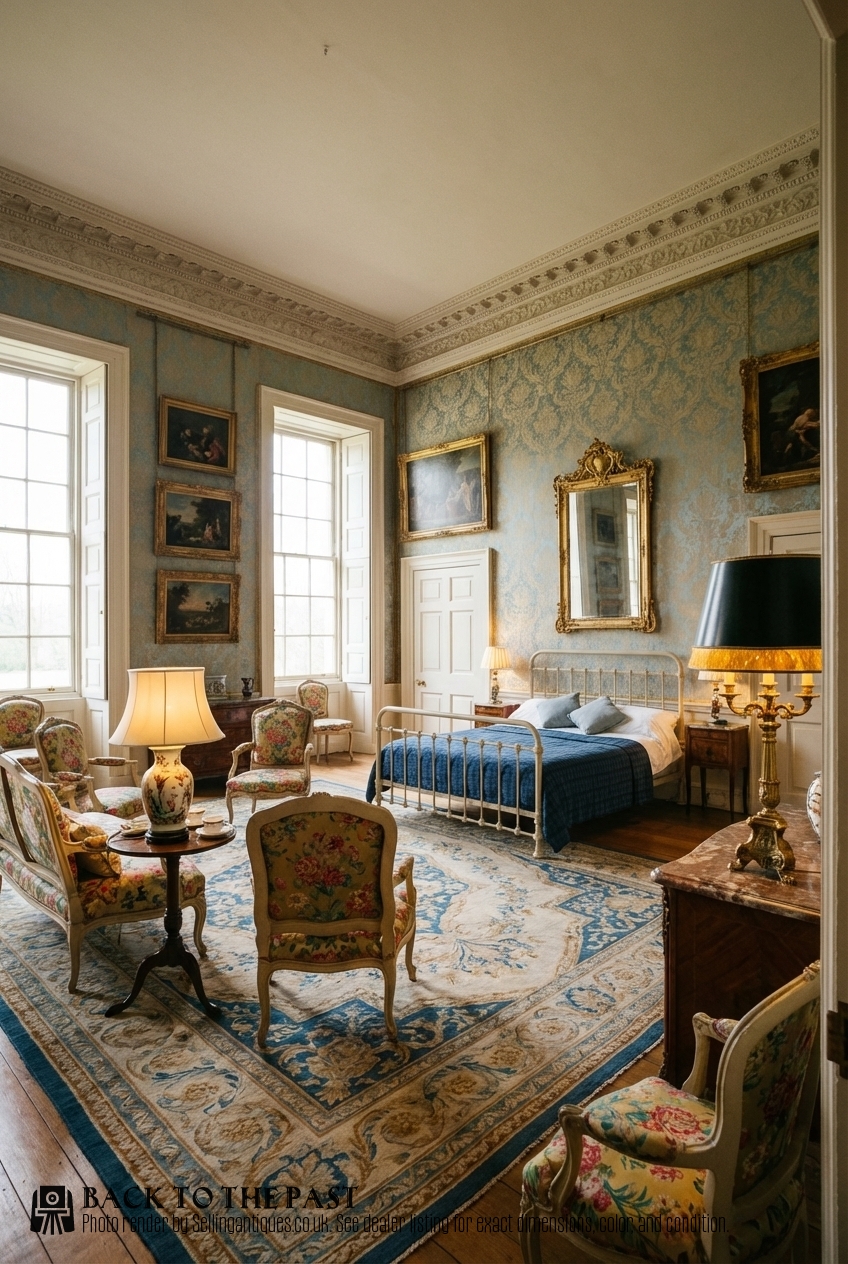
Vintage French Bedstead
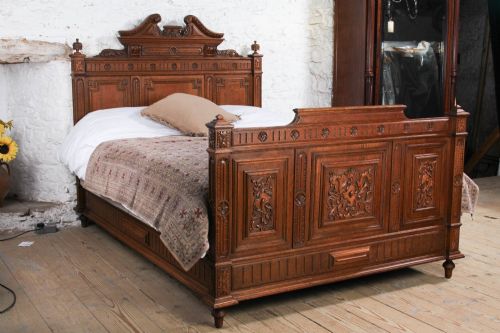
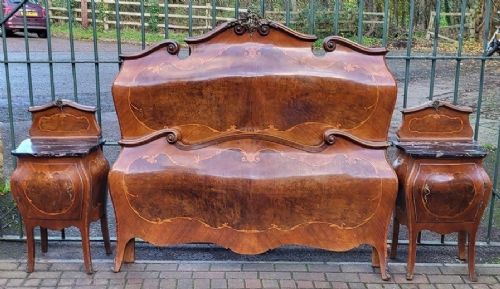
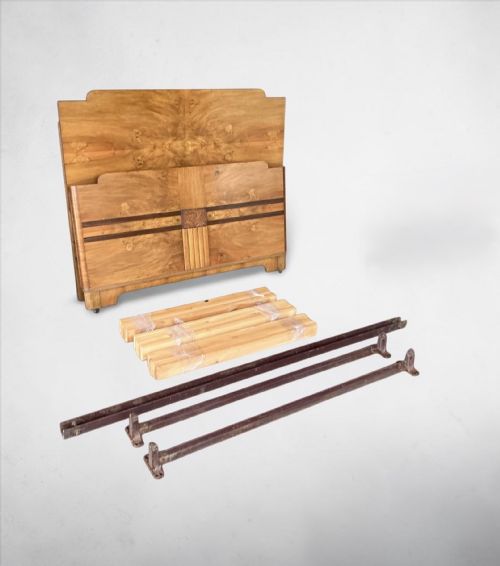
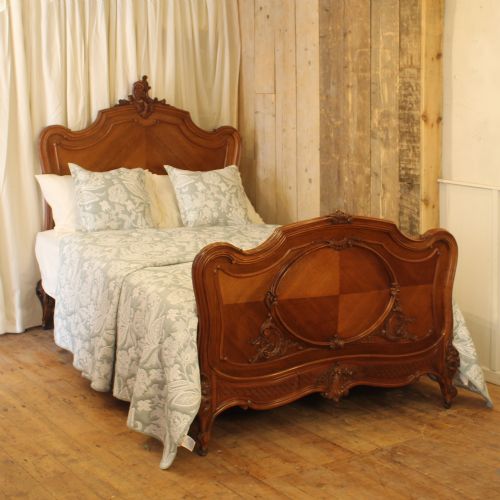
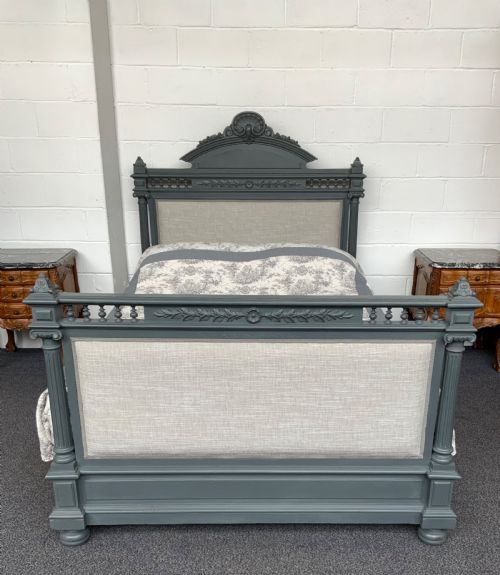
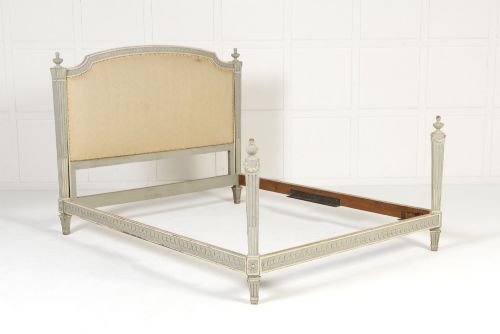
When you search for a vintage french bedstead, you encounter large sleeping furniture originating from the nineteenth and early twentieth centuries, spanning periods from the Victorian era through to Art Deco. The selection includes double beds, king size frames, and single beds designed with distinct regional aesthetics such as French Provincial, French Chateau, and Louis styles.
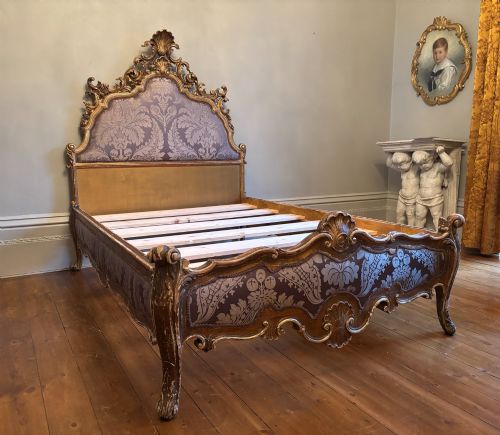
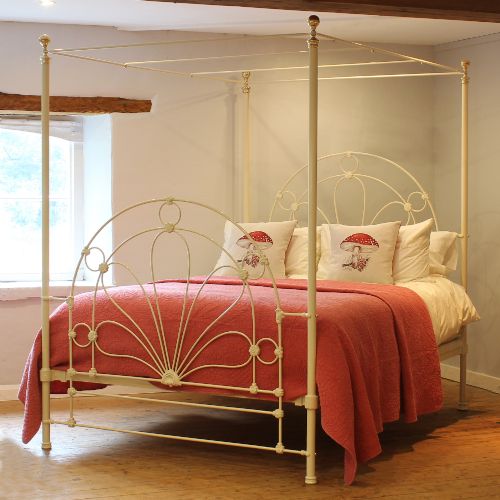
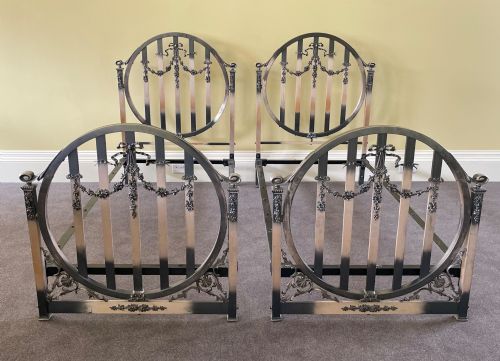
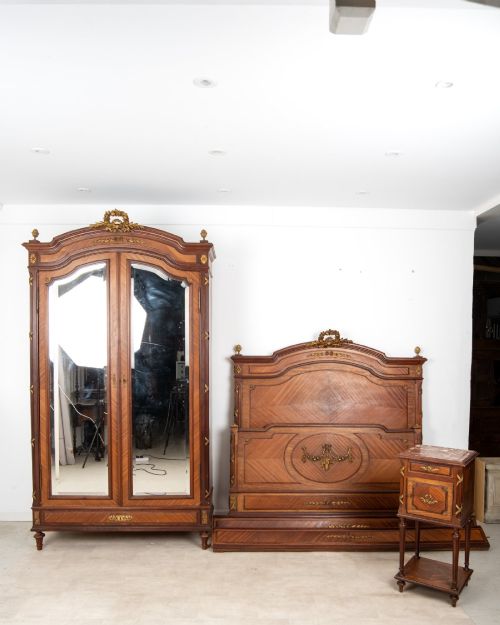
You are most likely to meet painted wood, carved walnut, and polished brass frames on this page, often reflecting revival movements like Louis XVI and Louis XV. These pieces range from simple hospital style iron beds to elaborate bedroom suites featuring matching wardrobes.
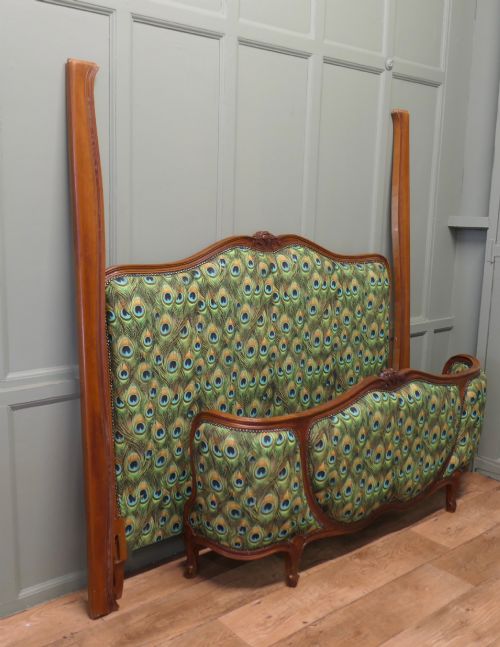
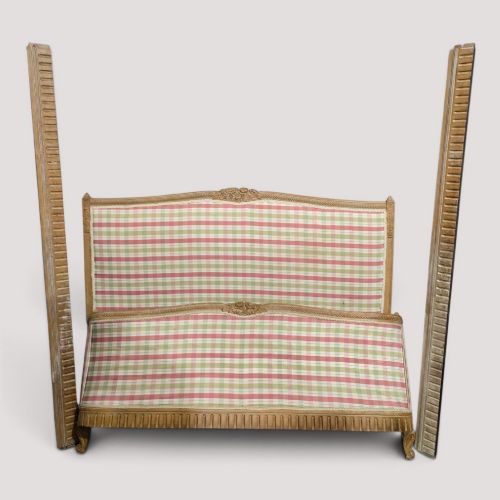
The forms encompass low-end beds, high button-backed upholstered pieces, and caned double frames, reflecting the diverse domestic architecture of their origins. Buyers select these beds to anchor a bedroom with period presence and traditional craftsmanship.
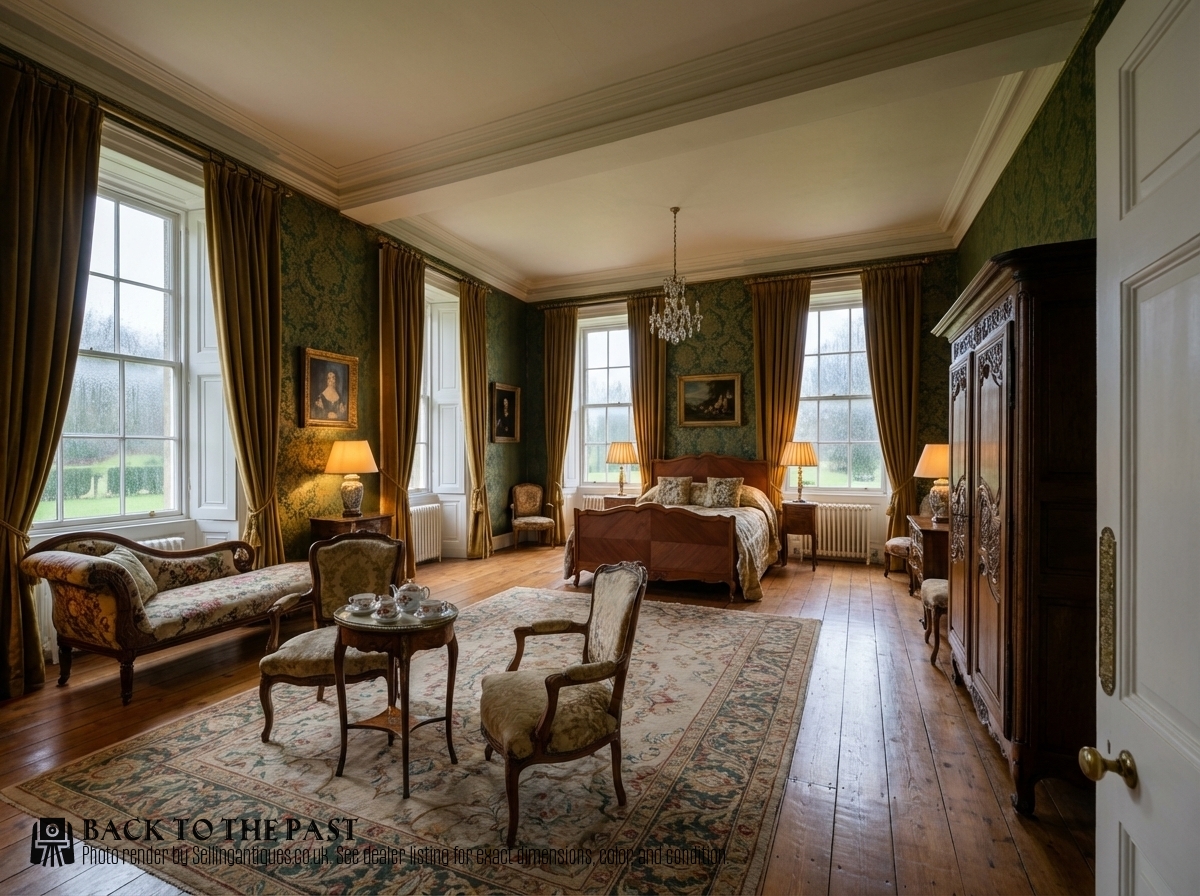
How they were made
Carpenters utilised solid timber such as walnut, mahogany, oak, and kingwood, employing hand carving to shape intricate crests, rails, and panels. Parquetry and faux bamboo techniques added surface texture to select mahogany and timber frames.
Metal construction combined cast iron and wrought iron with brass detailing or nickel plating, creating robust tubular structures and decorative headboards. Upholstery work incorporated fabric panels, button backing, and cane inserts secured to wood or iron foundations.
Vintage French Bedstead Retail Price Guide 2026
Typical asking prices for vintage french bedstead among the pieces listed under this phrase on Sellingantiques today, from the lower quarter to the upper quarter. They describe what is for sale here now, not the wider market.
Materials recorded on this page include solid walnut, mahogany, oak, painted wood, cast iron, wrought iron, and brass.
What varies in quality
The depth and sharpness of hand carving separate standard production frames from exceptional pieces, where cabinetmakers spent hours defining acanthus leaves, scrollwork, and moulded edges in solid walnut or oak. Grain selection in timber veneers, such as kingwood parquetry or burr walnut, dictates the visual richness of the headboard.
Metalwork quality shows in the weight of cast brass mounts, or ormolu, and the solidity of iron tubing rather than hollow thin-walled construction. Structural integrity depends on original joints, sound timber that resists warping, and properly fitted side rails that maintain square alignment.
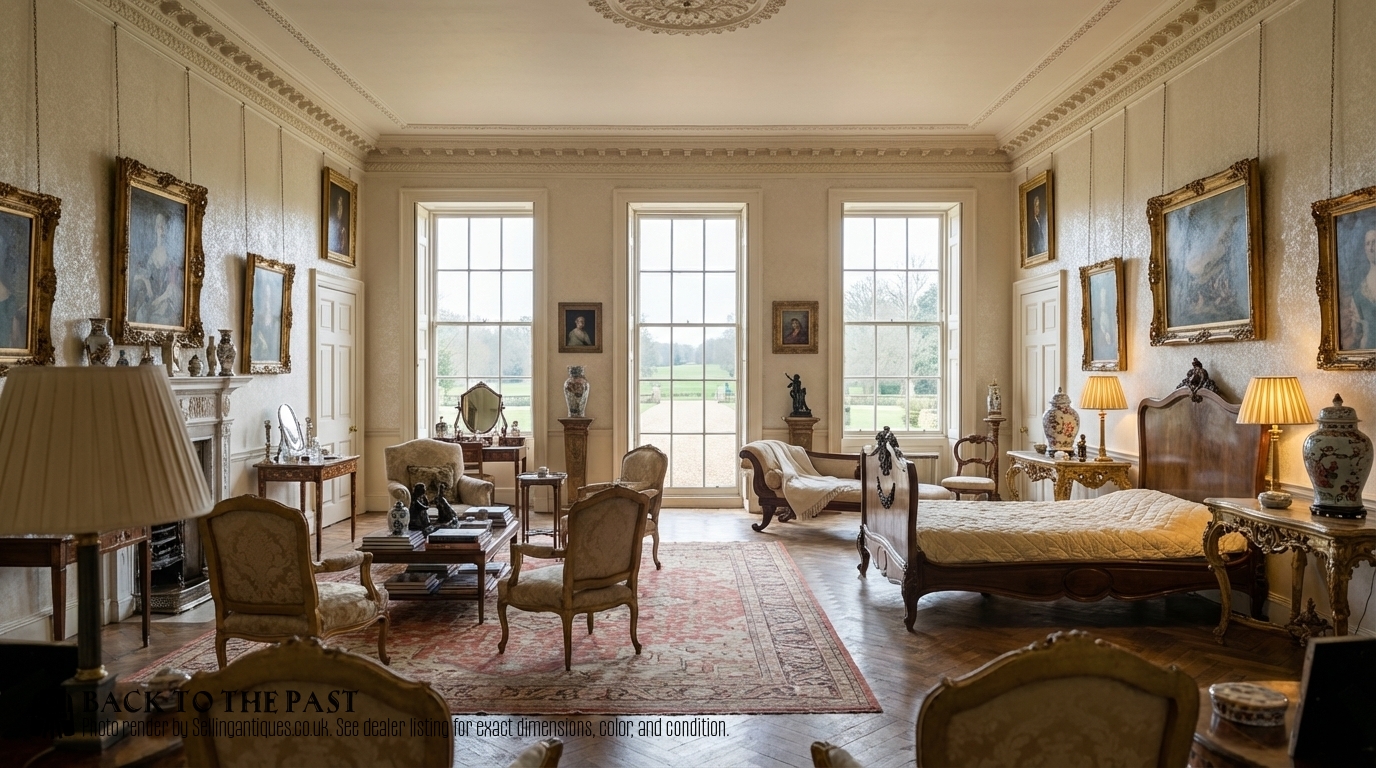
The Vintage French Bedstead Glossary
- Bedstead
- The framework of a bed consisting of headboard, footboard, and side rails, designed to support a mattress and base.
- Ormolu
- Gilt bronze mounts applied to furniture for decorative enrichment, frequently found on revival styles.
- Parquetry
- Geometric wood mosaic work used for decorative flooring or furniture surfaces, seen on finer mahogany and kingwood frames.
- Caning
- Woven rattan material used for open panels in headboards and footboards, providing lightweight ventilation.
- Low-End Bed
- A bed frame featuring a reduced or absent footboard, offering unobstructed views across the room.
Vintage French Bedstead: Frequently Asked Questions
What sizes are available in these beds?
The selection includes single beds, double beds, and king size frames suited to modern mattresses.
Dimensions vary across periods, so verifying internal rail lengths ensures correct mattress placement.
How do I identify a Louis revival style?
Louis XV and XVI styles show distinct decorative motifs, with XV featuring asymmetrical curves and cartouches.
Louis XVI pieces display stricter symmetry, straight fluted legs, and neoclassical ribbons or urn carvings.
Are these beds compatible with modern mattresses?
Most antique frames accommodate standard modern mattress dimensions once proper wooden slats or bases are fitted.
Slight variations in nineteenth-century French sizing sometimes require custom slat placement for a secure fit.