

Carved Wooden Headboard
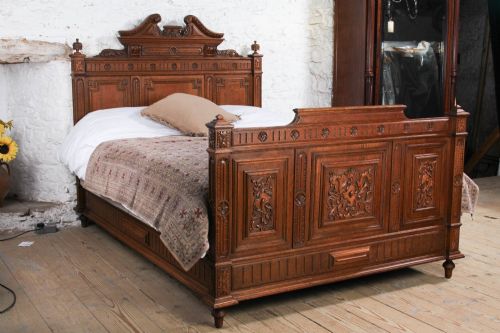
A carved wooden headboard anchors a room with texture and history, bringing craftsmanship from the seventeenth century onward straight to the bedroom.
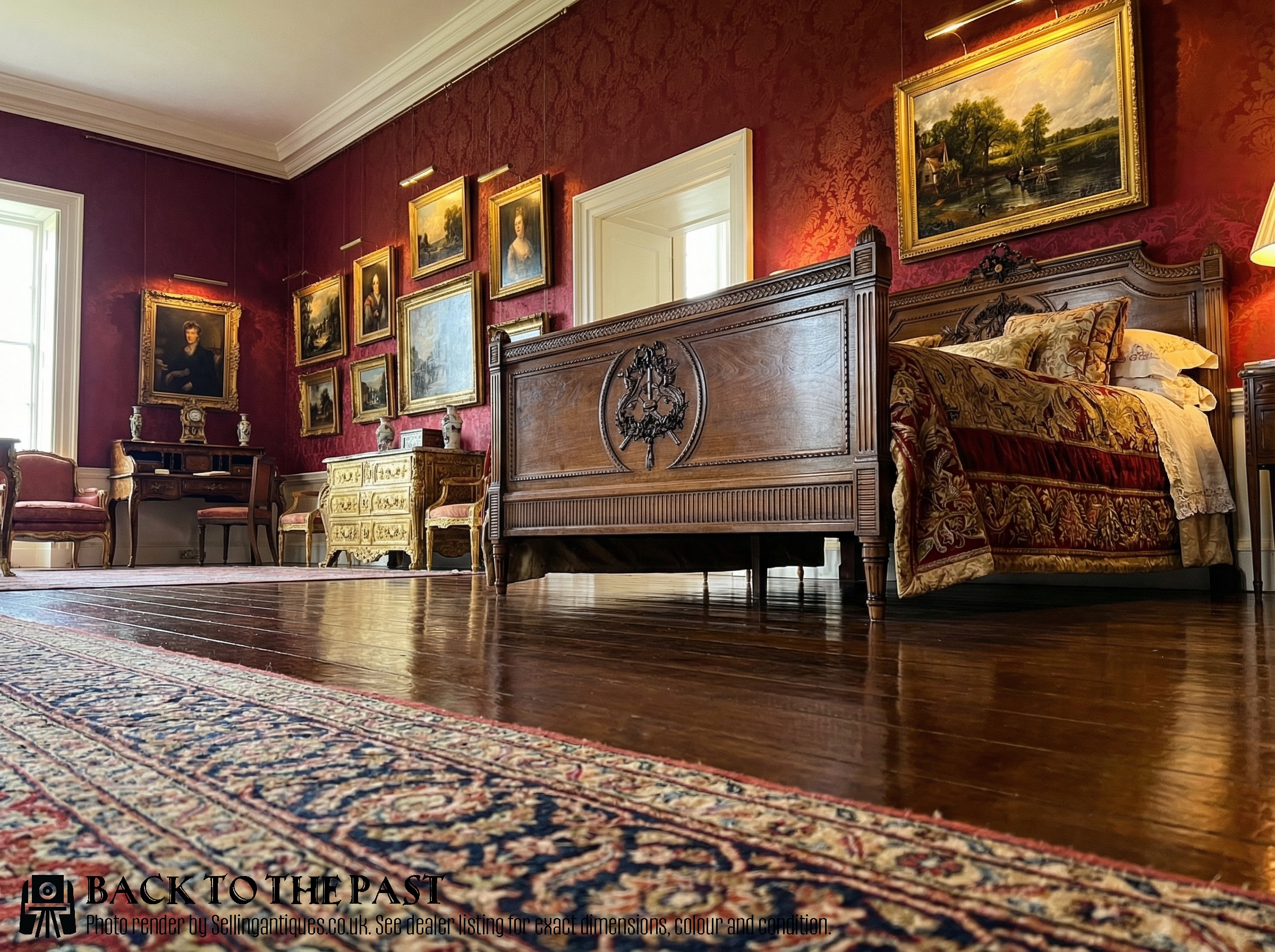
Carved Wooden Headboard
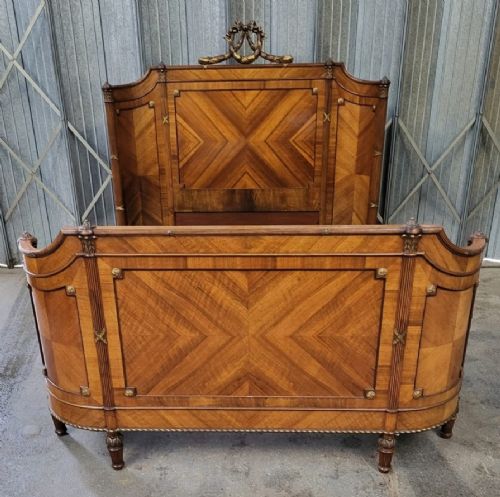
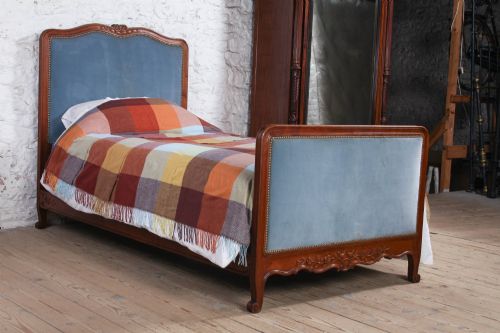
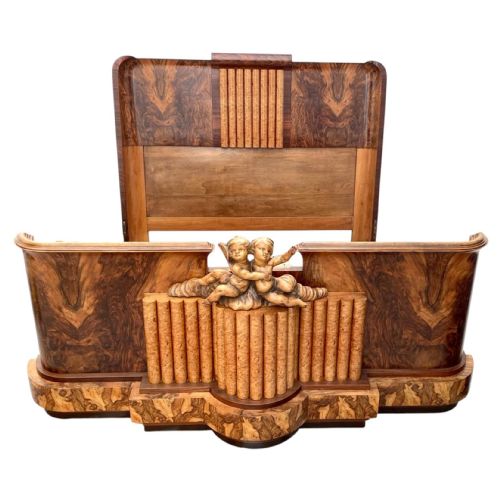
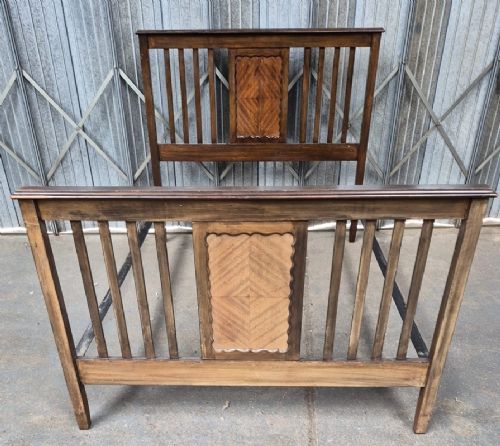
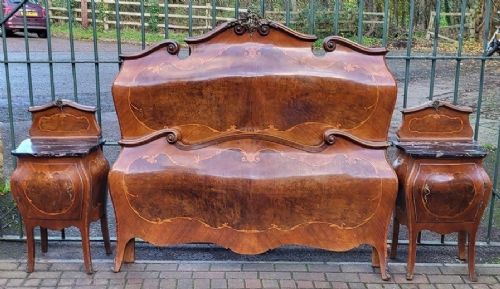
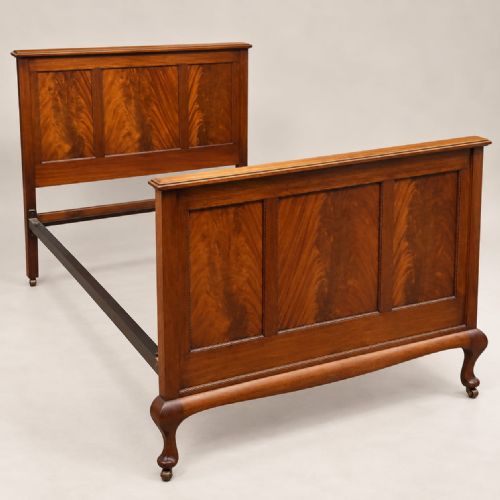
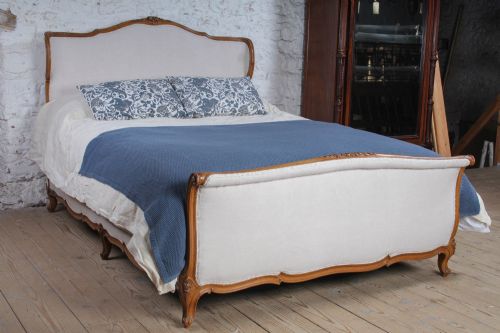
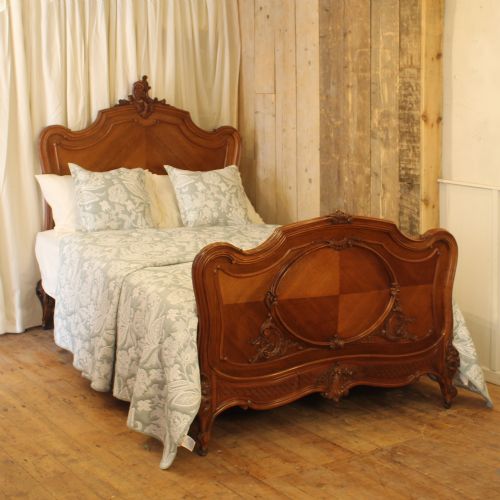
When you search for a carved wooden headboard, you encounter large structural pieces derived from full bed frames, tester beds, and bedsteads spanning the seventeenth, eighteenth, nineteenth, and early twentieth centuries. These originate primarily from English and French workshops, encompassing styles from seventeenth-century oak to Louis XVI, Art Deco, and French Provincial designs.
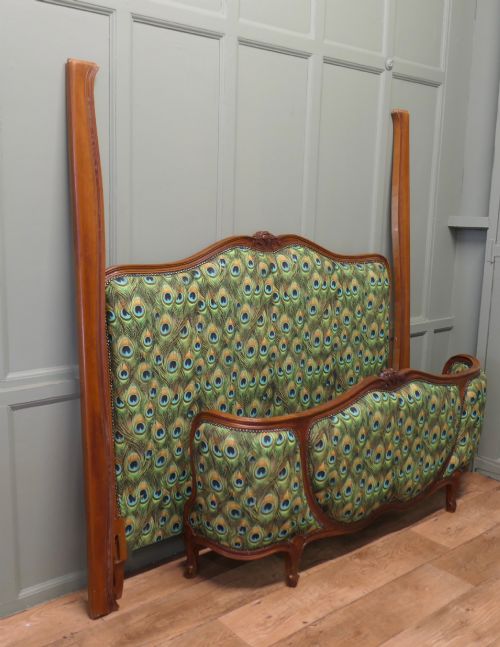
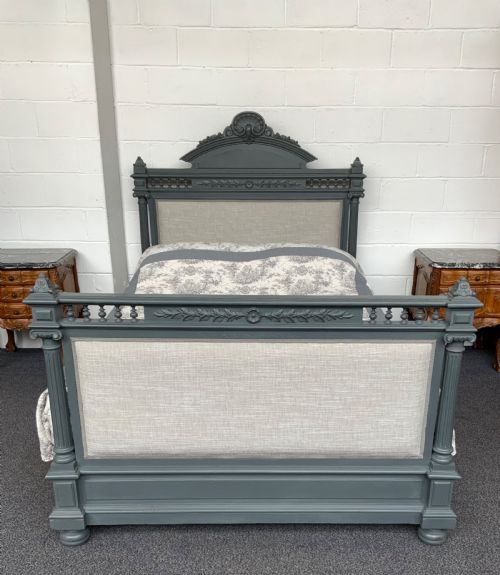
The pieces available here appear mostly as complete beds, four poster beds, and bed frames in woods such as walnut, oak, and mahogany, alongside painted or limed finishes. Buyers typically find double, king size, and super king formats ready to integrate into contemporary or traditional interiors.
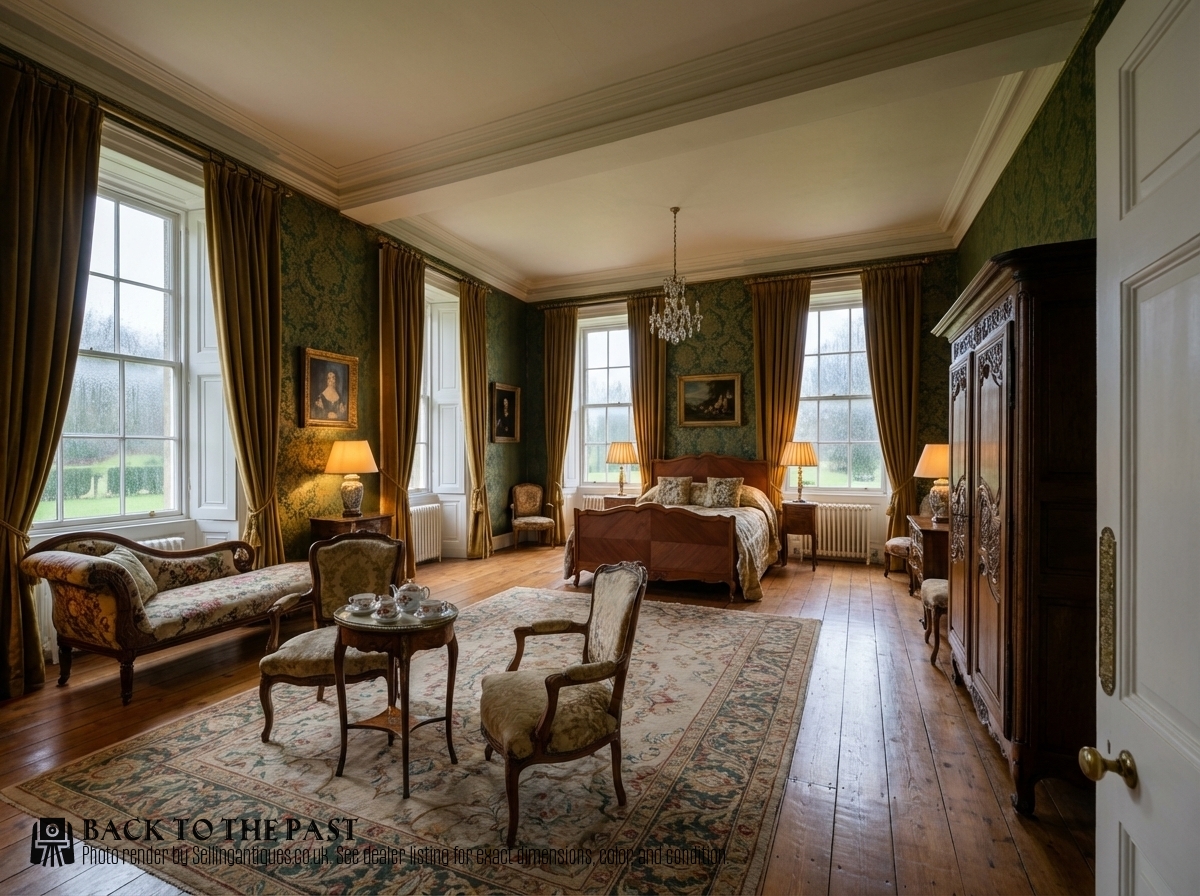
Timber selection and hand carving
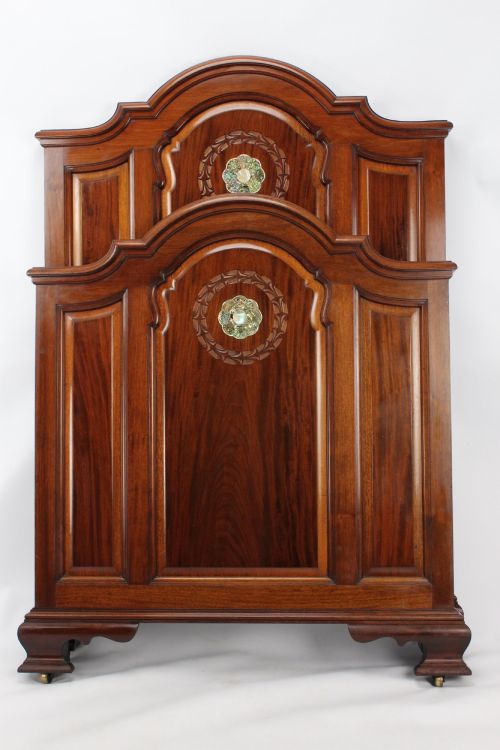
Construction relies heavily on dense timbers like oak, walnut, and mahogany, selected for their stability and grain pattern. Cabinetmakers shaped these woods using traditional joinery, often incorporating quarter veneering, parquetry, and turned components.
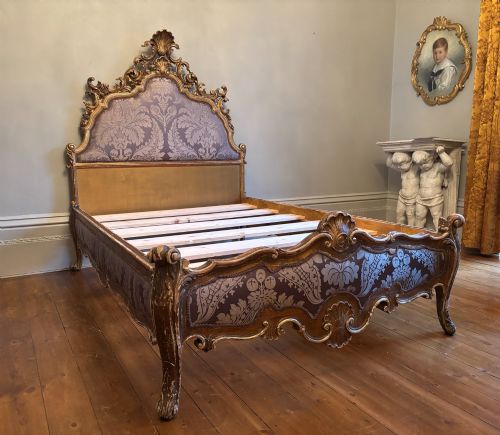
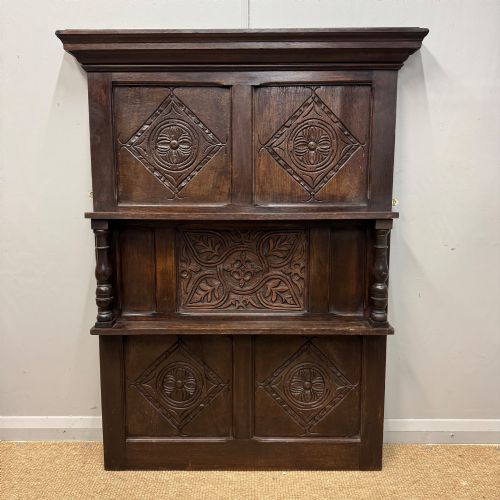
Carving was executed entirely by hand, producing high relief motifs, panelled surfaces, and curved profiles. Additional detailing incorporates brass hardware, caning, and upholstered sections in fabric or buttoned leather.
Carved Wooden Headboard Retail Price Guide 2026
Typical asking prices for carved wooden headboard among the pieces listed under this phrase on Sellingantiques today, from the lower quarter to the upper quarter. They describe what is for sale here now, not the wider market.
Faux bamboo surfaces from eighteen-ninety prove that Victorians loved botanical mimicry just as much as we do.
Depth of carving and timber choice
Quality rests upon the crispness of the hand carving and the selection of timber. Superior examples exhibit deep, sharply defined relief work with natural grain movement, whereas simpler pieces rely on shallow moulding or heavy paint layers.
Structural integrity also dictates worth, separating robustly joined seventeenth-century oak frames from lighter twentieth-century constructions. The harmony between the original proportions and any integrated modern upholstery further defines the upper tier.
The Carved Wooden Headboard Glossary
- Tester bed
- A bed featuring a wooden canopy or ceiling supported by posts. This form dates back to earlier centuries and creates a distinct focal point in a chamber.
- Parquetry
- Geometric wood mosaic work used for decorative effect on surfaces. It demonstrates advanced cabinetmaking skill.
- Caning
- Woven rattan material used for bed panels and headboards. This technique offers a lighter visual weight in French and revival styles.
- Quarter veneered
- Timber slices cut from the log to display symmetrical growth rings. This method creates decorative patterns across large panels.
- Overmantel
- A decorative panel or mirror frame placed above a fireplace. These share similar carved wooden motifs with headboards of the same period.
Carved Wooden Headboard: Frequently Asked Questions
How do I style a antique wooden headboard?
Pair the carved wood with neutral linens and minimal wall decor to let the grain and relief work command attention.
Mixing these older timber tones with modern lighting creates a balanced scheme that avoids a heavy period look.
Are these historic frames standard sizes?
Older bed frames often vary slightly from modern standard mattress dimensions due to historical sizing conventions.
Checking exact internal measurements ensures a proper fit for contemporary bases and mattresses.
How do I distinguish French styles?
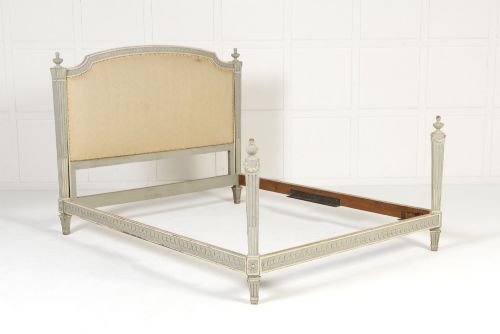
Louis XVI pieces display straight fluted lines and neoclassical symmetry, whereas Louis XV and Rococo designs feature flowing asymmetrical curves.
French Provincial variants offer a more rustic interpretation of these courtly forms.
What maintenance does old timber require?
Apply occasional natural wax to nourish the wood and protect the finish from dry indoor climates.
Avoid placing wooden furniture near direct heat sources to prevent warping or splitting of the panels.