


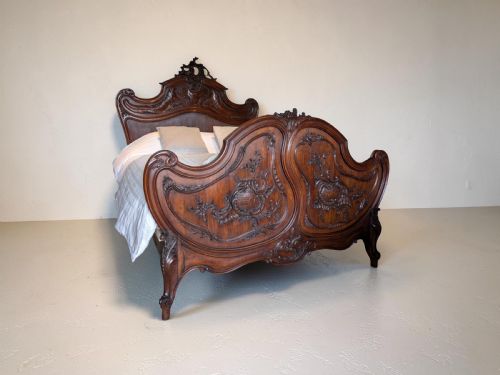
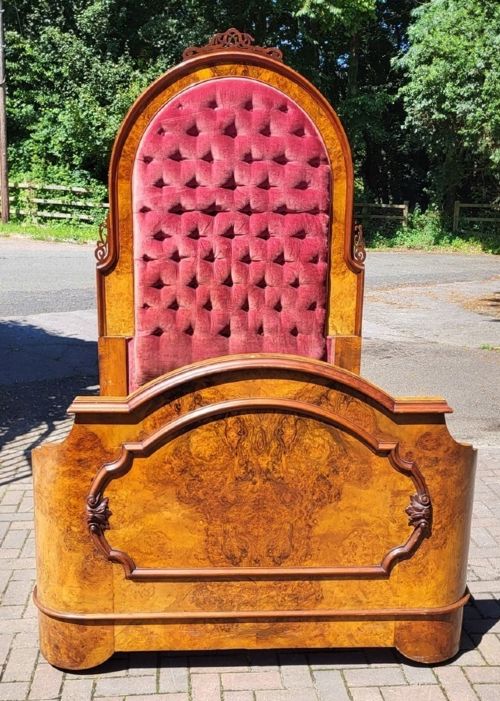

Carved Walnut Bed
When you search for a carved walnut bed, you are looking at substantial timber furniture spanning Victorian UK workshops and French provincial ateliers from the nineteenth and early twentieth centuries.
Carved Walnut Bed
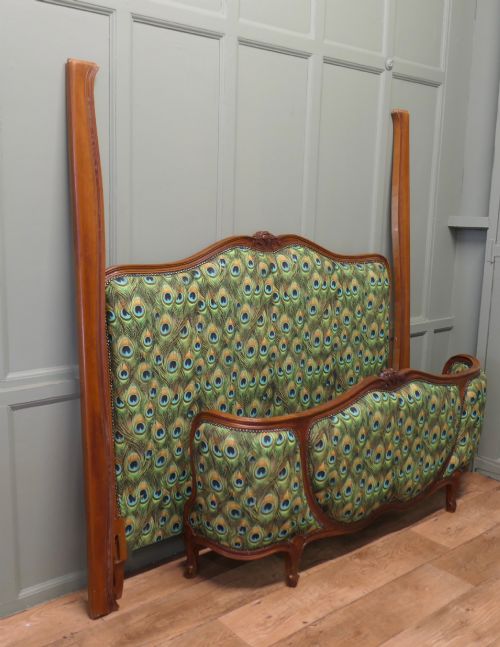
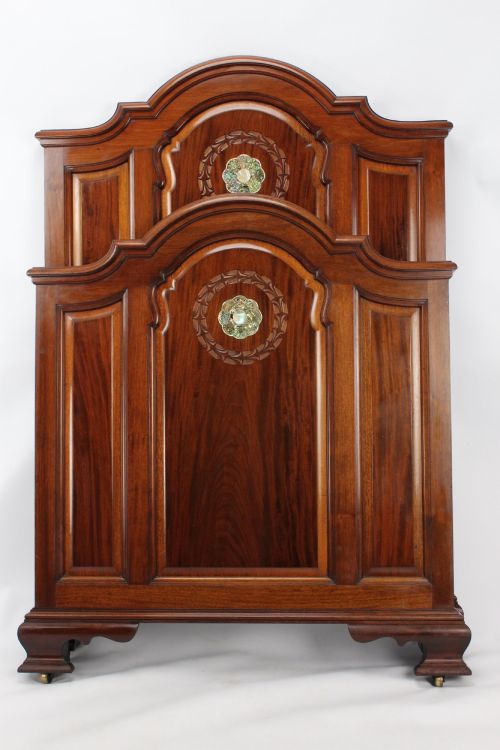
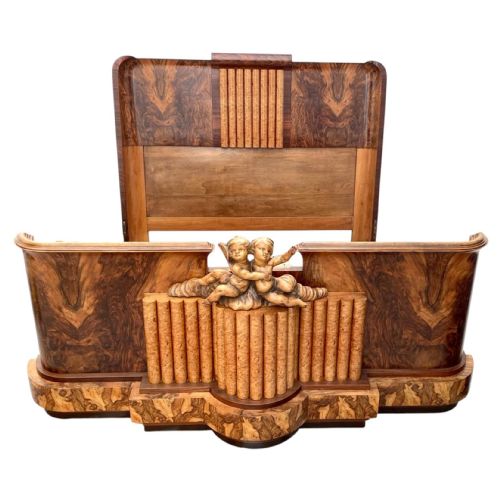
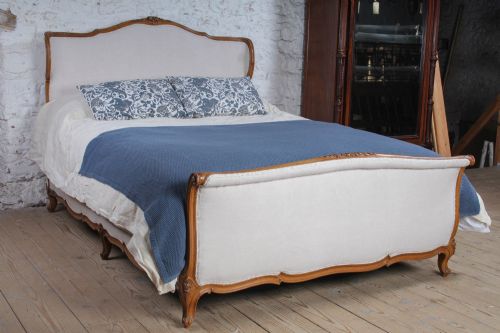
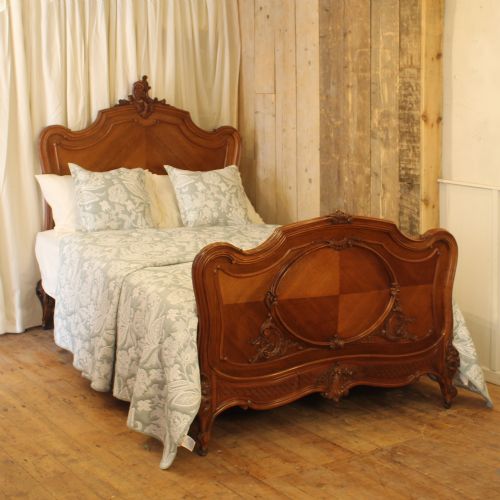
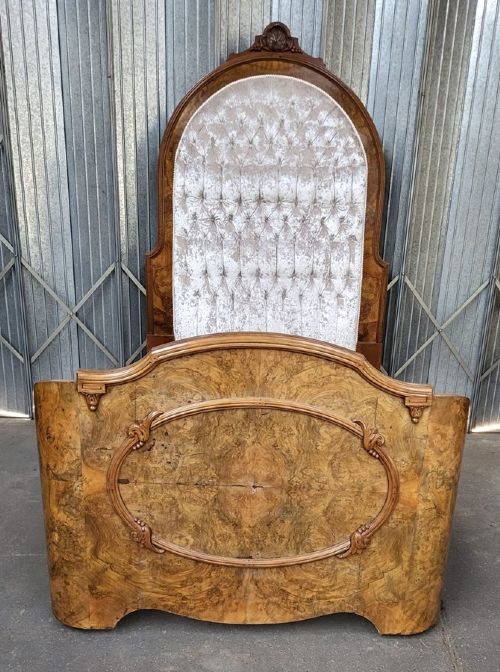
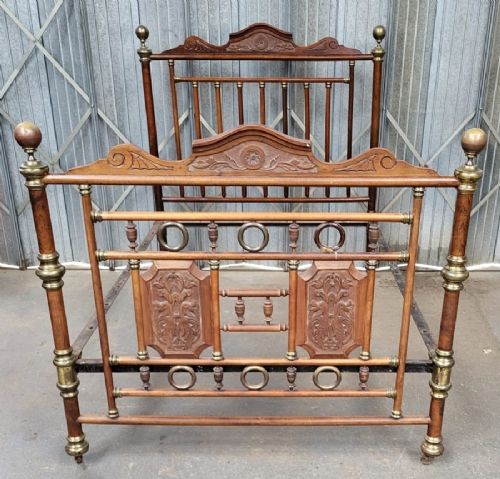
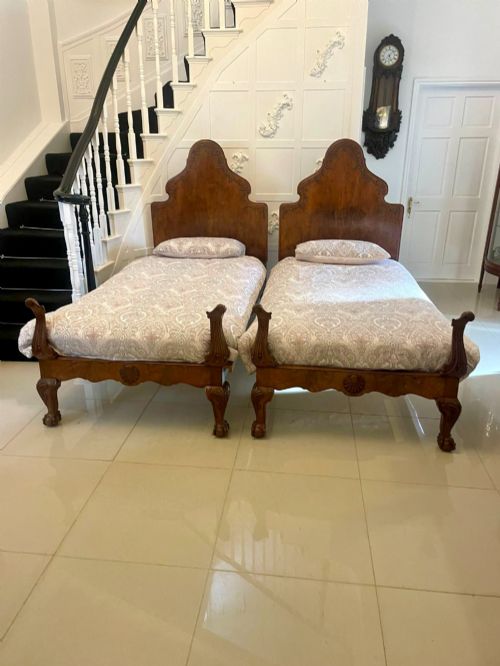
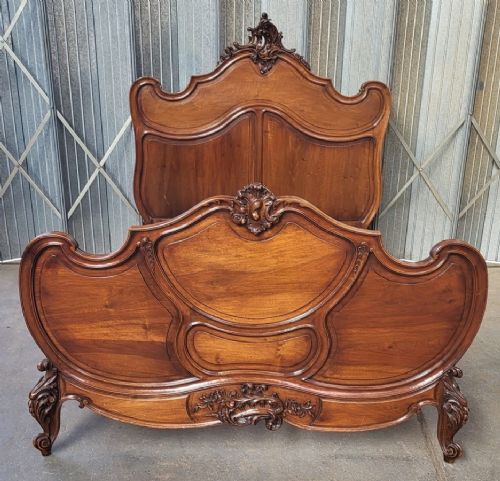
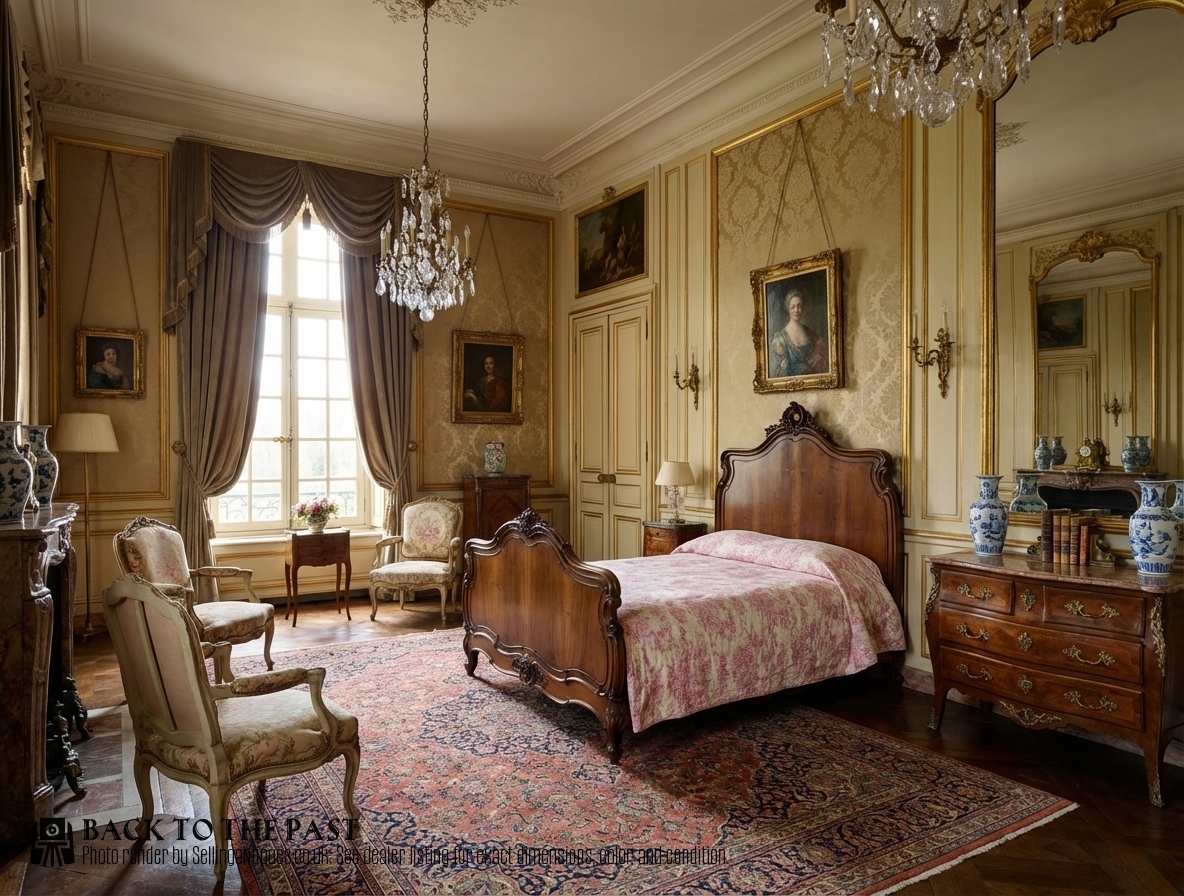
A carved walnut bed brings substantial timber framing into domestic interiors, frequently appearing in double, king, and single sizes across this page. The forms range from robust Victorian high back bedsteads to ornate French Louis XV style frames with sweeping curves and detailed floral motifs.
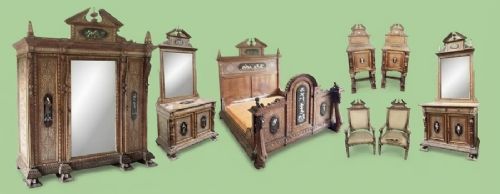
Buyers also encounter daybeds, benches, and matching bedroom suites that incorporate the same carved walnut vocabulary. Pieces originate across the nineteenth and early twentieth centuries, spanning Victorian periods through to Art Deco designs.
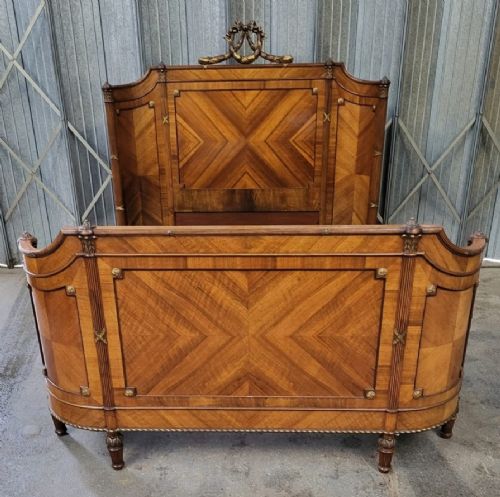
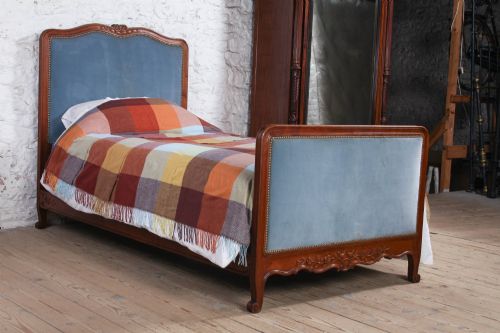
French chateau and rococo revival influences dominate the styling of these bedsteads, often paired with upholstered panels in velvet, fabric, or leather. Solid timber construction meets figured veneers, creating focal points for period bedroom schemes.
How they were made
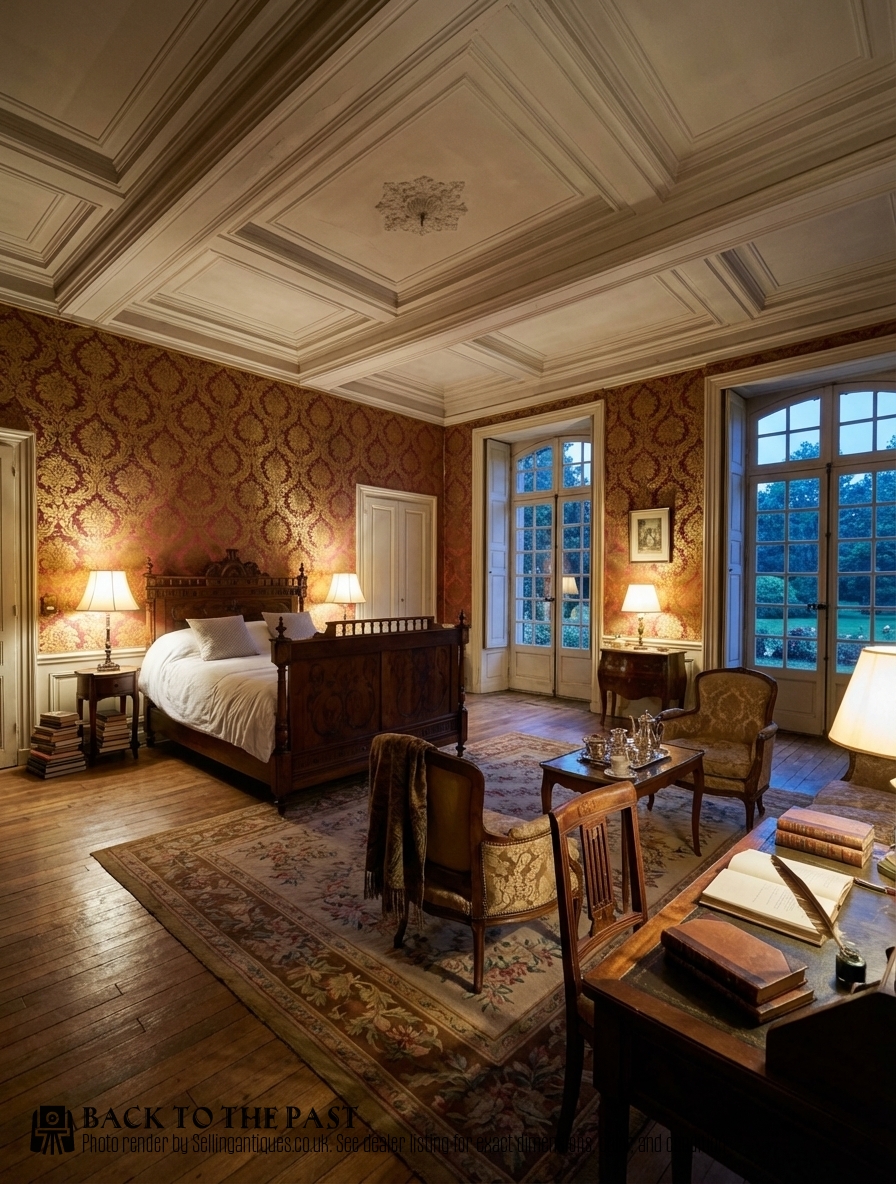
Hand carving defines the structural ornaments, scrollwork, and panel borders, executed by skilled artisans working in the nineteenth and early twentieth centuries. Brass detailing, giltwood accents, and applied upholstery in velvet, leather, or fabric complete the construction of upholstered headboards.
Carved Walnut Bed Retail Price Guide 2026
Typical asking prices for carved walnut bed among the pieces listed under this phrase on Sellingantiques today, from the lower quarter to the upper quarter. They describe what is for sale here now, not the wider market.
Some nineteenth-century beds arrived with matching cabinetry painted in Farrow and Ball grey.
What varies in quality
Quality rests upon the selection of timber, distinguishing plain wood frames from those featuring richly figured burr walnut veneers or complex parquetry panels. Depth and crispness in the hand carving separate standard production furniture from exceptional workshop commissions.
Structural integrity and the retention of original matching components, such as side rails and integrated cabinetry, elevate a piece. The sophistication of stylistic revivals, from restrained Queen Anne forms to exuberant French rococo flourishes, dictates the upper tier of the range.
Waring and Gillows
The Carved Walnut Bed Glossary
- Burr walnut
- Timber harvested from walnut tree growths, producing swirling, highly decorative grain patterns highly prized in fine cabinet making.
- Louis XV style
- A revival design aesthetic characterised by asymmetric curves, scrollwork, and naturalistic floral carvings popular in French furniture.
- Quarter veneered
- A method of arranging four matching veneer slices cut from the same log to create a symmetrical geometric pattern across a panel.
- Bedstead
- The complete supporting framework of a bed, including headboards, footboards, and side rails, designed to hold a mattress.
- Parquetry
- Geometric mosaic woodwork used for decorative surface patterns, frequently seen on French panel beds.
Carved Walnut Bed: Frequently Asked Questions
How do I choose the right size?
Check the internal dimensions against modern mattress standards, as nineteenth and early twentieth-century French and Victorian sizing conventions differ from contemporary measurements. Allow for the extra footprint added by substantial headboards and decorative side posts.
Measure your bedroom space carefully to ensure clearance for footboards and matching bedside cabinets if the set includes them. French beds often require specific slat systems to support modern mattresses securely within antique frames.
Are these beds easy to assemble?
Most antique wooden bed frames utilise traditional bolt-and-tenon connections or metal side-rail brackets that dismantle into distinct headboard, footboard, and rail components. Assembly typically requires two people and basic spanners to tighten the structural bolts evenly.
Keep mechanical fixings lubricated and check timber alignment during setup to prevent stress on original joints. Professional delivery and installation services often handle this process safely for heavier solid walnut and upholstered frames.
How do I care for walnut wood?
Maintain walnut surfaces by dusting regularly with a soft, dry cloth and avoiding silicone-based polishes that build up over time. Feed the timber periodically with appropriate wax to preserve the natural lustre of the grain.
Keep antique beds away from direct heat sources and strong sunlight to prevent veneer cracking or fading. Upholstered sections require gentle fabric-specific cleaning depending on whether the textile is velvet, leather, or linen.
Can I use a modern mattress?
Modern mattresses fit comfortably within many of these antique frames, provided you verify the internal width and length dimensions first. Custom mattress makers can also supply bespoke sizes for unusual historical dimensions.
Ensure the internal support slats or base platforms are sturdy enough to bear modern mattress weights without sagging. Adding a low-profile bunkie board can provide a stable, flat foundation while protecting original side rails.