


King Size Bedstead
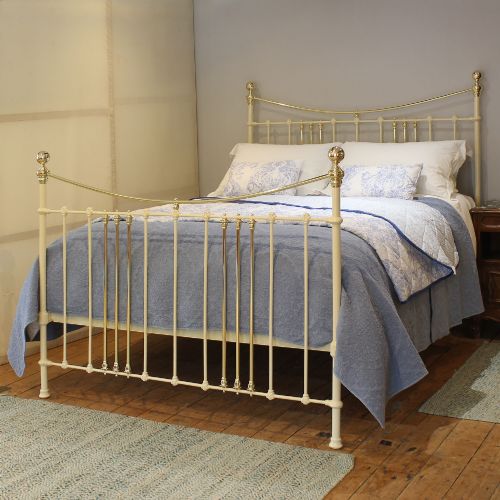
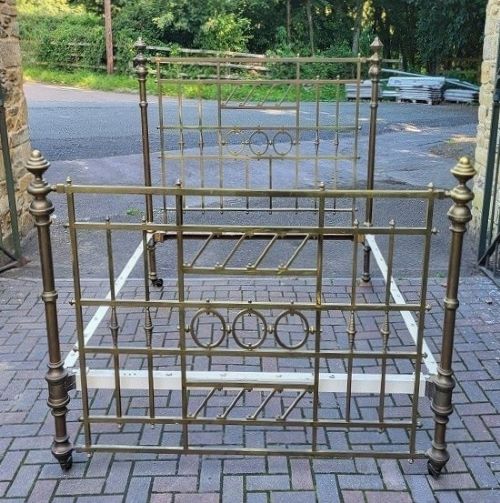
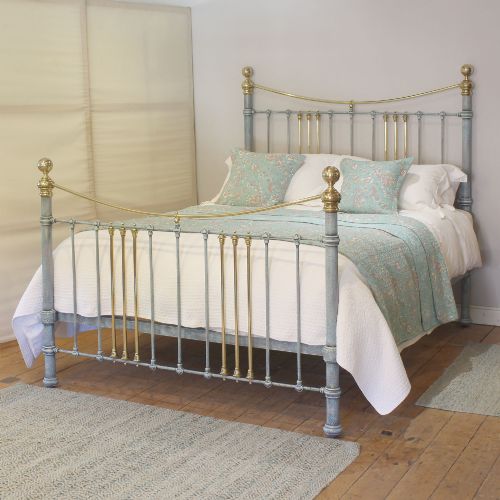
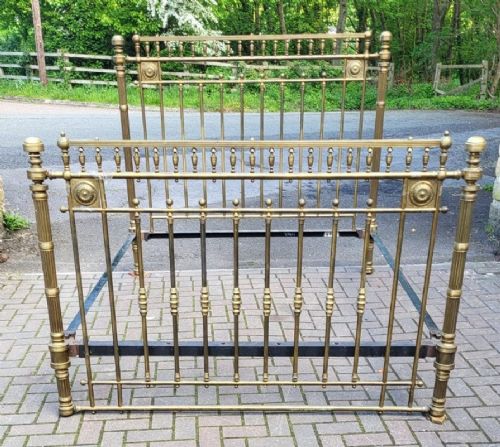
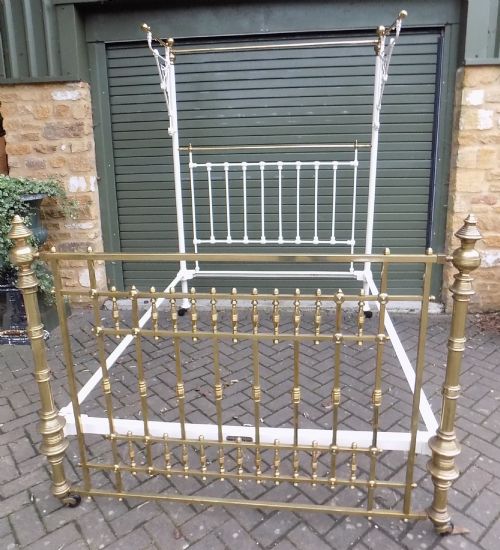
When you search for a king size bedstead, you step into an array of nineteenth and early twentieth-century iron, brass, and timber frames built for larger proportions.
King Size Bedstead
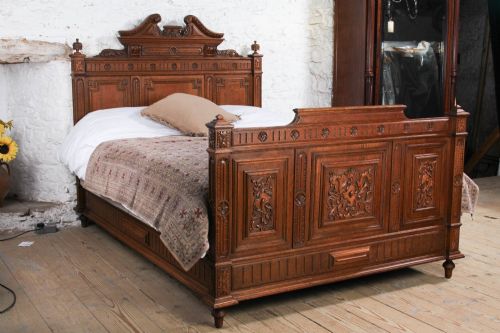
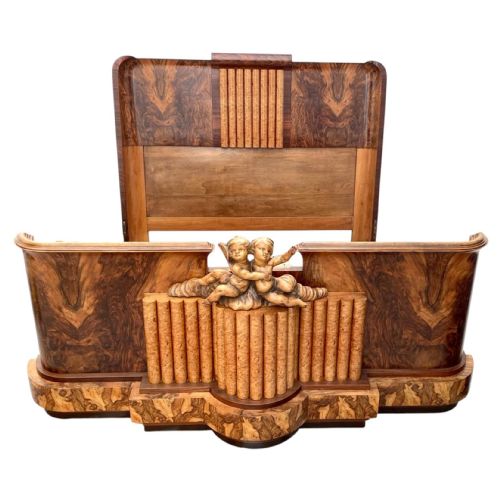
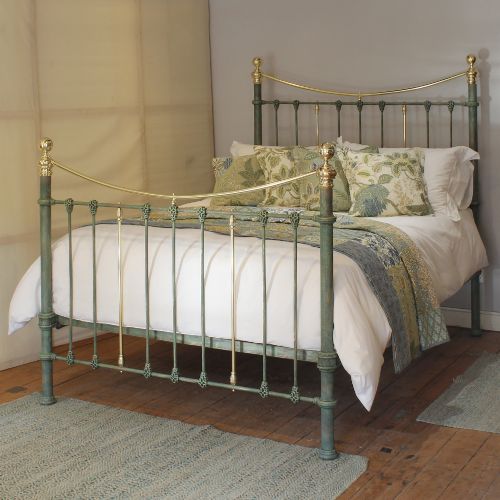
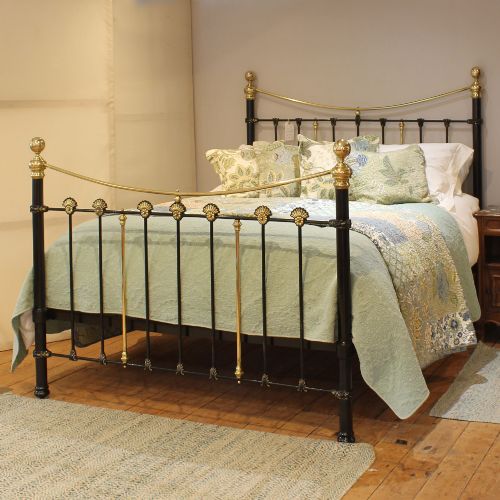
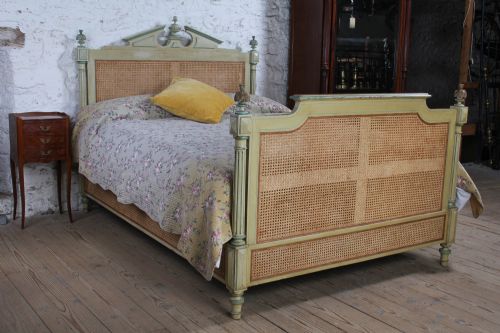
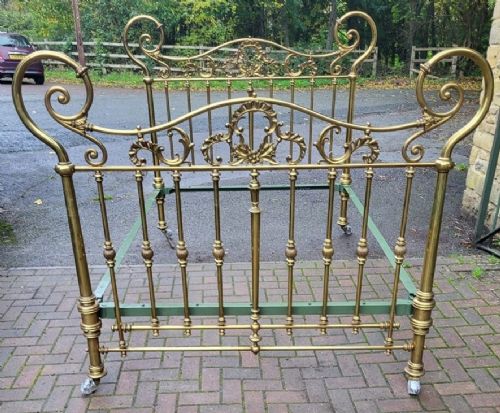
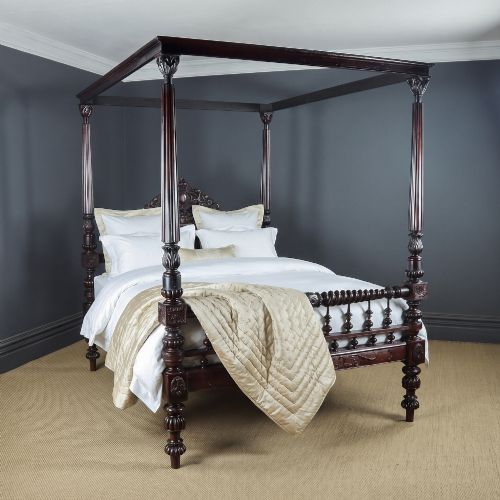
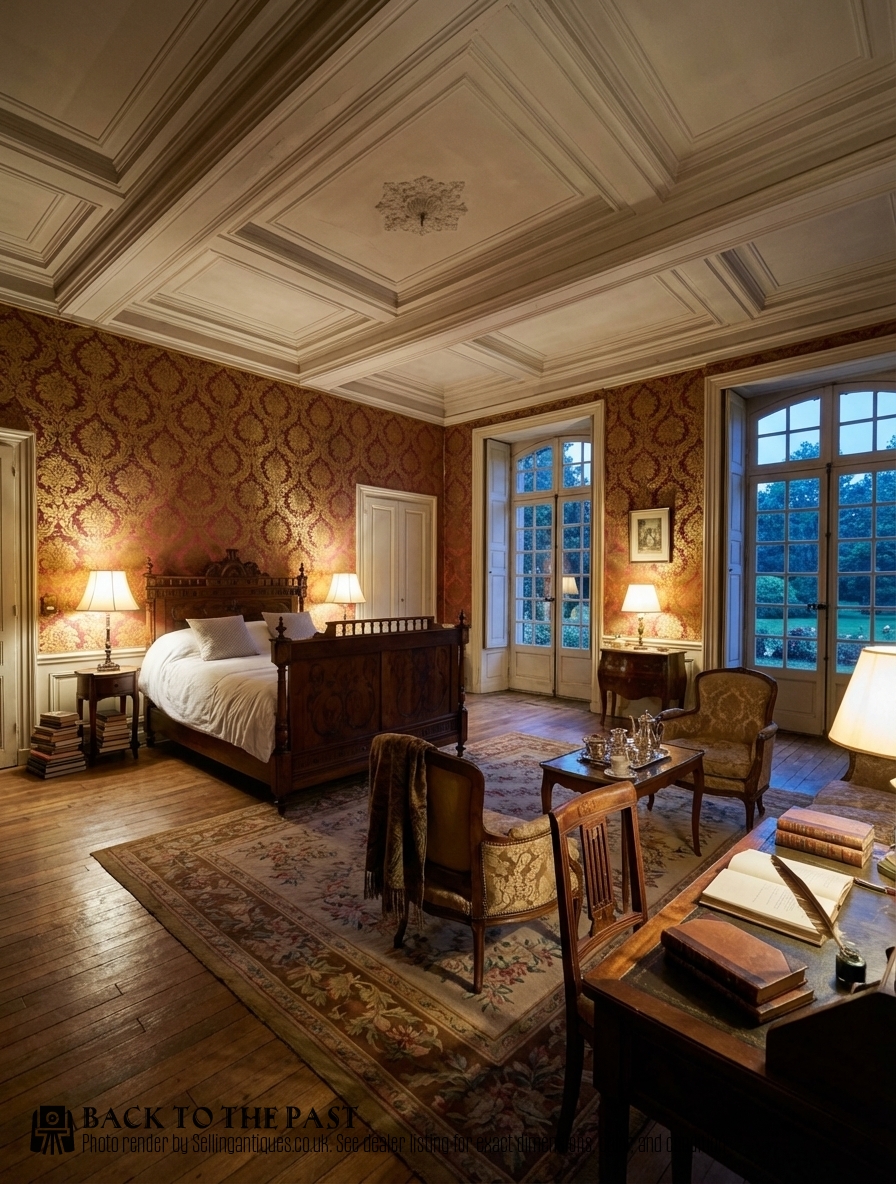
A king size bedstead provides expanded sleeping quarters across various historical designs, predominantly emerging from Victorian Britain and continental Europe. The selection here ranges from robust iron and gleaming brass combinations to grand French walnut and carved mahogany four-poster structures. Buyers meet pieces spanning simple iron rails to ornate Gothic Revival and Louis XV styles.
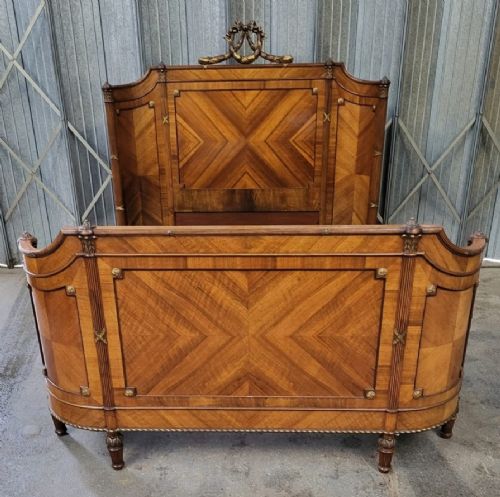
Victorian workshops supplied many of the brass and iron frames found in this category, often featuring decorative castings and half tester tester canopies. French alternatives introduce rich timber veneers, parquetry, and ormolu mounts alongside painted finishes. Anglo-Indian colonial examples bring substantial tropical hardwoods into the mix.
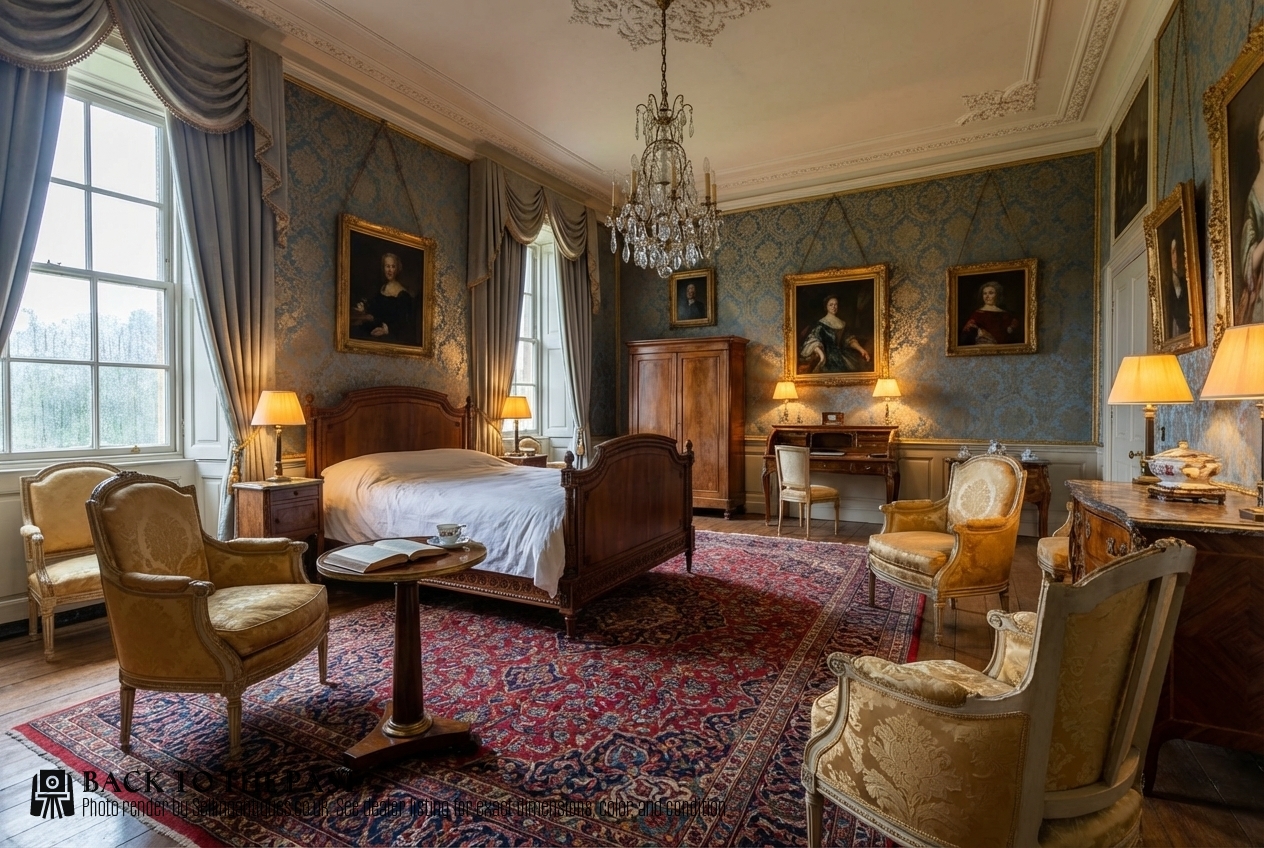
The form adapts to diverse interiors through variations like the low-foot 'no end' configuration or the imposing presence of a four-poster. These larger frames satisfy the demand for historical character combined with modern mattress dimensions.
Materials and Construction
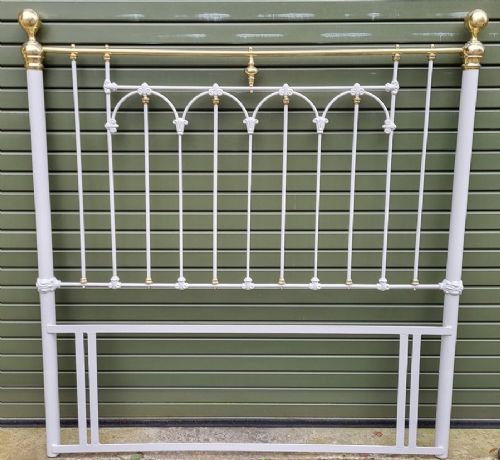
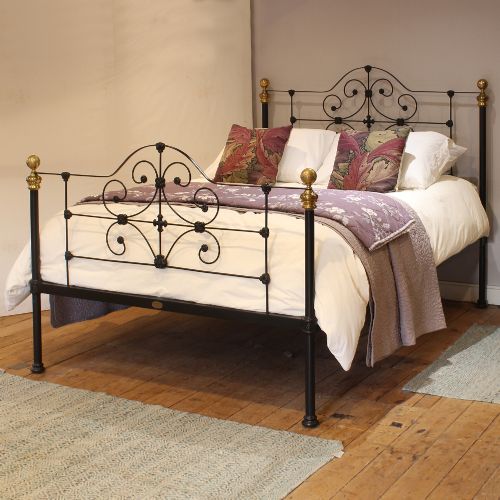
Makers utilised structural metals including cast iron, wrought iron, and brass to build robust frames capable of supporting substantial weight. Iron components were frequently forged, painted, or finished with brass knobs and spindles, while brass elements received polished or burnished surfaces.
Cabinetmakers constructed wooden frames using solid walnut, mahogany, oak, and maple, frequently applying quarter veneers and intricate kingwood parquetry. Decorative details relied on applied ormolu mounts, hand-carved foliage, and mother-of-pearl inlays.
King Size Bedstead Retail Price Guide 2026
Typical asking prices for king size bedstead among the pieces listed under this phrase on Sellingantiques today, from the lower quarter to the upper quarter. They describe what is for sale here now, not the wider market.
Some resilient Victorian iron beds carry mother-of-pearl inlays that catch the morning light while you wonder who slept there first.
Quality and Craftsmanship
The distinction between standard production and exhibition quality lies in the heft of the castings and the crispness of the hand-carved or forged details. Superior metal frames feature intricate brass mounts, substantial gauge iron, and original ceramic or brass castors.
Timber examples demonstrate quality through the selection of figured veneers, the precision of parquetry patterns, and the depth of the hand-carved mouldings. Original components, uncompromised structural integrity, and documented maker attribution elevate certain pieces above standard domestic furniture.
Maple and Co·RW Winfield·James Shoolbread and Co
The King Size Bedstead Glossary
- Half Tester
- A bed canopy that projects from the wall or headboard to cover only the upper portion of the bed. This style leaves the foot of the bed open while framing the headboard with fabric or metalwork.
- Ormolu
- Gilded bronze or brass mounts applied to wooden furniture for decorative effect. It gained popularity in French cabinetmaking during the eighteenth century and continued through later revival styles.
- Parquetry
- Geometric wood mosaic work used for surface decoration on tabletops and bed panels. Craftsmen arranged contrasting wood veneers in repeating patterns.
- Gothic Revival
- An architectural and decorative style drawing inspiration from medieval forms. In bedframes, this translates to pointed arches, quatrefoil piercings, and imposing vertical lines.
- Dip-Rail
- A headboard or footboard rail that curves downward in the centre. This profile lightens the visual weight of heavy metal bedsteads.
King Size Bedstead: Frequently Asked Questions
Will a vintage king size bed take a modern mattress?
Historical bed frames were often built to dimensions that vary slightly from current metric or imperial standards. Measuring the internal rails carefully ensures a modern mattress sits securely within the antique frame.
Many surviving iron and wooden bedsteads can accommodate standard modern slats or modern base supports with minimal adjustment. Consulting the internal width and length dimensions prevents fitting issues upon delivery.
How do I assemble a heavy iron and brass bed?
Most antique metal bedsteads utilise tapered side-rail dovetail joints or iron wedge locks that slot securely into the headboard and footboard posts. Assembly typically requires two people to keep the frame square while tapping the joints into place with a mallet.
Lubricating stubborn historical joints with a light oil helps protect the original metal surfaces during setup. Ensuring the frame rests on a level floor prevents stress on the side rails.
How do I care for polished brass on an old bed?
Maintaining brass components involves dusting regularly with a soft, dry cloth to prevent the accumulation of airborne grime. Avoiding harsh chemical cleaners preserves the aged patina developed over decades.
If polishing is necessary, a mild, non-abrasive metal cleaner applied sparingly will restore the shine without damaging delicate engraved details or surrounding ironwork.