



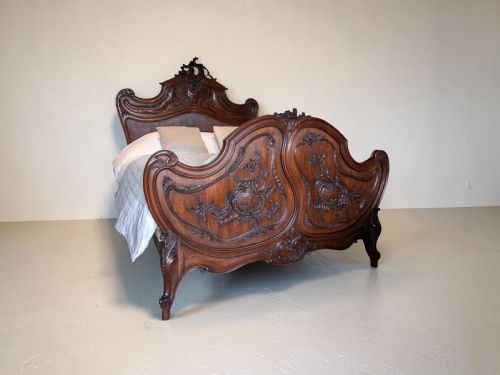
French Style Bedstead
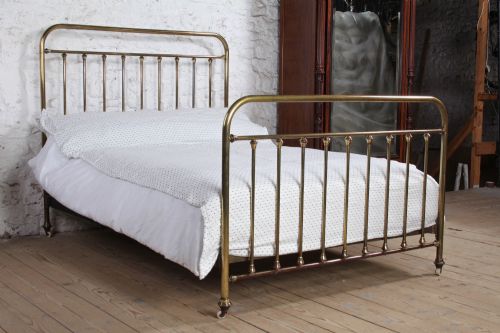
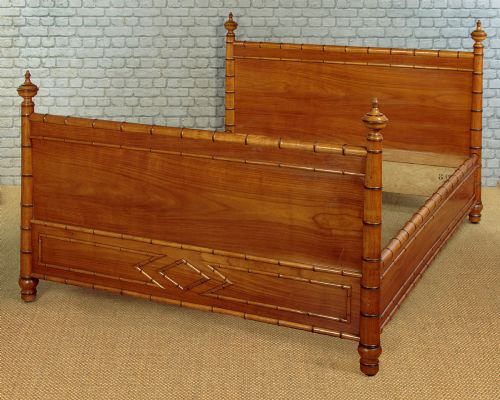
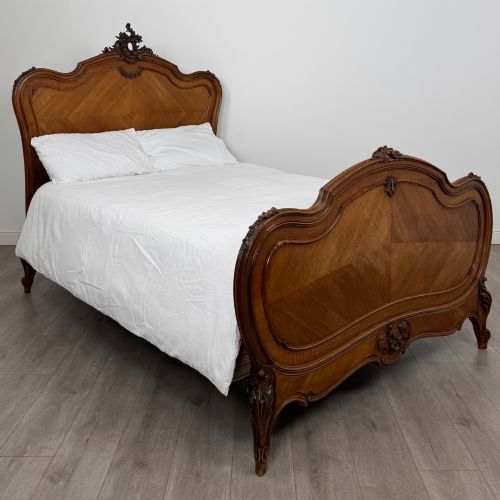
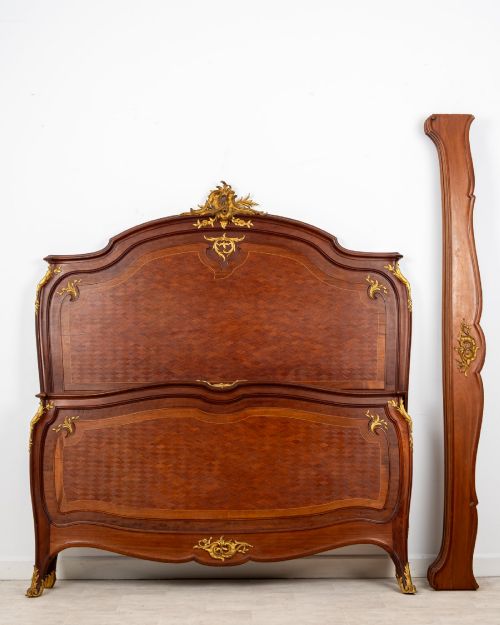
These french style bedstead pieces offer classic continental scale and carved elegance, bringing traditional bedroom character to modern rooms.
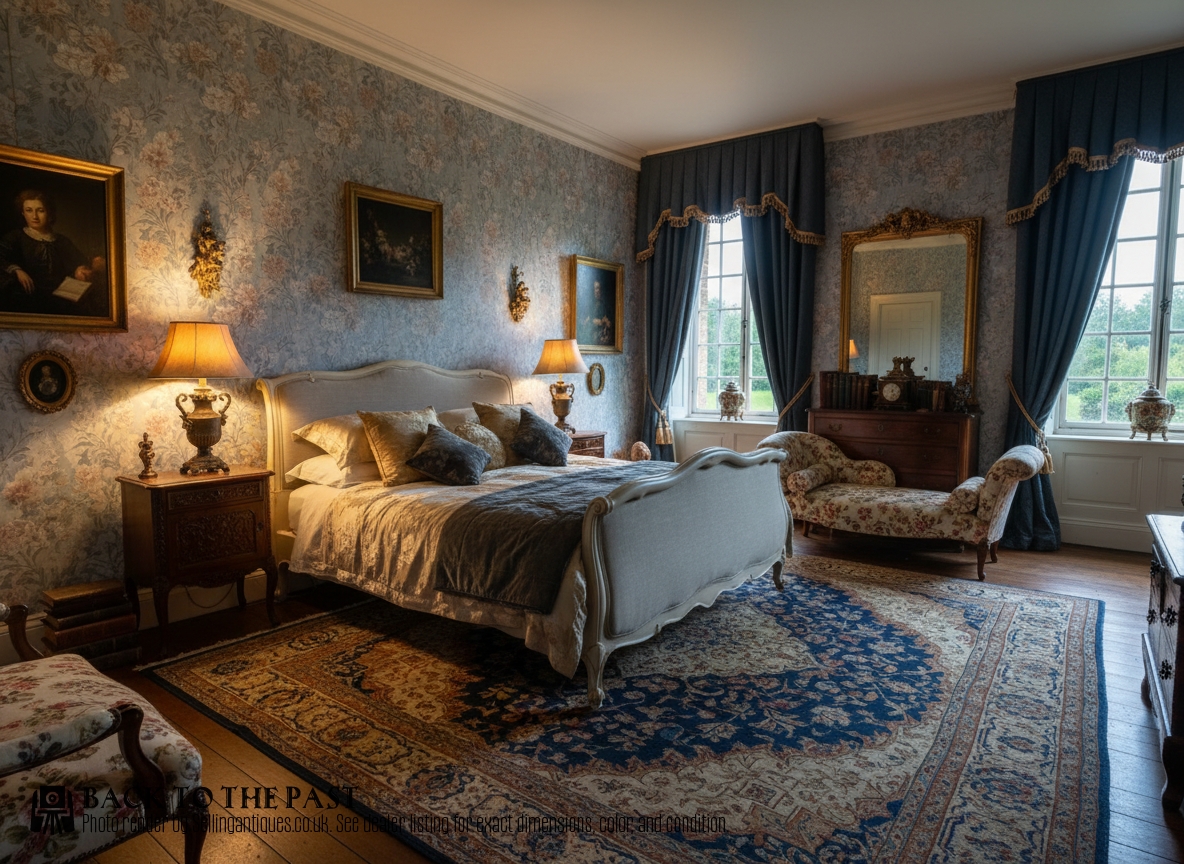
What these french style bedstead pieces are
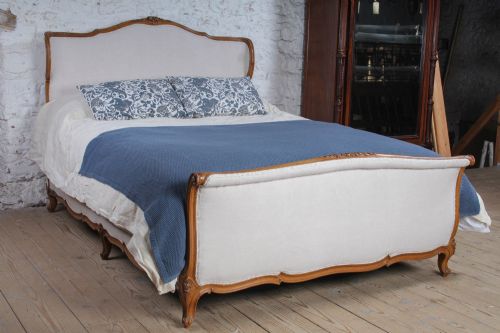
When buyers search for a french style bedstead, they look for large sleeping frames that echo historical continental designs. These pieces range from early twentieth century examples to nineteenth century models, encompassing diverse regional tastes.
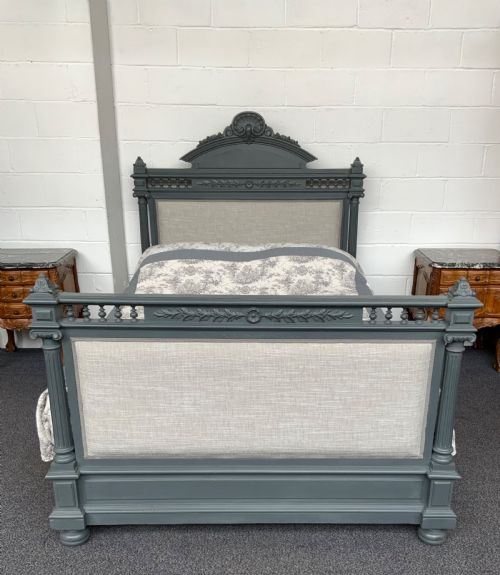
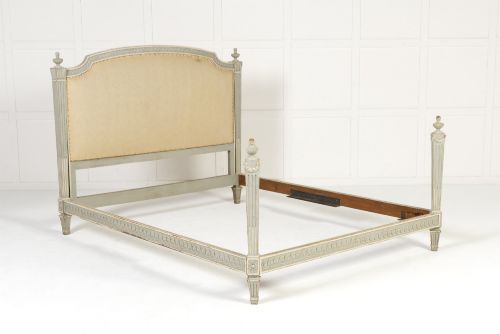
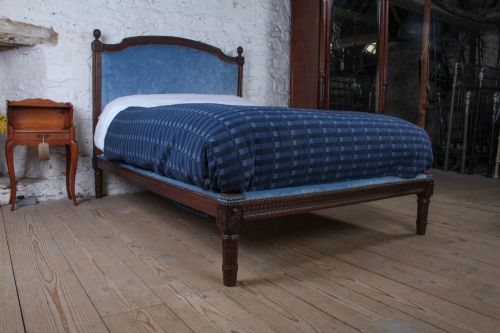
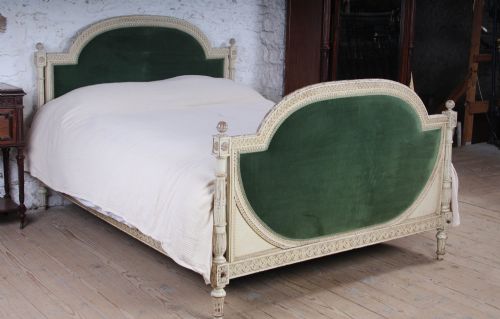
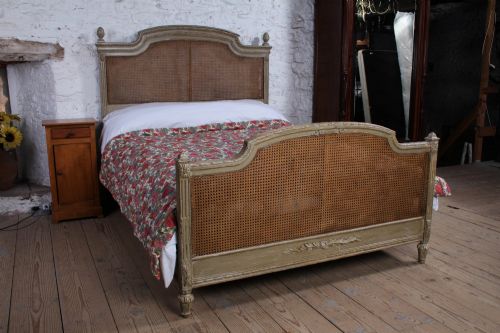
The most common forms on this page include king size and double bed frames, often displaying Louis XVI style carving or simpler painted finishes. Buyers encounter everything from cane panels to newly upholstered fabric heads.
Origins stretch across classic French chateau and neoclassical aesthetics, including unexpected variations like Art Deco sunburst motifs. Each bed frame brings distinct decorative wood or metal work to the interior.
How they were made
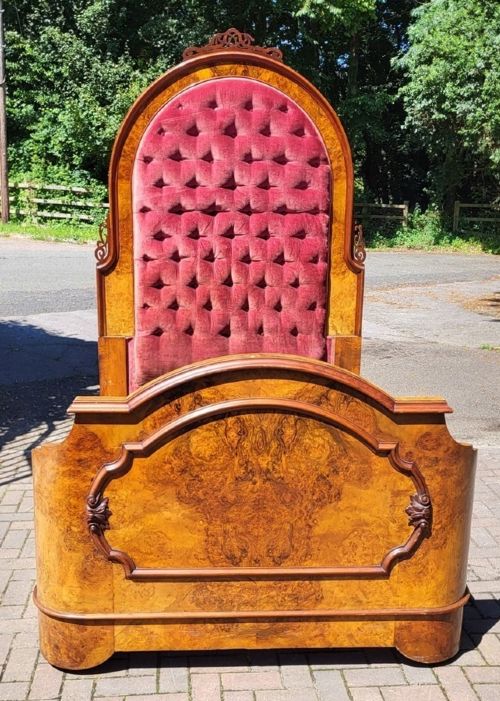
Maker construction relies on traditional timber selection, featuring walnut, mahogany, and general wood veneer alongside painted wood surfaces. Artisans shape these materials into robust bed frames designed to support everyday use.
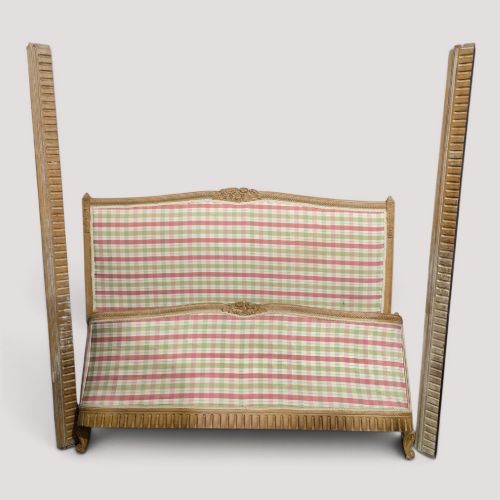
Decorative detailing incorporates applied brass mounts, intricate carved woodwork, and woven cane inserts within headboards and footboards. Upholstered variants employ linen or modern fabric coverings over padded foundations.
Finishes vary from gilded accents on carved surfaces to simple painted treatments with complementary brass detailing. Structural integrity is maintained through side irons and sturdy base supports.
Retail Price Guide 2026
Typical UK retail prices for french style bedstead, calculated from the Sellingantiques database of over a million retail prices indexed since 2003. This retail price guide relies exclusively on Sellingantiques data; no external sources or auction records are used, so the figures do not describe the wider market.
One past bed even featured a Wedgwood jasper plaque style, proving that ceramic ornamentation belongs on sleeping quarters too.
What varies in quality
Quality differences emerge in the crispness of the carved details and the execution of painted or gilded surfaces. Finer examples display deeply carved woodwork and harmonious proportions true to their stylistic period.
Materials also dictate the grade of the piece, with solid walnut or mahogany standing apart from basic painted wood or simple veneers. The integration of genuine cane work or quality fabric upholstery further elevates the standard.
The French Style Bedstead Glossary
- Louis XVI Style
- A design period characterised by straight lines, neoclassical symmetry, and classical carved motifs. These beds often feature fluted columns and restrained ornamentation.
- Art Deco
- A decorative arts style from the early twentieth century featuring geometric shapes and stylized motifs. Sunburst patterns on bed heads typify this sleek approach.
- Caned
- Woven rattan or cane panels integrated into wooden frames. This technique provides lightweight ventilation and visual texture to headboards.
- Side Irons
- Metal rails that connect the headboard and footboard to support the mattress base. They provide essential structural stability for large antique frames.
Frequently Asked Questions
What mattress size fits these beds?
Most pieces listed are king size or double frames designed for standard modern sleeping dimensions. Buyers should check internal measurements carefully before purchasing.
Some older European frames vary slightly from contemporary UK or US standard mattress sizes. Custom mattress cutting may be necessary for precise alignment.
Are bed bases included?
Some listings incorporate a base or side irons within the sale, while others offer the frame alone. Reviewing individual item descriptions clarifies what support hardware is present.
Where bases are absent, modern slats or custom box springs can usually be fitted between the side rails. Consult dealers about compatible support options.
How do I care for painted wood?
Painted wooden surfaces require gentle dusting with a soft, dry cloth to prevent accumulation. Avoid harsh chemical cleaners that might degrade the finish.
Keep frames away from direct sunlight and extreme temperature fluctuations to protect both the paint and the underlying timber from cracking.
How do I distinguish Louis XVI style?
Louis XVI style pieces emphasise straight vertical lines, rectangular forms, and classical antiquity. Look for architectural elements like fluting and ribbons.
In contrast, earlier styles often embrace asymmetrical curves and flowing organic shapes. This geometric discipline defines the sixteenth Louis aesthetic.