

Antique Metal Bed
An antique metal bed brings sturdy Victorian presence and enduring character to a bedroom.
What an antique metal bed is
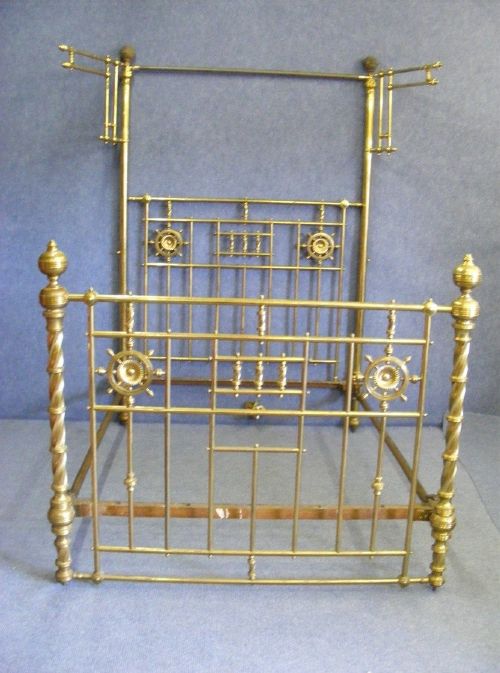
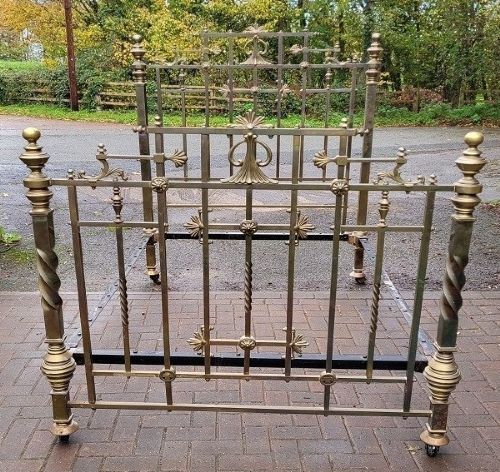
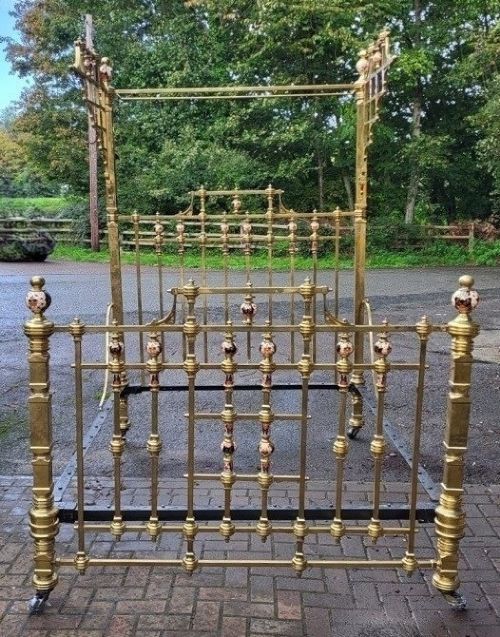
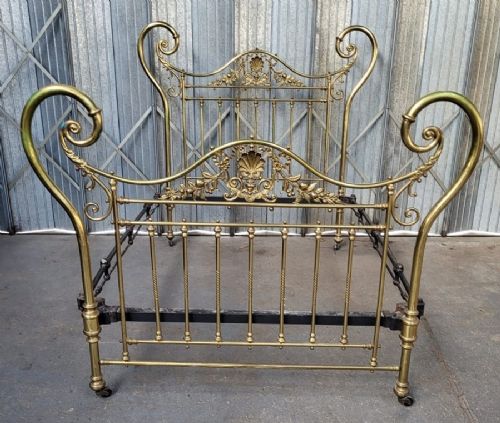
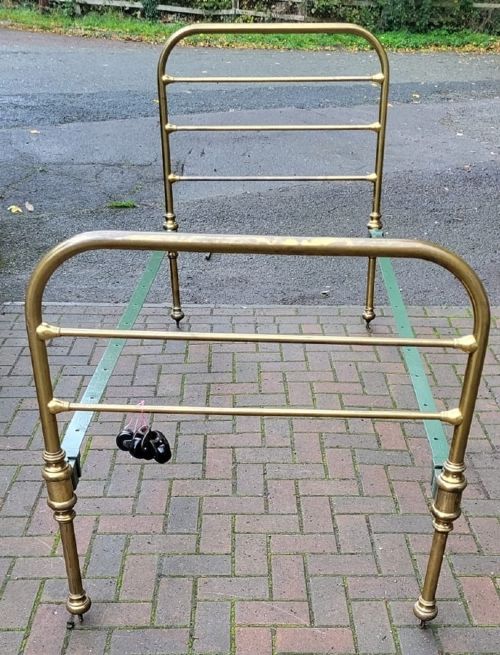
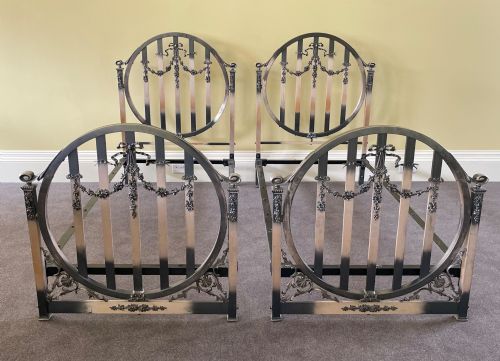
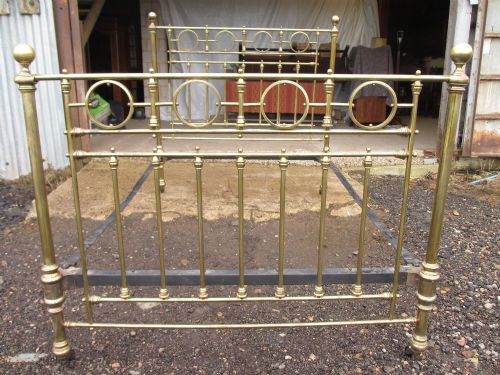
When you search for an antique metal bed, you encounter robust Victorian frames built for practical longevity and domestic comfort. These pieces span the nineteenth century, including specific dates around eighteen ninety, offering distinct sleeping platforms for modern homes.
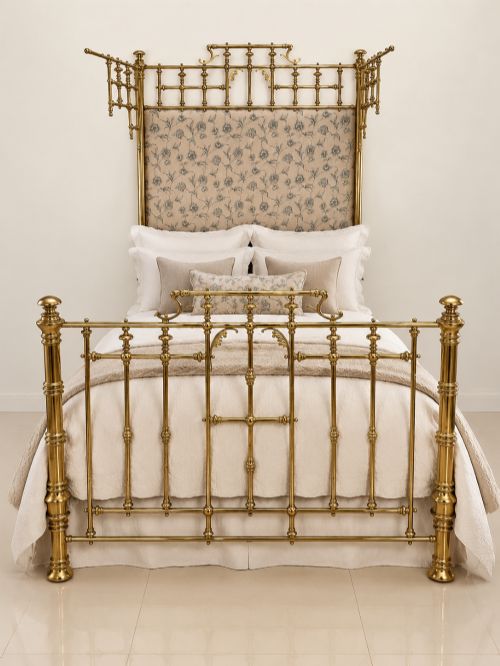
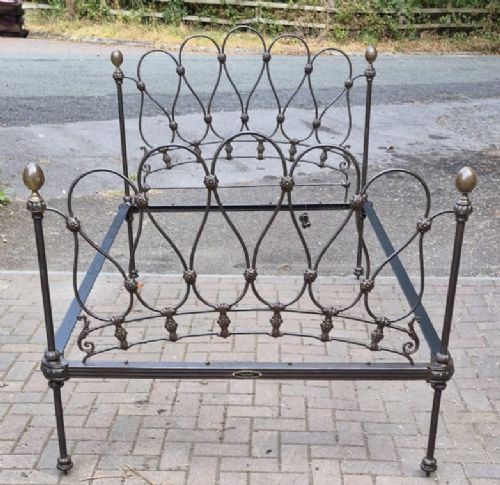
Bed frames and bedsteads dominate the selection, showing the heavy industrial output of the period. Buyers frequently choose these items to anchor a period bedroom scheme with authentic Victorian metalwork.
How they were made
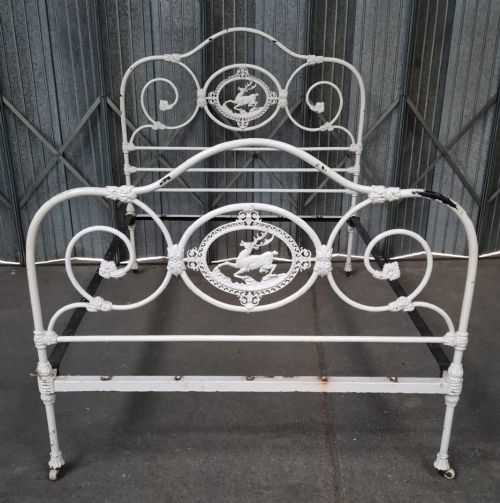
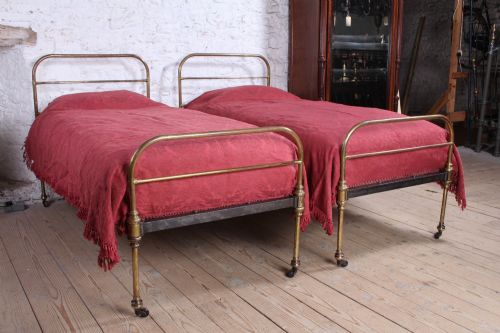
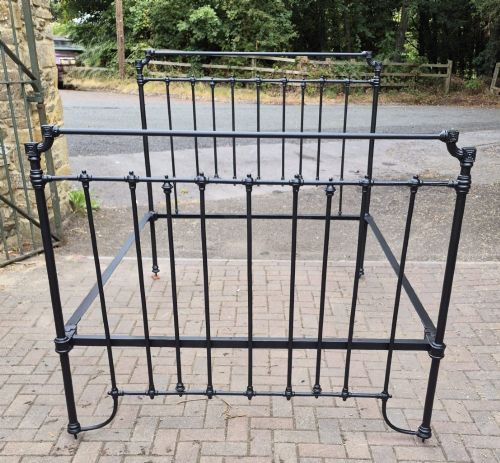
Manufacturers utilised cast iron and wrought iron for the primary structural framework, providing immense weight and stability. Brass components were incorporated for decorative finials, corner mounts, and tubing, creating a contrasting metallic appearance.
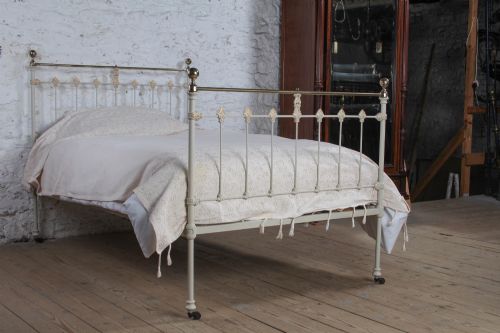
Individual sections were cast or forged separately before being joined with mechanical fasteners or wedge joints. Surface finishes applied to the iron often included protective paint layers, such as cream enamel, while brass elements were polished or lacquered.
Retail Price Guide 2026
Typical UK retail prices for metal bed, calculated from the Sellingantiques database of over a million retail prices indexed since 2003. This retail price guide relies exclusively on Sellingantiques data; no external sources or auction records are used, so the figures do not describe the wider market.
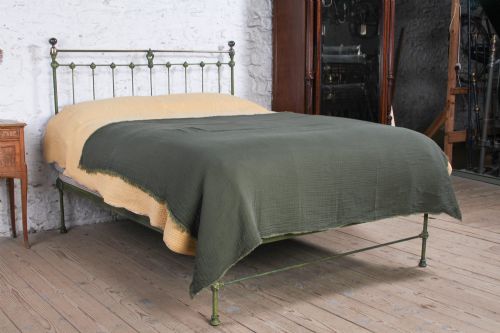
Listings feature Victorian iron and brass beds in king size and small double formats.
What varies in quality
The distinction between standard production and finer examples lies in the intricacy of the brass detailing and the crispness of the iron castings. Simpler utility frames contrast with grander bedsteads that incorporate elaborate metal scrollwork and substantial brass ornamentation.
Proportion and scale also define the hierarchy, with extra wide platforms and specific king size dimensions commanding attention. The integrity of the original joints and the condition of any applied paint finishes further separate everyday utility items from superior survivals.
RW Winfield
The Antique Metal Bed Glossary
- Bedstead
- The complete framework of a bed, including the headboard, footboard, and side rails. This term frequently appears in nineteenth-century descriptions of metal sleeping furniture.
- Cast Iron
- An iron-carbon alloy poured into moulds to create rigid structural components and decorative motifs. It forms the heavy base of most Victorian metal beds.
- Wrought Iron
- Iron beaten or bent into shape while hot, valued for its toughness and flexibility in structural framing. It appears alongside cast elements in many period frames.
- King Size
- A modern or historical dimension denoting a wider sleeping platform. Several pieces on this page match these larger proportions.
Frequently Asked Questions
Will a standard mattress fit?
Many Victorian frames were built to nineteenth-century dimensions rather than modern standard sizes. Checking the exact width and length in the listing details ensures your mattress sits correctly within the side rails.
Some extra wide or king size variants accommodate modern mattresses more readily, but adjustment or custom support slats may be necessary for a secure fit.
How do I assemble the frame?
These beds typically utilise heavy iron side rails that slot directly into cast sockets on the headboard and footboard. Gravity and wedge joints secure the structure tightly without requiring complex modern hardware.
Two people are usually needed for assembly due to the substantial weight of cast iron and brass components. Ensuring the floor is level helps the side rails align properly with the head and foot sections.
How do I clean brass details?
Brass finials and tubing benefit from gentle dusting and occasional cleaning with a mild, non-abrasive metal cleaner. Avoid harsh chemical polishes that can strip away aged patination or damage surrounding painted iron surfaces.
Regular soft cloth wiping prevents dust accumulation in intricate scrollwork and keeps the metallic lustre bright. Maintaining the brass components enhances the visual contrast against dark or painted ironwork.