

Vintage Iron Bedstead
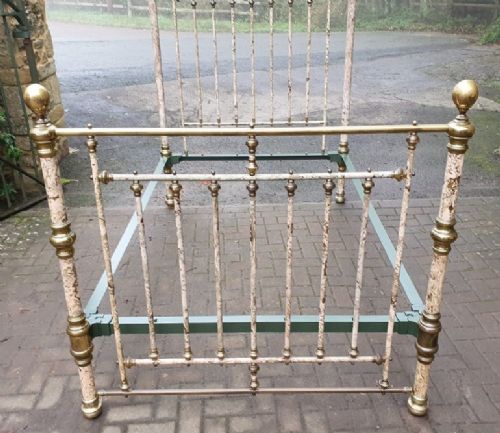
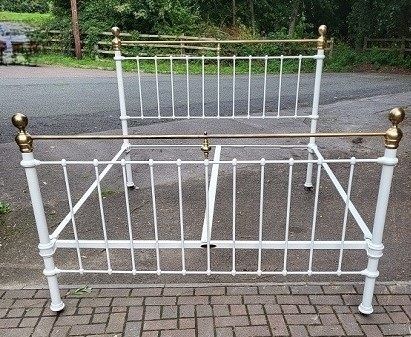
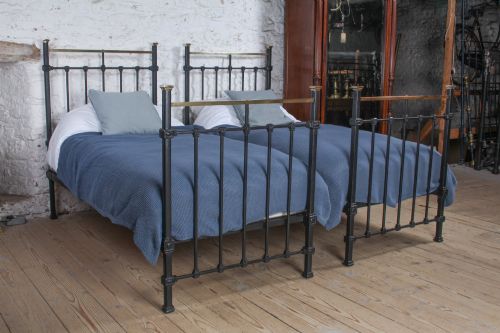
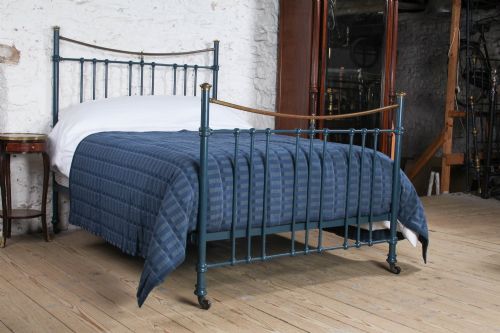
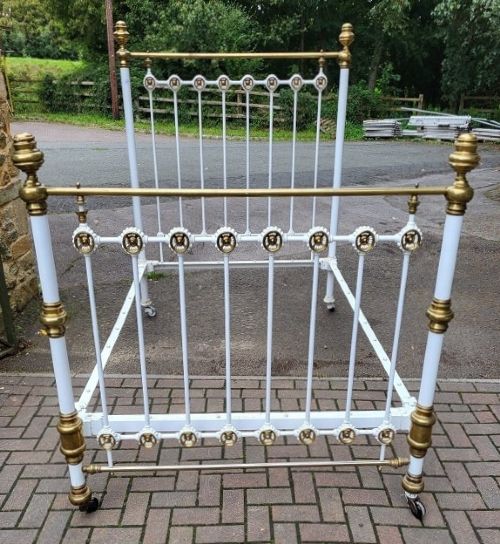
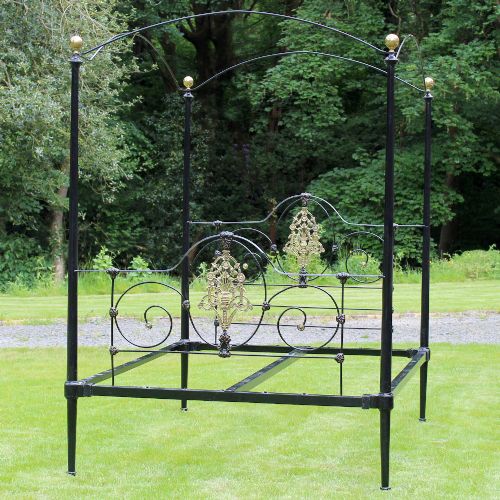
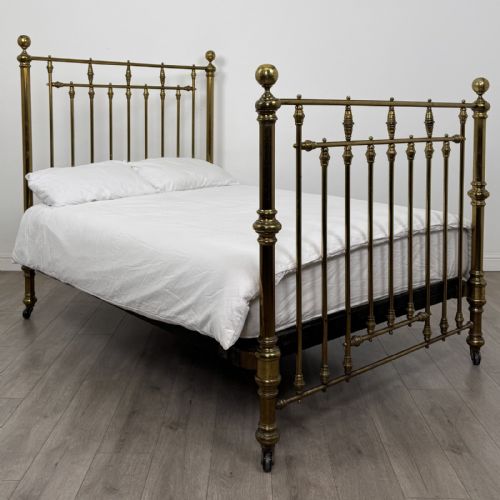
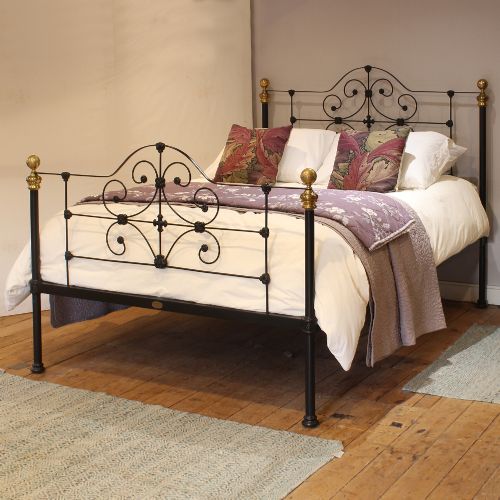
A vintage iron bedstead provides sturdy support and period charm, with sturdy metal frames surviving from Victorian and Edwardian decades.
Vintage Iron Bedstead
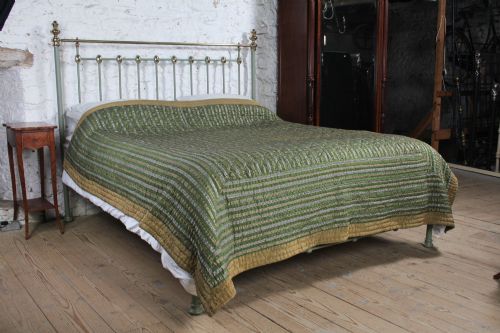
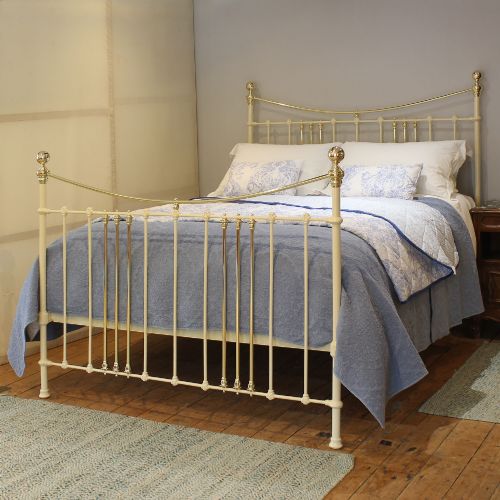
A vintage iron bedstead combines heavy metal framing with durable construction, forming a central sleeping platform for bedrooms. Buyers searching for a vintage iron bedstead encounter numerous Victorian and Edwardian examples spanning single, double, queen and king sizes.
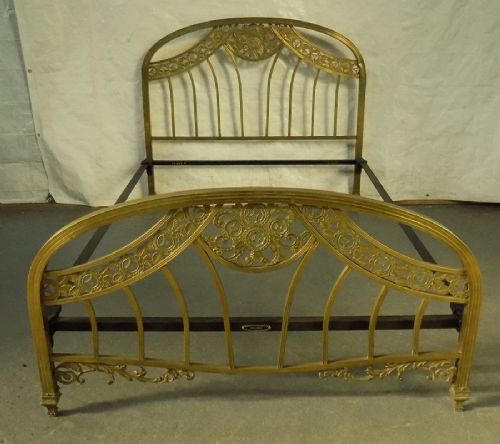
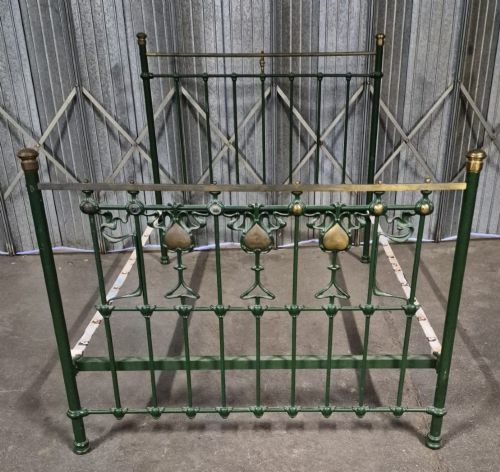
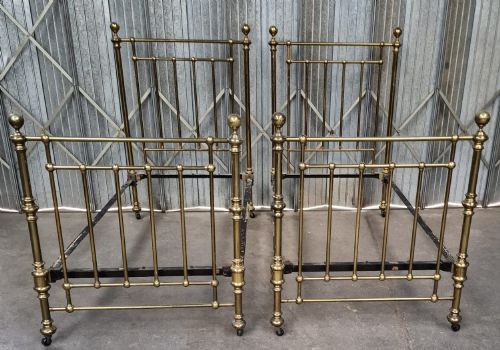
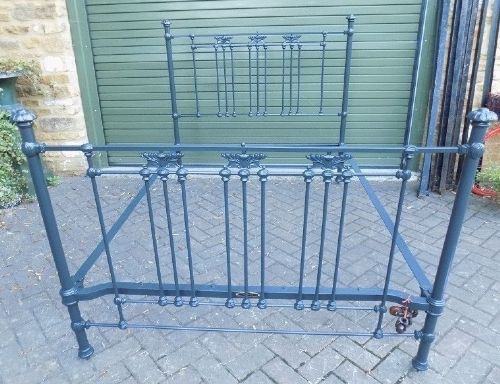
Most pieces seen here date from the nineteenth century through the early twentieth century, featuring formats like half testers, cots and standard bed frames. Iron and brass combinations dominate the selection alongside painted or black finishes.
Makers utilised distinct regional styles including French provincial designs and Irish or Celtic framing. These beds offer practical dimensions adapted for modern mattresses while retaining original nineteenth-century casting details.
How they were made
Makers constructed these beds using cast iron, wrought iron and steel components joined with secure slot-in frames. Brass elements, nickel plating and toleware added decorative contrast to the dark metal structures.
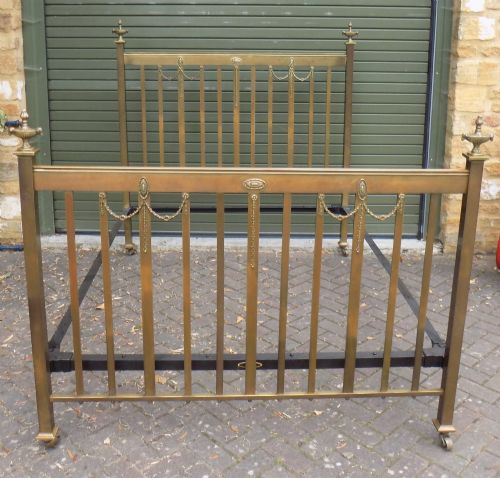
Castings shaped ornate joints, decorative brass fittings, and tapered posts. Painted finishes, ceramic touches, and occasional mother-of-pearl inlays completed the surface decoration of the frames.
Vintage Iron Bedstead Retail Price Guide 2026
Typical asking prices for vintage iron bedstead among the pieces listed under this phrase on Sellingantiques today, from the lower quarter to the upper quarter. They describe what is for sale here now, not the wider market.
Listings feature Victorian, Edwardian and nineteenth-century periods with materials including cast iron, brass, steel and nickel plating.
What varies in quality
Quality appears in the crispness of iron castings and the structural integrity of the joints and frames. Better examples feature detailed ribbon reeds, attractive brass mounts and original makers' marks.
Simpler frames rely on plain iron tubing, whereas exhibition quality pieces incorporate heavy brass components, tapered posts and intricate decorative shaping.
Winfield
The Vintage Iron Bedstead Glossary
- Bedstead
- A framework of a bed supporting the spring and mattress. This term specifically refers to the structural metal structure rather than the bedding.
- Cast Iron
- Iron shaped by pouring liquid metal into a mould. This material allowed makers to produce decorative Victorian headboards and footboards.
- Toleware
- Enamelled or lacquered metalware popular in the nineteenth century. Austrian single beds sometimes utilised this painted finish.
- Half Tester
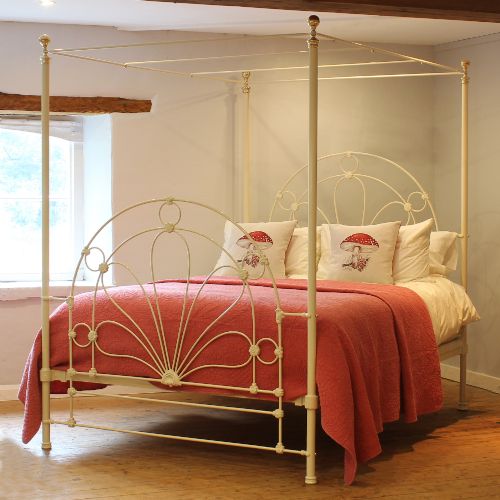
- A bed with a partial canopy extending over the head of the bed. These grand Victorian frames often combined brass and iron elements.
- Dip Rail
- A headboard or footboard rail curving downward towards the centre. Edwardian and Victorian designs frequently adopted this shaped profile.
Vintage Iron Bedstead: Frequently Asked Questions
Will a standard mattress fit a vintage iron bedstead?
Many vintage iron beds match modern sizing designations such as single, double, king and super king dimensions.
Slight variations can occur in older nineteenth-century frames, so checking internal rail measurements ensures a correct fit for contemporary mattresses.
How do I assemble a vintage iron bedstead?
Most pieces utilise slot-in iron frames and wedge joints that lock together without requiring complex hardware.
Securing the side rails into the headboard and footboard castings creates a stable rectangular base for slats and bedding.
Can I paint a vintage iron bedstead?
Original painted, blackened, or brass surfaces are typically preserved to maintain historical character and finish integrity.
Owners seeking a different colour usually choose professional powder coating or hand painting suitable for metal substrates.
How do I tell Victorian from Edwardian iron beds?
Victorian models frequently display heavier ornate castings, brass finials and elaborate curly ironwork.
Edwardian designs tend toward cleaner lines, simpler dip rail configurations and lighter overall framing proportions.