

Victorian Iron Bed
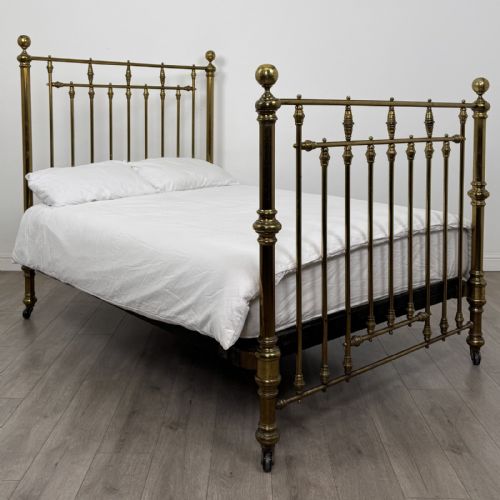
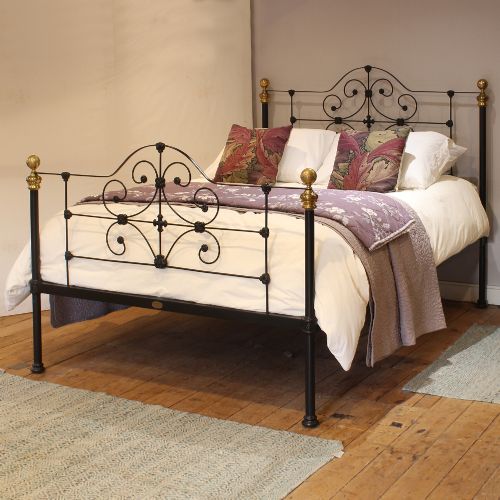
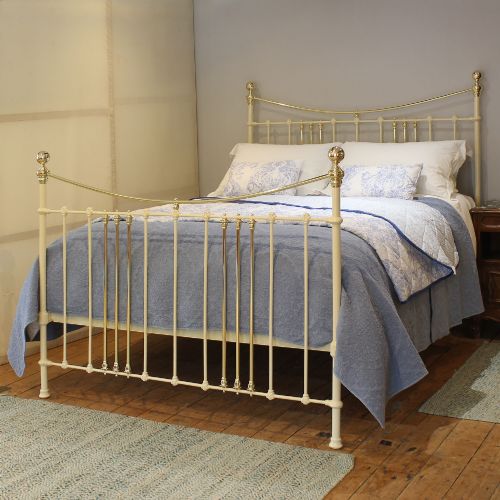
A victorian iron bed brings solid period weight and polished brass details to a bedroom, combining robust cast components with decorative metalwork.
Victorian Iron Bed
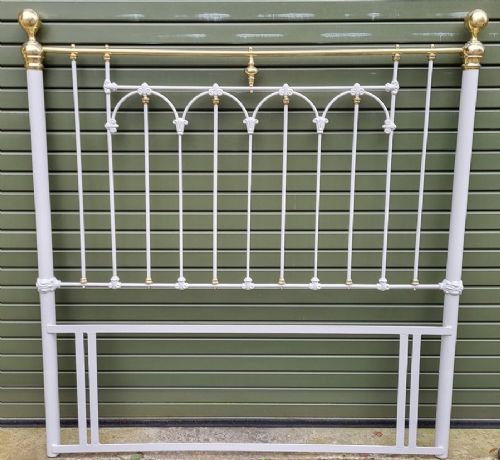
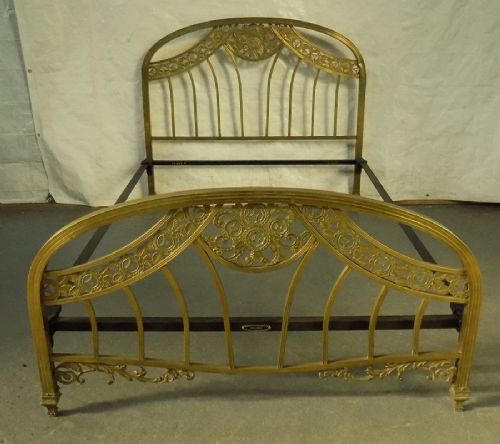
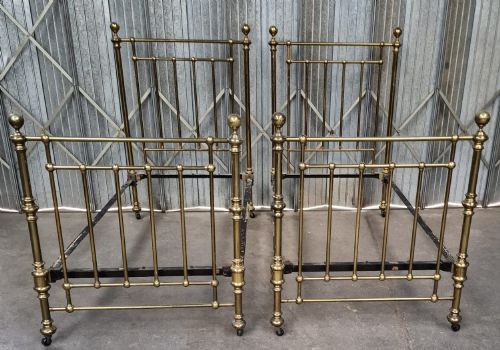
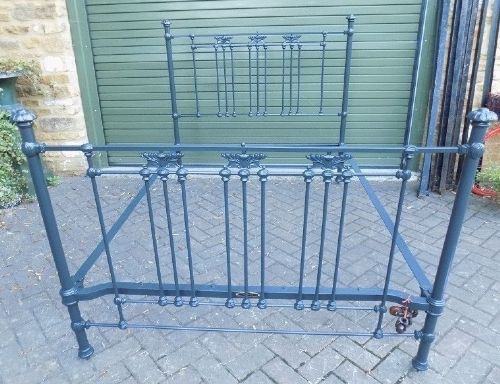
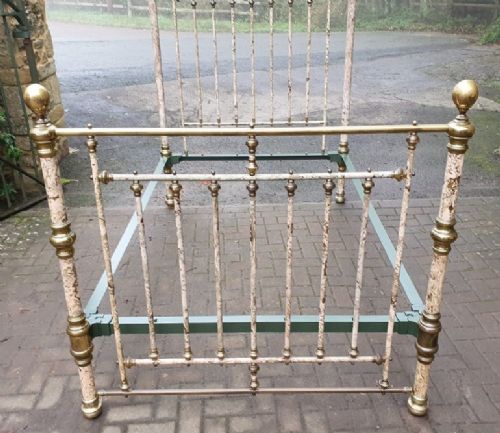
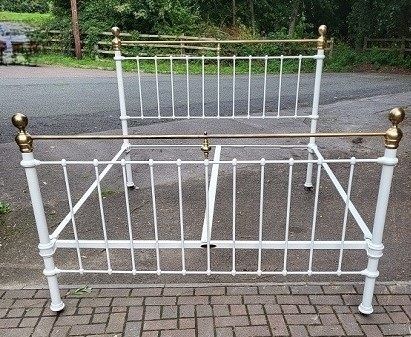
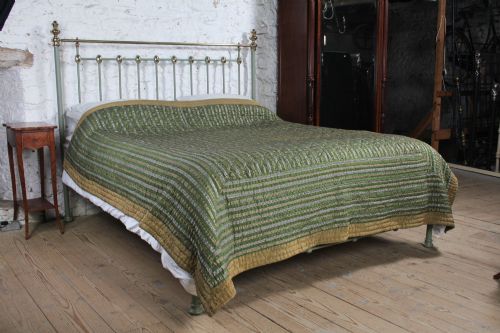
A victorian iron bed combines cast iron components with brass mounts, offering robust construction and decorative detailing across single, double, and king sizes.
Most examples date from the Victorian period through to the Edwardian era, spanning the mid-nineteenth century to the early twentieth century.
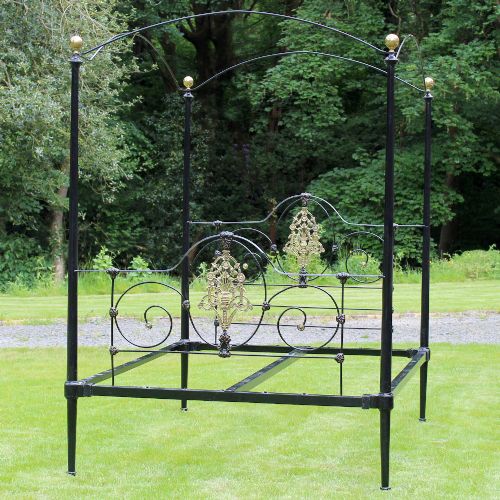
Common forms include standard footboard bedsteads, no-end frames, daybeds, and half-tester configurations originating from British and French workshops.
Materials and construction
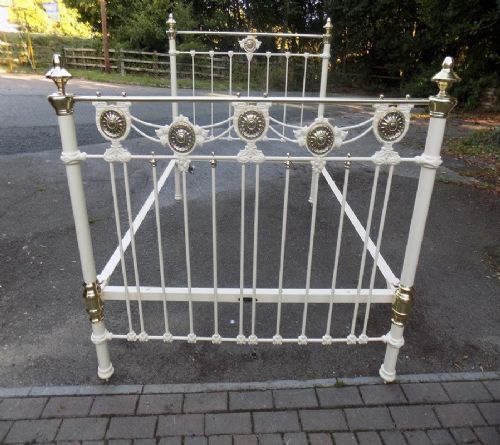
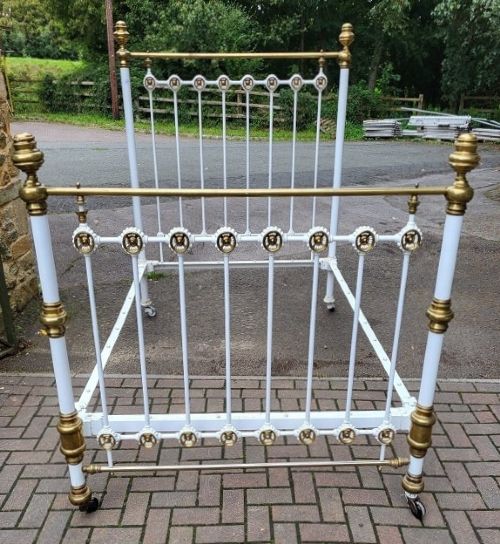
Foundries cast molten iron into shaped frames and decorative components, which were then fitted with brass tubing, knobs, and corner mounts.
Many frames use slot-in side rails supported by iron or wooden slats, allowing the entire structure to be dismantled for transport.
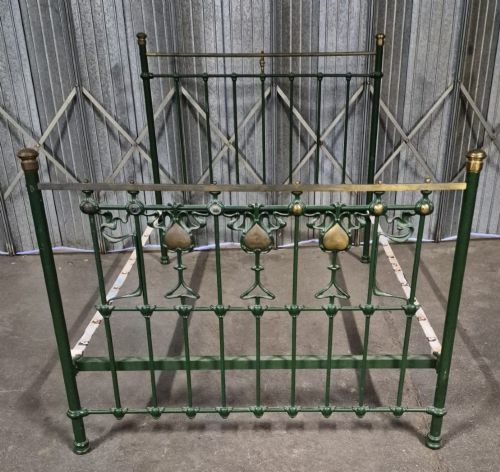
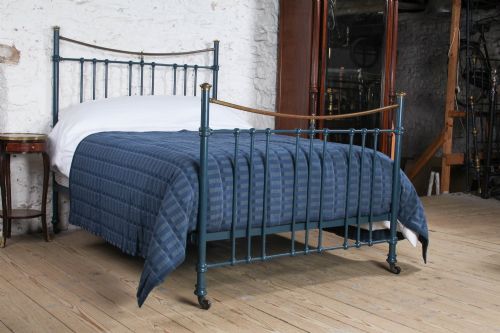
Surfaces were frequently painted in black, green, or blue finishes, while brass elements were polished or lacquered to prevent tarnishing.
Victorian Iron Bed Retail Price Guide 2026
Typical asking prices for victorian iron bed among the pieces listed under this phrase on Sellingantiques today, from the lower quarter to the upper quarter. They describe what is for sale here now, not the wider market.
Several beds come with notes confirming they can be lined up or joined together.
Assessing craftsmanship and design
Quality rests on the crispness of the iron castings and the weight of the brass mounts, where finer pieces display intricate decorative mouldings.
The integrity of the structural joints and the originality of the side rails and castors distinguish superior examples from heavily altered pieces.
Specialist details such as porcelain cabochons, mother-of-pearl insets, or named maker stamps elevate certain bedsteads above standard production models.
Winfield
The Victorian Iron Bed Glossary
- Bedstead
- A framework of a bed designed to support a mattress and base. It typically includes a headboard, footboard, and side rails.
- Half Tester
- A bed canopy that projects from the wall over the head of the bed, covering only the upper portion.
- Cast Iron
- Iron shaped by pouring molten metal into a mould. It provides rigid structural strength and intricate decorative detail.
- Wrought Iron
- Iron beaten into shape by hand with a hammer. It offers high tensile strength and flexibility for slender scrolls.
- Daybed
- A piece of furniture used for both seating and reclining. It functions as a sofa by day and a bed by night.
Victorian Iron Bed: Frequently Asked Questions
Will a standard mattress fit these beds?
Many period beds were made to nineteenth-century dimensions, which can differ slightly from modern standard mattress sizes. Checking the exact internal length and width between the side rails ensures a correct fit.
Custom or bespoke mattresses are sometimes necessary for older frames, particularly those built to non-standard widths or French dimensions.
How do I assemble these metal beds?
Most frames use a simple slot-in wedge system where the side rails lock directly into the headboard and footboard sockets. Tapping the joints gently with a rubber mallet secures the metal components without causing damage.
Ensuring the frame sits square on a level floor before tightening any bolts prevents strain on the cast iron and brass joints.
How do I care for the brass and iron?
Painted iron surfaces require only a gentle dusting and occasional cleaning with a dry cloth to prevent moisture accumulation. Using harsh chemical solvents on the original paint finish should be avoided.
Brass elements can be maintained with a mild metal polish if they are unlacquered, though many collectors prefer to leave an aged patina untouched.
Can these beds be taken apart easily?
The knockdown construction designed by nineteenth-century manufacturers allows the headboard, footboard, and side rails to separate completely. This makes moving the heavy metal structures through tight doorways manageable.
Keeping the original iron side rails together with the main frame maintains historical accuracy and structural stability during any relocation.