

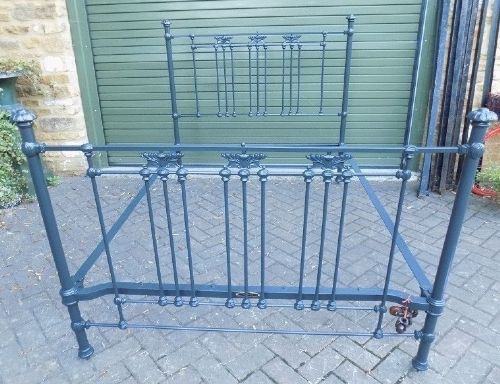
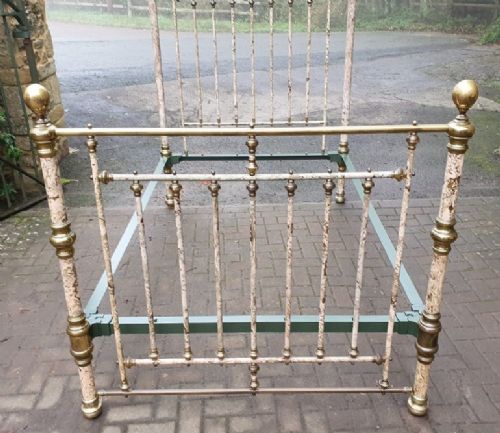
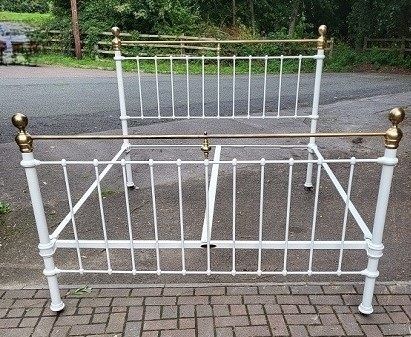
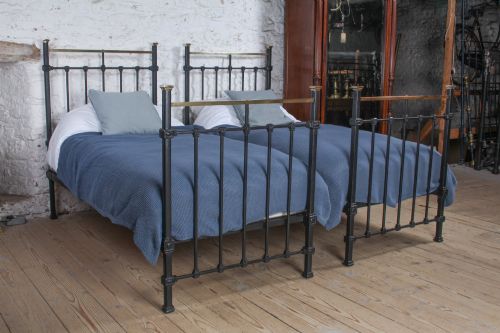
Traditional Iron Bedstead
A traditional iron bedstead brings solid nineteenth-century structure and gleaming brass details into a modern bedroom.
Traditional Iron Bedstead
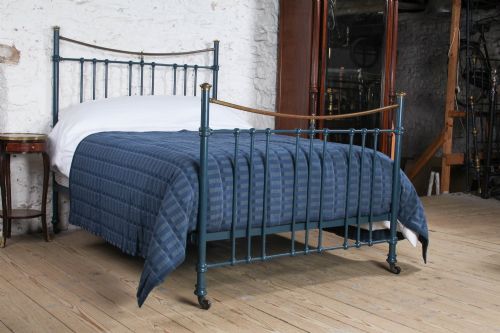
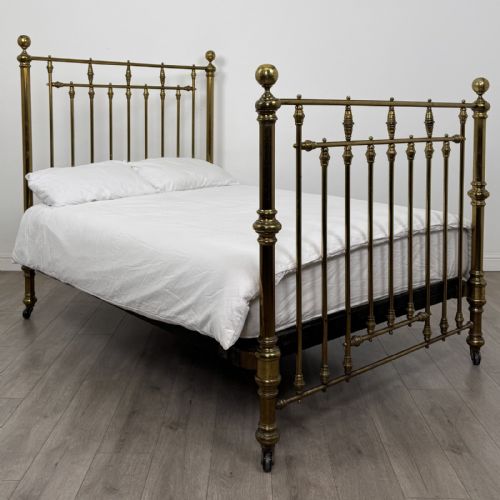
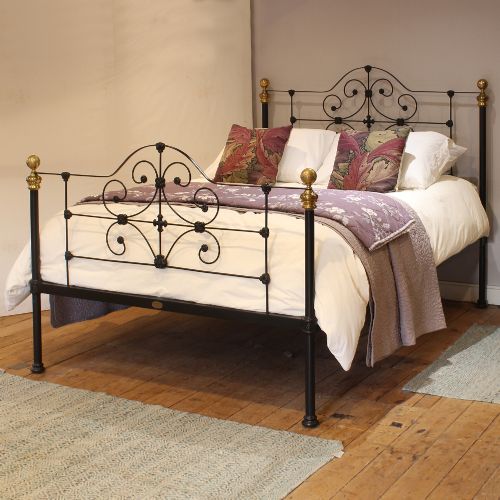
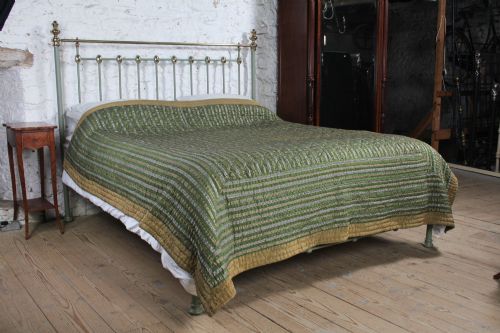
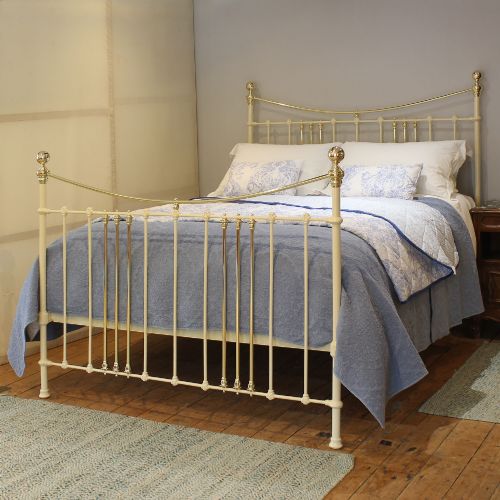
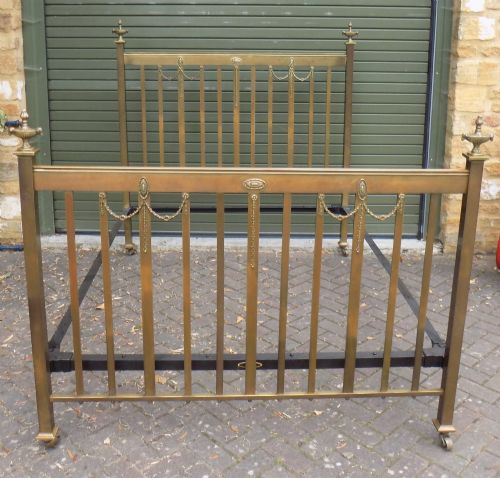
A traditional iron bedstead is a sturdy sleeping frame constructed primarily from cast or wrought iron, frequently paired with polished brass components. These pieces date predominantly from the Victorian and Edwardian eras, spanning the nineteenth and early twentieth centuries.
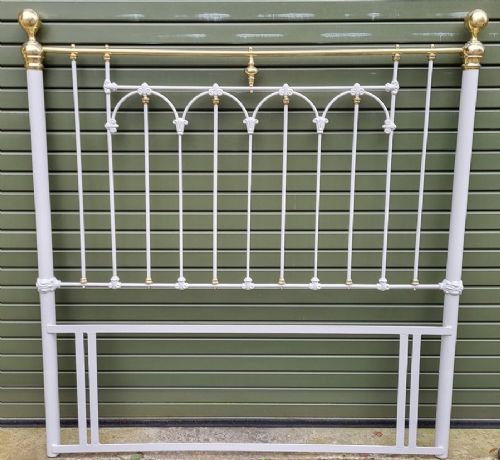
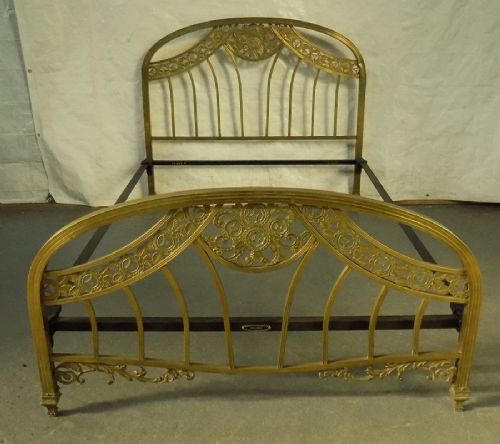
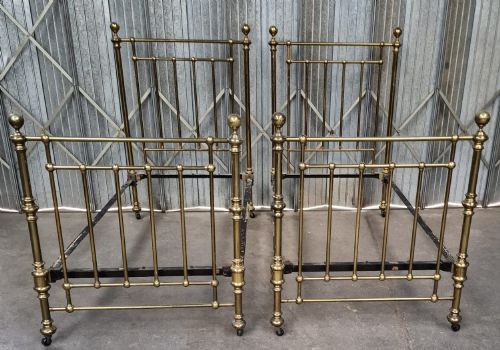
The versions most commonly met on this page are double, king, and single sizes featuring characteristic metal tubing, decorative castings, and sometimes low footboards known as no-end beds. They emerge from diverse design traditions, including French provincial styles, Celtic revivals, and classical Victorian forms.
How traditional iron bedsteads were made
Craftsmen utilised robust cast iron for structural frames and decorative junctions, shaping molten metal into intricate scrollwork and rigid side rails. Wrought iron was often employed for linear elements, while tubular iron formed the main posts and rails.
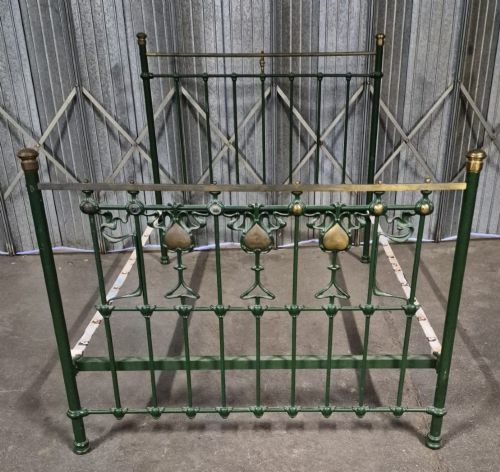
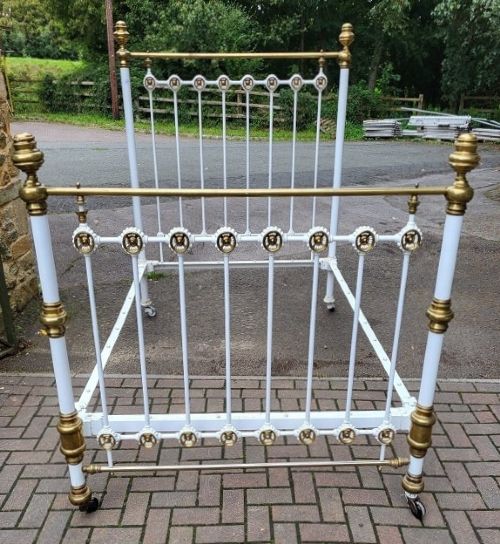
Makers embellished these metal structures with polished brass finials, painted surfaces in greens and blacks, ceramic accents, and occasionally mother of pearl inlays. Iron slot-in frames and castors completed the practical construction of these durable sleeping quarters.
Traditional Iron Bedstead Retail Price Guide 2026
Typical asking prices for traditional iron bedstead among the pieces listed under this phrase on Sellingantiques today, from the lower quarter to the upper quarter. They describe what is for sale here now, not the wider market.
Listings feature periods spanning from eighteen-sixty through the Edwardian era, incorporating materials such as ceramic, mother of pearl, and painted cast iron.
What varies in quality
The standard of a traditional iron bedstead depends heavily on the complexity of its castings and the crispness of its detailing. Heavier gauges of iron and substantial brass fittings separate superior examples from simpler utilitarian frames.
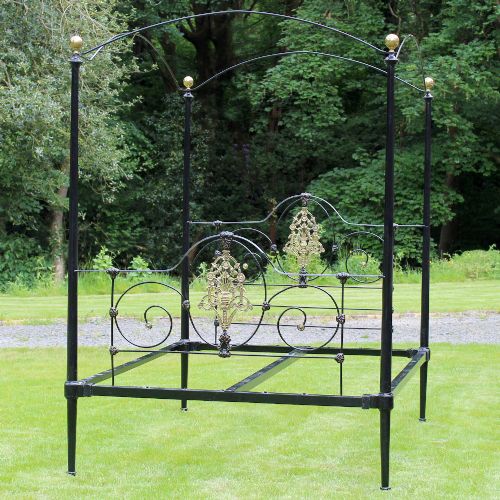
Design ambition also dictates distinction, as seen in tapered posts, ribbon reed shaping, and specific stylistic flourishes like Celtic revival motifs or intricate brass half testers. Originality of finish and preserved maker marks elevate specific pieces significantly.
Winfield·R W Winfield
The Traditional Iron Bedstead Glossary
- Bedstead
- The framework of a bed, comprising headboard, footboard, and side rails. This structural assembly supports the mattress and forms the visual centrepiece of the bed frame.
- Cast iron
- Iron that has been poured into a mould while molten to create complex shapes and decorative details. It provides the rigid structural foundation for many period beds.
- Wrought iron
- Iron that is beaten or bent into shape while hot, prized for its toughness and flexibility in linear designs. It appears frequently in the scrollwork of traditional frames.
- Half tester
- A canopy that extends only partway over the head of the bed, supported by the bedstead itself. This configuration adds considerable height and architectural presence.
- Castor
- A small wheel mounted on a swivel attached to the base of the bed posts. It allows heavy metal bedsteads to be repositioned smoothly across floor surfaces.
Traditional Iron Bedstead: Frequently Asked Questions
How do I choose the right size?
Traditional iron bedsteads come in various dimensions ranging from single sizes to super king and extra wide formats. Measure your available bedroom space carefully to ensure adequate clearance around the frame and side rails.
Consider whether you prefer a standard footboard or a low no-end design, which creates a more open visual feel in smaller rooms.
Are these beds compatible with modern mattresses?
Most traditional iron bedsteads accommodate standard modern mattress sizes, though historical dimensions can occasionally vary slightly. Checking the internal length and width of the iron slot-in frame ensures a proper fit.
Modern slatted bases or supportive foundations can be integrated safely within the original side rails to provide correct mattress support.
How do I care for brass and iron?
Maintenance involves gentle dusting and occasional cleaning with appropriate metal care products designed for lacquered or unlacquered brass and painted iron surfaces. Avoid abrasive cleaners that might damage nineteenth-century finishes.
Regularly checking and tightening the structural joints and castors keeps the bedstead stable and prevents unnecessary wear on the metal components.
How can I tell the period of a bed?
Dating relies on observing stylistic markers such as Victorian aesthetic movement details, Edwardian dip rails, or specific brass casting techniques. The presence of registry marks or manufacturer stamps also helps establish a precise era.
Construction methods, including the transition from heavy cast iron frames to lighter tubular iron designs, offer further clues to the decade of manufacture.