

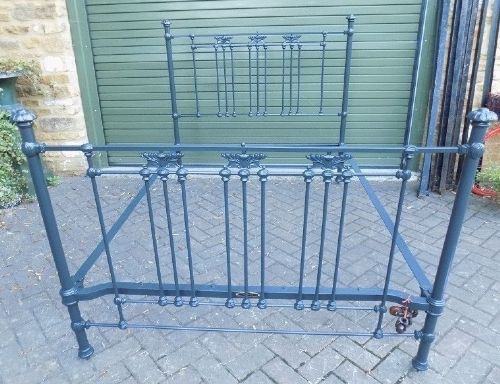
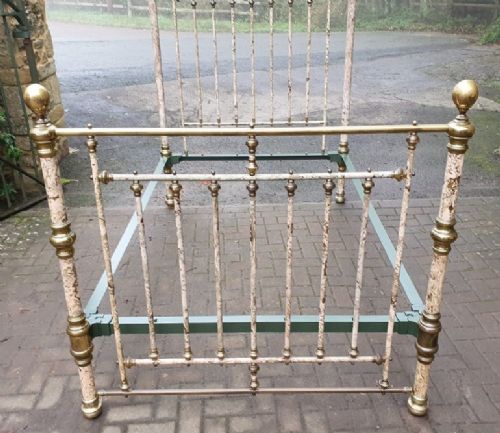
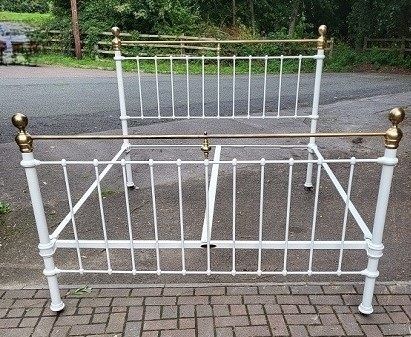
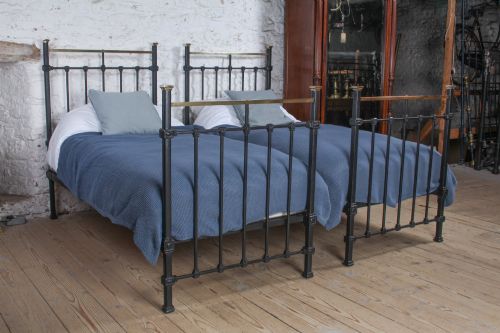
Antique Iron Bed Frame
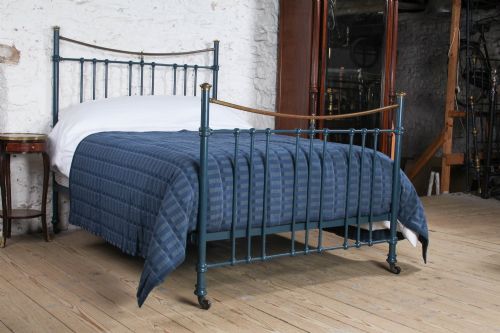
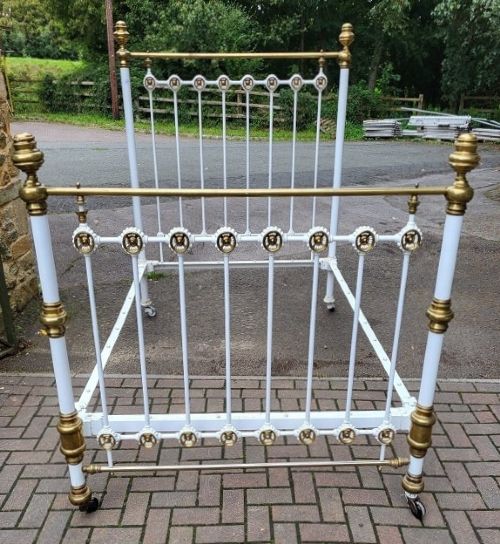
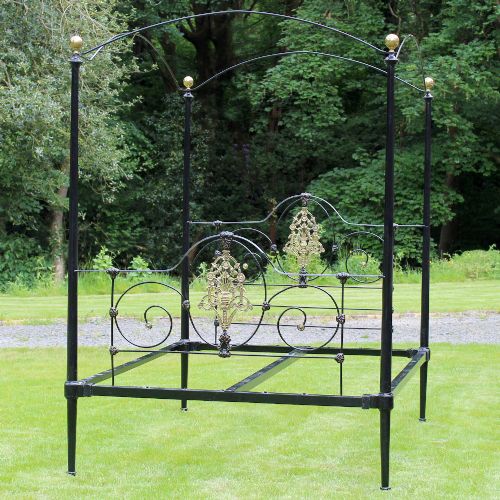
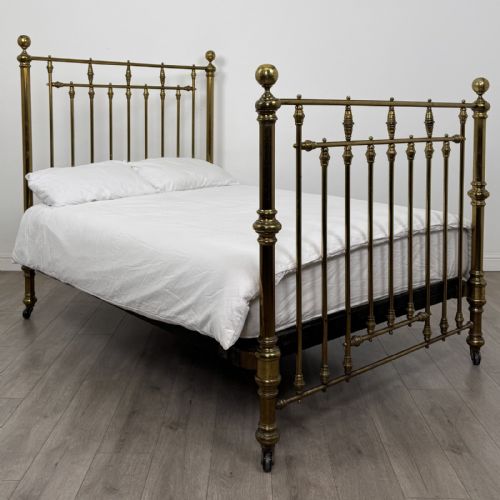
These antique iron bed frames combine sturdy metal construction with period decorative details, offering a solid and characterful centrepiece for a bedroom.
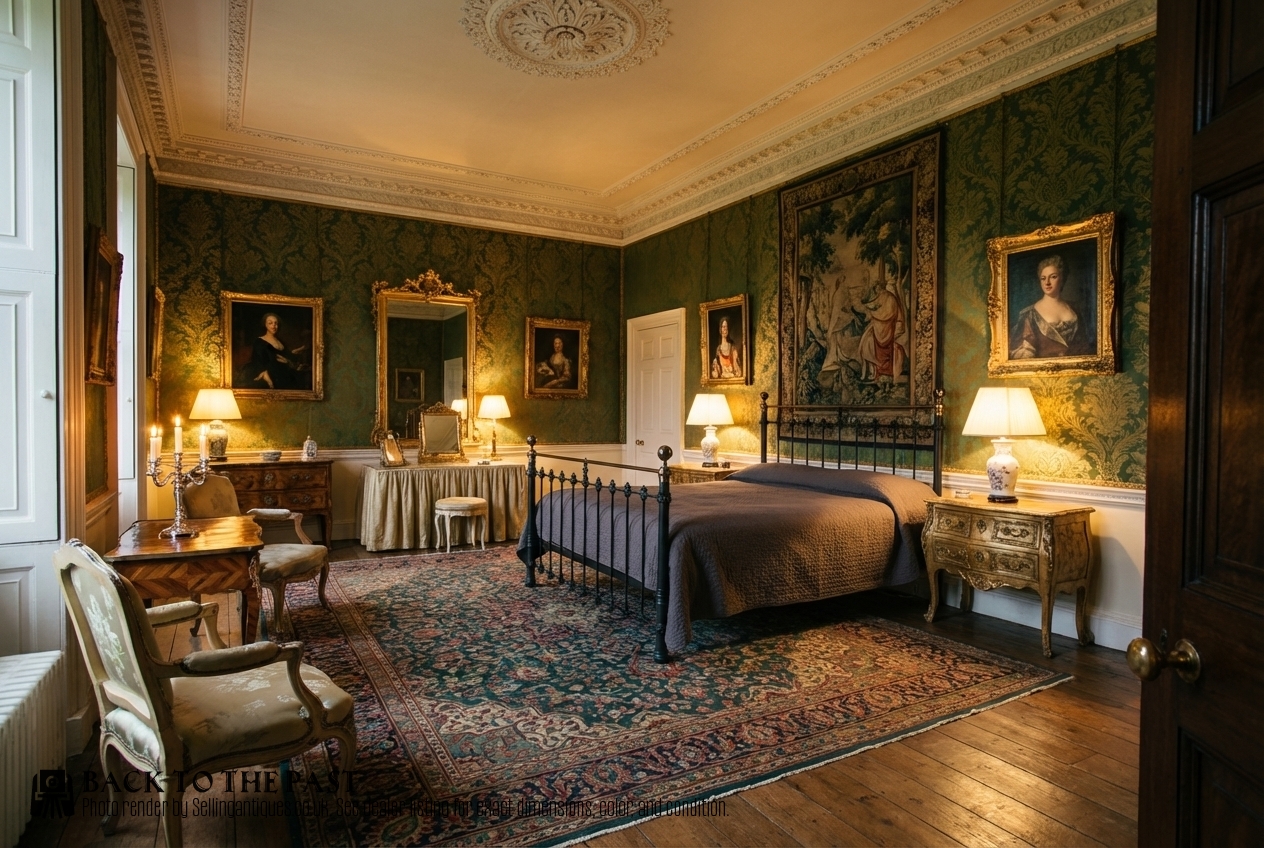
Antique Iron Bed Frame
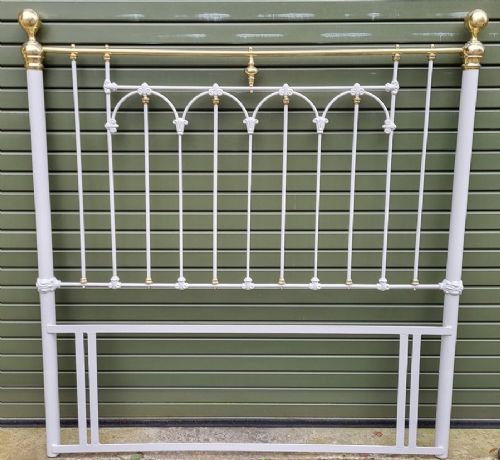
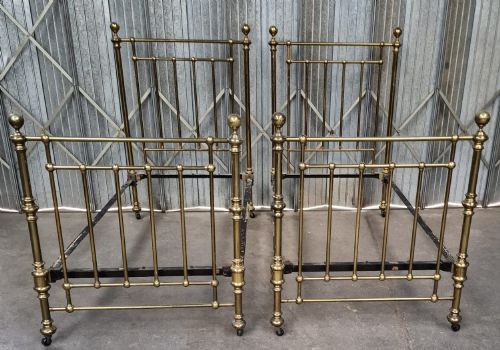
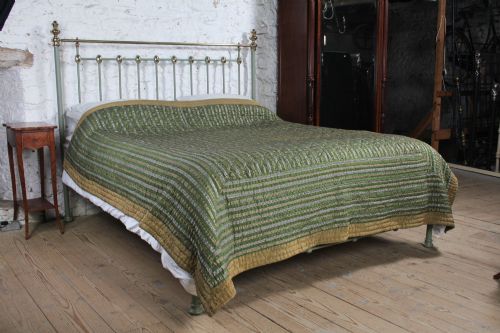
An antique iron bed frame provides a robust sleeping platform shaped by nineteenth and early twentieth-century metalworking traditions. When searching for an antique iron bed frame, buyers encounter single, double, king, and super king sizes originating from Victorian, Edwardian, and nineteenth-century periods.
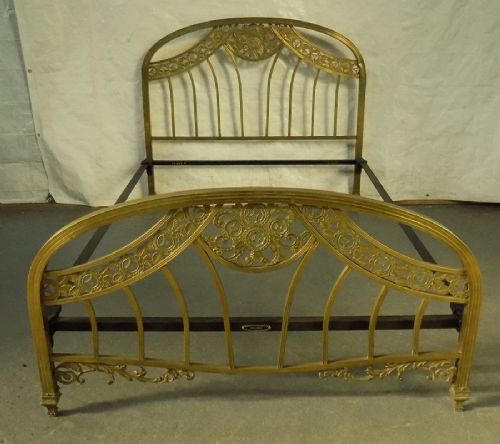
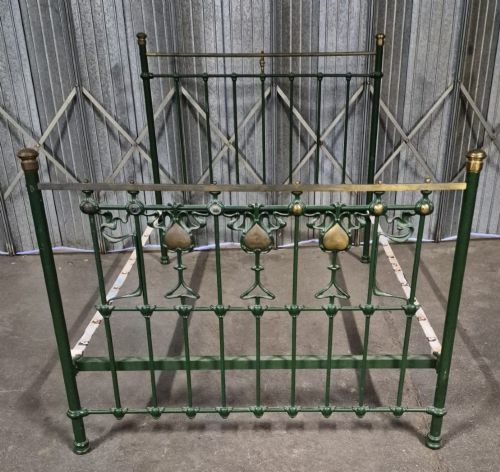
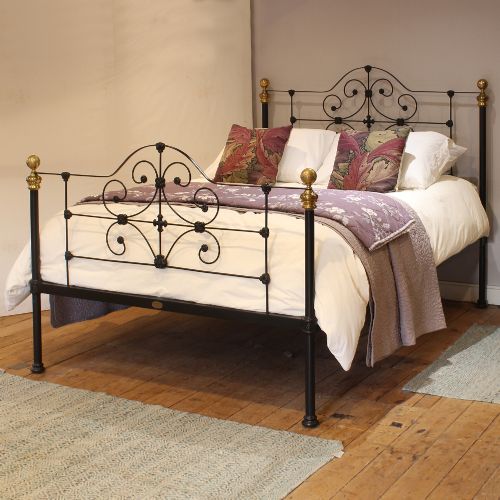
The selection ranges from simple all-iron constructions to ornate combinations of cast iron, wrought iron, and polished brass. Many examples incorporate specific regional or stylistic traits, such as French country designs, Celtic revival motifs, and Art Nouveau linework.
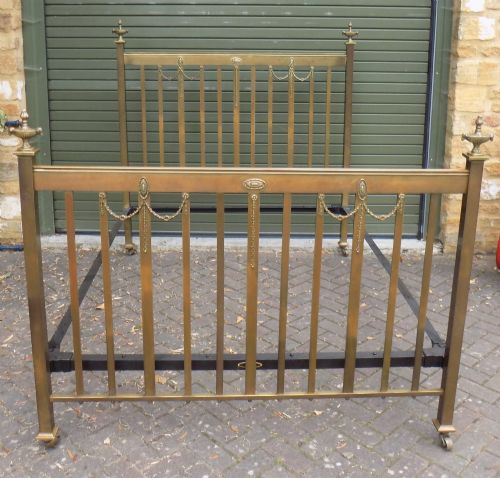
Forms vary from standard bedsteads and daybeds to specialised long double no-end frames and half tester structures. Buyers frequently find pieces equipped with original castors and slot-in frames designed for straightforward domestic assembly.
How they were made
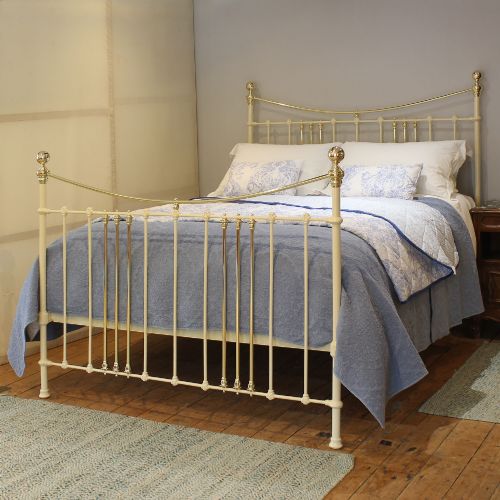
Makers utilised structural cast iron and wrought iron for the primary frames and load-bearing components, often pairing them with decorative brass accents, tubing, and finials. Nickel plating and applied toleware paint provided alternative surface finishes alongside traditional dark iron coatings.
Decorative detailing relied on intricate metal castings, applied ribbon reed motifs, and occasionally specialist embellishments such as mother of pearl insets or ceramic components. Frame joints were engineered to slot together securely, supported by side irons and heavy-duty castors.
Antique Iron Bed Frame Retail Price Guide 2026
Typical asking prices for iron bed frame among the pieces listed under this phrase on Sellingantiques today, from the lower quarter to the upper quarter. They describe what is for sale here now, not the wider market.
Form variations in the available inventory span standard bedsteads, daybeds, and specific no-end configurations designed without high footboards.
What varies in quality
The standard of a piece depends heavily on the crispness and complexity of the iron castings and the quality of the brass fittings. Finer examples display meticulous attention to detail in their decorative joinery, tapered posts, and ornamental brass or mother of pearl additions.
Structural integrity and originality dictate the standing of a frame, with untouched original surfaces and maker markings setting superior examples apart from standard production. The balance of proportion, whether in a curly iron Victorian design or an Edwardian dip rail model, governs the overall visual harmony.
Winfield
The Antique Iron Bed Frame Glossary
- Bedstead
- A framework of a bed designed to support a mattress and base. These metal structures often incorporate headboards, footboards, and side irons.
- Half Tester
- A bedstead featuring a partial canopy that extends only partway over the top of the bed. This style is frequently paired with brass and iron framing.
- Toleware
- Painted or lacquered metalware originating from European manufacturing traditions. It appears on specific nineteenth-century continental bed frames.
- Castor
- A small swivelling wheel attached to the base of the bed legs to aid movement. Many Victorian and Edwardian frames retain their original metal or ceramic castors.
- Dip Rail
- A horizontal top rail on a bed headboard or footboard that curves downward toward the centre. This configuration is typical of Edwardian bed frame designs.
Antique Iron Bed Frame: Frequently Asked Questions
How do I assemble an antique iron bed frame?
Most frames rely on a simple slot-in system where the side irons wedge directly into the corner brackets of the headboard and footboard. Tightening these joints properly ensures the whole structure remains square and rigid.
Modern mattress bases often sit on wooden slats or metal supports placed across the internal side rails. Checking the width between the side irons ensures standard modern mattresses fit the historic dimensions.
Can I use a modern mattress with these frames?
Standard mattress sizes generally correspond to nineteenth and twentieth-century proportions, though older double and king sizes can vary slightly from contemporary measurements. Checking the exact internal length and width between the rails prevents sizing issues.
Adding a suitable slatted base or a low-profile divan foundation provides the necessary support for modern foam or sprung mattresses. This approach protects the antique side irons from undue stress.
How do I clean and maintain brass and iron?
Regular dusting with a dry microfibre cloth prevents dirt accumulation on painted iron and polished brass surfaces. Avoiding abrasive chemical cleaners preserves the protective lacquers and original patinas built up over decades.
Brass components respond well to occasional gentle treatment with a dedicated metal polish if a brighter finish is desired. Unpainted iron surfaces benefit from light applications of microcrystalline wax to deter surface oxidation.
What is the difference between Victorian and Edwardian frames?
Victorian iron bed frames frequently showcase heavier proportions, elaborate castings, and ornate curly ironwork combined with polished brass details. Designs from this era lean toward exuberant ornamentation and distinct structural presence.
Edwardian pieces generally exhibit lighter, more restrained styling, such as dip rails and simpler geometric forms. Art Nouveau influences also emerge in Edwardian frames through fluid floral motifs and nickel-plated finishes.