

Antique Metal Headboard
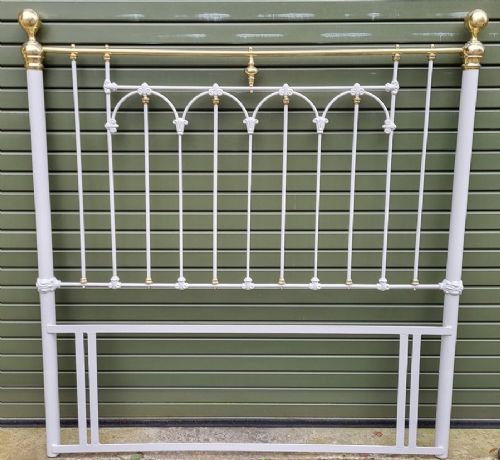
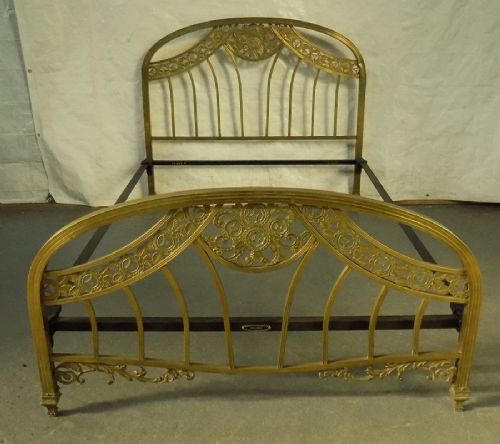
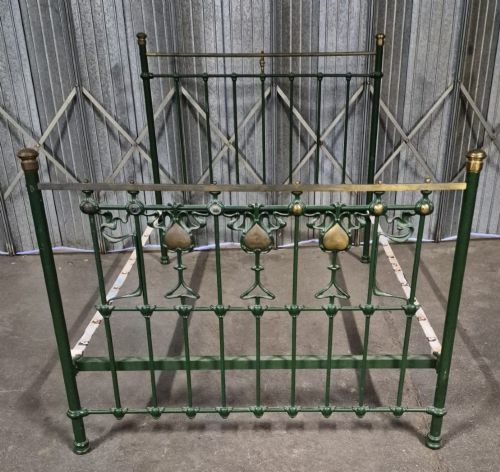
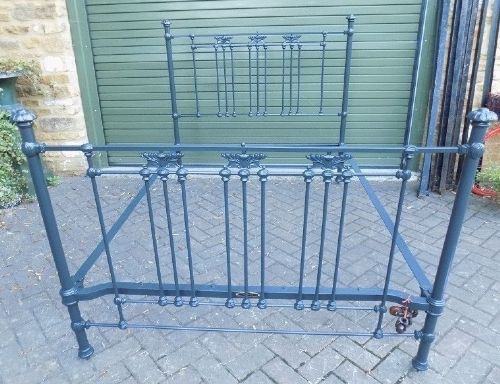
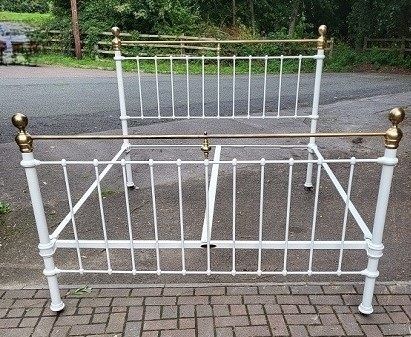
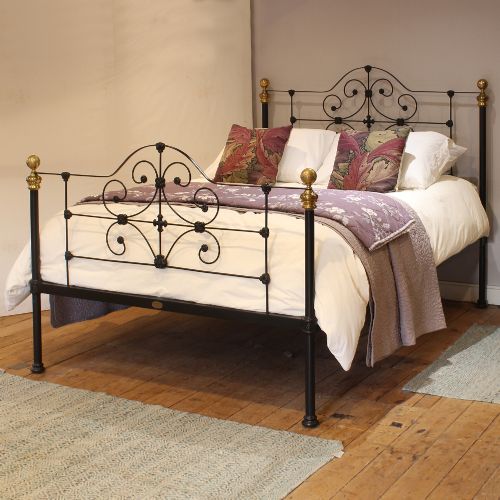
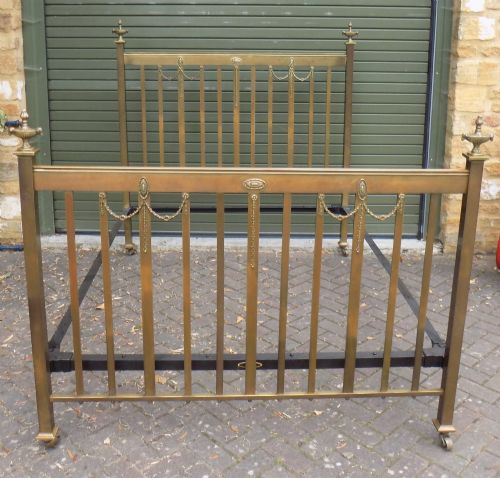
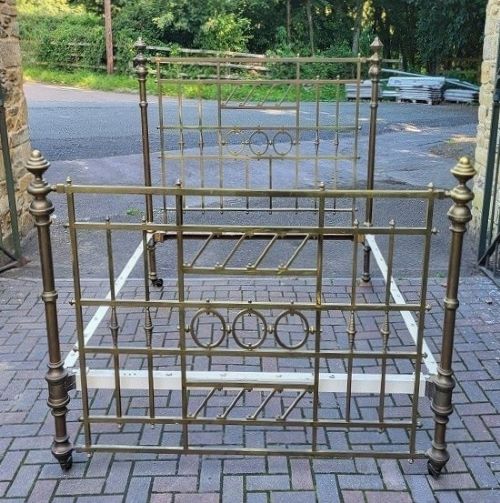
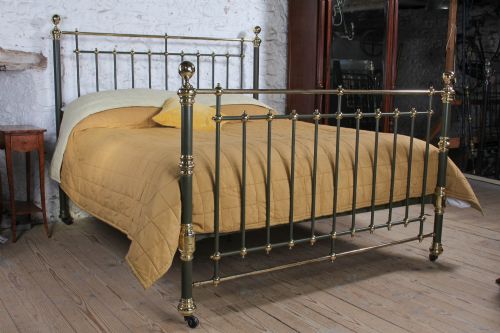
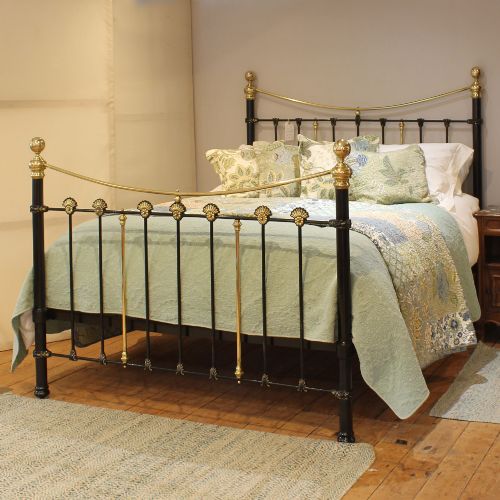
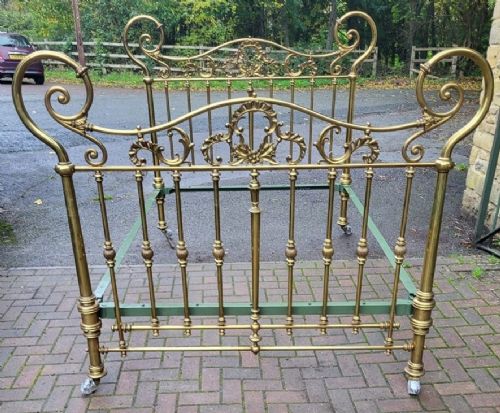
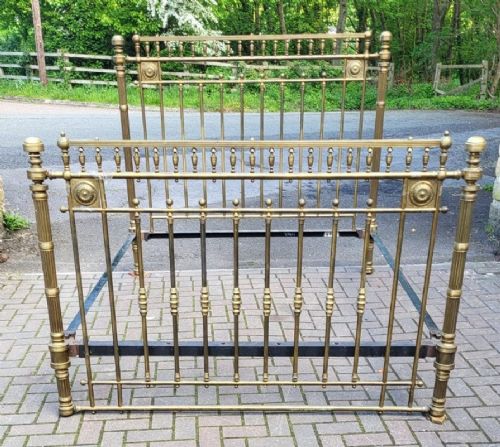
An antique metal headboard brings substantial weight and period character to a bedroom, combining sturdy cast and wrought iron with gleaming brass framework.
Antique Metal Headboard
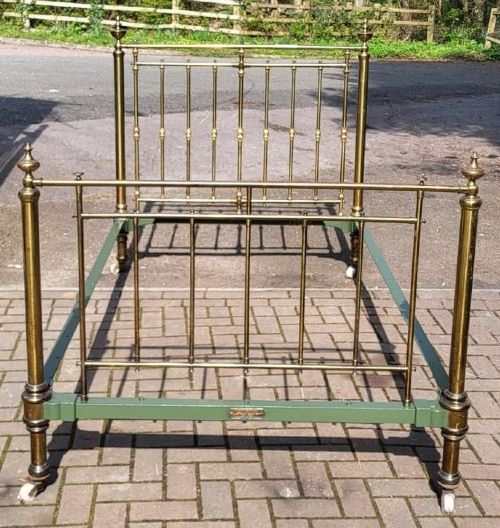
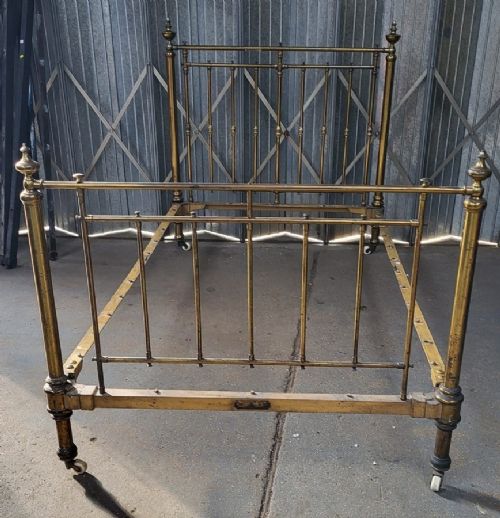
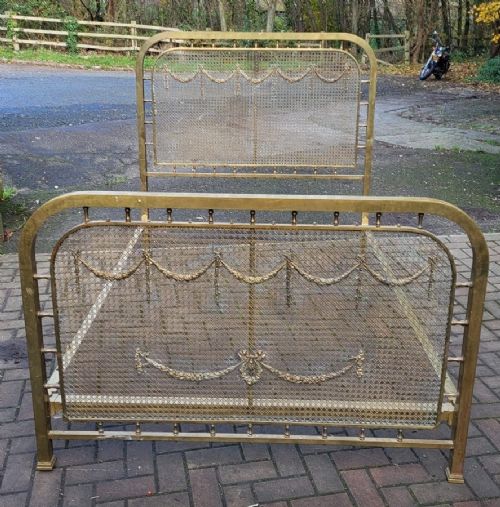
When you search for an antique metal headboard, you are looking at architectural bed frames and bedstead components originating primarily from the Victorian and Edwardian eras. These pieces range from simple utilitarian iron frames to exhibition-quality brass half tester structures adorned with intricate castings.
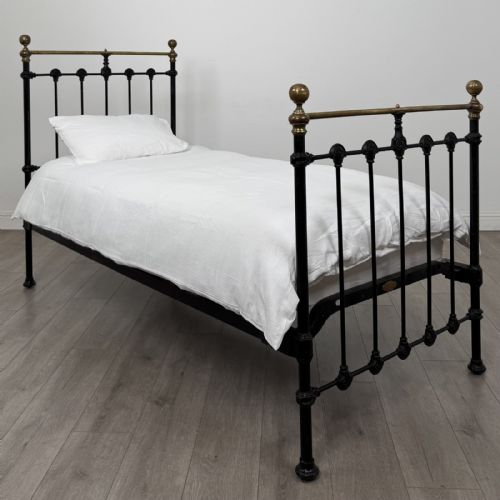
The most common examples encountered on this page date from the late nineteenth century, spanning various sizes from single and small double up to king and super king dimensions. Many incorporate a combination of heavy iron foot and head structures paired with decorative brass tubing or ceramic castors.
Regional variations such as Irish and Celtic designs appear alongside French provincial and Gothic Revival styles, demonstrating the diverse aesthetic preferences of the nineteenth and early twentieth centuries.
Materials and construction
Construction relies heavily on durable combinations of cast iron, wrought iron, and brass, often assembled with slot-in frames and secured via heavy bolts. Foundries utilised nickel plating and applied paints to finish ironwork, whilst brass components were frequently polished or lacquered to maintain lustre.
Specialised makers incorporated tapered posts, curved dip rails, and ornate metal castings into the head and foot frameworks. These structural elements provided the rigidity necessary to support large sleeping platforms whilst allowing for elaborate decorative detailing.
Antique Metal Headboard Retail Price Guide 2026
Typical asking prices for metal headboard among the pieces listed under this phrase on Sellingantiques today, from the lower quarter to the upper quarter. They describe what is for sale here now, not the wider market.
Assessing quality and craftsmanship
Quality in these metal frames rests on the weight of the castings, the crispness of decorative motifs, and the structural integrity of the joints. Finer examples feature exhibition-quality brasswork with deeply chased details and heavy-gauge tubing that resists flexing.
Makers known for exceptional production utilised robust iron frames combined with solid brass mounts rather than thin plated alternatives. The integration of original castors, maker stamps, and well-balanced proportions distinguishes superior workshops from standard commercial output.
Maple & Co·Hoskins & Sewell·RW Winfield·James Shoolbread & Co
The Antique Metal Headboard Glossary
- Bedstead
- A framework of a bed supporting the mattress and springs. In older furniture, this typically includes both the head and foot boards connected by side rails.
- Half tester
- A canopy that extends only part of the way over the head of a bed. This style is frequently supported by ornate brass pillars attached to the main frame.
- Dip rail
- A top rail on a bed frame that curves downwards towards the centre. Edwardian and Victorian designs often utilised this contour for a softer visual silhouette.
- Nickel plating
- A protective and decorative coating applied to iron or steel components. This technique imparted a bright, silver-like finish popular in the early twentieth century.
- Gothic Revival
- An architectural and decorative style drawing inspiration from medieval forms. Pieces bearing this influence display pointed arches, trefoils, and ecclesiastical motifs.
Antique Metal Headboard: Frequently Asked Questions
How do I measure for a modern mattress?
Older bed frames often differ slightly from standard modern sizing due to historical manufacturing standards. Measuring the internal width and length between the side rails ensures proper compatibility.
Custom mattress makers or slat adjustments can accommodate minor discrepancies in antique dimensions while preserving the original framework.
Are these frames easy to assemble?
Most antique metal frameworks utilise a wedge-and-socket slot-in system or heavy iron bolts. This modular construction allows the headboard, footboard, and side rails to separate easily for transport.
Assembly typically requires basic hand tools to tighten bolts, ensuring the entire structure remains square and stable on the floor.
How should I clean brass and iron?
Painted iron surfaces benefit from gentle dusting and occasional wiping with a damp cloth to preserve the finish. Avoid abrasive scouring pads that might damage original coatings.
Brass elements can be polished with mild proprietary metal cleaners if a bright shine is desired, though many collectors prefer leaving a natural aged patina.
How do I date an antique bedstead?
Dating relies on stylistic clues, manufacturing techniques, and occasional maker marks stamped into the iron or brass. Victorian examples often feature heavy ornamentation, whilst Edwardian pieces lean towards simpler dip rails.
The presence of ceramic castors and specific metal finishes also helps narrow the period of manufacture.