


Low Footboard Iron Bed
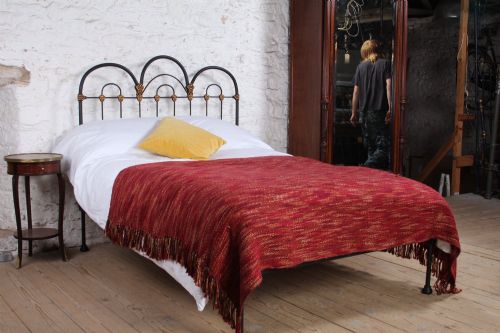
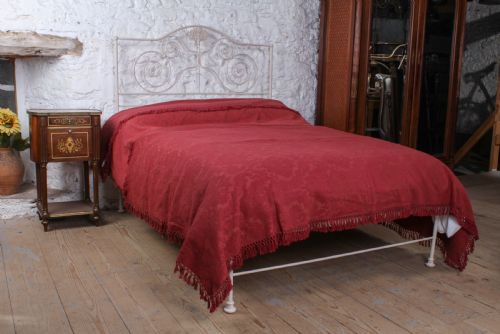
A low footboard iron bed offers generous king and super king proportions combined with open framework that suits contemporary bedrooms.
What a low footboard iron bed is
A low footboard iron bed provides a spacious sleeping surface without the visual bulk of traditional high footends at the base. These pieces appear in king and super king sizes, giving substantial room whilst maintaining an open footprint in the bedroom.
Most examples date from the opening decades of the twentieth century, specifically around nineteen hundred and nineteen ten. They originate primarily from Irish workshops alongside Victorian British production.
The format is almost exclusively described as a no end bed, meaning the footboard sits low or level with the mattress base. This design choice suits modern interiors where floor space and sightlines remain paramount.
Materials and construction
Construction relies on cast iron and wrought iron frameworks, frequently enhanced with brass components and detailed forged iron elements. Metal rods and panels are joined to form rigid bed frames capable of supporting large mattress sizes.
Decoration includes ribbon reed detailing, classic shaping, and panel configurations integrated directly into the metalwork. Brass mounts and finials provide contrast against the darker iron structures.
Retail Price Guide 2026
Typical UK retail prices for low footboard iron bed, calculated from the Sellingantiques database of over a million retail prices indexed since 2003. This retail price guide relies exclusively on Sellingantiques data; no external sources or auction records are used, so the figures do not describe the wider market.
Irish workshops clearly loved a lie-in, producing nearly all these king-sized no-end frames.
What separates the fine examples
Quality rests upon the refinement of the shaping and the complexity of the ironwork rather than mere size. Finer pieces display careful attention to ribbon reed moulding and balanced proportions between the iron frame and brass accents.
Simpler forged iron versions rely on clean lines and straightforward structural integrity, whereas higher tier pieces incorporate sophisticated panel work and decorative casting that elevates the entire bed frame.
The Low Footboard Iron Bed Glossary
- No end bed
- A bed frame featuring a low or absent footboard, allowing an unobstructed view across the mattress. This configuration is typical of the king and super king iron beds found here.
- Ribbon reed
- A decorative moulding technique applied to metal frames, creating parallel raised bands resembling ribbon work. It appears on finer Victorian and Edwardian ironwork.
- Cast iron
- Molten iron poured into a mould to create rigid structural or decorative components. It forms the primary chassis for these large bed frames.
- Forged iron
- Metal shaped through heating and hammering by hand or machine, producing strong, simple structural members. This technique yields cleaner, more utilitarian lines than cast elements.
Frequently Asked Questions
How do I choose the right size?
Check your bedroom dimensions to ensure sufficient clearance around the king or super king frame.
Consider the low footboard height if you prefer an open aesthetic at the foot of the bed.
Are these beds heavy?
Cast and wrought iron construction results in substantial weight, requiring careful placement.
Most pieces dismantle into headboards, foot frameworks, and side rails for easier transport.
What mattresses fit these frames?
Standard king and super king mattresses generally fit these antique metal frameworks.
Ensure modern slatted bases or supportive foundations are used within the original side rails.
How do I care for iron furniture?
Dust regularly with a dry cloth and avoid harsh chemical cleaners on brass and iron surfaces.
Inspect joints periodically to ensure structural stability remains firm.