

Victorian Metal Bed
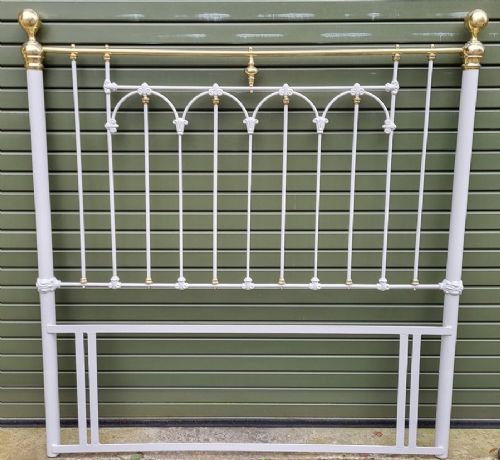
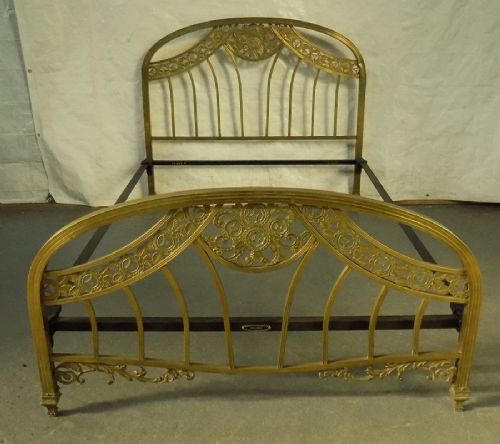
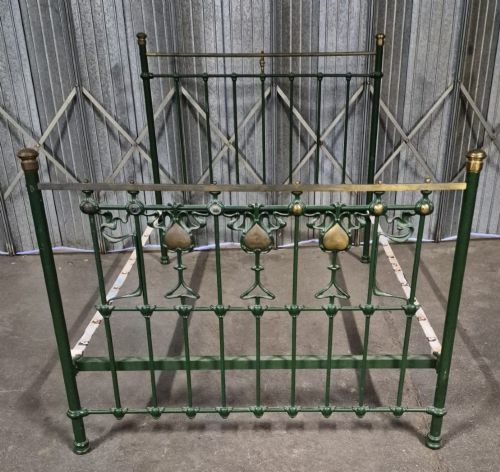
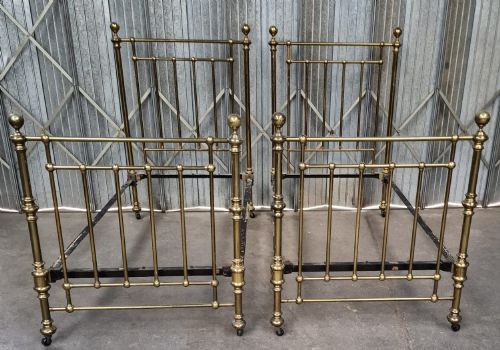
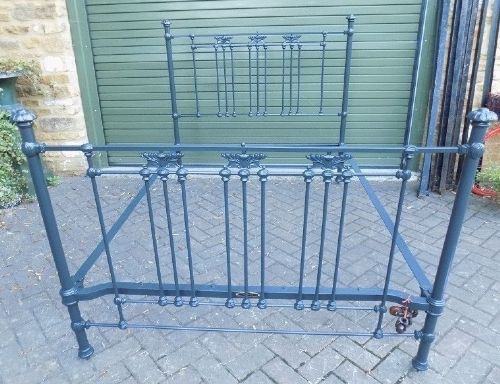
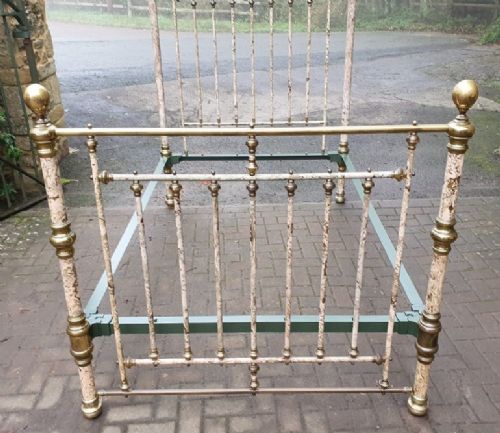
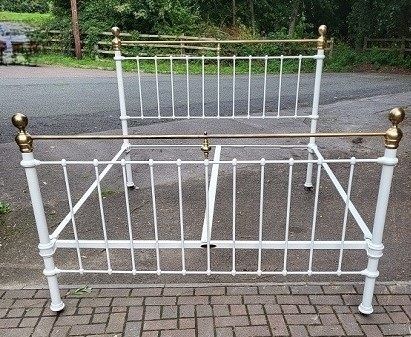
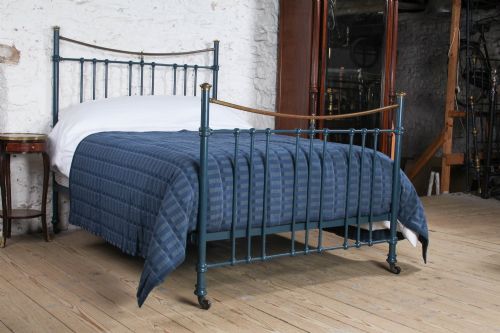
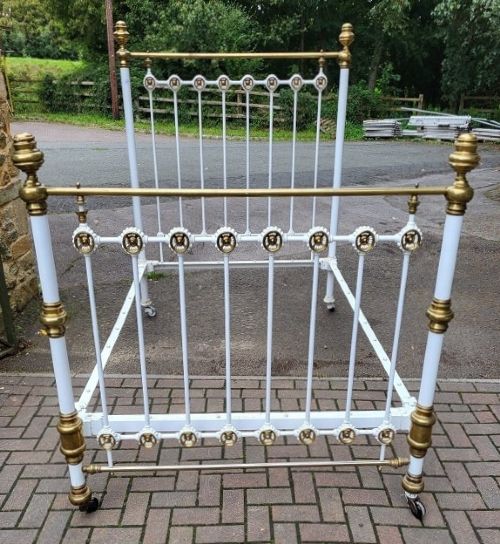
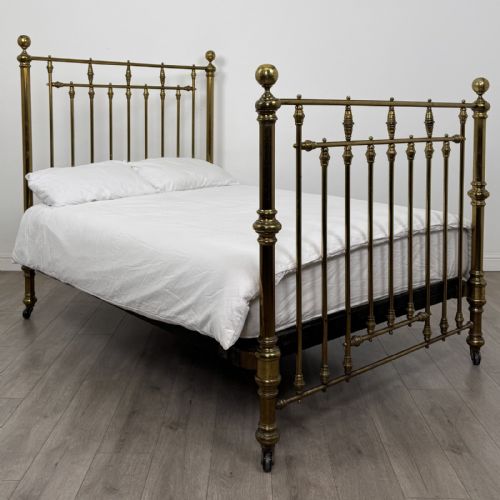
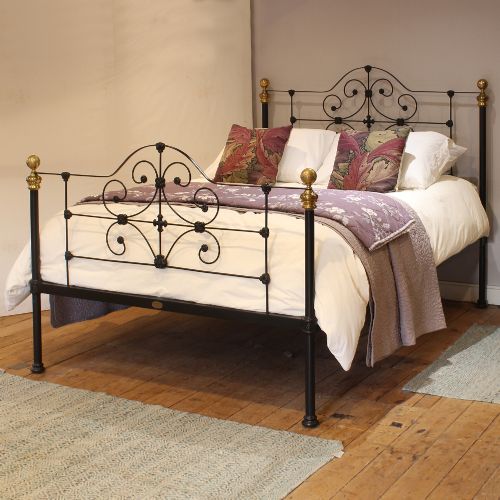
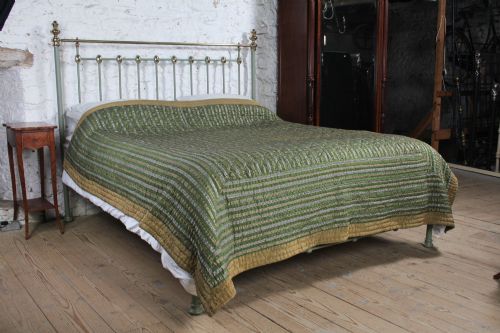
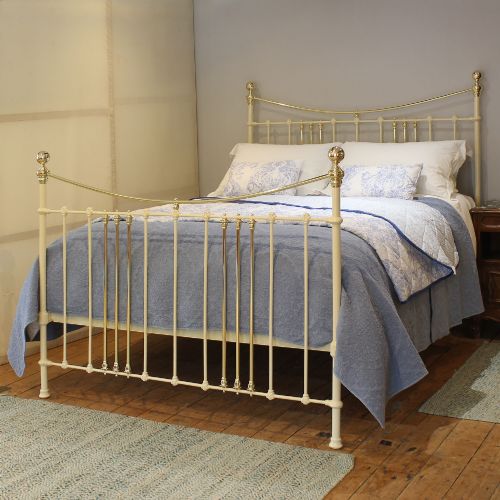
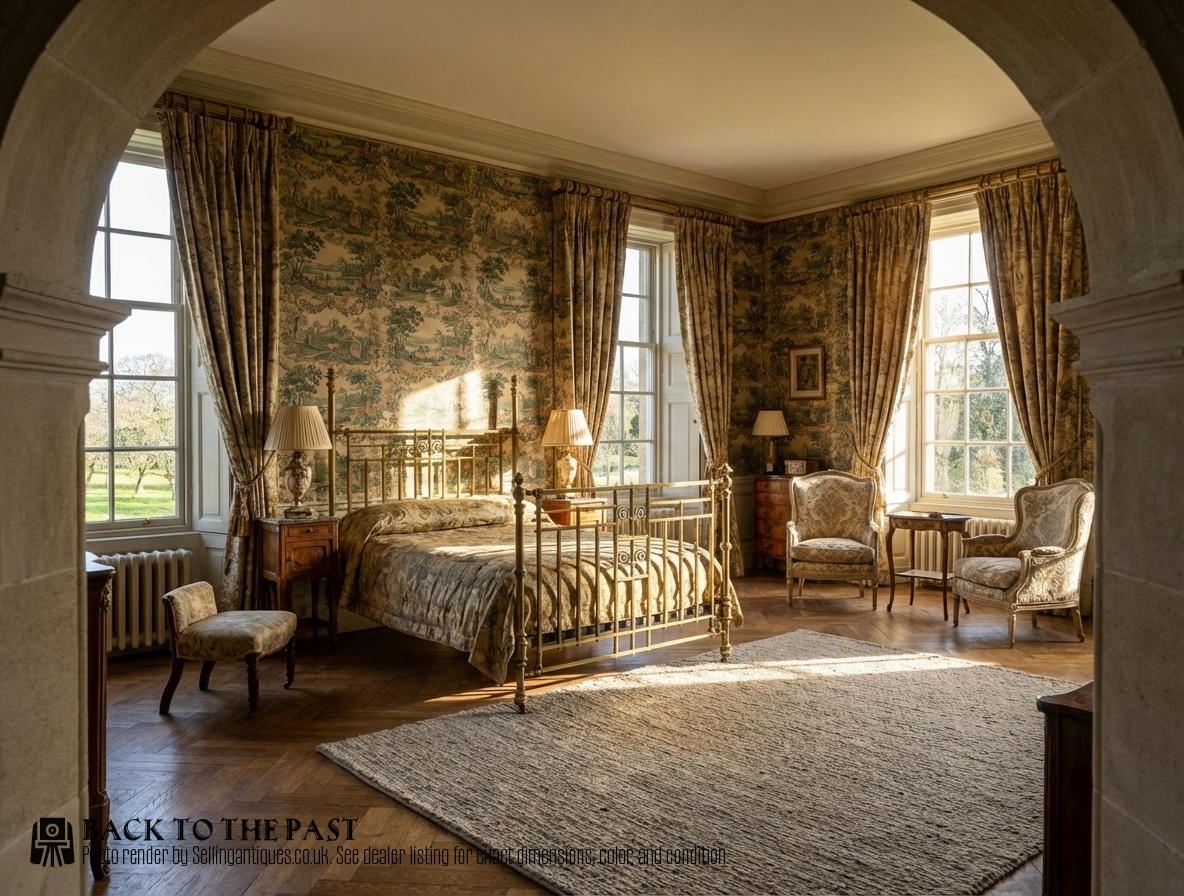
These robust victorian metal bed examples combine sturdy iron framework with gleaming brass work, offering lasting durability and classic sleeping proportions for the home.
Victorian Metal Bed
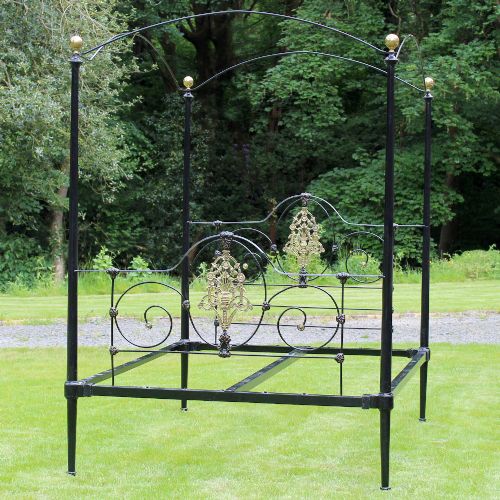
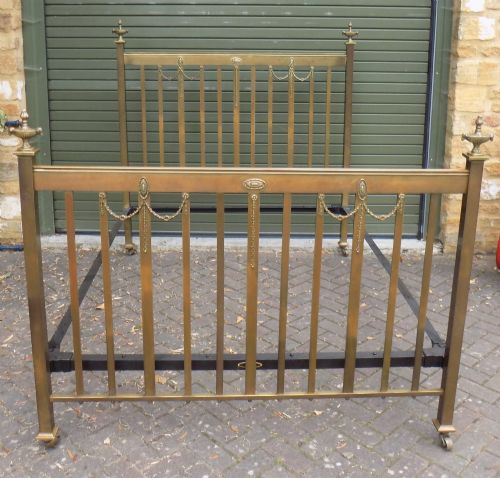
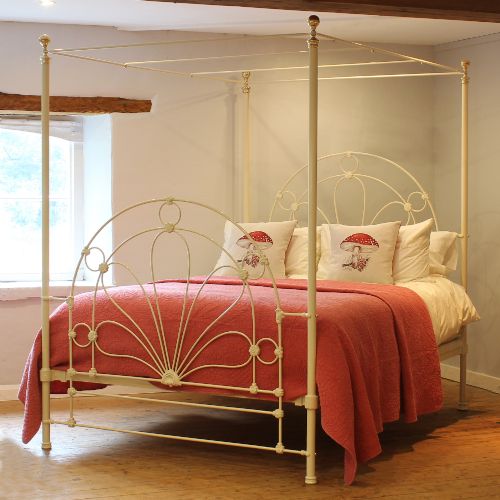
When searching for a victorian metal bed, buyers encounter a range of sturdy frames including double, king size, single, and daybed formats designed for daily sleeping. The selection frequently includes combined brass and iron bedsteads featuring decorative castings, half tester tester canopies, and curly scrollwork.
Many examples stem from the nineteenth century, spanning periods from eighteen sixty through to nineteen ten, incorporating styles such as French Provincial, Gothic Revival, and Celtic designs. Frameworks range from simple utilitarian single models to exhibition quality super king sizes adorned with detailed metalwork and original castors.
Assessing Quality and Craftsmanship
Quality in these pieces depends heavily on the crispness of the decorative castings and the robustness of the structural joints rather than simple age alone. Exhibition quality pieces distinguish themselves through heavier metal gauges, sophisticated brass detailing, and sophisticated stylistic touches like tapered posts or half tester canopies.
The integrity of the original slot-in frames, retention of maker stamps, and the preservation of original paint or polished brass surfaces separate ordinary functional frames from superior examples produced by notable manufacturers.
Victorian Metal Bed Retail Price Guide 2026
Typical asking prices for victorian metal bed among the pieces listed under this phrase on Sellingantiques today, from the lower quarter to the upper quarter. They describe what is for sale here now, not the wider market.
Maple And Co·Hoskins And Sewell·Winfield
The Victorian Metal Bed Glossary
- Half Tester Bedstead
- A bed frame featuring a partial canopy extending only partway over the head of the bed, often supported by decorative brass or iron posts.
- Daybed
- A versatile piece of furniture functioning as a sofa by day and a bed by night, frequently constructed in iron or wrought iron for garden or interior use.
- Castings
- Decorative metal ornaments poured into moulds and attached to the bed frame, commonly featuring floral or geometric motifs in brass or iron.
- Dip Rail
- A bed end rail that curves downward in the centre, creating a distinctive silhouette characteristic of certain Edwardian and Victorian iron bed designs.
- Bedstead
- The complete framework of a bed, including the headboard, footboard, and side rails, constructed here from durable metal alloys.
Victorian Metal Bed: Frequently Asked Questions
How do I fit a modern mattress?
Many Victorian frames were built to older sizing standards that differ slightly from modern metric dimensions. Careful measurement of the inner slot-in iron frame is essential before selecting a mattress.
Adapting slats or using a custom base allows standard mattresses to rest securely within these historic iron and brass structures without damaging the original side rails.
Are these beds easy to assemble?
Most metal bedsteads utilise a simple slot-in frame design where the side rails wedge directly into the headboard and footboard sockets. This clever engineering allows the entire structure to dismantle completely for transport.
Assembly requires no complex tools, though having two people helps safely manage the heavy cast iron and brass components during construction.
How should I clean the brass?
Polished brass components benefit from gentle dusting with a soft cloth to prevent the accumulation of airborne grime. Avoid harsh chemical polishes that can strip aged patinas or damage surrounding ironwork.
Preserving the natural lustre requires only mild soapy water on a damp cloth, followed immediately by thorough drying to prevent tarnishing.
Can iron beds be repainted?
Original painted finishes contribute significantly to the historic character and value of antique iron frames. Collectors generally prefer preserving the authentic surface wear where possible.
If restoration is necessary due to rust or flaking, professional cleaning and careful colour-matching ensure the piece retains its nineteenth-century aesthetic integrity.