

Painted Iron Bedstead
These painted iron bedstead examples combine structural metalwork with decorative finish, offering sturdy utility and distinct period character for any bedroom.
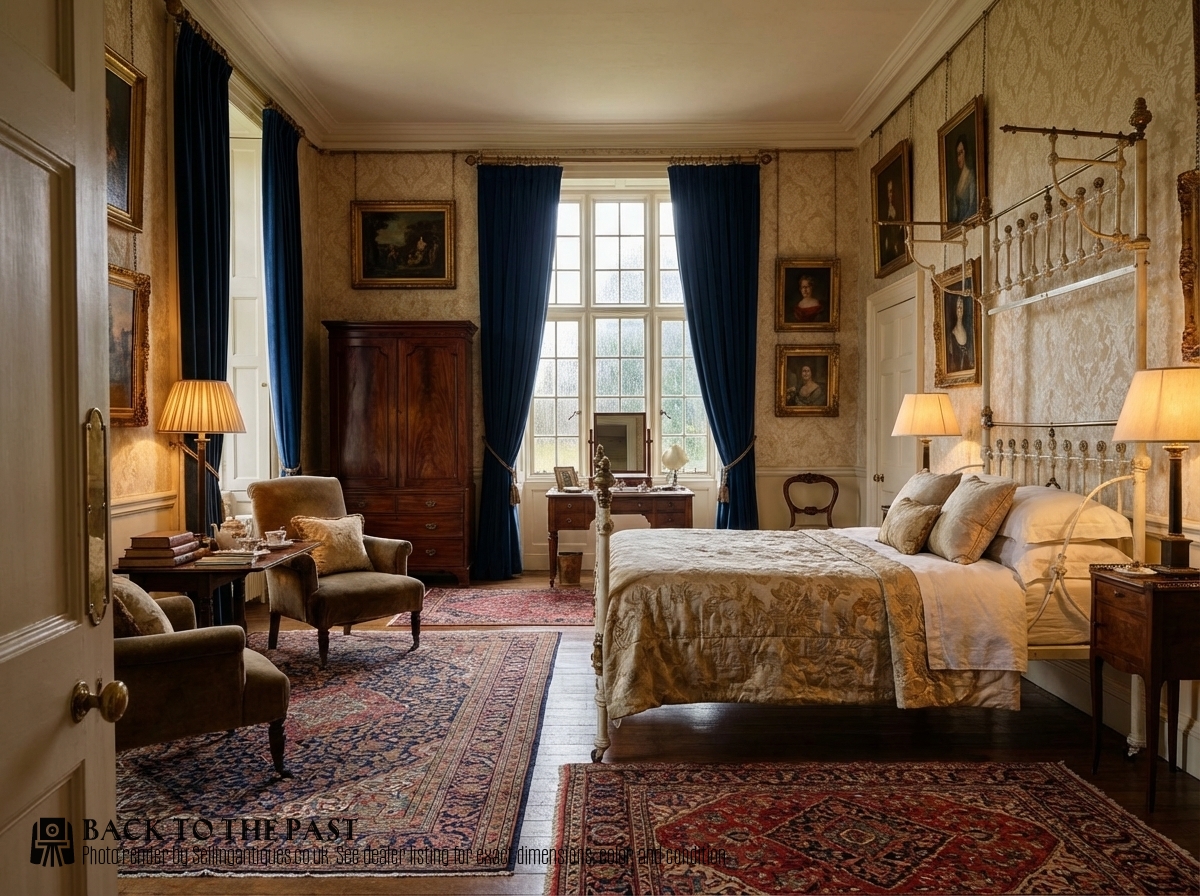
Painted Iron Bedstead
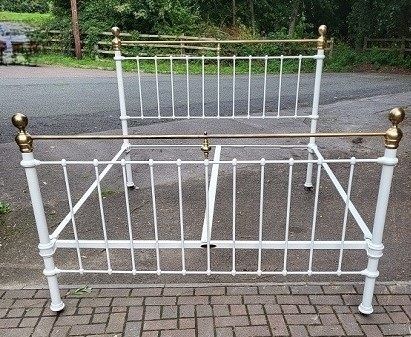
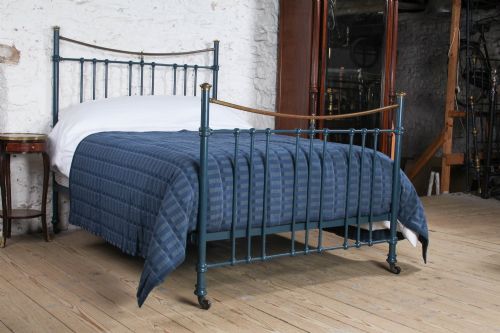
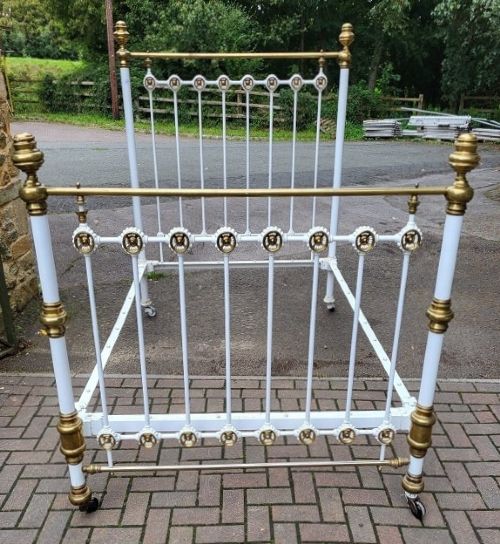
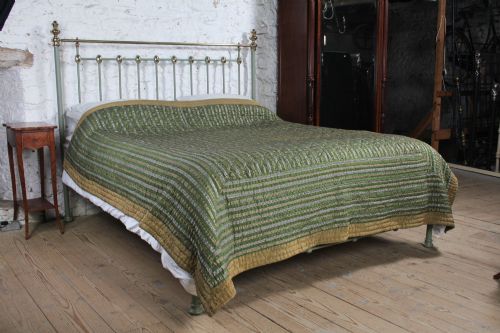
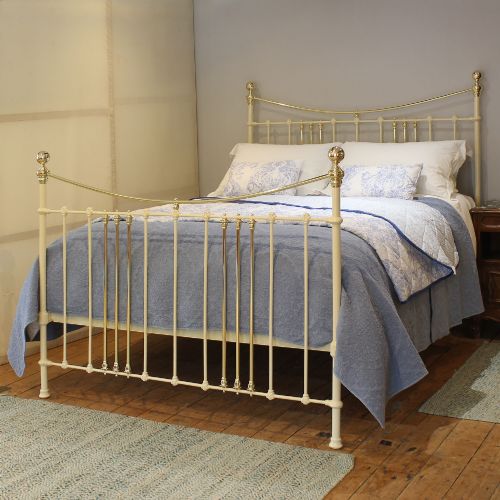
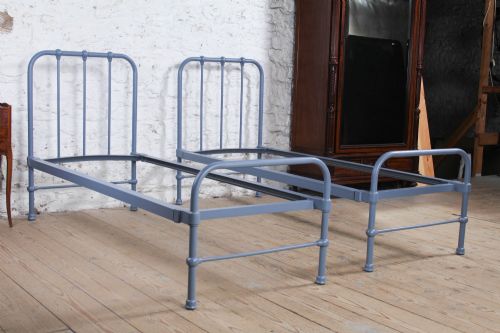
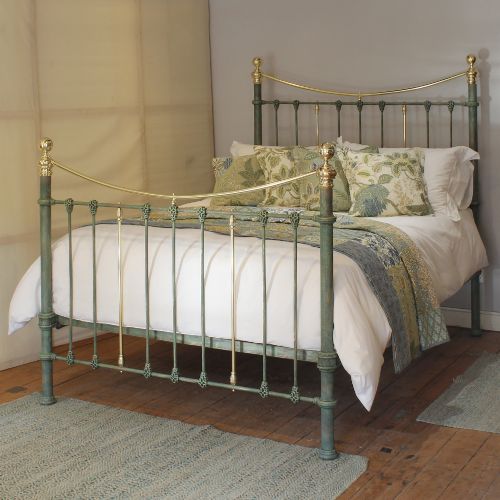
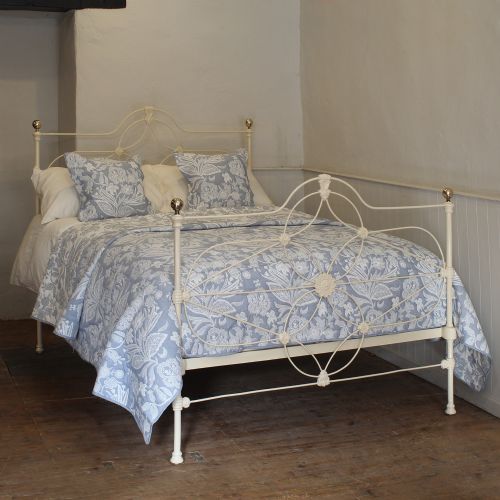
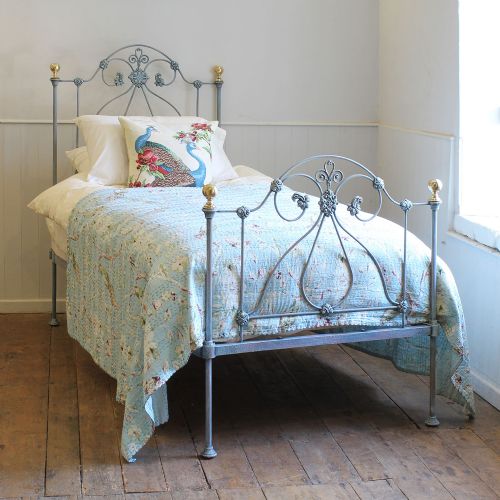
When you search for a painted iron bedstead, you encounter substantial sleeping frames originating primarily from the Victorian era and the surrounding decades of the nineteenth and early twentieth centuries. These pieces appear in forms ranging from single and small double sizes to king and super king dimensions, often featuring classic straight rails or ornate shaping.
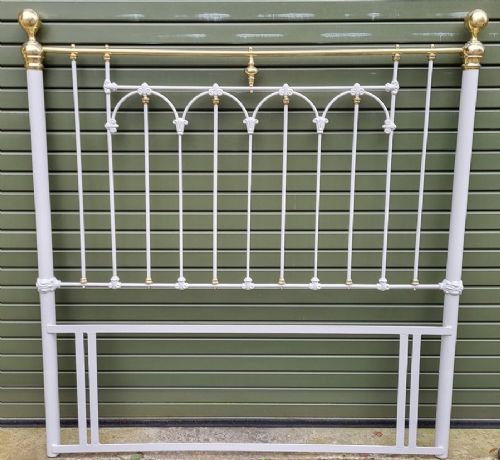
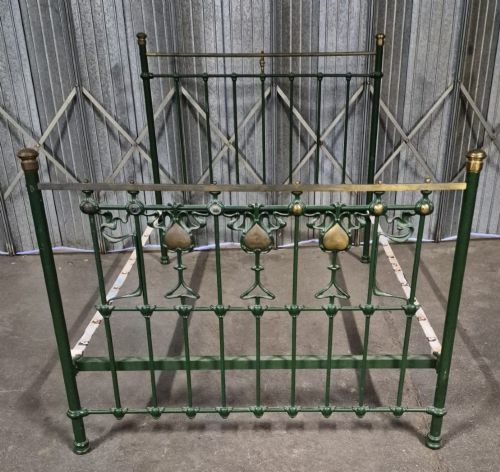
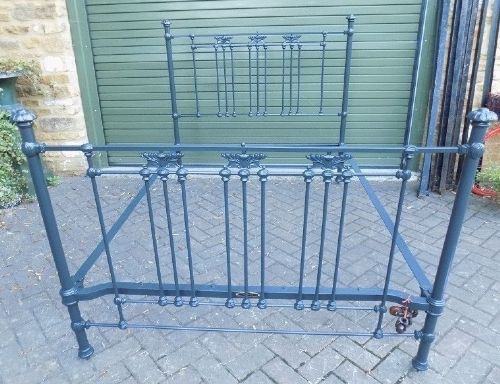
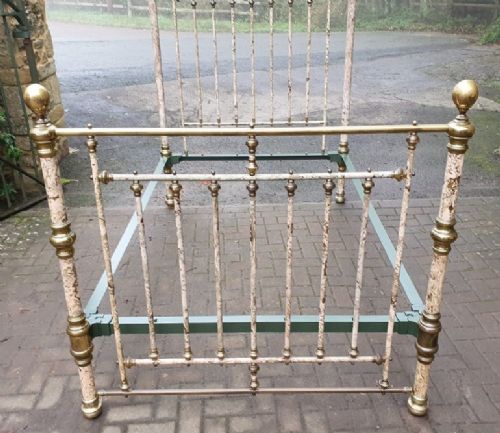
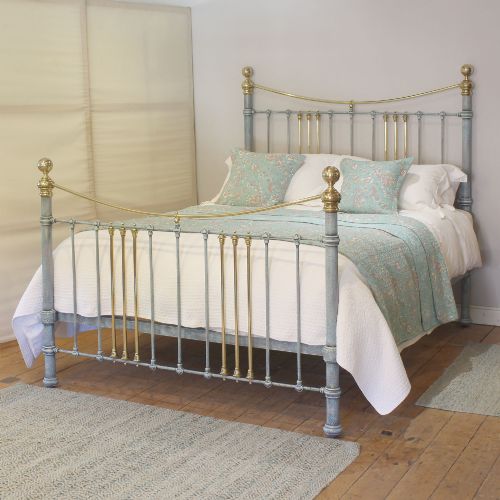
The version you are most likely to meet on this page is a Victorian or nineteen-hundreds double or king size frame that combines iron components with brass details, finished in cream, ivory, green, white, or black paint. Regional variations also surface, including Irish, Portuguese, French, Italian, and Austrian examples displaying distinctive local styling such as toleware or Celtic revival motifs.
How They Were Made
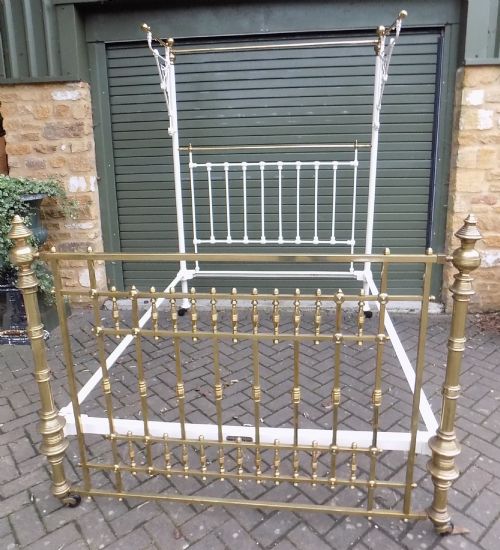
The construction of these frames relies heavily on cast iron, wrought iron, and forged iron, supplemented by sheet metal and brass elements to create robust structures. Metal components are joined to form headboards, footboards, and side rails, providing the necessary strength for daily use.
Surface finishing involves layers of paint, often applied to iron and metal substrates, sometimes paired with polished or aged brass ornamentation. Particular examples incorporate toleware painting techniques on metal surfaces to achieve decorative colour and pattern.
Painted Iron Bedstead Retail Price Guide 2026
Typical asking prices for painted iron bedstead among the pieces listed under this phrase on Sellingantiques today, from the lower quarter to the upper quarter. They describe what is for sale here now, not the wider market.
Several beds include options to be joined as pairs, proving that even heavy ironwork can harbour romantic matchmaking intentions.
What Varies in Quality
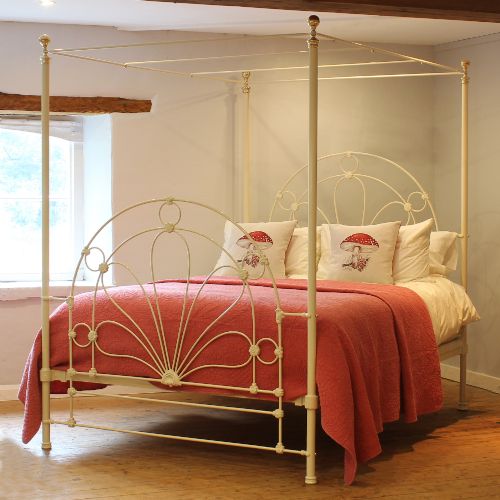
The distinction between standard examples and the finest pieces lies in the complexity of the ironwork and the refinement of the decorative detailing. Superior frames display crisper casting, more ambitious shaping such as curly rails or half tester canopies, and sophisticated brass embellishments.
Originality of the painted surface and the integrity of the metal structure heavily influence the calibre of a bedstead. Pieces retaining their early paint finishes alongside well-preserved brass details represent the higher end of the surviving range.
R W Winfield·Heals
The Painted Iron Bedstead Glossary
- Cast iron
- Iron poured into a mould to create rigid structural or decorative components. It forms the heavy framework of many period beds.
- Toleware
- Painted or lacquered metalware, often featuring floral or pastoral motifs. Austrian and Italian examples frequently utilise this decorative finish.
- Half tester
- A bedstead featuring a partial canopy extending over the head of the bed. This style adds architectural presence to Victorian double frames.
- Brass detail
- Polished metal ornamentation fitted to iron frames. It provides a bright contrast to the dark or painted iron body.
Painted Iron Bedstead: Frequently Asked Questions
Will a standard mattress fit a period bedstead?
Many nineteenth-century and early twentieth-century frames were built to dimensions that closely mirror modern standard sizes, though older Irish, French, or Portuguese pieces can vary slightly in width and length.
Buyers should carefully check the internal measurements of the side rails and platform before sourcing a mattress to ensure a proper and secure fit.
How do I assemble an iron bed frame?
These bedsteads typically utilise a simple wedge or slot locking system where the side rails drop directly into sockets on the headboard and footboard posts. Tightening the joints securely ensures the entire frame squares up properly.
Once the side rails are locked in place, cross slats or a modern slatted base drop across the span to support the mattress without requiring complex tools.
Can these beds be taken apart easily for moving?
The traditional knock-down construction of iron and brass beds allows them to dismantle into distinct components, specifically the headboard, footboard, and two side rails. This modular design makes transporting and manoeuvring them through tight stairwells manageable.
Keeping the original wedge fixings or bolts together with their respective sections prevents misplacement during house moves or room reconfigurations.
How do I care for the painted finish?
Maintenance requires only gentle dusting with a soft, dry cloth to prevent the accumulation of grit on the painted iron surfaces. Avoiding harsh chemical cleaners preserves the integrity of the original or early paint layers.
Brass details benefit from occasional light cleaning with an appropriate metal polish, taking care to shield the surrounding painted iron from stray paste.