


Cast Iron Double Bed
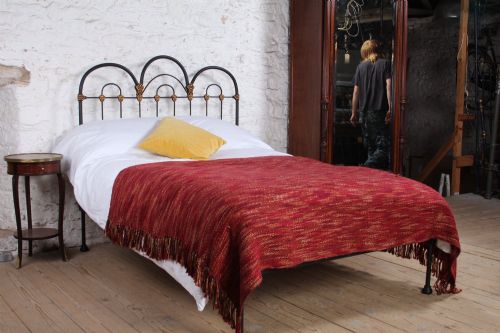
These cast iron double bed frames offer sturdy sleeping quarters with robust metal construction and decorative Victorian charm.
What a cast iron double bed is
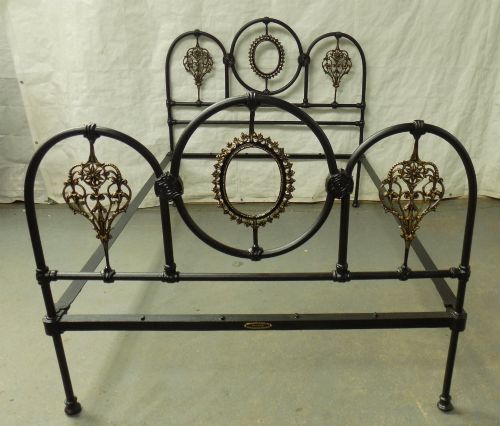
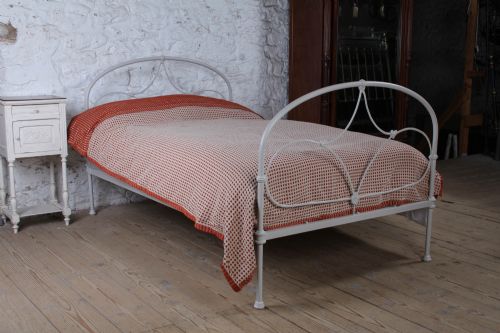
A cast iron double bed provides a standard two-person sleeping frame built primarily from durable metal components. These pieces date predominantly from the Victorian era through the early twentieth century, spanning standard double dimensions and occasional variations like small double or king size.
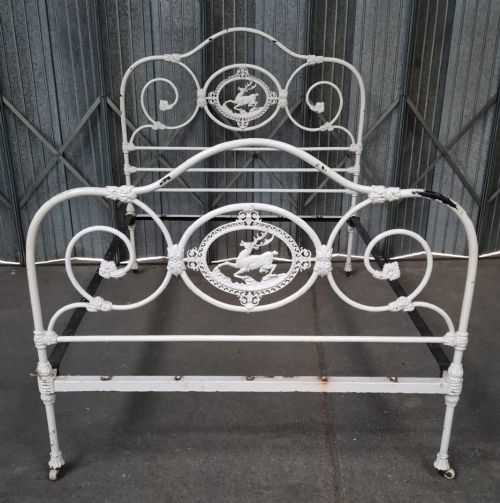
Bedsteads frequently feature iron sides and sit on original castors for mobility. The overall form balances industrial utility with ornate nineteenth century aesthetic details.
Materials and construction
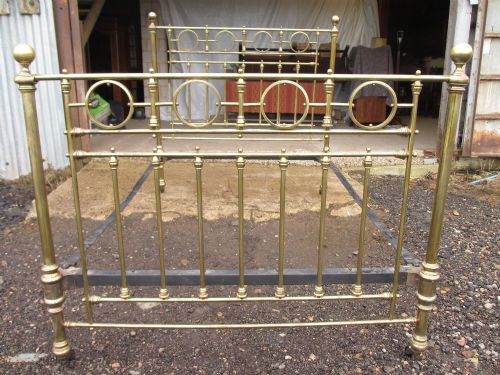
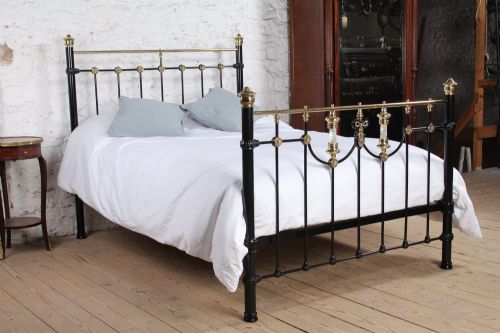
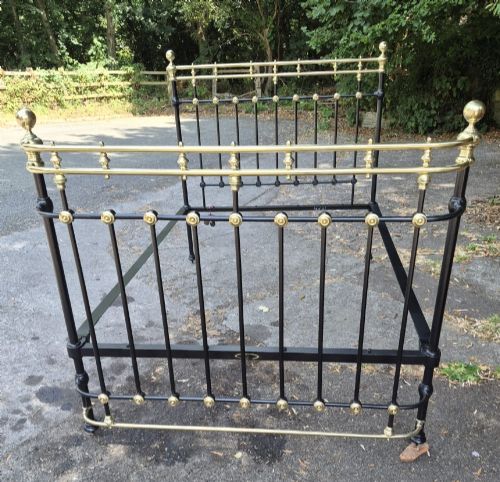
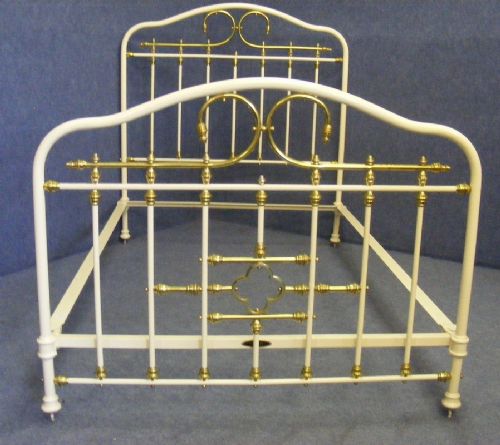
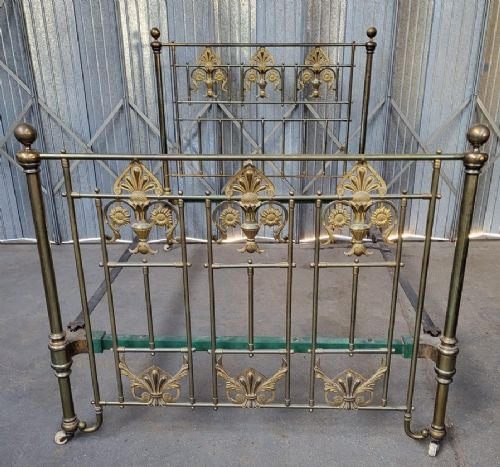
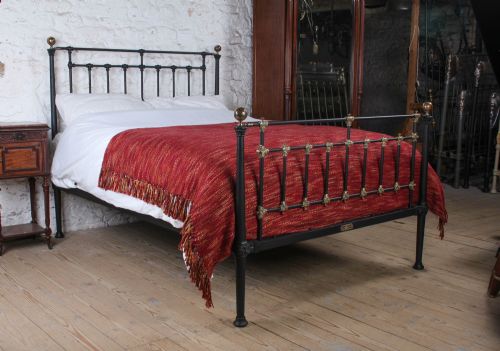
Foundries produced the primary structural components using cast iron, shaping molten metal into rigid frames and decorative motifs. Workers often paired this dark metal with bright brass rails, vases, and finials to create a contrasting two-tone appearance.
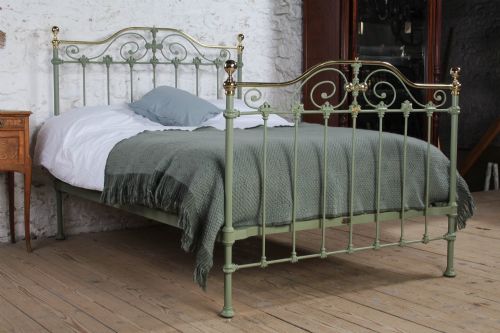
Surfaces received protective and decorative treatments including original paint effects, black finishes, and painted metal coatings. Certain items incorporated delicate embellishments like mother of pearl inset into the metalwork.
Retail Price Guide 2026
Typical UK retail prices for cast iron double bed, calculated from the Sellingantiques database of over a million retail prices indexed since 2003. This retail price guide relies exclusively on Sellingantiques data; no external sources or auction records are used, so the figures do not describe the wider market.
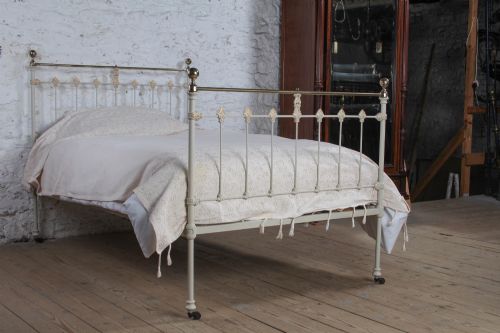
Several Victorian frames arrive set on original castors, ready to roll smoothly across the bedroom floor.
Factors influencing quality
The refinement of the casting work distinguishes standard frames from superior examples. Intricate mouldings, crisp botanical or Celtic motifs, and substantial brass mounts indicate higher standards of nineteenth century foundry production.
The survival of original surface treatments, such as untouched paint effects or polished brass elements, impacts the character of a piece. Structural integrity, including sound iron sides and functioning original castors, marks the better preserved survivals.
The Cast Iron Double Bed Glossary
- Cast iron
- A strong, hard iron alloy poured into moulds to create intricate bedstead components. It forms the heavy structural core of these frames.
- Wrought iron
- Tough, malleable iron beaten or bent into shape by hand, often used alongside cast components in bed construction.
- Brass
- A yellow alloy of copper and zinc utilised for decorative rails, finials, and vase ornaments on Victorian bedheads.
- Castor
- A small wheel mounted on a swivel attached to the bottom of the bed legs to allow easy movement across floors.
Frequently Asked Questions
Will a standard modern mattress fit these beds?
Most historical double frames measure around four feet six inches wide, corresponding to standard double proportions. However, variations occur in older handmade frames.
Buyers should measure the internal rails carefully before purchasing a modern mattress to ensure a proper fit.
How do I care for painted iron and brass?
Dust the metal regularly with a soft, dry cloth to prevent the accumulation of dirt. Avoid harsh chemical cleaners that can strip original paint.
Brass components can be polished gently with a suitable metal cleaner if you prefer a bright finish, or left with an aged patina.
Are these beds difficult to assemble?
Most antique metal bedsteads utilise a simple wedge or slot joint system on the side rails. This design allows the headboard, footboard, and sides to lock together securely without complex tools.
Having two people makes alignment and assembly much simpler during setup.
How can I date a Victorian iron bed?
Dating relies on stylistic clues, construction methods, and materials recorded in the design. Victorian examples often feature distinct brass ornamentation and heavier cast components.
Later pieces from the early twentieth century show subtle shifts in decorative motifs and manufacturing techniques.