

Victorian Iron Bed Frame
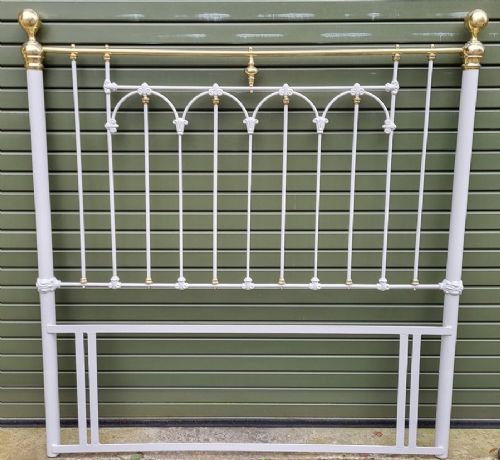
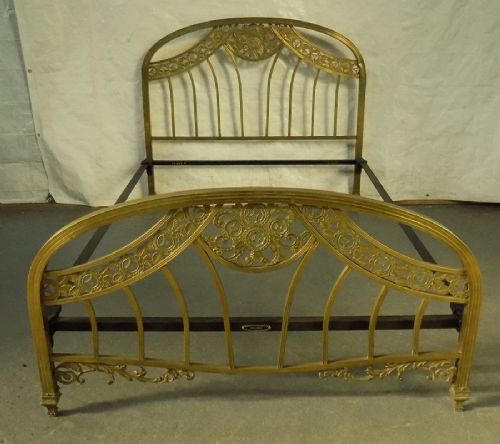
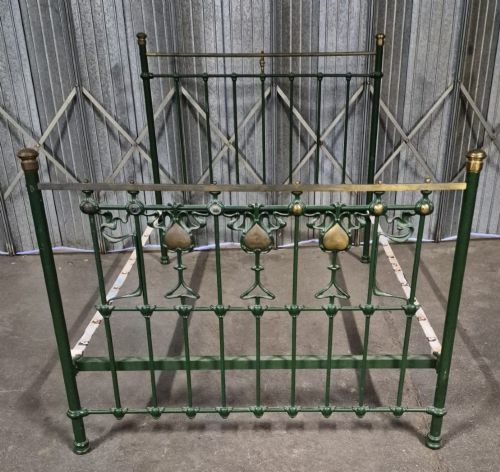
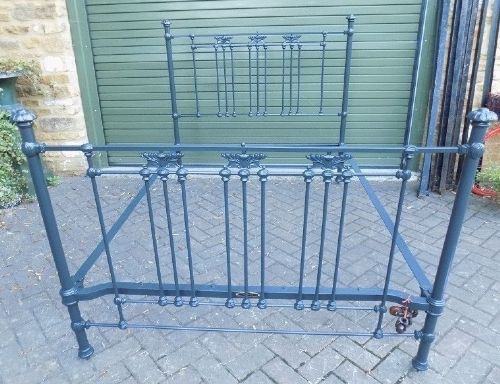
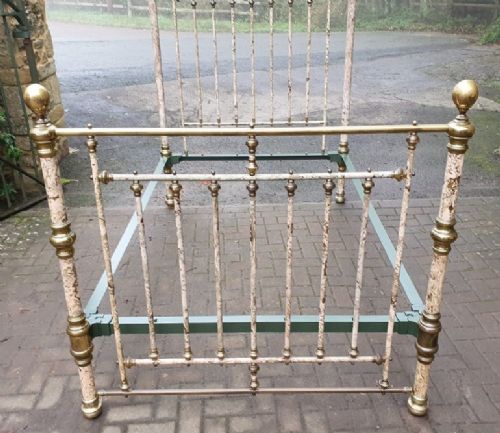
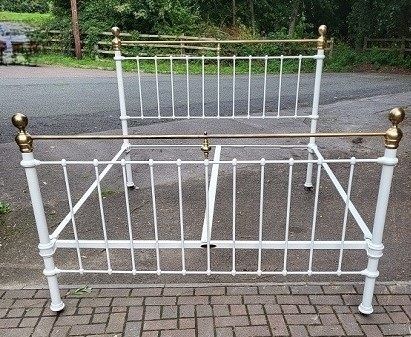
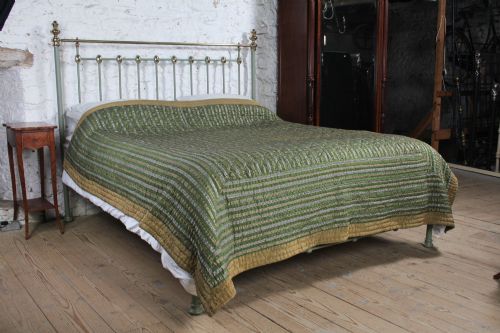
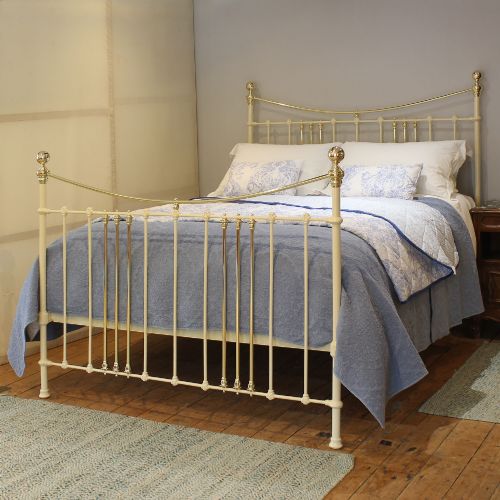
A victorian iron bed frame brings robust metal construction and decorative brass or painted detailing straight into a bedroom.
Victorian Iron Bed Frame
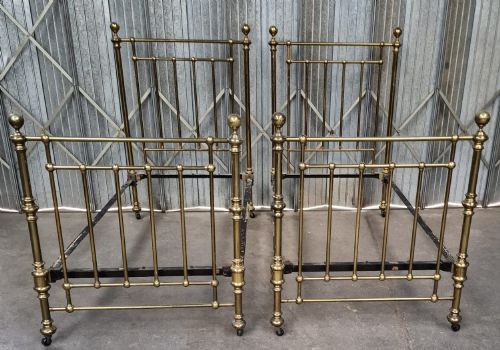
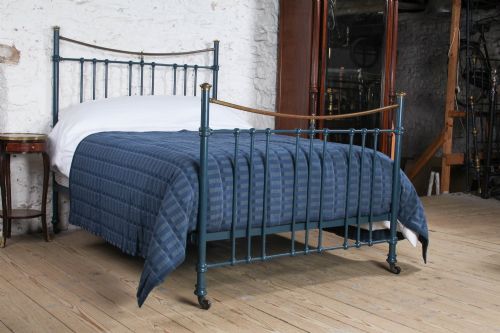
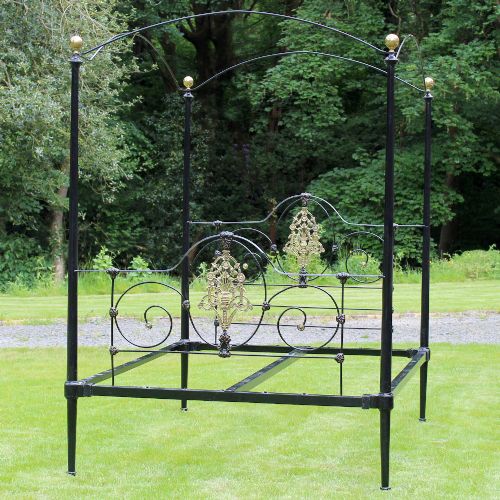
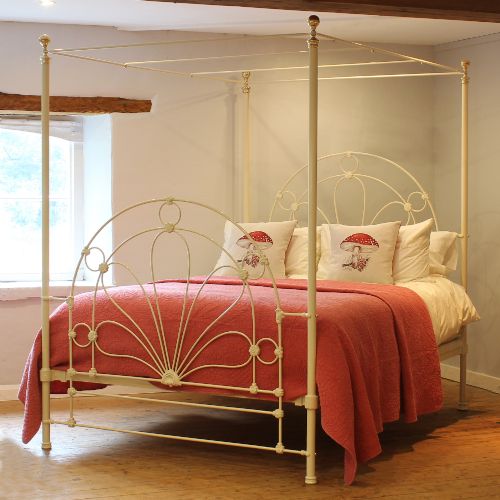
A victorian iron bed frame provides a sturdy foundation for sleeping while introducing period character through metalwork. These pieces span single, double, queen, king and super king sizes, often configured with high or low ends to suit different spaces.
Origins stretch from the mid-nineteenth century through the Edwardian era, incorporating regional variations such as Irish and Celtic designs alongside French styles. These metal bedsteads offer a practical alternative to wooden furniture while anchoring a room with distinct historical presence.
How they were made
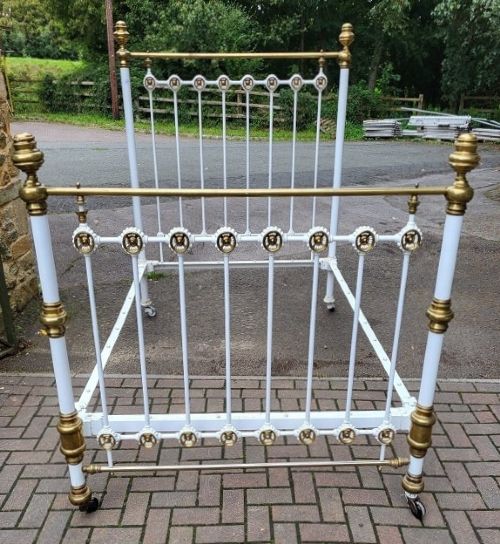
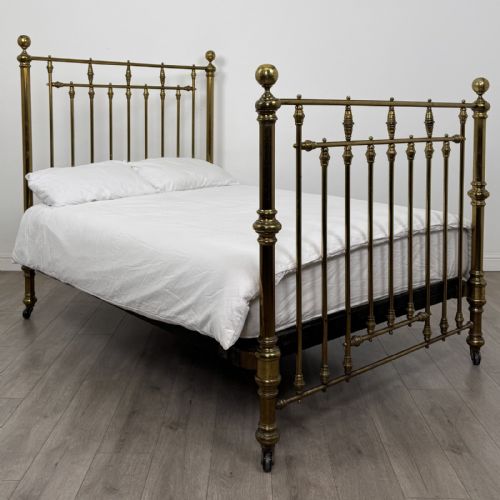
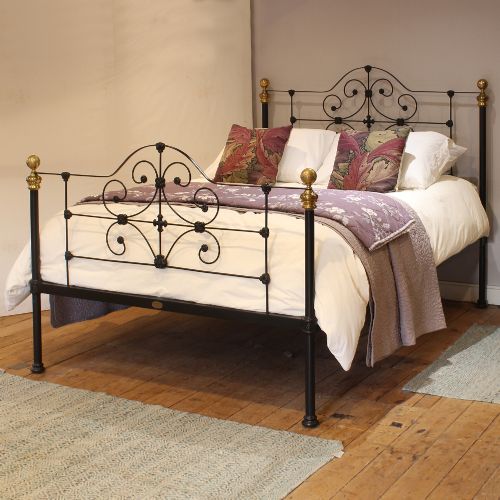
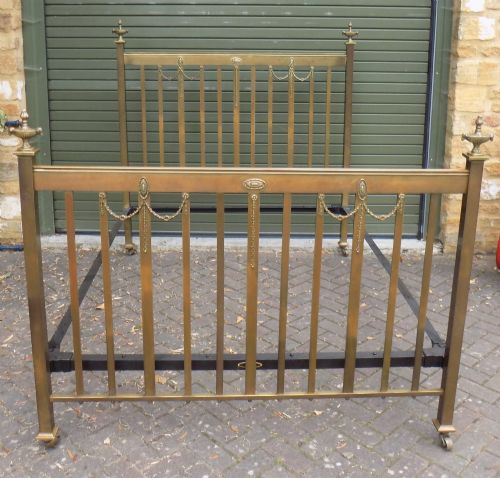
Makers utilised durable cast iron for main structural components and intricate decorative castings, combining it with wrought iron for strength and flexibility. Brass tubing and sheet metal were applied to posts, rails and finials to create striking two-tone contrasts.
Surface treatments included protective and decorative paint finishes, sometimes complemented by ceramic details or subtle mother of pearl inlays. Frames were engineered with slot-in side rails and fitted castors to allow straightforward dismantling and movement within the home.
Victorian Iron Bed Frame Retail Price Guide 2026
Typical asking prices for victorian iron bed frame among the pieces listed under this phrase on Sellingantiques today, from the lower quarter to the upper quarter. They describe what is for sale here now, not the wider market.
Some resilient iron beds even incorporate mother of pearl, proving that Victorian makers believed no surface was too utilitarian for a touch of glamour.
What varies in quality
The standard of a victorian iron bed frame rests primarily on the crispness of its castings and the substance of its metalwork. Finer examples display deeply detailed ornamentation on junctions and finials rather than shallow, mass-produced stamping.
Integrity of construction defines the better pieces, where heavy-gauge iron and substantial brass tubing prevent wobbling. Original components, intact maker marks and well-preserved surface finishes distinguish superior survivals from heavily altered examples.
Winfield
The Victorian Iron Bed Frame Glossary
- Bedstead
- A framework of a bed supporting the mattress and springs, distinct from the bedding itself. These metal structures rely on side rails and bolted joints for stability.
- Cast Iron
- Molten iron poured into a mould to create rigid structural parts and ornate decorative details. It forms the heavy core of most nineteenth-century metal beds.
- Half Tester
- A bed featuring a canopy that extends only partway over the head of the bed, supported by posts. This configuration gives the presence of a full tester without enclosing the entire sleeping area.
- Winfield
- A notable firm associated with the production of high-quality metal bedframes. Pieces bearing this name often exhibit superior casting and structural refinement.
- Castor
- A small wheel mounted on a swivel attached to the foot of a bed leg. It allows the heavy iron frame to be repositioned across floor surfaces.
Victorian Iron Bed Frame: Frequently Asked Questions
How do I choose the right size?
Measure your bedroom carefully to ensure adequate clearance around the frame, accounting for protruding brass finials or extended corner posts. Nineteenth-century sizing conventions can differ slightly from modern standards, so check the specific width and length dimensions provided in each listing.
Consider how the visual weight of a metal bed suits your room proportions. Smaller single or three-quarter frames work well in compact guest spaces, while grand king or super king models anchor larger master bedrooms.
Will a modern mattress fit?
Many antique iron beds accommodate standard modern mattress sizes, though older frames occasionally require custom or modified bases. Side rails and internal support irons must be measured accurately to ensure modern slats or bases drop in securely.
Consult the listed dimensions for the internal width and length before purchasing a mattress. Adding appropriate modern support preserves the frame while delivering contemporary sleeping comfort.
Are these frames easy to assemble?
Most antique metal beds use simple slot-in joints, tapered dovetail brackets or bolt-together side rails designed for straightforward assembly. Two people can usually slot the headboard, footboard and side irons together without complex tools.
Take care when handling heavy cast iron components to protect floors and finished surfaces. Checking that the frame sits square on its castors ensures the joints remain stable during setup.
How should I care for the metal?
Dust the iron and brass components regularly with a soft, dry cloth to prevent the accumulation of airborne grit. Avoid abrasive cleaners or harsh chemical polishes that can strip protective lacquers or vintage paint finishes.
Brass elements respond well to gentle cleaning specifically formulated for unlacquered metals if you wish to maintain their bright appearance. Preserving the original patina on cast iron often requires nothing more than keeping the frame in a dry, stable environment.