

Victorian Brass Bed Frame
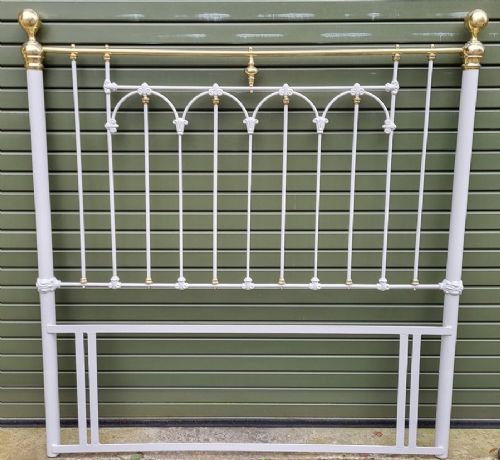
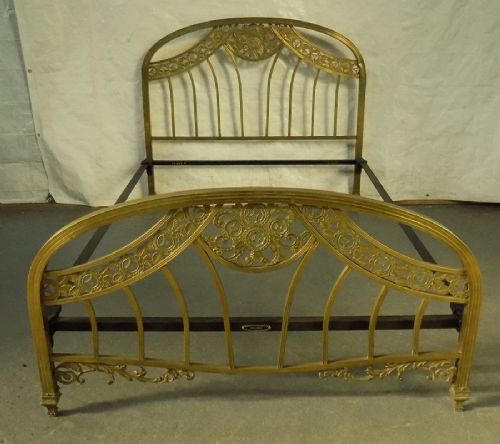
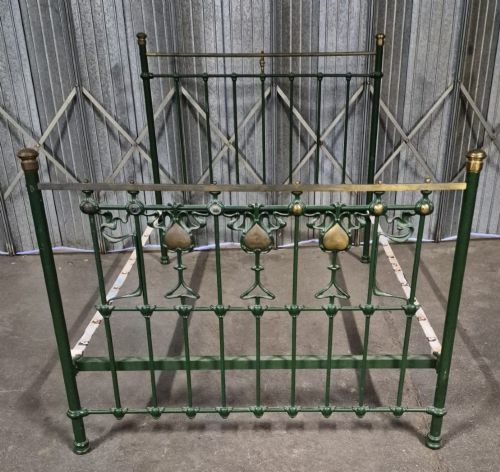
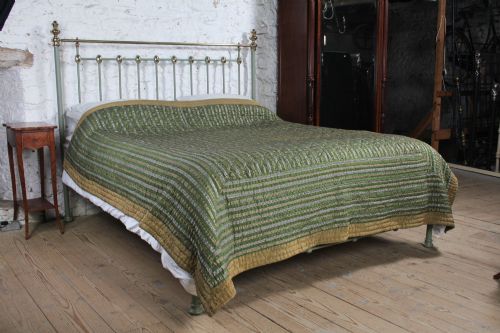
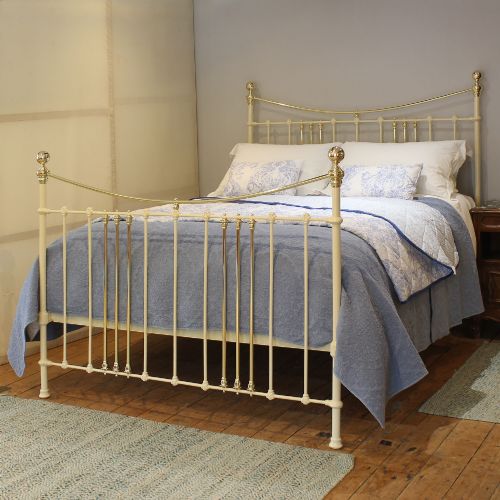
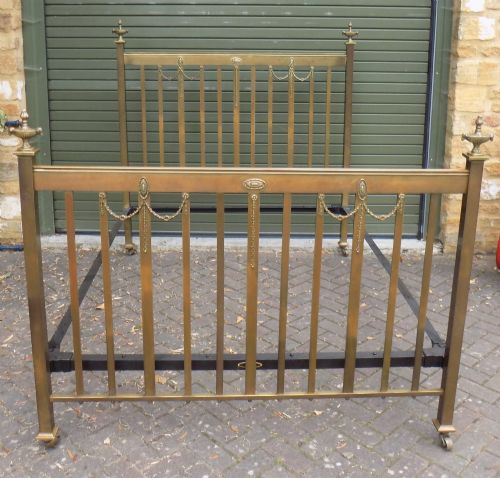
A victorian brass bed frame brings substantial nineteenth-century presence to a bedroom, combining metal framework with decorative castings.
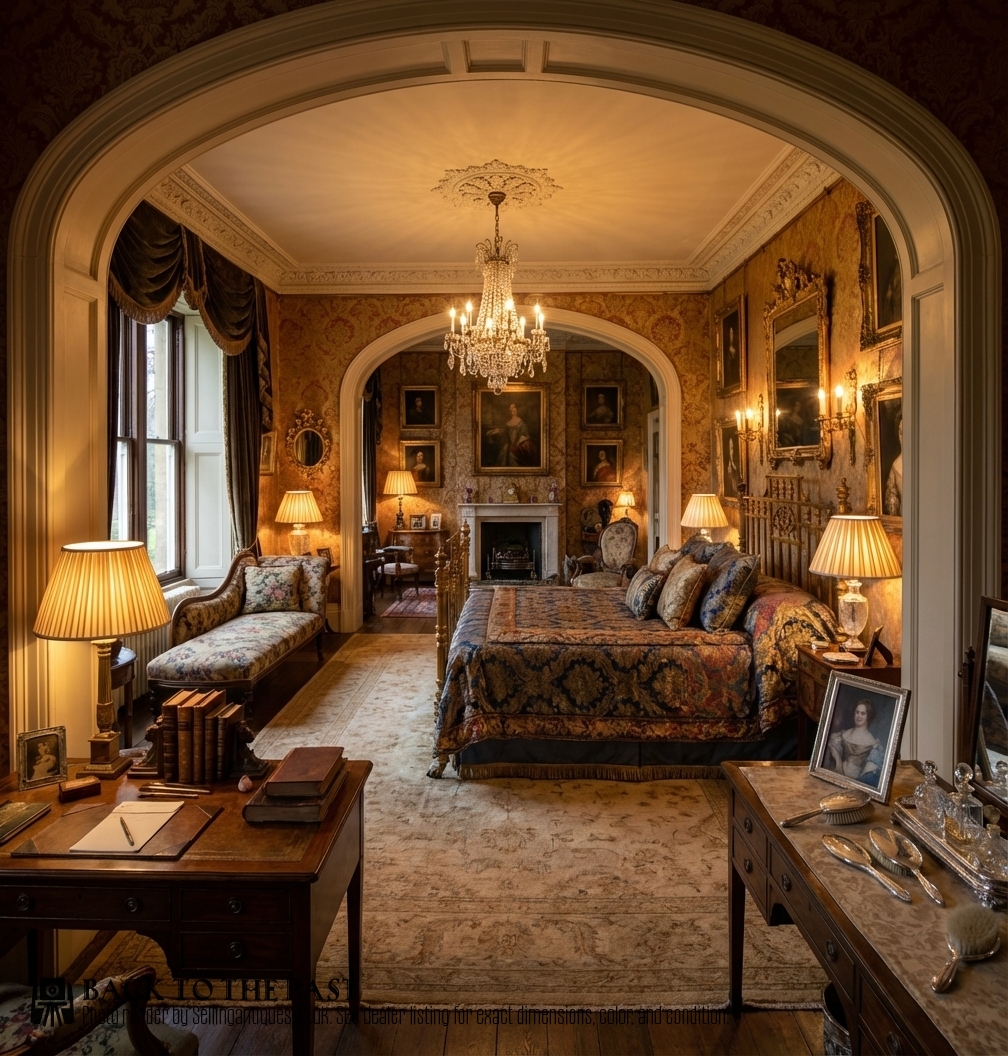
Victorian Brass Bed Frame
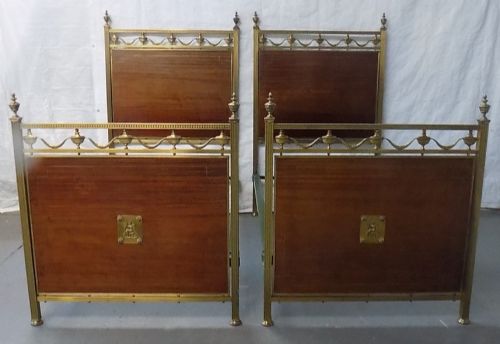
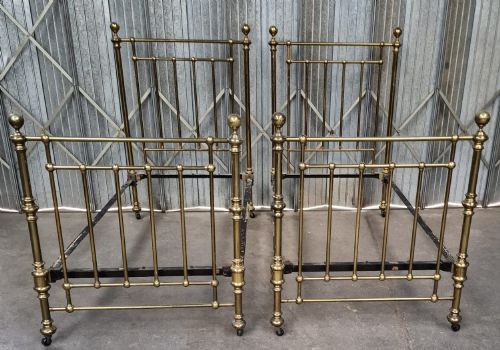
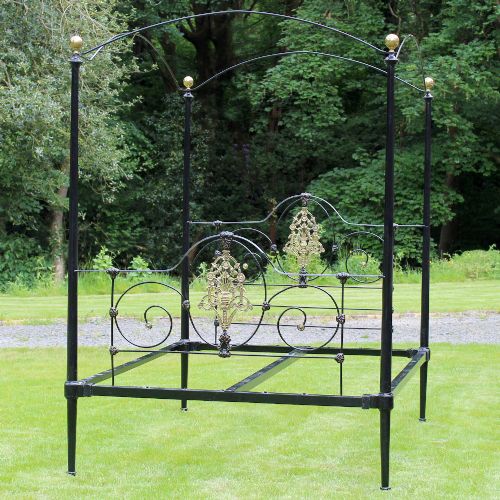
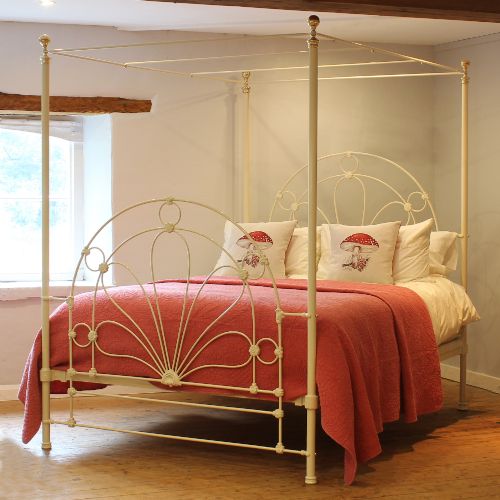
When searching for a victorian brass bed frame, buyers encounter robust sleeping structures spanning the nineteenth century through the Edwardian period. The selection on this page ranges from single sizes to super king proportions, alongside half tester designs and paired single beds.
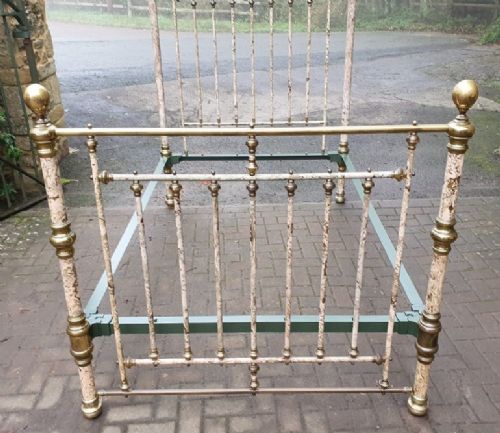
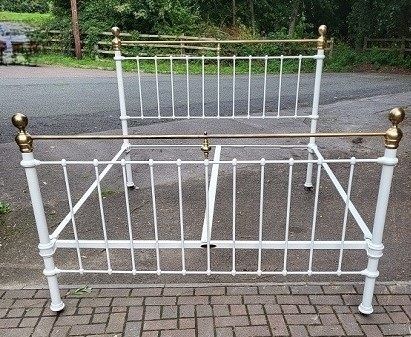
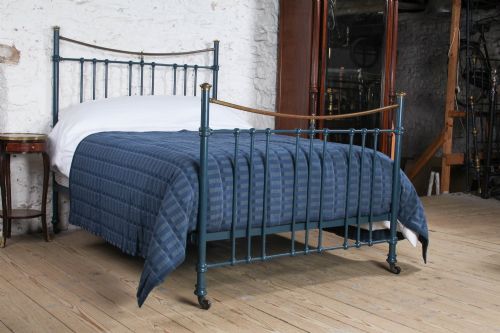
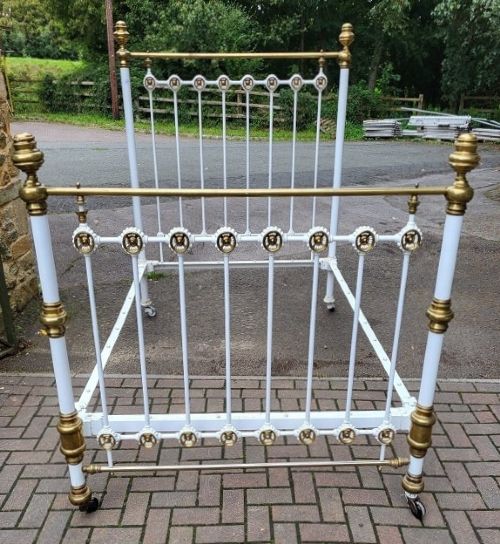
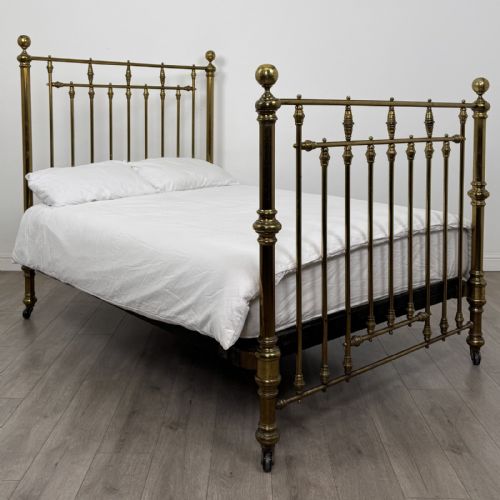
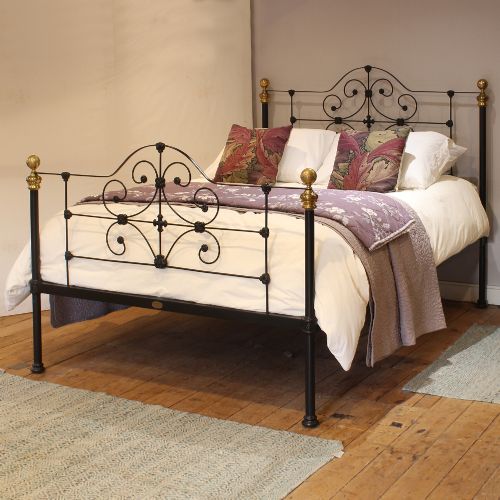
Many examples combine brass elements with cast iron or wrought iron frames, often retaining original components such as slot-in side rails and metal castors. Styles vary from simple all-brass construction to ornate Gothic Revival, Aesthetic Movement, and French provincial designs.
The forms include standard double sizes, king sizes, and generous super king dimensions tailored for modern mattresses. Smaller variants such as three-quarter beds and large single dimensions also appear frequently across the periods recorded.
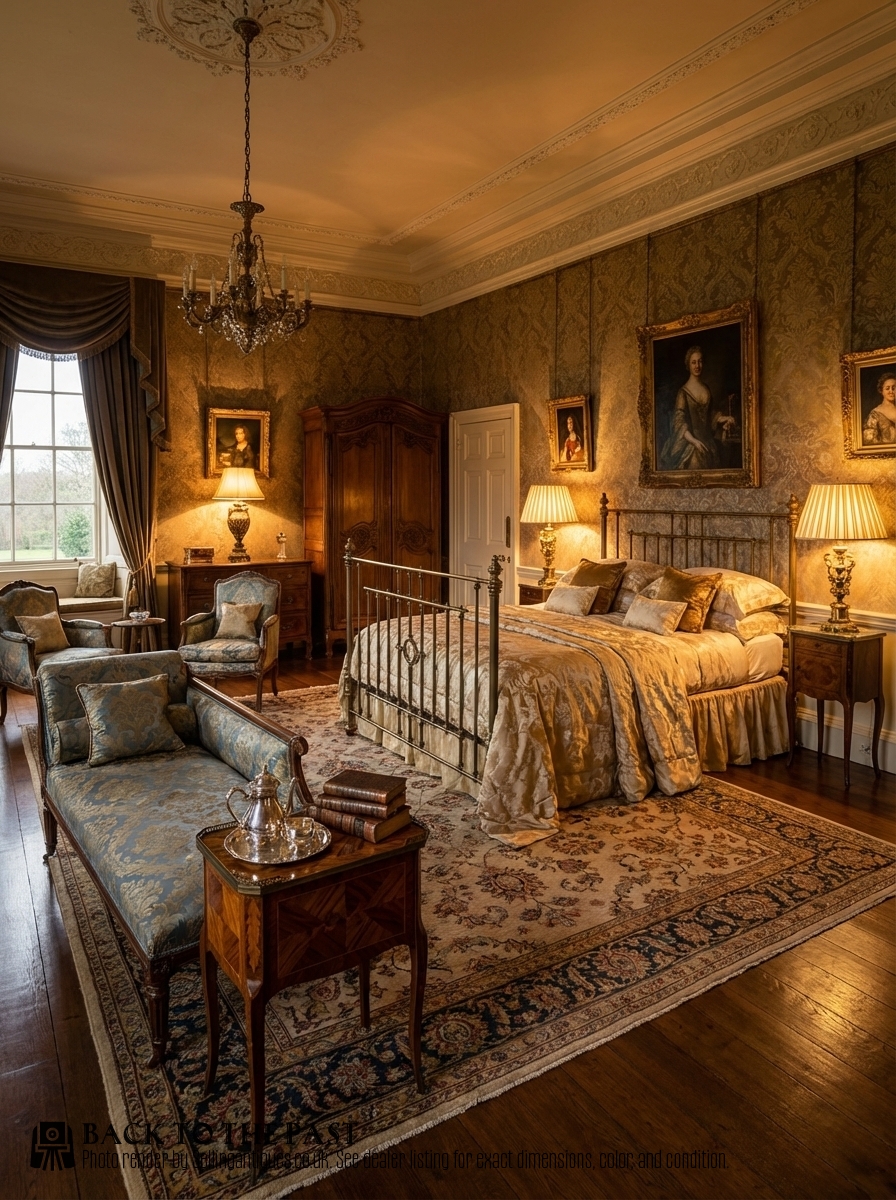
Materials and construction
Makers utilised solid brass and sheet brass alongside structural cast iron and wrought iron to build sturdy bedsteads. Brass components were polished, tubed, or cast into decorative finials and junctions, while iron frames provided necessary weight and structural integrity.
Decorative details frequently involved applied metal ornamentation, ceramic accents, or mother of pearl inlay set into the ironwork. Frames relied on interlocking iron slot-in systems and metal castors to support the weight of the bedstead and its occupants.
Victorian Brass Bed Frame Retail Price Guide 2026
Typical asking prices for victorian brass bed frame among the pieces listed under this phrase on Sellingantiques today, from the lower quarter to the upper quarter. They describe what is for sale here now, not the wider market.
Listings feature periods from the 1860s through the Edwardian era, incorporating solid brass, cast iron, ceramic, and mother of pearl details.
Distinctions in quality
Quality in these bedsteads rests upon the complexity of the brass castings and the weight of the metal used in the construction. Exhibition quality pieces display crisp, highly detailed brass ornamentation and substantial tapered posts rather than standard pressed components.
The integrity of the original iron frame and the retention of maker-marked components elevate a piece significantly. Superior examples also maintain balanced proportions across larger dimensions such as king and super king sizes without structural sagging.

Winfield·Maple and Co·Hoskins and Sewell
The Victorian Brass Bed Frame Glossary
- Half tester
- A bedstead featuring a partial canopy that projects from the wall over the head of the bed, often draped in fabric.
- Castings
- Decorative metal elements poured into moulds and fixed to the frame, frequently taking floral or geometric shapes.
- Bedstead
- A framework of a bed designed to support a mattress and base, distinct from the bedding itself.
- Dip rail
- A headboard or footboard rail curved downward toward the centre, common in Edwardian designs.
- Castors
- Small wheel attachments fitted to the base of bedposts to allow movement across flooring.
Victorian Brass Bed Frame: Frequently Asked Questions
Will a vintage bed frame fit a modern mattress?
Many nineteenth-century bedsteads were built to nineteenth-century sizing conventions rather than standard contemporary metric dimensions. King and super king sizes often accommodate modern mattress widths well, but measuring the internal iron frame before purchase remains sensible.
Adjustments to slats or the addition of a custom base can help modern mattresses sit securely within older iron and brass side rails. Checking the exact length and width of the slot-in frame ensures proper alignment.
How do I assemble these metal beds?
These bedsteads generally rely on an iron slot-in frame system where side rails wedge directly into the headboard and footboard brackets. Gravity and the weight of the mattress lock the tapered joints firmly into place without requiring complex tools.
Two people are usually needed for assembly to steady the heavy brass and iron posts while the side rails are guided into their slots. Ensuring the bed sits squarely on its original castors keeps the frame level.
Are iron and brass beds heavy to move?
The combination of solid brass tubing and heavy cast iron creates considerable weight across all size categories. Super king and half tester variants require careful handling during relocation due to their substantial metal components.
Original metal castors fitted to the base help maneuver the bedstead across hard flooring once assembled. Dismantling the side rails from the headboard and footboard lightens each section significantly for transport.
How do I clean antique brass and iron?
Routine maintenance involves removing dust from brass tubing and ironwork using a soft, dry cloth. Harsh chemical polishes can strip historic patination or damage painted iron surfaces.
For painted or decorative iron frames, preserving the original finish takes precedence over aggressive scrubbing. Gentle cleaning keeps the metal stable without altering its aged appearance.