


Antique Iron King Bed
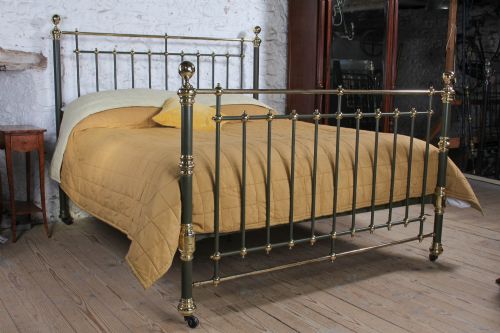
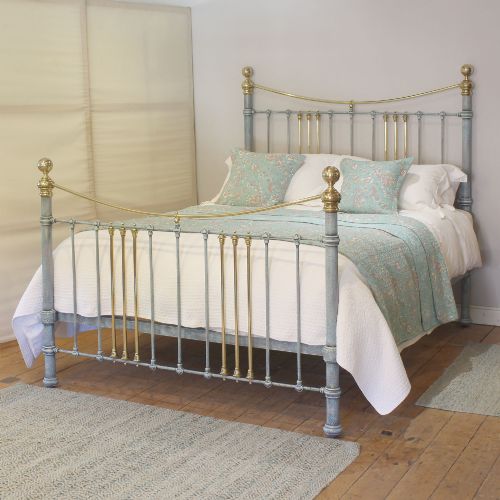
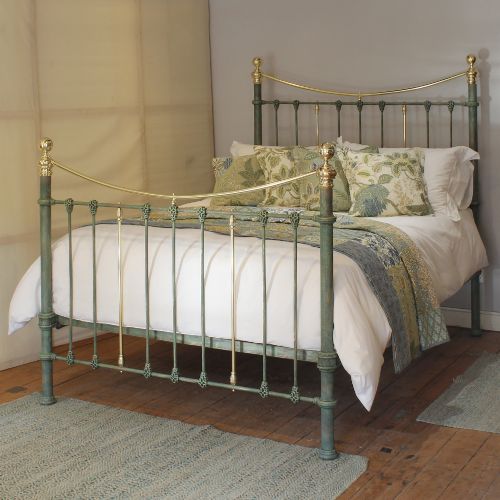
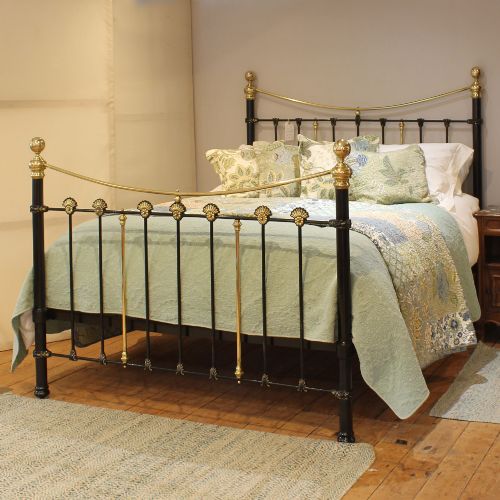
An antique iron king bed brings solid Victorian weight and grand proportions to a bedroom.
Antique Iron King Bed
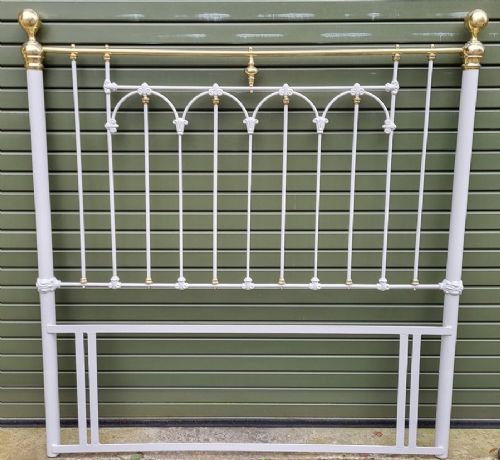
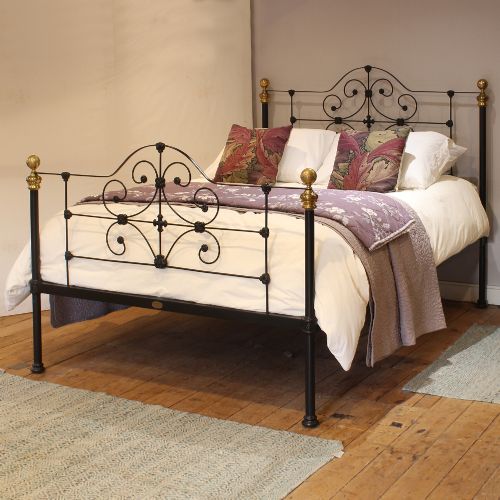
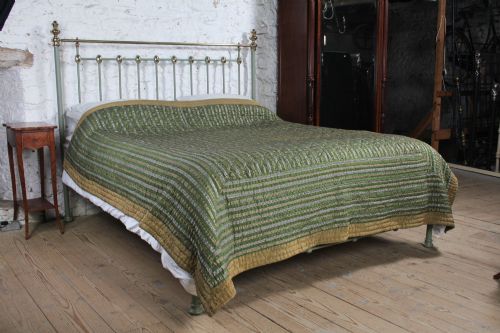
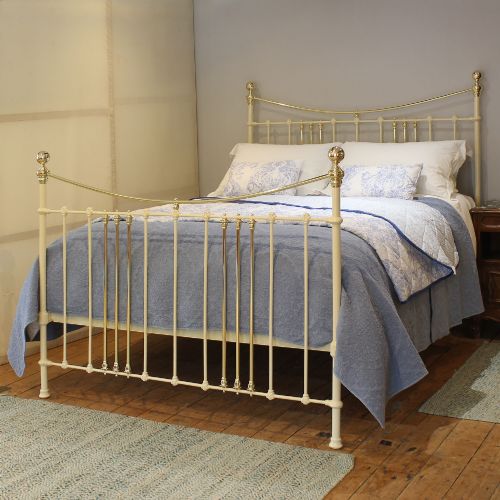
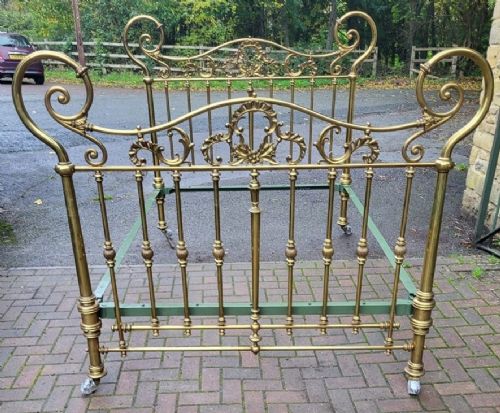
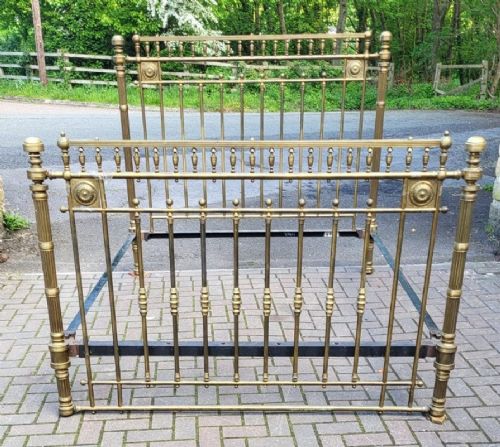
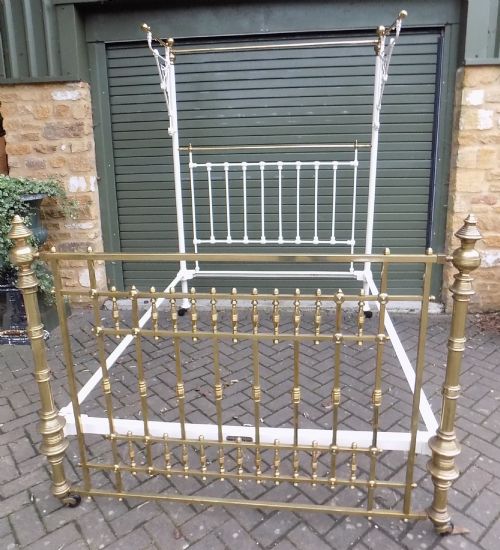
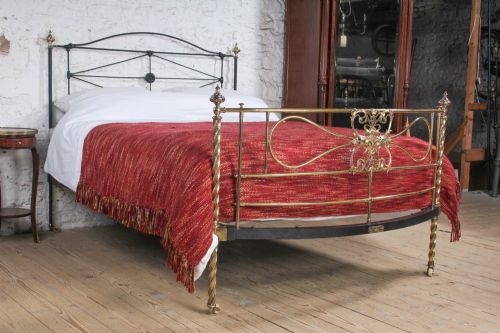
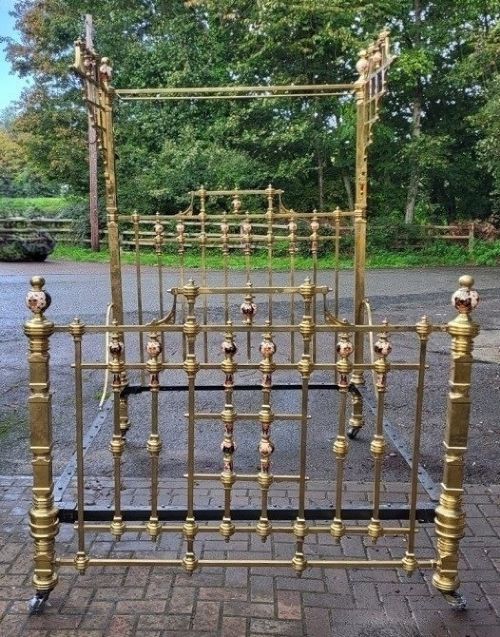
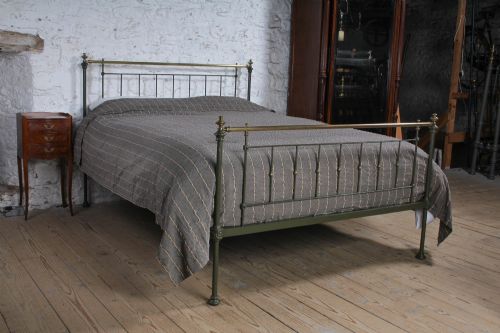
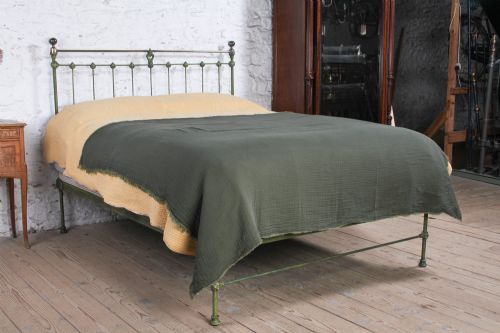
When searching for an antique iron king bed, buyers encounter substantial frames designed for large sleeping spaces using robust nineteenth and early twentieth-century engineering. The pieces span periods from the Victorian era through the Edwardian years up to 1920, frequently combining iron framework with gleaming brass components.
The dominant forms on this page include traditional bedsteads, low end beds, and no end formats that suit modern mattresses while retaining period character. Styles range from plain utilitarian iron to decorative Victorian Art Nouveau and Aesthetic Movement designs.
Origins represented in the evidence stretch from British workshops to French country models, Irish variants, and Portuguese regional pieces. Buyers select these beds to anchor a bedroom with substantial metalwork and historical presence.
Materials and Construction
Makers constructed these frames using cast iron, wrought iron, and forged iron alongside polished brass details, spindles, and finials. Metal elements were shaped and joined to create sturdy bedsteads capable of supporting large mattresses.
Surfaces were frequently finished with paint, painted metal coatings, or specialised tones like cream, ivory, basalt blue, and black. Ceramic components sometimes appeared in the detailing of these robust frames.
Antique Iron King Bed Retail Price Guide 2026
Typical asking prices for iron king bed among the pieces listed under this phrase on Sellingantiques today, from the lower quarter to the upper quarter. They describe what is for sale here now, not the wider market.
Some Irish iron beds arrive with ribbon reeds, proving that even heavy Victorian metalwork occasionally possessed a delicate sense of fashion.
Distinctions in Quality
Quality in these beds rests upon the crispness of the iron castings and the structural integrity of the joints and rails. Superior examples display refined detailing, such as tapered posts, ribbon reeds, and well-preserved brass finials.
The refinement of the decorative style, whether simple straight rails or complex Art Nouveau curves, separates standard utility frames from exhibition quality pieces. Original components and intact painted or polished finishes elevate the standing of a bed.
Winfield
The Antique Iron King Bed Glossary
- Bedstead
- A framework of a bed upon which mattresses and bedding are supported. This term covers the complete structural assembly including headboards and footboards.
- Half Tester
- A type of bed having a canopy that extends only part of the way over the bed from the headboard. It creates a commanding architectural presence.
- Dip Rail
- A top rail on a headboard or footboard that dips downward towards the centre. This shaping softens the heavy look of ironwork.
- Finial
- A decorative ornament fixed to the top of bed posts. They are often cast in brass to contrast with dark iron frames.
- No End
- A bed configuration featuring a headboard but lacking a high footboard, sometimes called a low end bed. This style suits modern rooms and aids in making beds easily.
Antique Iron King Bed: Frequently Asked Questions
Do antique iron beds fit modern king mattresses?
Many antique iron king beds accommodate standard modern king mattresses, though older sizing conventions can vary slightly. It remains wise to check exact internal rail measurements before purchasing.
Adapting slats or adding modern support systems inside the original frame allows these historical pieces to function securely with contemporary bedding.
How do I care for the brass and iron?
Maintenance involves dusting the iron framework regularly with a dry cloth and avoiding harsh chemical cleaners that strip painted or antiqued finishes. Brass components respond well to gentle polishing if a bright shine is desired.
Keeping the metal away from damp environments preserves the painted surfaces and prevents oxidation on the exposed iron sections.
How are Victorian and Edwardian beds different?
Victorian beds often display heavier casting work, elaborate brass details, and distinct movements like Art Nouveau or Aestheticism. The ironwork tends to be ornate and visually prominent.
Edwardian examples frequently lean towards lighter shaping, simpler dip rails, and restrained proportions while maintaining robust iron and brass construction.