

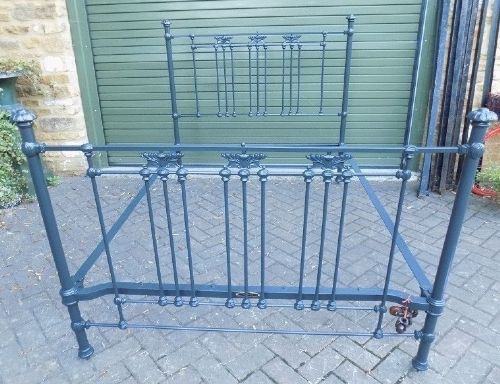
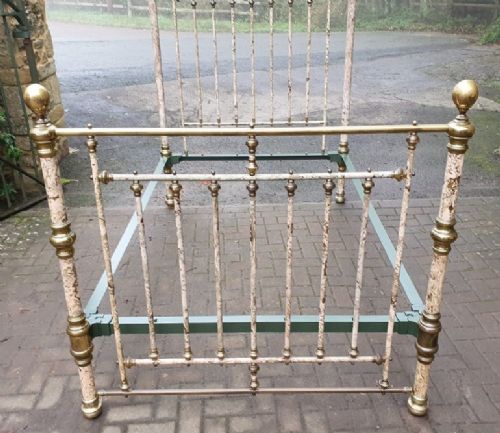
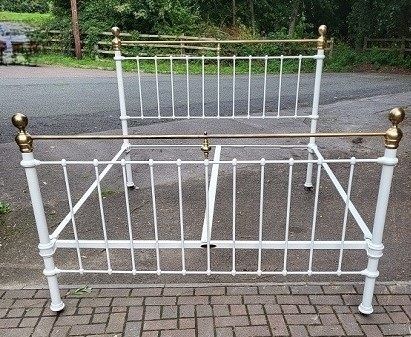
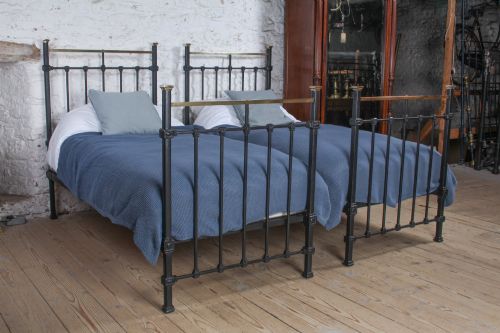
Traditional Iron Bed Frame
Traditional iron bed frame designs offer sturdy metal construction combined with decorative brass castings, bringing enduring period character to a bedroom.
Traditional Iron Bed Frame
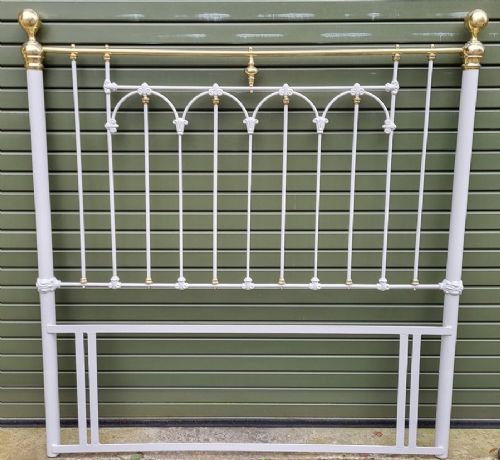
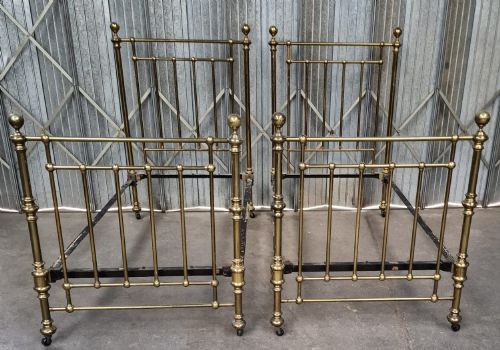
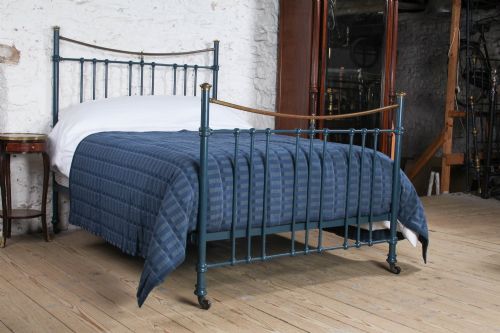
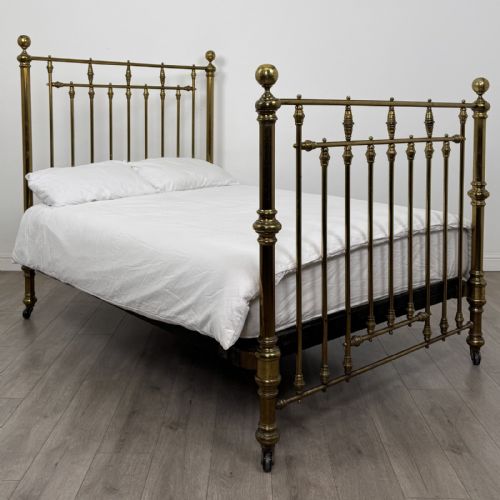
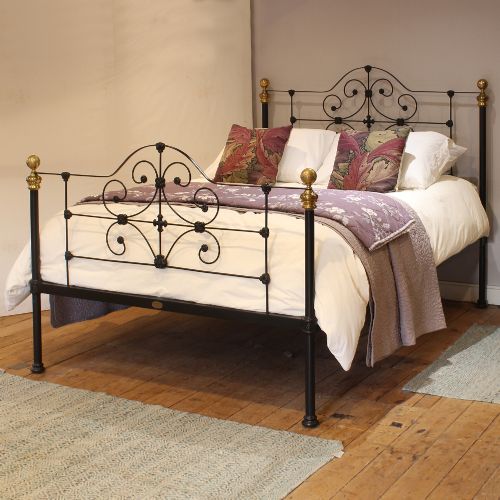
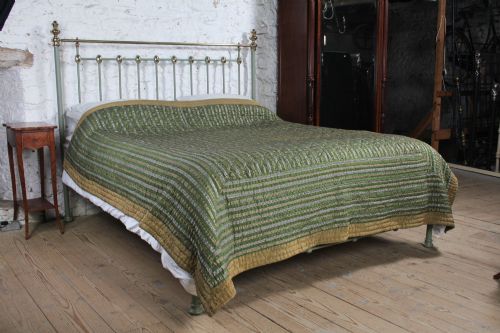
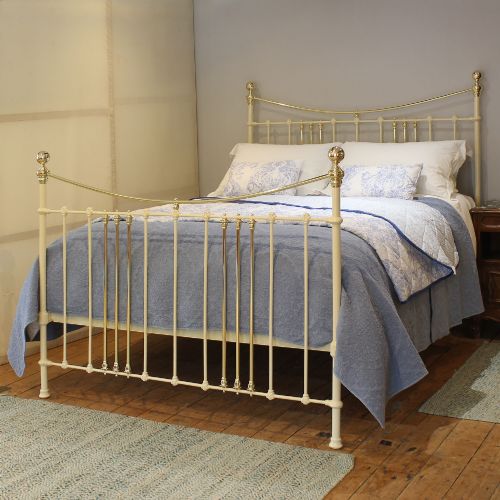
A traditional iron bed frame brings substantial nineteenth and early twentieth century metalwork into domestic spaces, appearing in single, double, queen, king, and super king sizes. Buyers encounter robust Victorian and Edwardian examples that combine cast iron, wrought iron, and polished brass components.
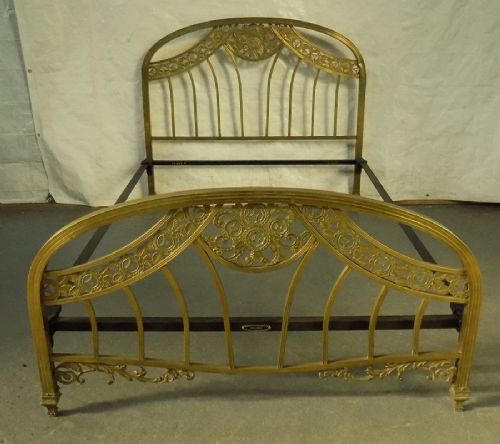
Makers such as Winfield appear among the listings, alongside unmarked examples featuring decorative castings, ribbon reed motifs, and mother of pearl inlays. Most available pieces originate from the Victorian era and the decades immediately following.
How they were made
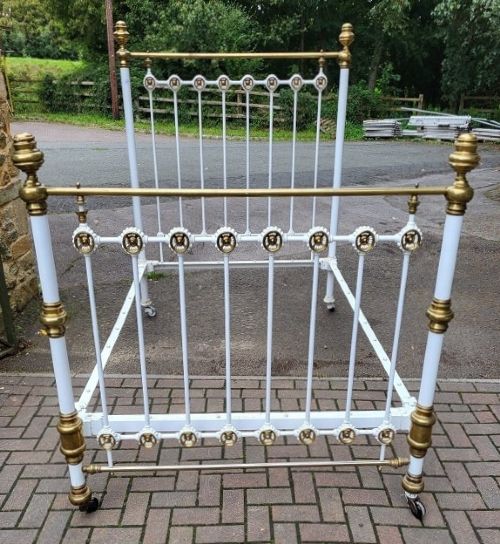
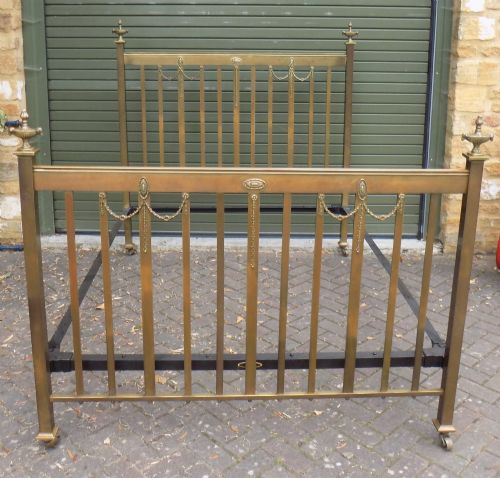
Constructed primarily from cast iron and wrought iron, these frames utilise structural metal elements joined with slot-in mechanisms and secured by decorative brass castings. Manufacturers shaped the iron into sturdy headboards, footboards, and side rails capable of supporting heavy mattresses.
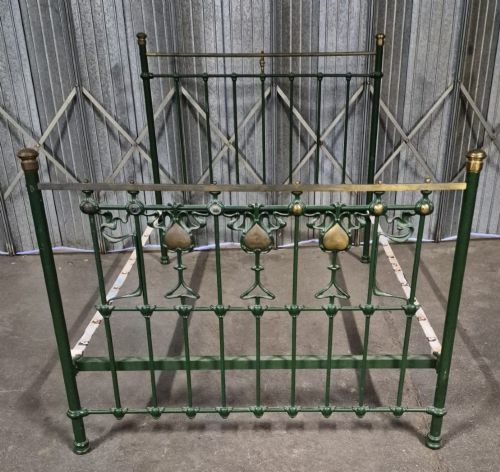
Surface treatments included applied paint finishes, often in black or green, alongside polished brass details and occasional mother of pearl embellishments. Makers such as Winfield incorporated tapered posts and intricate metal shaping into their production methods.
Traditional Iron Bed Frame Retail Price Guide 2026
Typical asking prices for traditional iron bed frame among the pieces listed under this phrase on Sellingantiques today, from the lower quarter to the upper quarter. They describe what is for sale here now, not the wider market.
Listings span periods from eighteen-sixty to nineteen-ten, featuring cast iron, wrought iron, brass, wood, ceramic, and mother of pearl materials.
What varies in quality
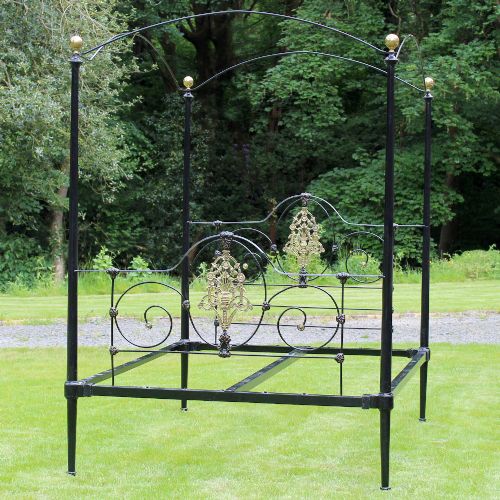
The sophistication of the castings and the weight of the metal determine the standing of an individual bedstead within the range. Finer examples display crisp detailing on brass mounts, elaborate curly ironwork, and substantial framing proportions.
Winfield·R W Winfield
The Traditional Iron Bed Frame Glossary
- Bedstead
- A framework of a bed designed to support springs and a mattress. This term frequently appears interchangeably with bed frame in nineteenth-century listings.
- Dip rail
- A headboard or footboard rail that curves downward towards the centre. Edwardian and Victorian designs often utilised this contour for a lighter visual profile.
- Castings
- Decorative metal components shaped by pouring molten metal into a mould. These brass or iron ornaments were attached to bed frames to enhance their aesthetic appeal.
- Slot-in frame
- A modular construction method where side rails lock directly into slots on the headboard and footboard posts. This system allowed the entire structure to be easily dismantled for transport.
- Half tester
- A bedstead featuring a partial canopy extending outward from the headboard. These ornate frames provide a commanding vertical presence within a bedroom setting.
Traditional Iron Bed Frame: Frequently Asked Questions
How do I choose the right size?
Review the listed dimensions, noting whether the piece is a single, double, queen, king, or super king size. Traditional frames often accommodate standard modern mattresses if the internal slot-in frame matches contemporary dimensions.
Consider the proportions of your bedroom relative to the height of the headboard and whether the piece includes a footboard. No end variants offer a more open feel in compact spaces.
Are these frames sturdy enough for daily use?
Nineteenth and early twentieth-century iron and brass frames were engineered for heavy daily domestic service. Their substantial metal construction provides robust structural support.
Modern mattress placement may require appropriate slat systems or bases dropped into the internal frame. The heavy metal components ensure long-term stability when correctly assembled.
How do I date an iron bed?
Examine the stylistic cues, such as the presence of Victorian aesthetic movement motifs, Edwardian dip rails, or Celtic revival patterns. Dates in the evidence span from the eighteen-sixties through to nineteen-ten.
Maker marks, such as those associated with Winfield, alongside construction methods like slot-in iron joints, help narrow the period of manufacture. Brass detailing often grew more stylised towards the turn of the twentieth century.
Can I dismantle these beds for moving?
Most traditional iron and brass bedsteads utilise slot-in frame joints that allow the side rails to separate easily from the headboard and footboard posts. This modular construction was designed for straightforward transport.
Care should be taken with brass castings and decorative finials during disassembly to prevent damage to the historic metalwork. Reassembly simply reverses the slot-in locking process.