

Vintage Cast Iron Bed
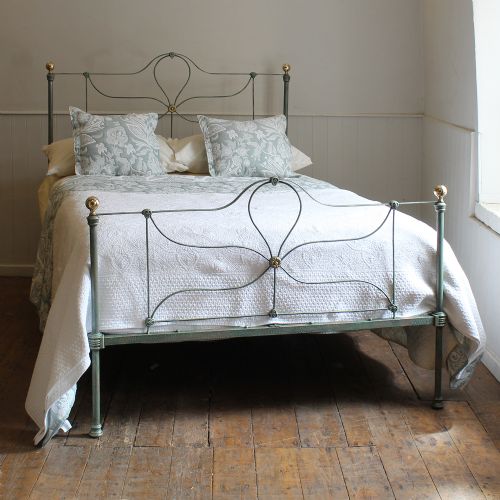
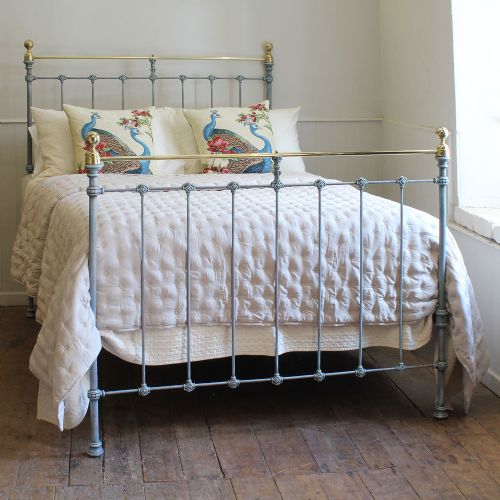
A vintage cast iron bed provides sturdy sleeping accommodation with enduring metal framing, bringing classic Victorian and Edwardian character to a bedroom.
Vintage Cast Iron Bed
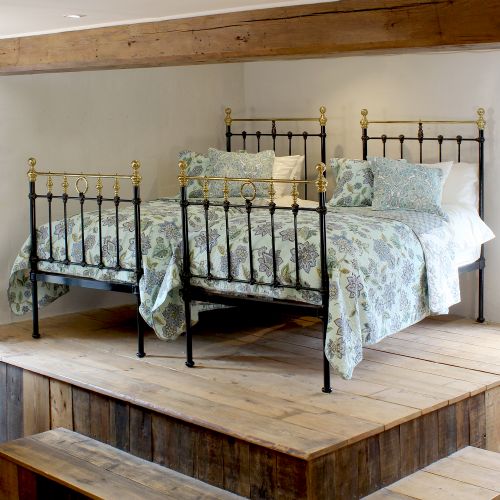
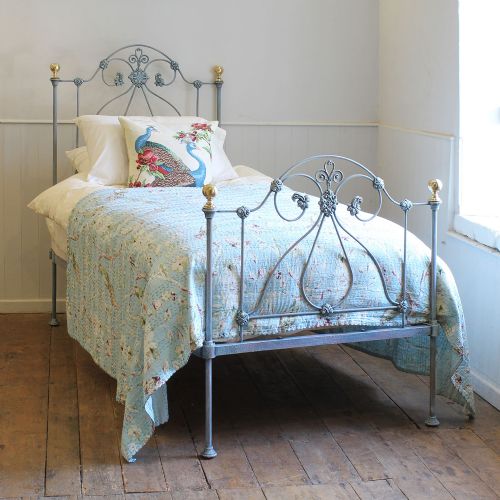
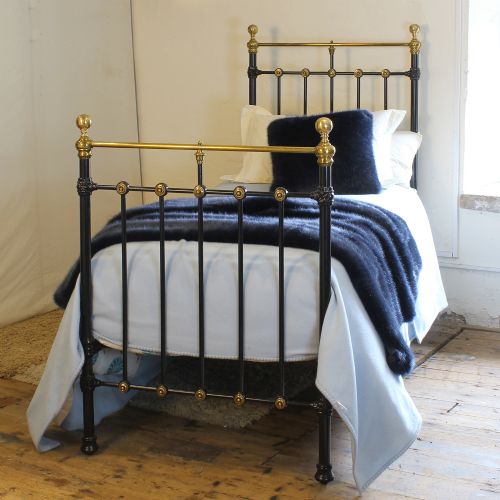
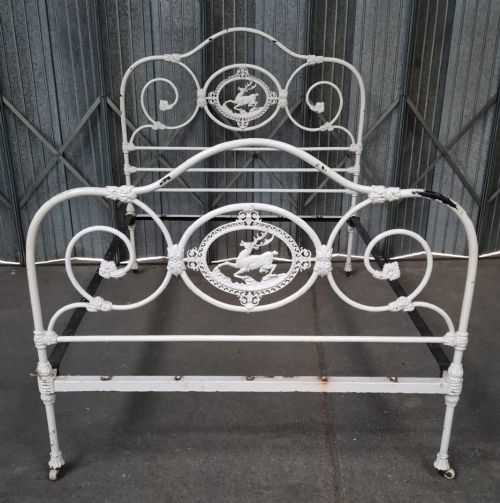
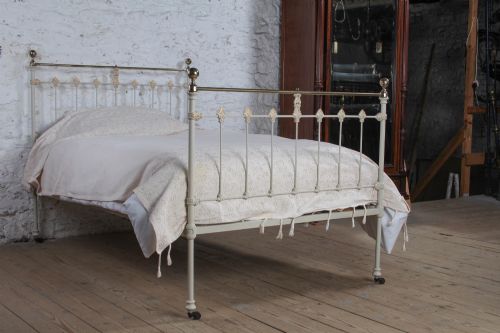
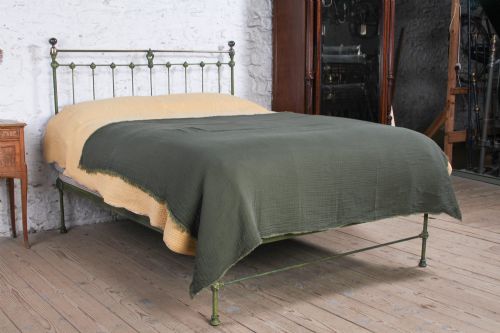
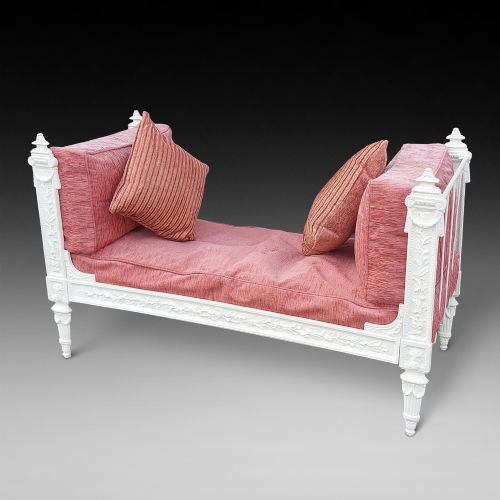
A vintage cast iron bed combines heavy metal framing with decorative styling, representing the dominant sleeping furniture of the nineteenth and early twentieth centuries. These pieces appear in single, double, king, and super king sizes, alongside daybeds and side tables designed for domestic use. The common versions met on this page date from the Victorian and Edwardian eras, spanning the 1860s to the 1910s.
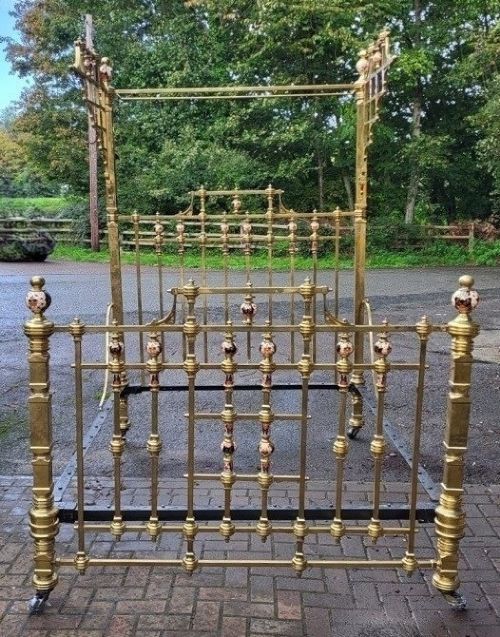
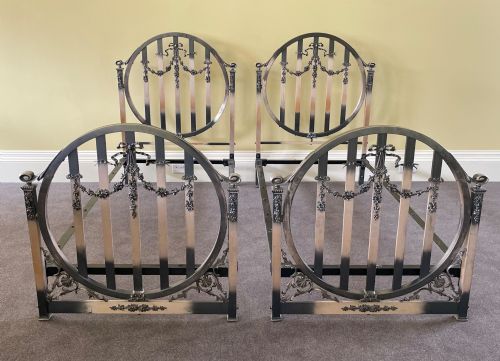
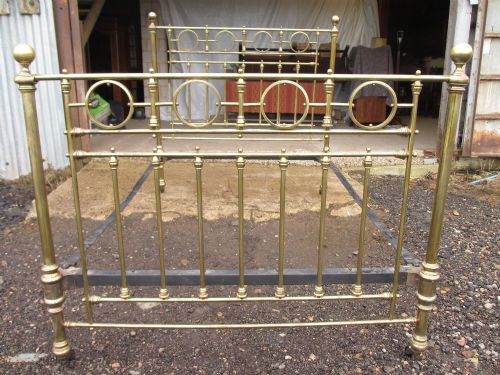
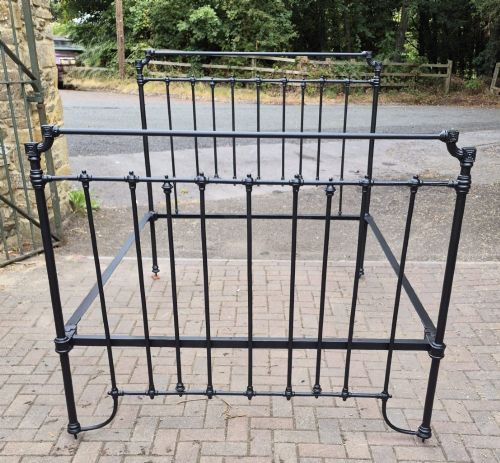
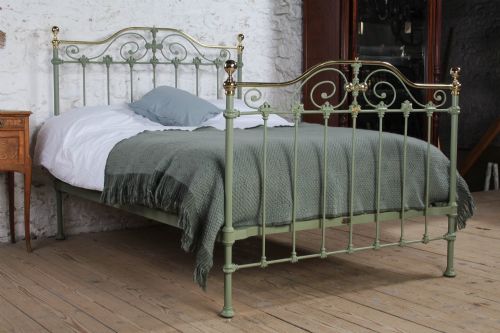
Makers utilised various configurations, including traditional footboards and headboards, alongside no-end designs and half tester canopies. Styles range from plain utilitarian frames to ornate creations incorporating brass accents, ceramic components, and painted finishes. Regional variations such as Irish or Celtic designs also feature within the selection, offering distinct linear shaping.
Materials and construction
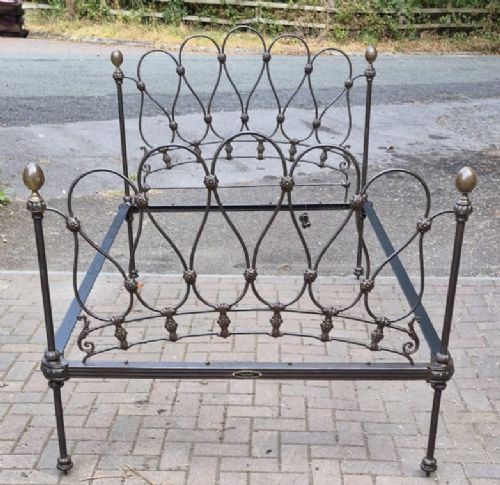
Manufacturers built these bedsteads using cast iron for the main structural components, often pairing the dark metal with polished brass rails, finials, and mounts. Wrought iron and steel also appear in the framework, while ancillary details incorporate ceramic elements, mother of pearl inlay, and nickel plating. Frames frequently utilise slot-in joints and castors to facilitate movement.
Surface finishes include original paint schemes, black coatings, and green colourways applied to protect the metal and enhance decorative appeal. Castings were worked into intricate patterns, ribbons, and scrolls during the casting process, creating the ornamental motifs characteristic of the period.
Vintage Cast Iron Bed Retail Price Guide 2026
Typical asking prices for vintage cast iron bed among the pieces listed under this phrase on Sellingantiques today, from the lower quarter to the upper quarter. They describe what is for sale here now, not the wider market.
Mother of pearl accents occasionally appear on iron frames, proving that even heavy Victorian metalwork enjoyed a touch of sparkle.
Judging the standard
The sophistication of the metal castings and the crispness of the applied brass details separate standard examples from finer productions. Finer pieces demonstrate superior weight distribution, careful finishing on decorative joints, and intact original components such as ceramic accents or maker stamps.
Proportion and decorative harmony dictate the visual success of a bedstead. Pieces featuring complex curly ironwork, tapered posts, or distinctive styling like Celtic revival motifs reflect a higher grade of design from the period.
Winfield·R W Winfield
The Vintage Cast Iron Bed Glossary
- Bedstead
- The complete framework of a bed, consisting of the headboard, footboard, and side rails. This term distinguished the structural assembly from the mattress and bedding.
- Half Tester
- A canopy that extends only partway over the head of the bed, supported by posts rising from the headboard. It typically carried fabric drapery in period bedrooms.
- Dip Rail
- A headboard or footboard rail that curves downward in the centre. This shaping provides a softer silhouette than straight-topped frames.
- No End
- A bed design lacking a high footboard, featuring either a low profile at the foot or none at all. This configuration suits rooms with limited space.
- Castor
- A small wheel mounted on a swivel attached to the bottom of the bed legs. It allowed heavy iron furniture to be repositioned across floor surfaces.
Vintage Cast Iron Bed: Frequently Asked Questions
How do I assemble an iron bed?
Most antique metal beds use simple slot-in wedge joints where the side rails lock directly into the corner brackets of the headboard and footboard. You tap the joints gently into place with a mallet to secure the frame firmly.
After connecting the main frame, any supporting cross slats or bases drop into position across the rails. Checking that the structure sits square on a level floor ensures the locking wedges remain tight during use.
Will a standard modern mattress fit?
Many vintage frames were manufactured to nineteenth-century sizing conventions, which can differ slightly from contemporary standard mattress dimensions. Measuring the internal length and width between the side rails before purchasing ensures proper compatibility.
Custom mattress suppliers can construct bespoke sizes if the frame dimensions fall outside standard measurements. Adding appropriate modern slatted bases provides adequate support for contemporary mattresses within the antique frame.
How should I clean the iron and brass?
Dust the metal surfaces regularly with a soft, dry cloth to prevent the accumulation of airborne particles. Avoid harsh chemical cleaners that can strip original painted finishes or protective lacquers.
Polishing brass components requires a mild metal cleaner applied sparingly with a cloth, taking care not to stain adjacent painted ironwork. Preserving the patina maintains the character accumulated over the life of the piece.
Can these beds be painted a different colour?
Many vintage frames retain their original painted surfaces, which collectors prefer to leave undisturbed. However, pieces that were repainted in the past or carry worn finishes can be prepared and painted to suit modern interiors.
Proper preparation involves removing loose material and applying metal primers before painting. Choosing appropriate finishes ensures the paint adheres well to the iron framework.