

Antique Single Bedstead
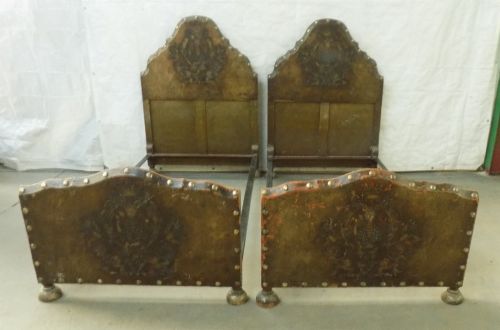
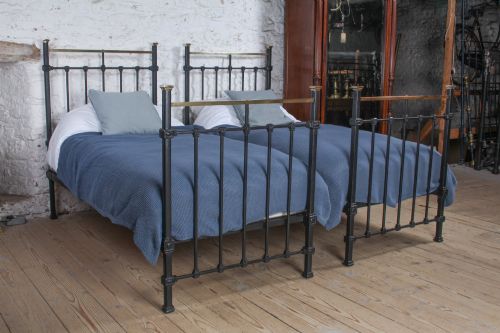
An antique single bedstead brings a distinct period silhouette to a guest room, combining the solidity of nineteenth and early twentieth century framing with compact proportions.
How they were made
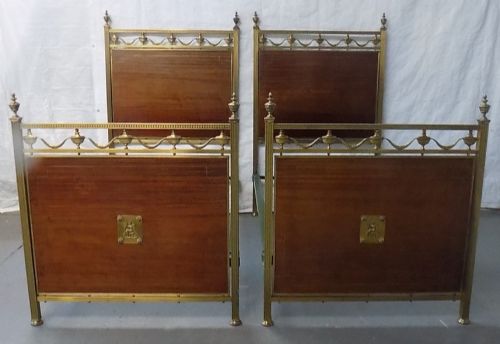
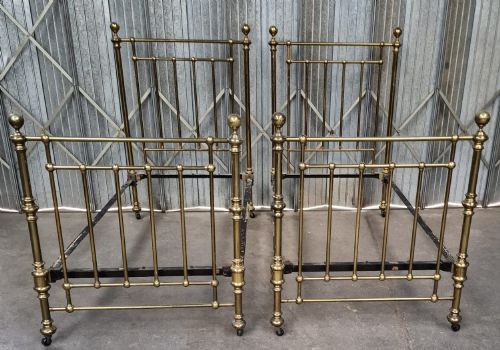
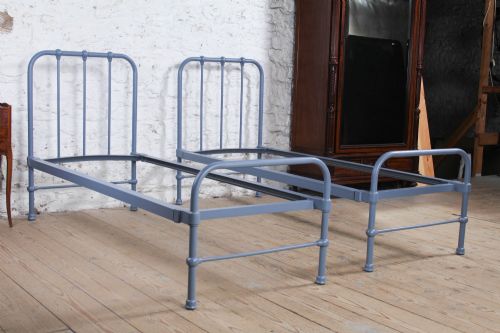
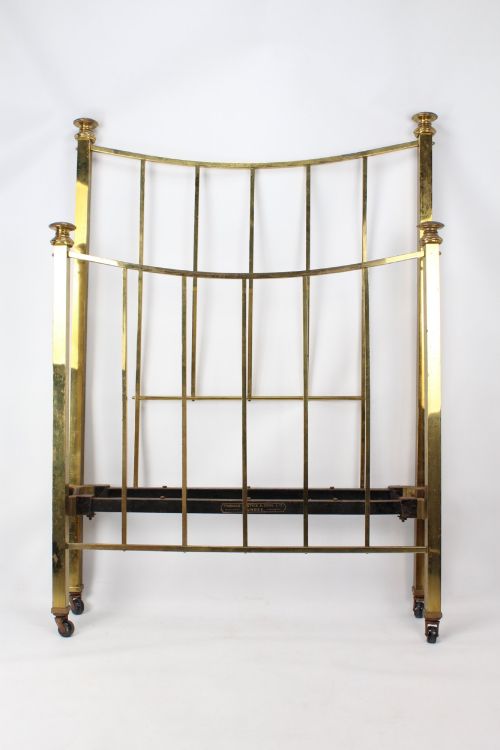
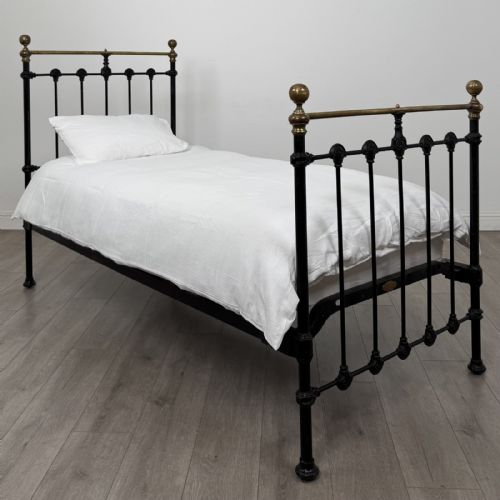
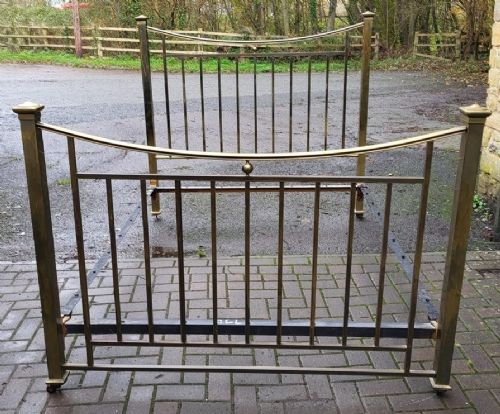
Makers utilised cast iron, wrought iron, and polished brass to build durable metal frames, often combining iron structural components with decorative brass fittings and ceramic castors. These metal components were assembled using robust slot-in brackets and corner joints that allowed the bed to be dismantled.
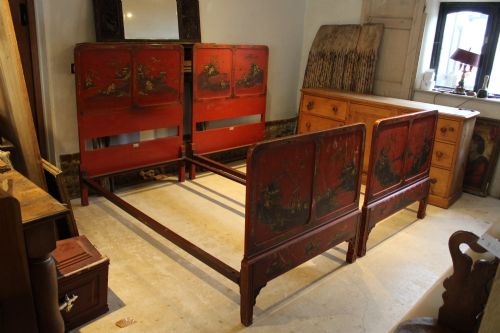
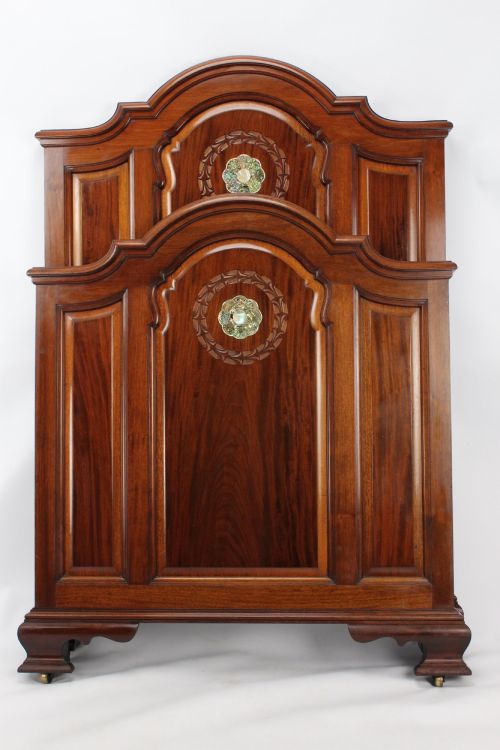
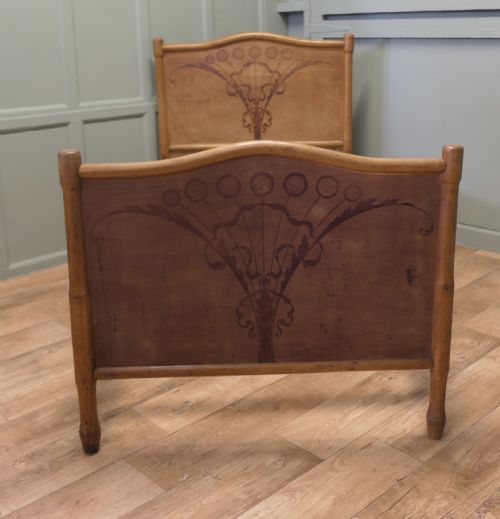
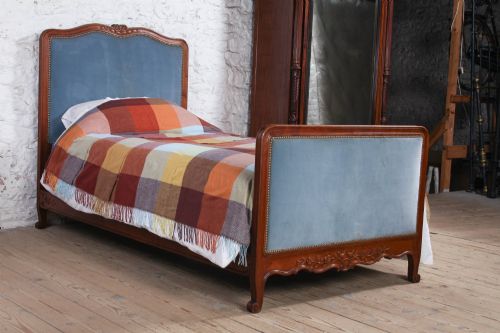
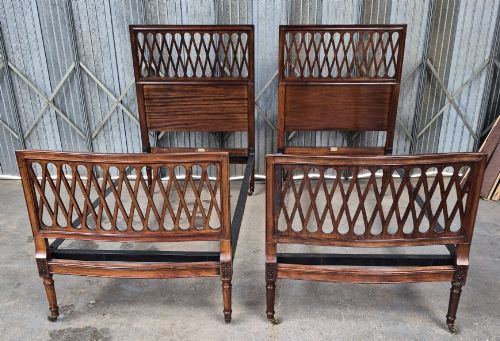
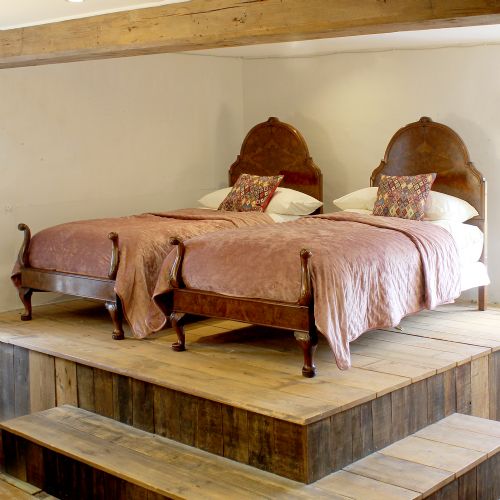
Wooden bedstead construction involved timbers such as oak, mahogany, walnut, and satinwood, frequently enhanced with hand-carved details, marquetry inlay, or woven bergere cane panels. Cabinetmakers shaped these woods using traditional joinery techniques, ensuring stability across the headboards, footboards, and side rails.
What varies in quality
The calibre of an antique single bedstead rests upon the crispness of its timber carving, the choice of figured veneer such as burr walnut, and the integrity of any inlaid decoration. Superior examples display thoughtful proportions and careful matching of grain across the panels.
In metal bedsteads, the distinction lies in the thickness of the brass tubing, the precision of the cast iron ornamentation, and the durability of nickel plating. Maker signatures and paper labels from established firms also separate standard workshop output from higher-tier design.
Antique Single Bedstead Retail Price Guide 2026
Typical asking prices for single bedstead among the pieces listed under this phrase on Sellingantiques today, from the lower quarter to the upper quarter. They describe what is for sale here now, not the wider market.
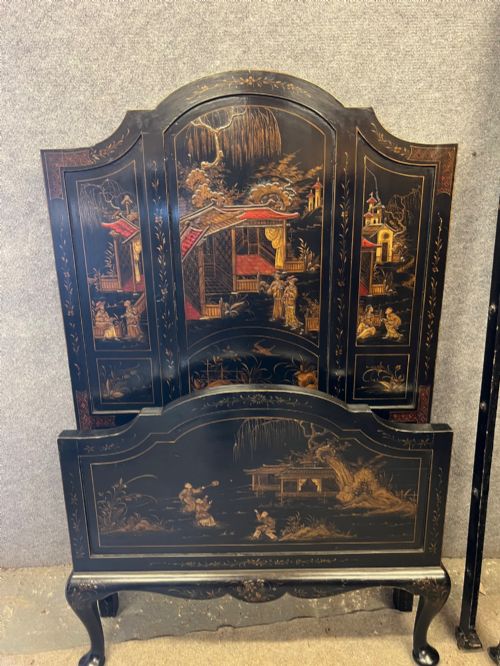
Materials range from solid oak, mahogany, and burr walnut to polished brass, cast iron, and painted toleware.
Heals·Oliver Morel·Waring and Gillow·Hoskins and Sewell·R W Winfield·Shapland and Petter
The Antique Single Bedstead Glossary
- Bedstead
- The complete framework of a bed, comprising the headboard, footboard, and side rails, designed to hold a mattress and base. It distinguishes the architectural structure from modern divan bases.
- Bergere
- A type of cane or wickerwork panel woven in a tight pattern, commonly utilised on the headboards or footboards of Edwardian wooden beds.
- Toleware
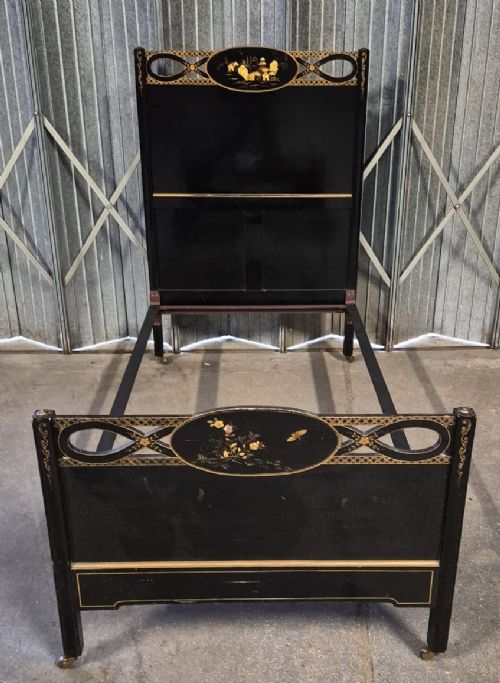
- Painted or lacquered metalware, originating from continental Europe, occasionally found on nineteenth-century bed frames decorated with polychrome finishes.
- Inlay
- A decorative technique where contrasting woods or satinwood are inserted into recesses within the primary timber surface to create patterns.
- Castor
- A small wheel fitted to the base of bed posts to allow mobility, frequently fashioned from brass and ceramic.
Antique Single Bedstead: Frequently Asked Questions
Can antique single bedsteads take modern mattresses?
Most antique single bedsteads accommodate standard modern mattress sizes, provided the internal length and width match current dimensions. Modern slatted bases can often be integrated into the antique frame to support contemporary mattresses securely.
Older frames may occasionally feature non-standard widths, particularly nineteenth-century pieces, so measuring the internal span between the side rails before purchasing a mattress is essential.
How do I join a pair of single beds?
Certain single bedsteads are manufactured with compatible side rails or freestanding designs that allow them to be positioned side by side as a larger sleeping arrangement. These setups often utilise concealed brackets or simple alignment.
When listings note that beds can be joined, they generally share matching heights and frame structures to create a uniform appearance across the twin layout.
Are brass and iron beds easy to assemble?
Metal bedsteads typically rely on wedge-fit corner brackets where the side rails slot directly into the corner posts. This wedge system locks under the weight of the mattress, requiring no screws or tools for basic setup.
Care must be taken when tapping the joints into place to protect the original brass lacquer or painted iron finishes from chipping.
How do I care for wooden bed frames?
Maintaining wooden bedsteads involves regular dusting with a dry cloth and occasional application of appropriate beeswax to nourish polished surfaces like mahogany and oak. Avoiding direct sunlight prevents the timber veneers from fading over time.
Checking the stability of side rail bolts periodically ensures the wooden joints remain tight and secure under daily use.