

19th Century Bedstead
A 19th century bedstead anchors a bedroom with substantial presence and historic form.
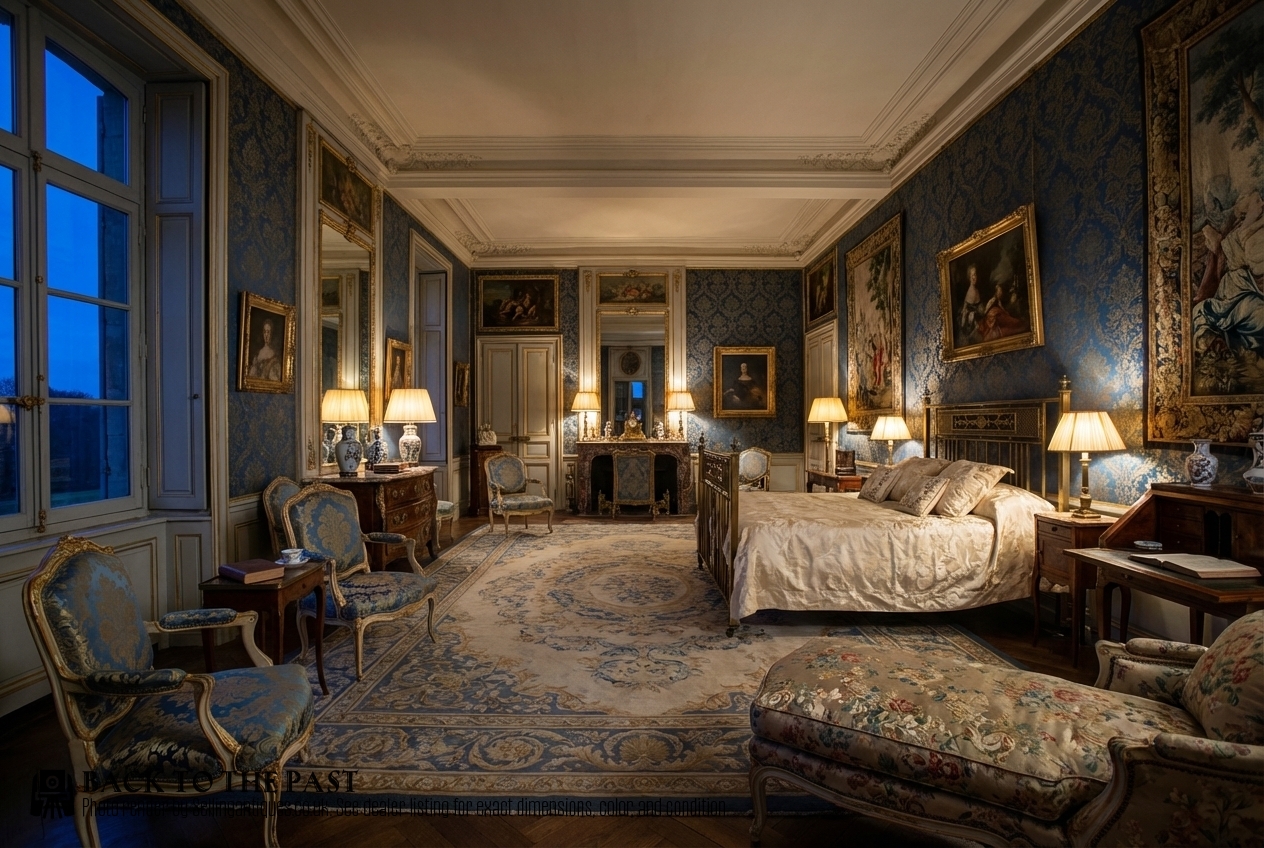
19th Century Bedstead
A 19th century bedstead encompasses large sleeping frames built during the Victorian era, Edwardian period, and throughout the eighteen hundreds. Buyers encounter various sizes ranging from single and double to king size, super king, and half tester formats.
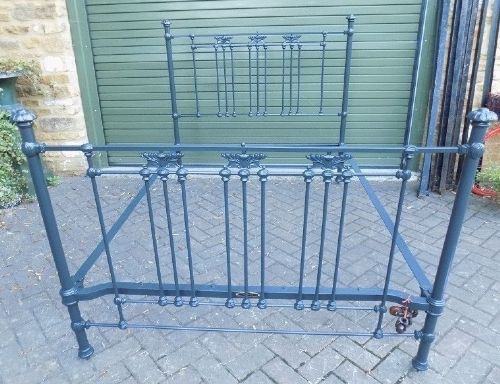
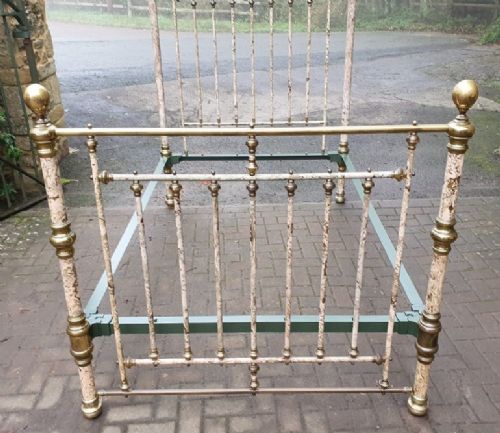
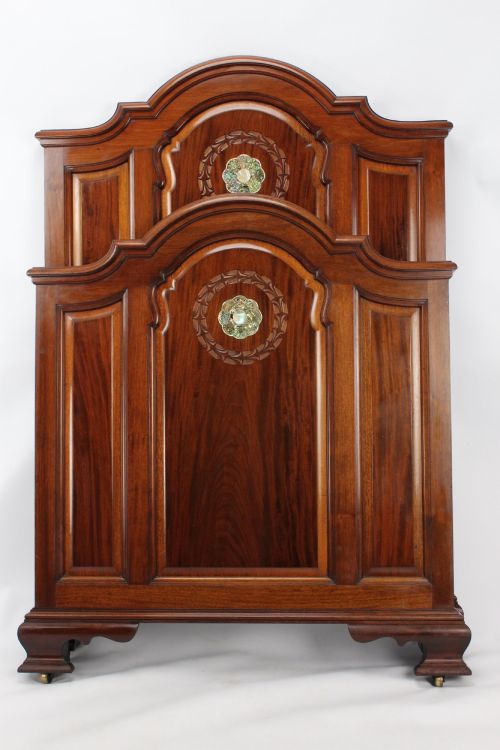
The material selection on this page covers metal frameworks in brass, cast iron, and wrought iron, alongside timber pieces rendered in walnut, mahogany, pine, kingwood, and Chinese hardwood. Many examples originate from French workshops, English makers, and Austrian or Italian regional centres.
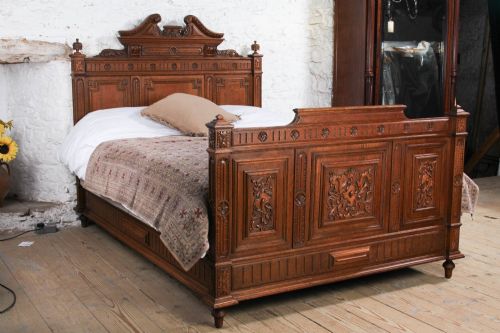
Formations vary from straightforward iron rails and faux bamboo designs to elaborate four poster tester beds, rocking cots, and carved walnut French frames. These structures provide functional sleeping quarters with distinct period character.
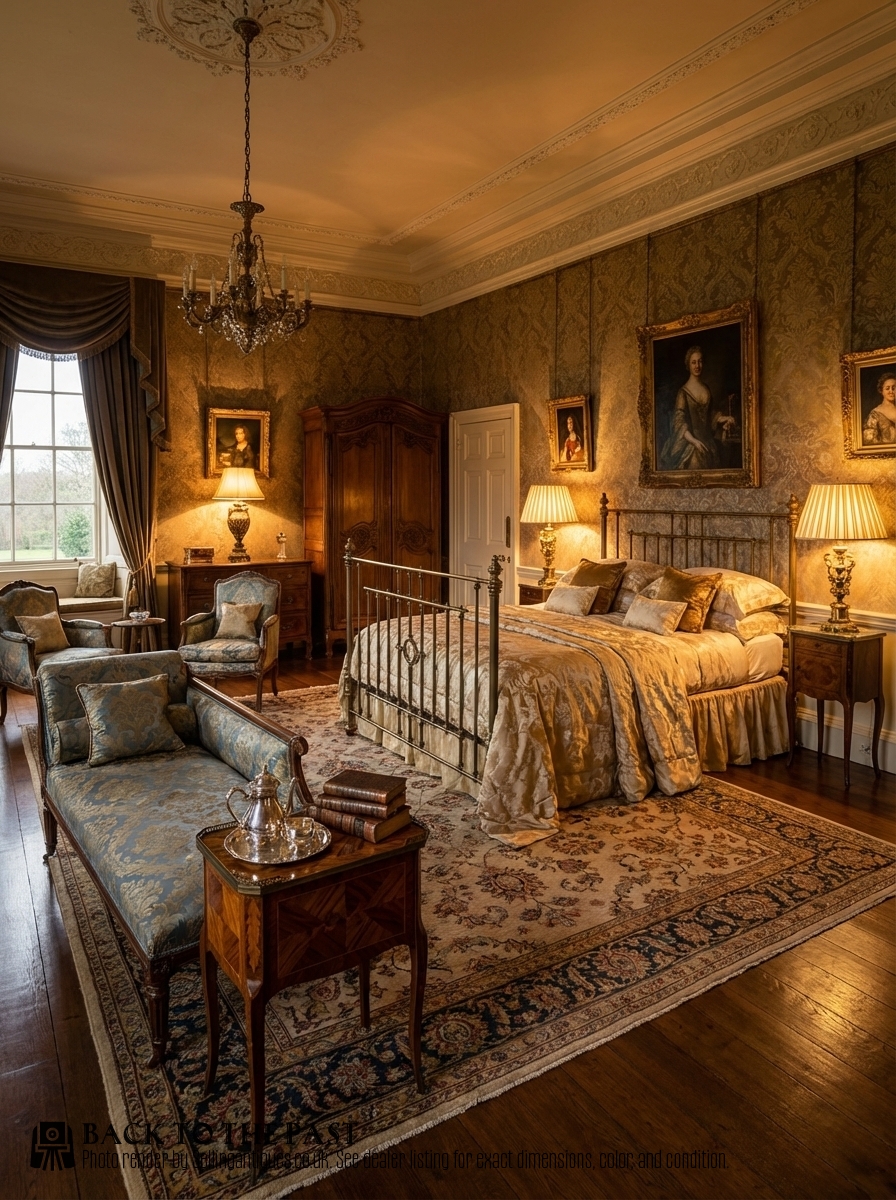
Materials and Construction Techniques
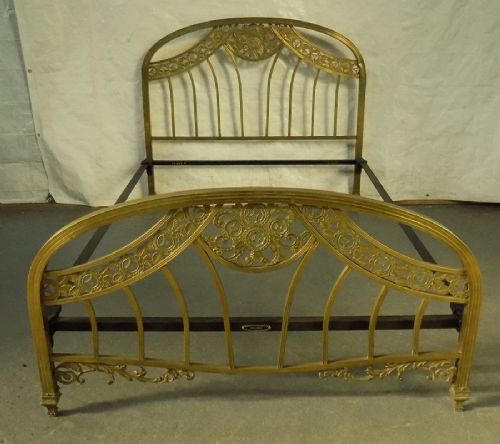
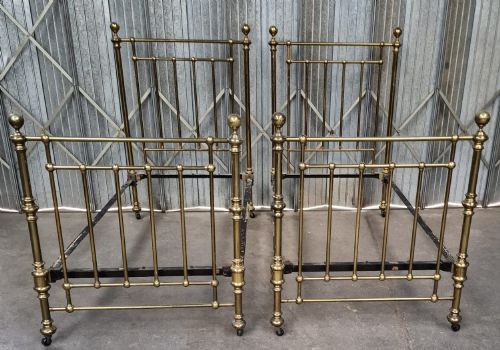
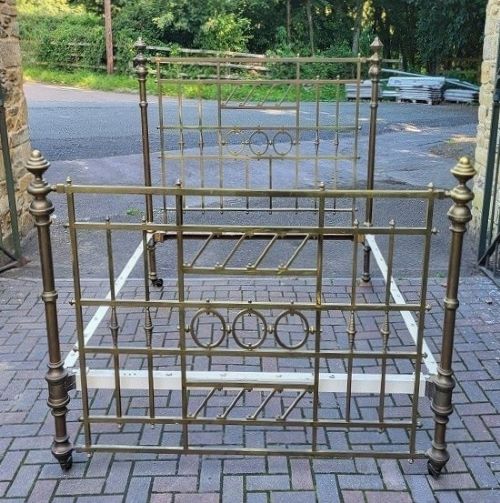
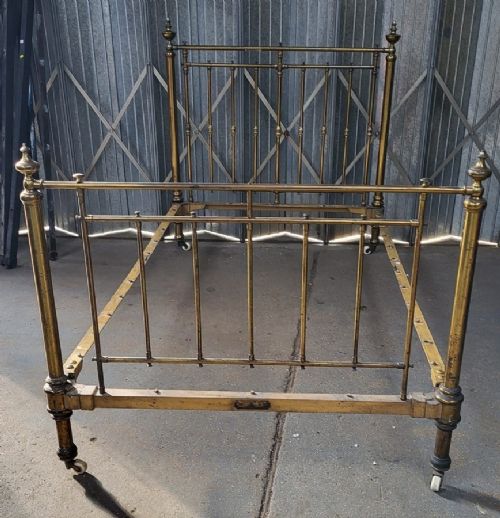
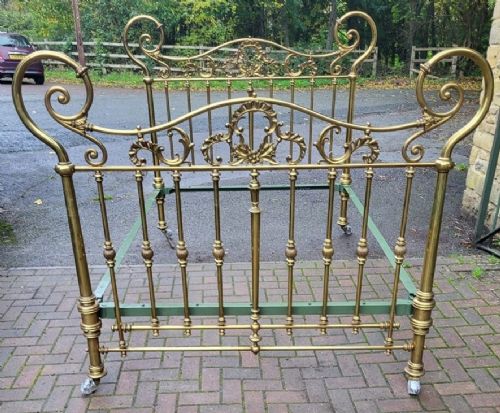
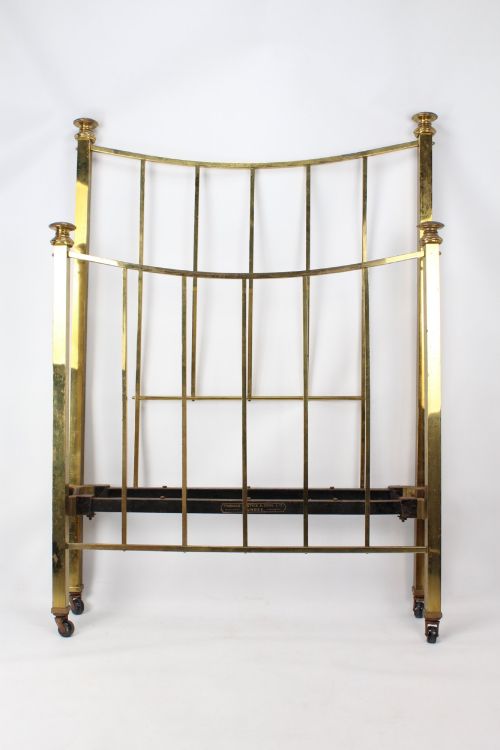
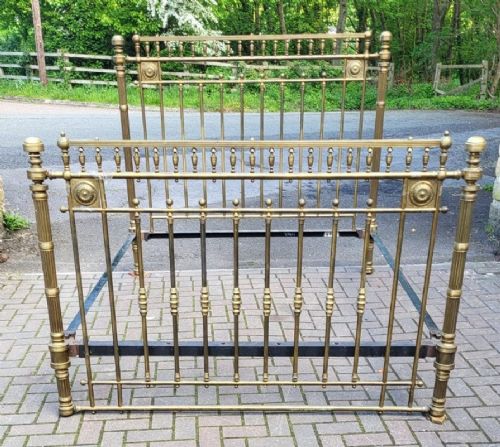
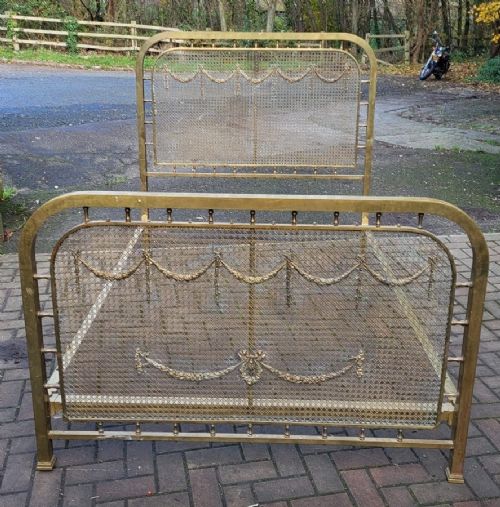
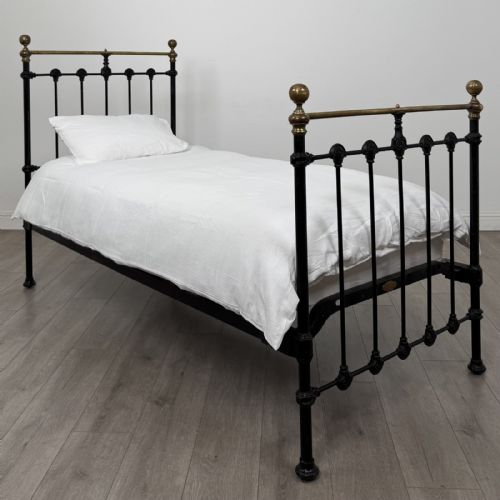
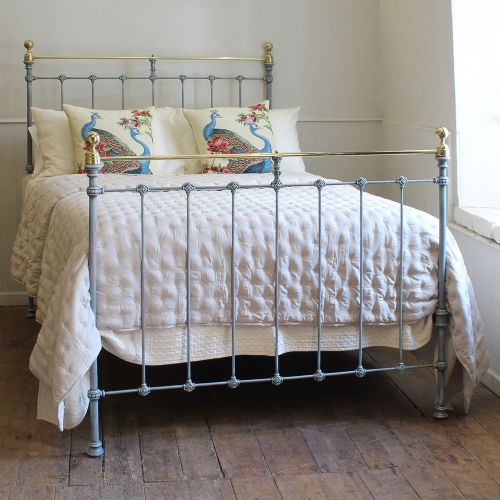
Metal bedsteads combine cast iron and brass components, utilising iron slot-in frames set on castors for mobility and structural support. Brass tubing and cast brass ornamentation add decorative finish to the metal frameworks.
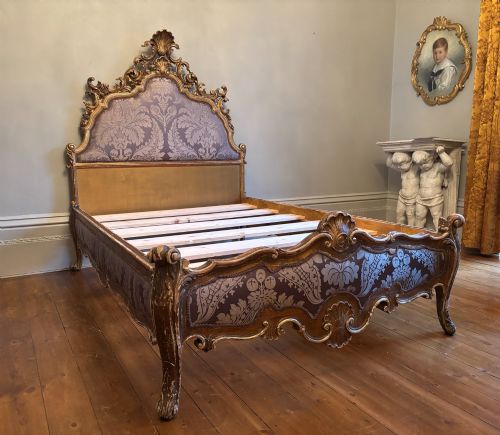
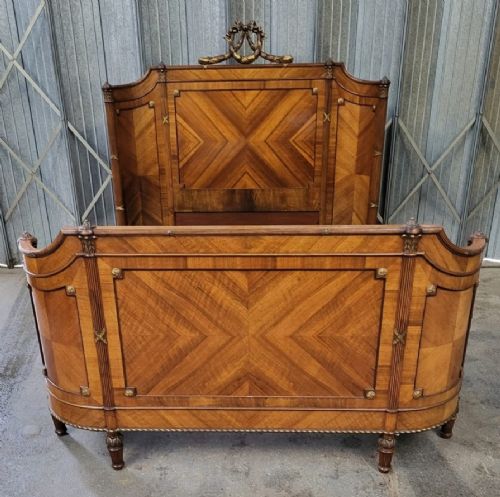
Wooden frames employ solid walnut, mahogany, and pine, often incorporating quarter veneering, parquetry, or ormolu mounts in Louis XV and Louis XVI styles. French painted finishes and toleware surfaces also appear across continental examples.
Joints and assembly rely on heavy iron brackets and bolt-together systems designed to support large timber and metal dimensions securely.
19th Century Bedstead Retail Price Guide 2026
Typical asking prices for 19th century bedstead among the pieces listed under this phrase on Sellingantiques today, from the lower quarter to the upper quarter. They describe what is for sale here now, not the wider market.
Factors Defining Quality
The refinement of surface decoration distinguishes standard utility frames from high-end examples, particularly in the crispness of brass castings, hand-carved walnut details, and ormolu mounts. Finer pieces display sophisticated stylistic adherence to Gothic Revival, Aesthetic Movement, or Rococo idioms.
Structural integrity depends on the robustness of the original iron slot-in frames, heavy-gauge tubing, and substantial timber scantlings that maintain stability across king and super king proportions.
RW Winfield·James Shoolbread and Co
The 19th Century Bedstead Glossary
- Bedstead
- The framework of a bed, consisting of headboard, footboard, and side rails. It supports the mattress and base.
- Half Tester
- A canopy projecting from the wall or headboard over the upper portion of a bed. It often carries drapery to enclose the sleeper.
- Toleware
- Enamelled and painted metalware produced in various European centres during the period. It provides decorative coloured surfaces on specific single beds.
- Ormolu
- Gilded bronze mounts applied to furniture and bed frames. This decorative technique characterises French revival pieces.
- Parquetry
- Geometric wood mosaic work used for surface decoration on headboards and footboards. It creates patterned wooden veneers.
- Faux Bamboo
- Wood turned and painted to imitate natural bamboo stalks. This style gained popularity during the late nineteenth century.
19th Century Bedstead: Frequently Asked Questions
Will a 19th century bedstead fit modern mattresses?
Many nineteenth-century frames were built to historical dimensions which differ slightly from standard modern mattress sizes. Buyers often need to check exact internal measurements or utilise custom mattress makers.
Adjustments to side rails or modern slatted bases are frequently implemented to accommodate contemporary mattresses securely within antique frames.
How do I assemble an antique metal bed?
Most metal bedsteads utilise wedge joints or side-rail slots that hook directly into the headboard and footboard posts. Assembly typically requires two people to align the heavy brass and iron components properly.
Castors on the legs should remain free-moving, and bolts must be tightened gradually to ensure the frame stands square and level.
How do I identify French styles on these beds?
French nineteenth-century beds often display carved walnut, kingwood parquetry, or painted finishes influenced by Louis XV and Louis XVI revivals. Ormolu mounts and sweeping cabriole lines also signal continental manufacture.
English equivalents tend to favour straightforward brass work, iron rails, or Gothic Revival proportions.