



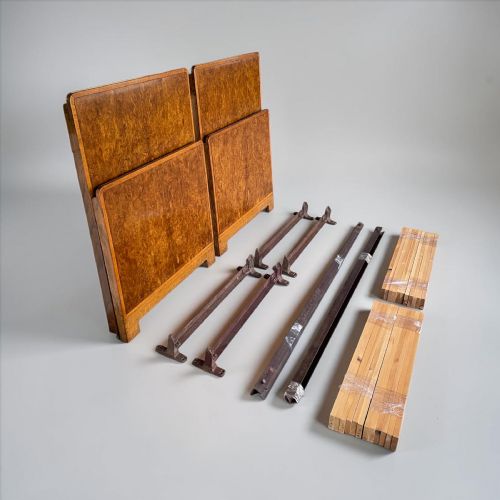
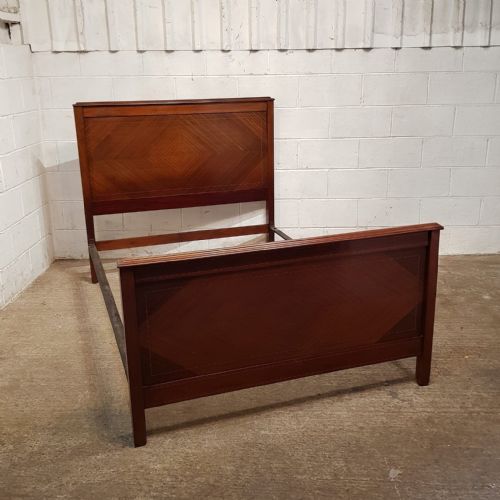
Brown Wooden Bedstead
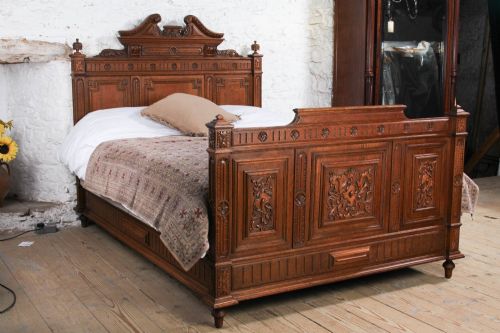
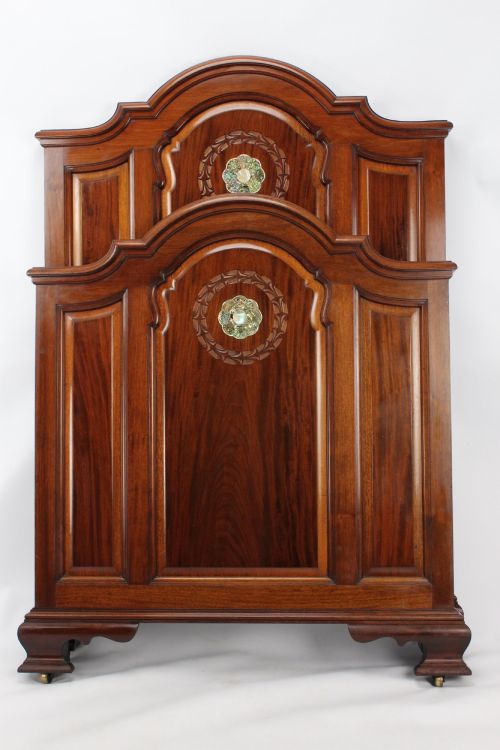
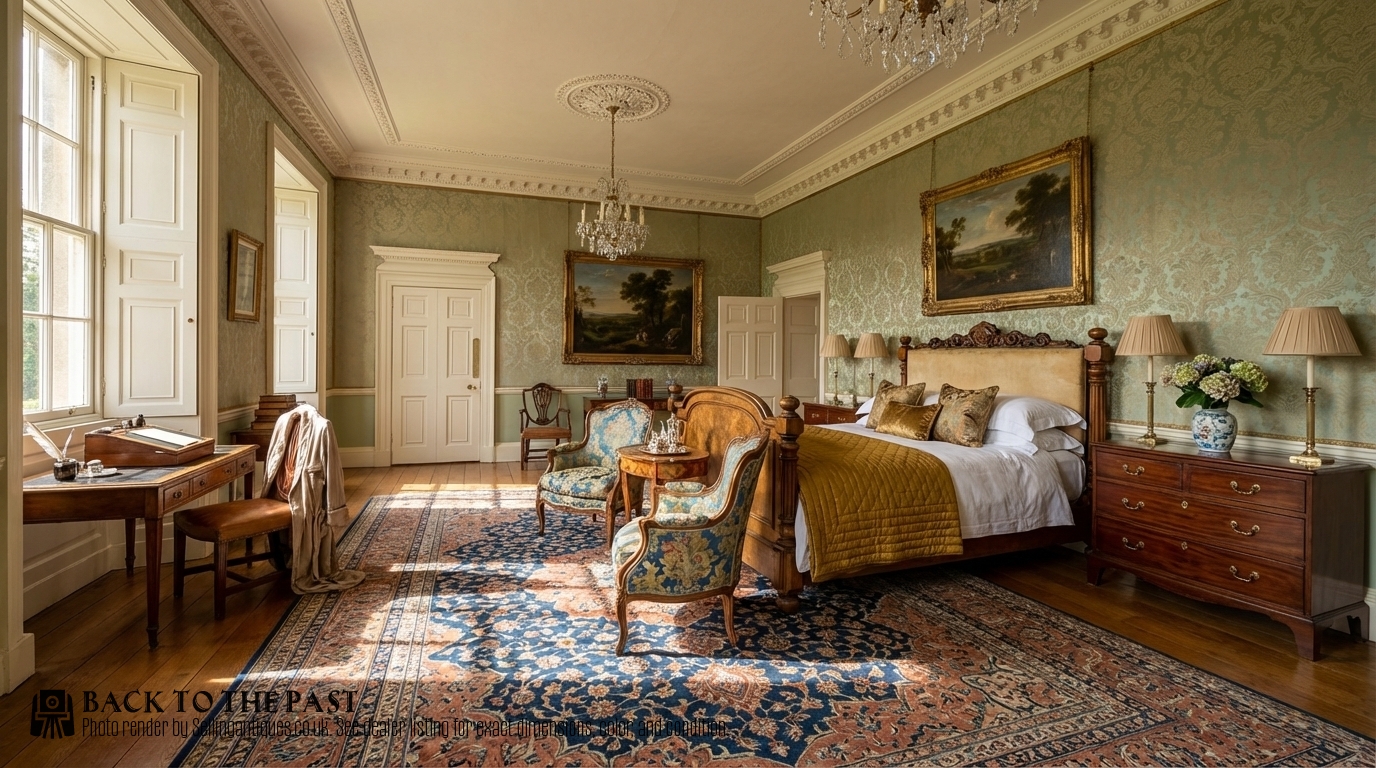
A brown wooden bedstead anchors a room with substantial timber character, offering solid construction and period presence for everyday sleeping.
Brown Wooden Bedstead
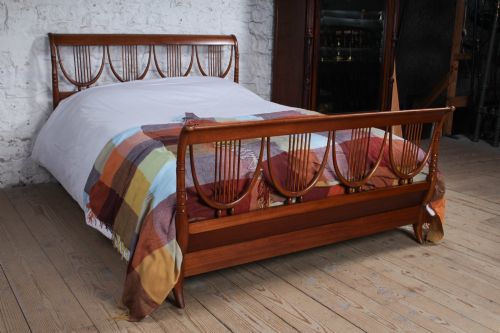
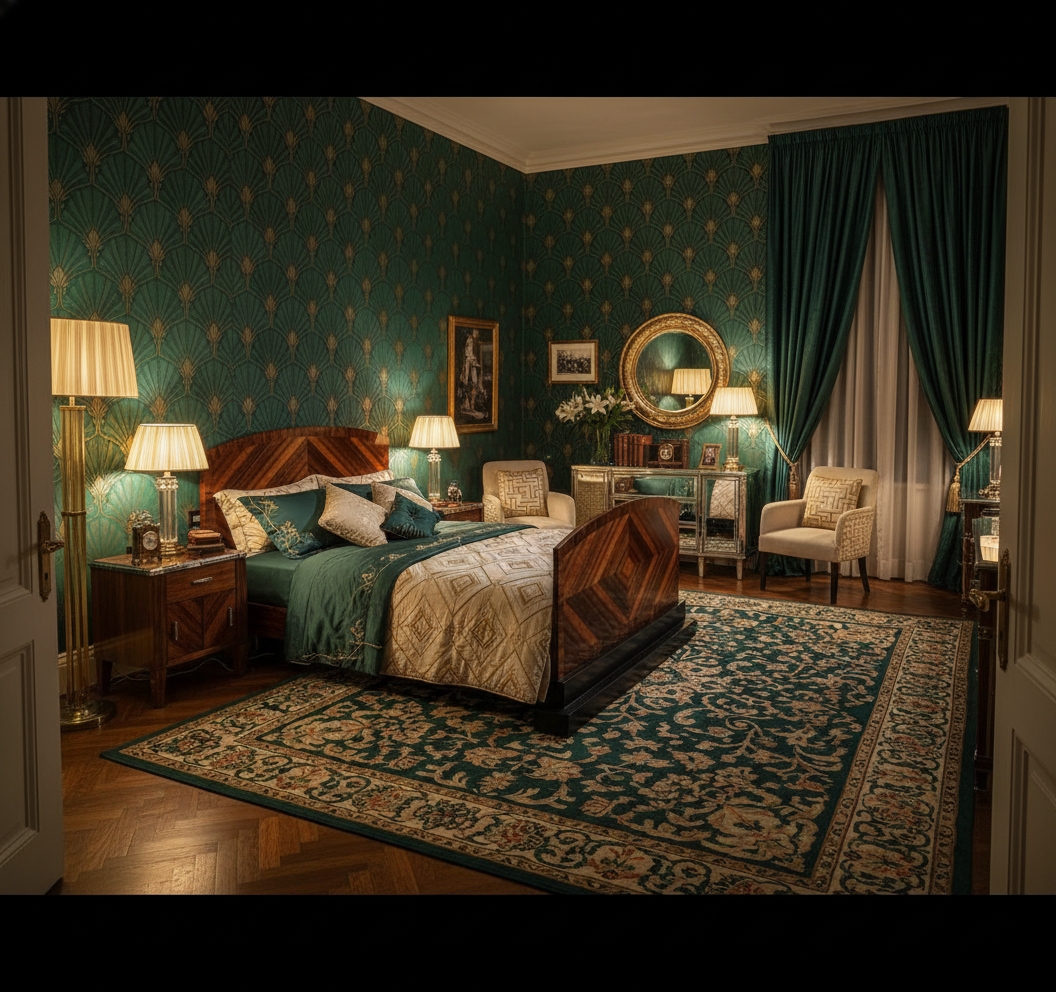
A brown wooden bedstead encompasses everything from early oak four poster frames to Edwardian mahogany double bedsteads and streamlined Art Deco walnut designs. These pieces span centuries of cabinetmaking, featuring single, double, king, and super king sizes alongside miniature dolls beds.
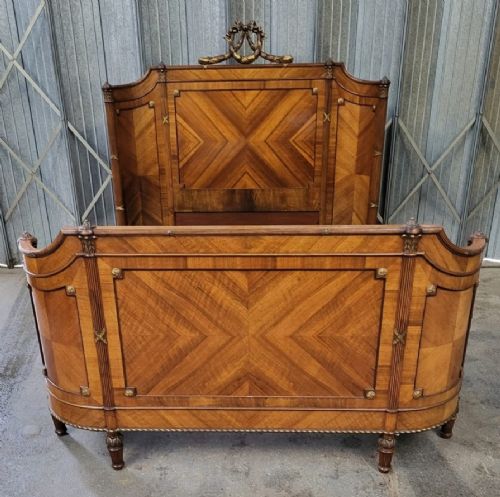
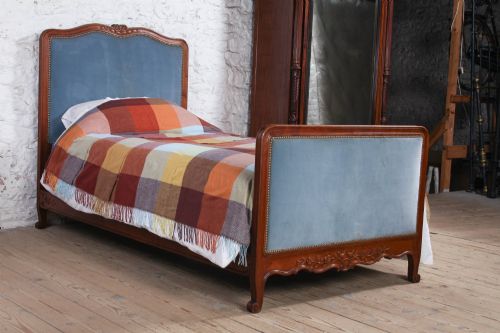
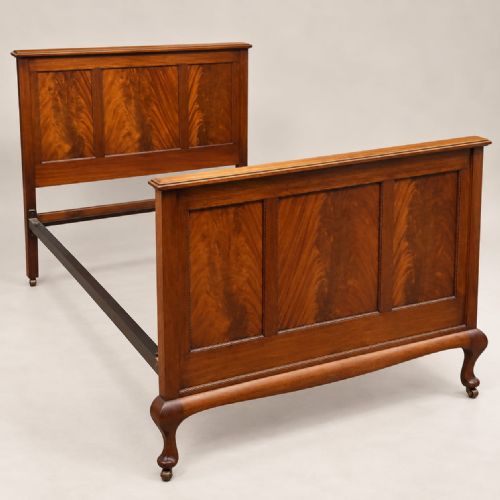
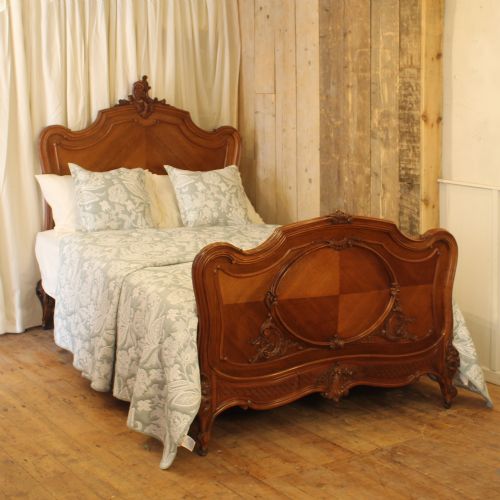
The most common versions met on this page are Edwardian mahogany and walnut examples alongside late nineteenth century French carved walnut double beds. Buyers also encounter rustic oak pieces, Arts and Crafts designs, and French Louis XVI style bedsteads.
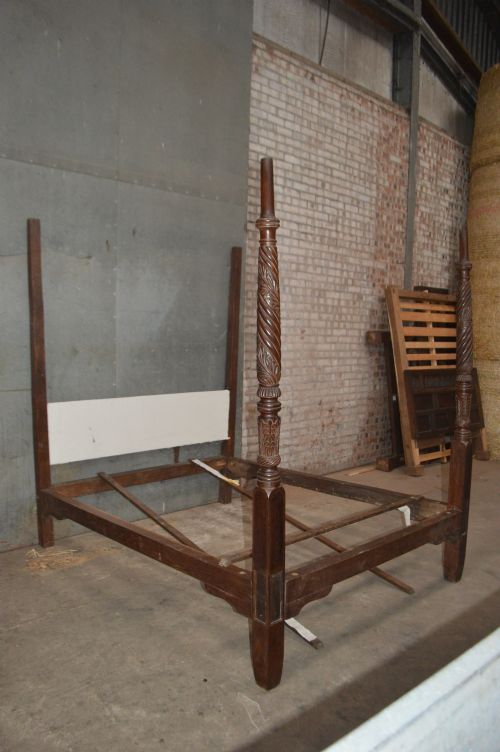
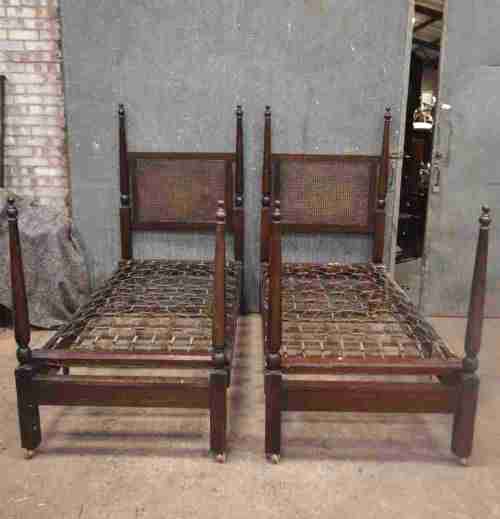
Forms range from simple panelled headboards to four poster tester beds and daybeds constructed in various timber tones. Each bedstead provides a focal point rooted in traditional joinery and period proportion.
Materials and Construction
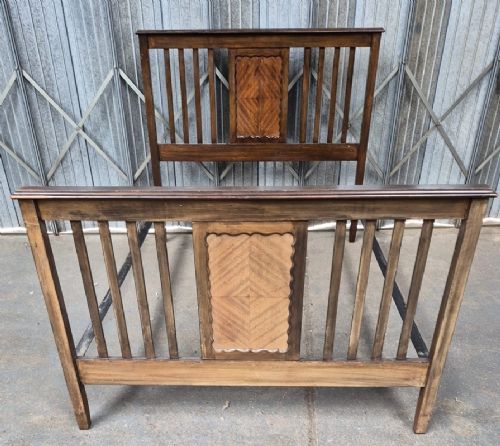
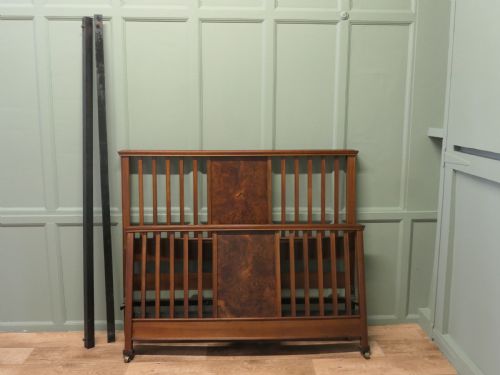
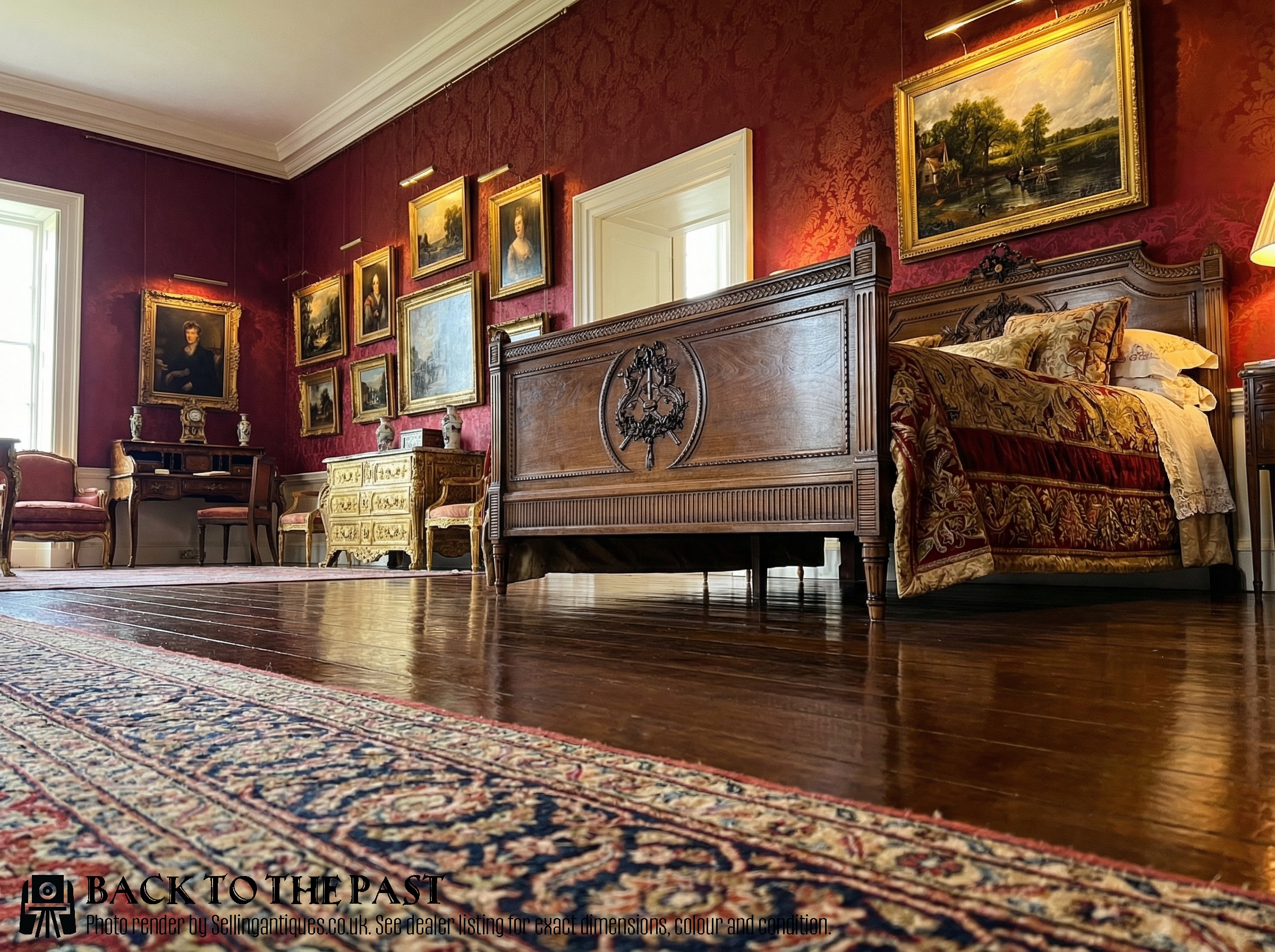
Cabinetmakers utilised solid timbers including oak, mahogany, walnut, fruitwood, and sweet chestnut, often applying burr walnut veneer or parquetry to flat surfaces. Frames rely on traditional joinery methods, mortise and tenon joints, and hand-carved ornamentation.
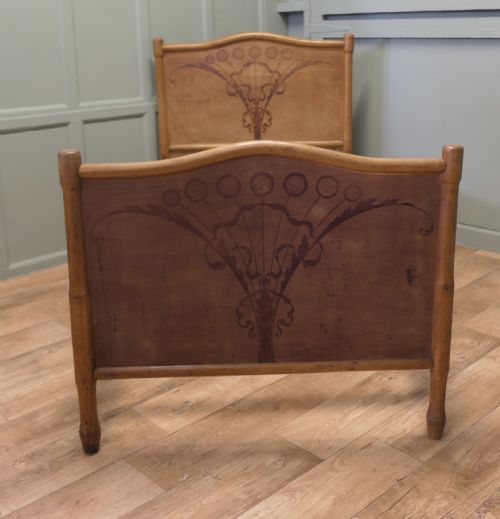
Surface treatments vary from polished wood finishes and French polish to hand-painted floral panels and faux bamboo shaping. Iron and brass components occasionally provide structural reinforcement or decorative contrast to the timber frame.
Brown Wooden Bedstead Retail Price Guide 2026
Typical asking prices for brown wooden bedstead among the pieces listed under this phrase on Sellingantiques today, from the lower quarter to the upper quarter. They describe what is for sale here now, not the wider market.
Among full-sized sleeping quarters, one solitary wooden dolls bed waits patiently for an exceptionally diminutive occupant.
Judging Quality
Quality rests in the selection of figured timber, the depth of hand-carved detailing, and the integrity of the structural joinery. Finer pieces display matched grain patterns, crisp mouldings, and substantial framing timbers that maintain rigidity.
Lesser examples show simpler construction with plain veneers, minimal decorative carving, or standard factory-turned elements. The distinction lies in the architectural ambition of the design and the proficiency of the cabinetmaker.
Stanley Webb Davies·Oliver Morel·Heals
The Brown Wooden Bedstead Glossary
- Bedstead
- A framework supporting a mattress and box spring, typically comprising a headboard, footboard, and side rails. Unlike modern metal frames, traditional versions showcase exposed timber joinery and decorative panelling.
- Four Poster
- A bed featuring four vertical columns that support an upper horizontal frame or tester. Early examples utilise heavy carved oak, while later interpretations adopt lighter proportions.
- Parquetry
- Geometric mosaic woodwork used for decorative surface patterns on furniture. Cabinetmakers arrange contrasting timber veneers to create intricate parquet designs on headboards and footboards.
- Veneer
- A thin slice of figured wood applied over a secondary timber base to create decorative grain patterns. Burr walnut veneers provide complex swirling patterns on Art Deco and Edwardian bed frames.
- Bergere
- A closed armchair or bed component featuring woven cane panels. In wooden beds, cane work appears within carved wooden frames for an airy aesthetic.
Brown Wooden Bedstead: Frequently Asked Questions
How do I choose the right size?
Measure your available floor space and check the internal mattress dimensions given in the listing. Period sizing conventions differ from modern standards, making careful measurement essential.
Consider the height of headboards and footboards to ensure they clear doorways, stairwells, and ceiling fixtures during installation.
Will antique wooden beds take modern mattresses?
Many period bedsteads accommodate standard mattress sizes, though older French and continental frames may require custom or bespoke mattress dimensions. Check the internal width and length before purchasing.
Modern slatted bases or supportive platforms can be adapted to fit inside traditional side rails without altering the antique timber structure.
How do I care for polished wood?
Dust surfaces regularly with a soft, dry cloth and avoid placing wooden furniture near direct heat sources or strong sunlight. These precautions prevent timber from drying out and finishing from fading.
Apply a quality beeswax polish sparingly to nourish the wood and maintain a natural sheen without building up heavy residue.
How do I identify the period?
Examine the timber species, carving styles, and construction techniques used in the frame. Oak and heavy mouldings point towards earlier centuries, while mahogany and satinwood often indicate Georgian or Edwardian origins.
Art Deco pieces display geometric symmetry and figured walnut veneers, distinguishing them from ornate nineteenth century French carved walnut designs.