




Mahogany Four Poster Bed
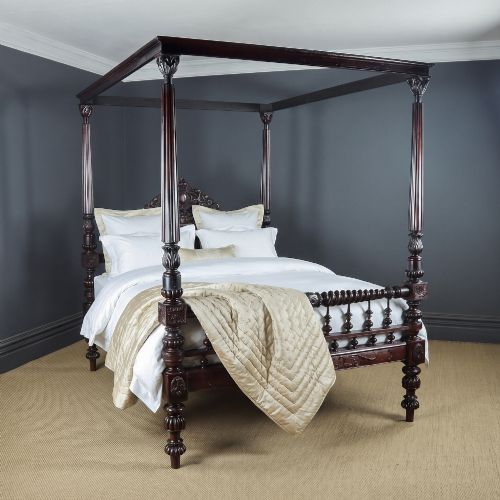
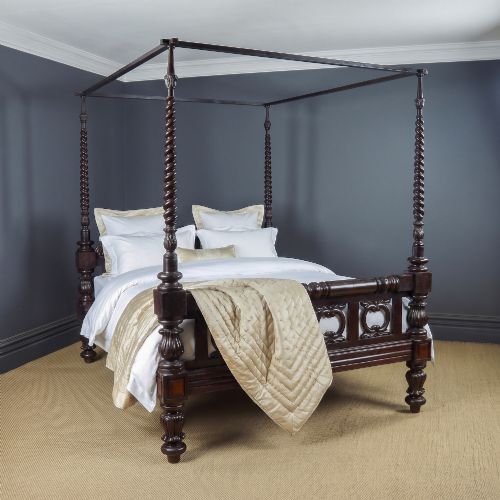
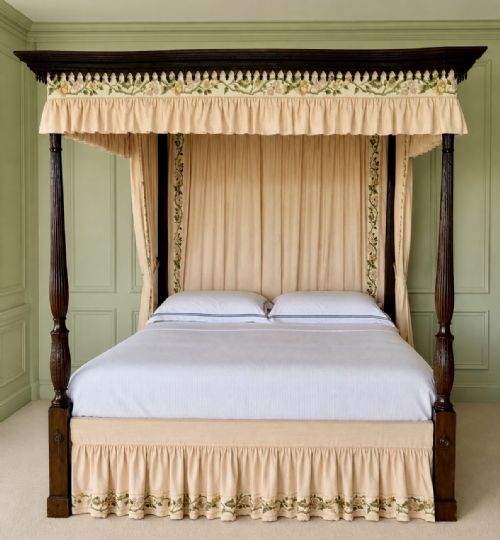
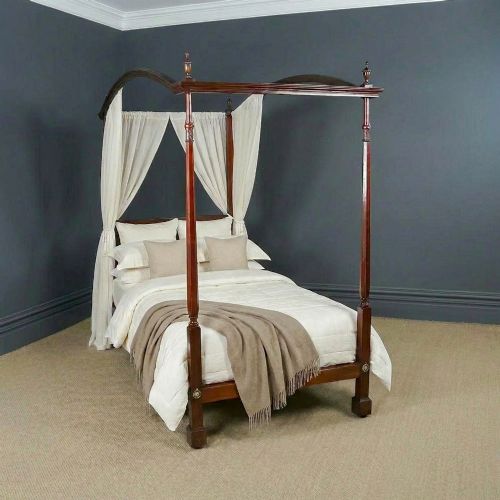
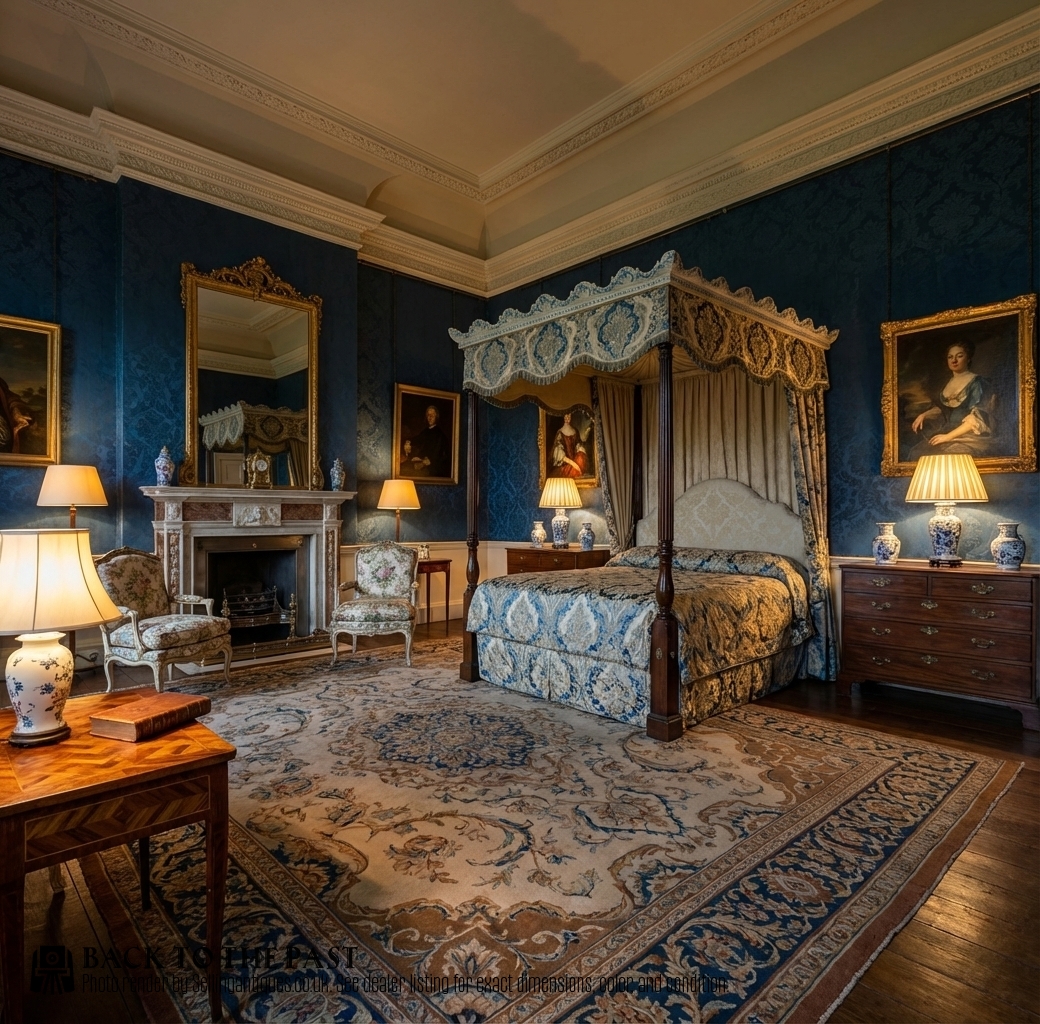
A mahogany four poster bed brings architectural presence and grand scale to a room, drawing the eye with solid timber uprights and overhead testers.
Mahogany Four Poster Bed
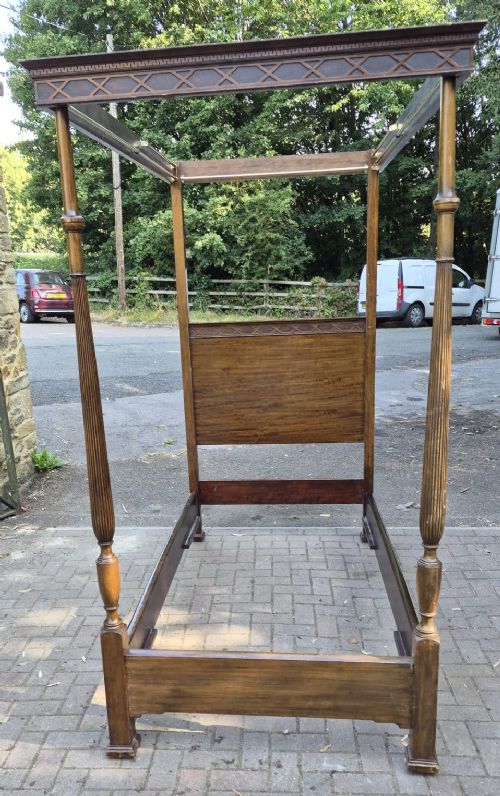
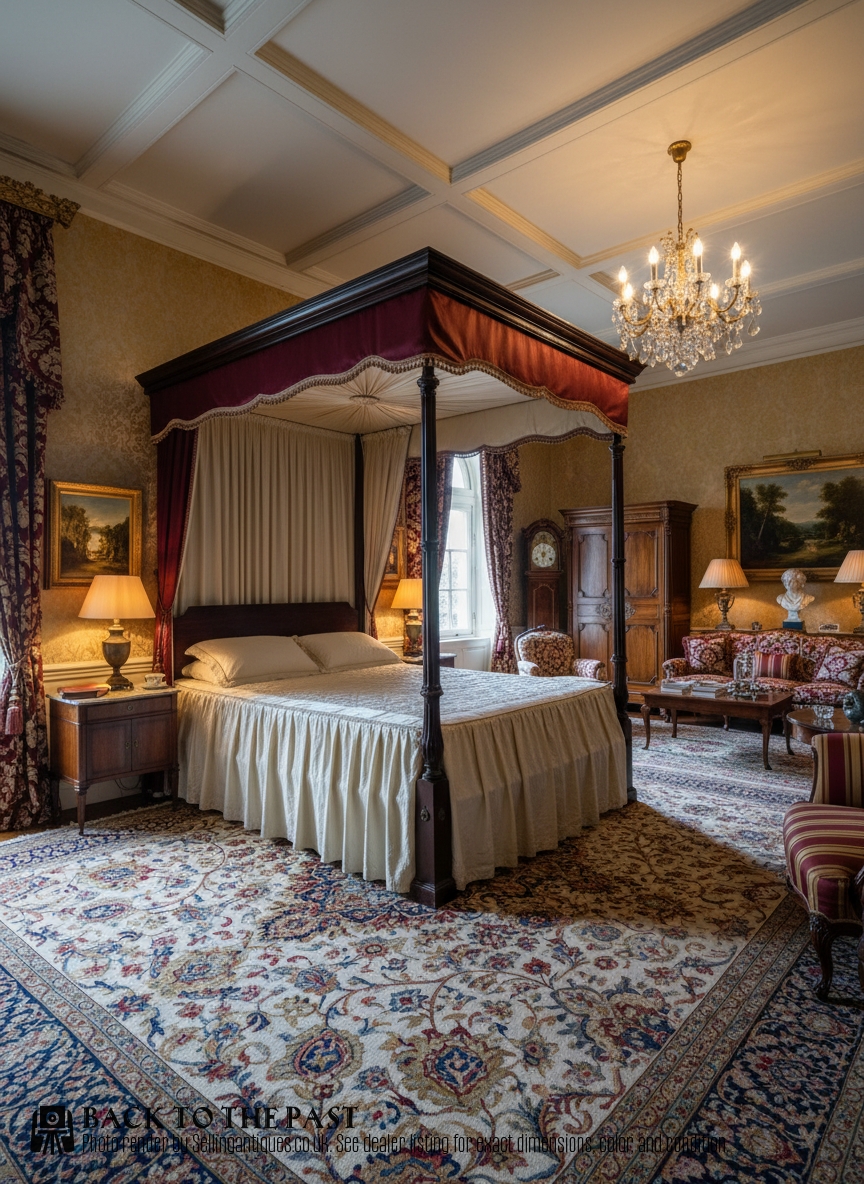
A mahogany four poster bed is a substantial architectural sleeping frame defined by four vertical posts supporting an overhead tester canopy. When you search for this phrase, you meet full-size frames, king and super king proportions, and occasional single variants or smaller pet furniture.
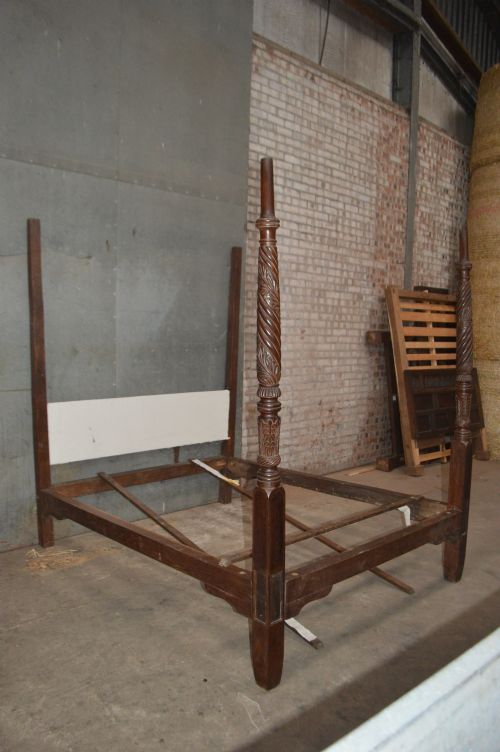
The pieces on this page span the eighteenth, nineteenth, and early twentieth centuries, encompassing Georgian, Regency, Victorian, and Edwardian eras. Alongside standard domestic frames, the selection includes Anglo-Indian colonial pieces made for the Raj and architectural salvage elements such as standalone bed posts.
How they were made
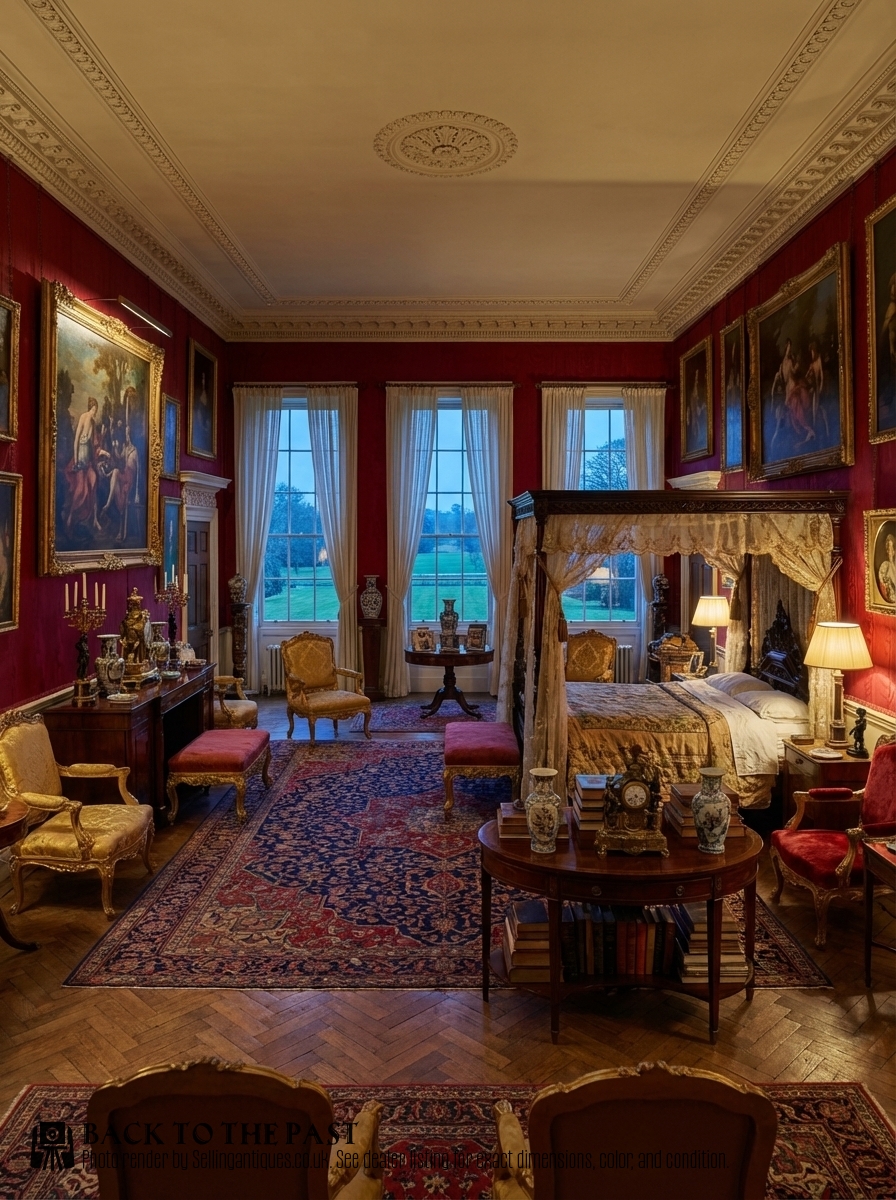
Cabinetmakers built these frames primarily from solid mahogany and flame mahogany veneer, supported by secondary timbers like pine and hardwood. Some examples incorporate fabric drapes, curtains, and bed covers beneath gilded wood or carved cornices.
Construction relied heavily on manual joinery, hand carving, and precise turning on large lathes. Makers shaped the upright posts and headboards with deep relief carving, reeded fluting, and applied veneers before polishing the timber to a deep lustre.
Mahogany Four Poster Bed Retail Price Guide 2026
Typical asking prices for mahogany four poster bed among the pieces listed under this phrase on Sellingantiques today, from the lower quarter to the upper quarter. They describe what is for sale here now, not the wider market.
What varies in quality
The distinction between ordinary and exceptional frames lies in the crispness of the hand carving and the selection of the timber. Finely figured flame mahogany veneer and deeply undercut botanical or classical motifs separate bespoke workshop output from standard production.
Proportion and structural integrity dictate the standing of a piece, with well-balanced tester proportions and original untouched posts holding greater authority. The integration of maker details, such as documented cabinetmaker signatures or established firm labels, further elevates the stature of a bed.
Heals of London·Wright & Elwick·Howard & Sons
The Mahogany Four Poster Bed Glossary
- Tester
- The overhead wooden canopy or frame supported by the four upright posts. It frequently holds drapery or cornices above the sleeping deck.
- Flame mahogany veneer
- A thin slice of timber cut from the fork of the mahogany tree where branches meet the trunk. This creates a distinct, fiery, flame-like grain pattern used on prominent surfaces.
- Bedpost
- The vertical pillar that rises from the foot or head of the bed to support the tester. These are often turned on a lathe and carved with reeding or foliage.
- Half tester bed
- A variation where the overhead canopy extends only over the head portion of the bed rather than the entire length. This form provides a concentrated architectural focus above the pillows.
Mahogany Four Poster Bed: Frequently Asked Questions
How do I fit a modern mattress?
Many antique frames predating standard sizing require custom-made mattresses to fit the interior dimensions correctly. Check the width and length between the posts before ordering a base.
Modern slats or modern wooden support boards can often be integrated discreetly inside the rails to accommodate contemporary mattresses without altering the historic frame.
How were four poster beds used?
Historically, enclosed tester beds with heavy curtains provided warmth and privacy in draughty rooms. The overhead canopy and hanging drapes kept out cold air and blocked morning light.
In grand houses, these imposing beds served as status symbols in principal bedchambers, where hosts frequently received morning visitors while resting.
How do I style one today?
Pair the dark timber tones with neutral walls and simple linens to let the architectural posts remain the focal point. Keeping surrounding furniture understated prevents the room from feeling overcrowded.
Consider hanging light cotton or linen drapes from the tester if you want to soften the vertical lines of the posts and add texture.
How do I tell periods apart?
Georgian and Regency pieces typically display clean classical lines, slender reeded posts, and fine flame mahogany veneers. Later Victorian and Edwardian examples often feature heavier proportions, bolder relief carvings, and darker polished finishes.
Colonial pieces from the Anglo-Indian tradition frequently combine dense native hardwoods with deep, intricate botanical carving reflecting regional craftsmanship.