



Antique Mahogany Bedstead
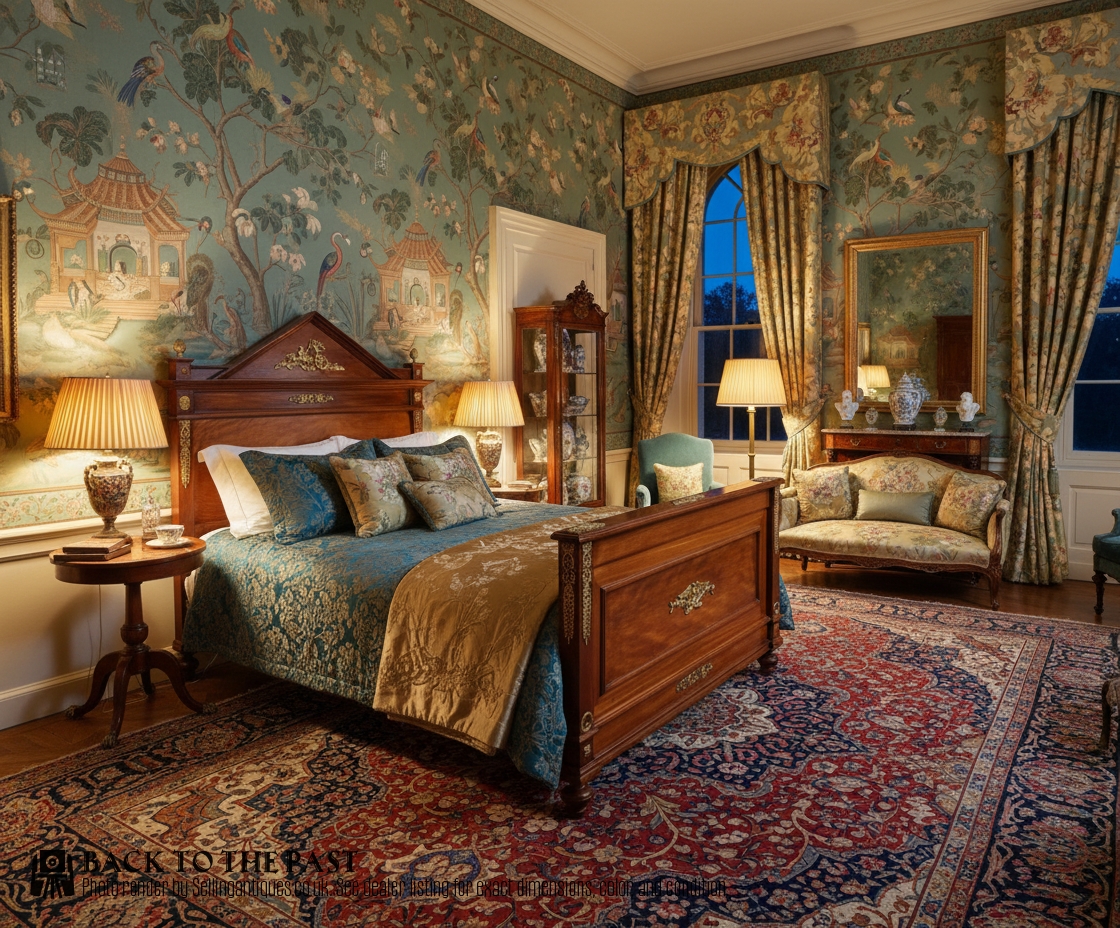
An antique mahogany bedstead brings warmth and structural presence to a bedroom, drawing on decades of craftsmanship from the Victorian and Edwardian eras.
Antique Mahogany Bedstead
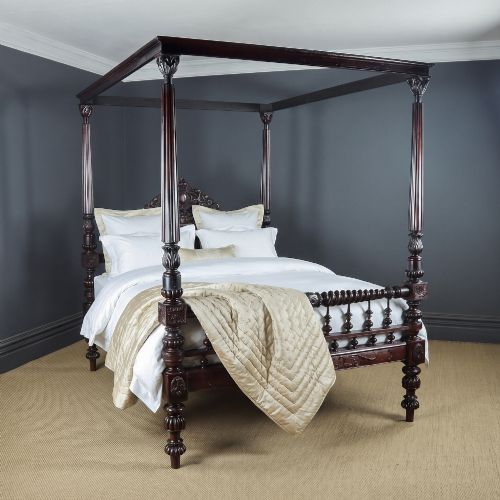
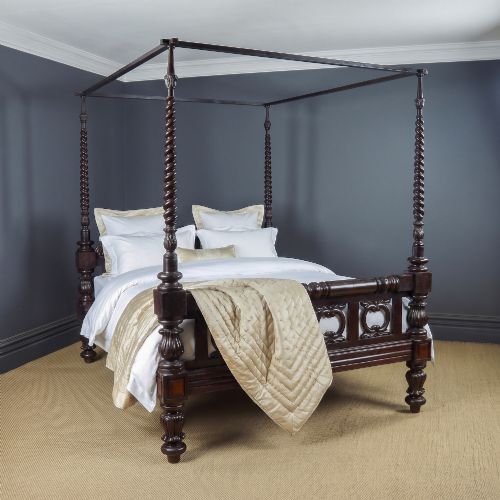
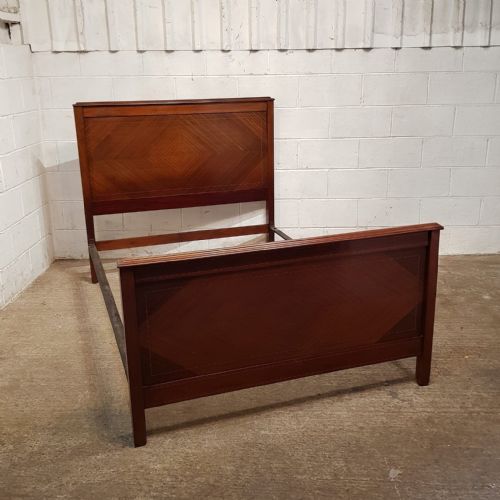
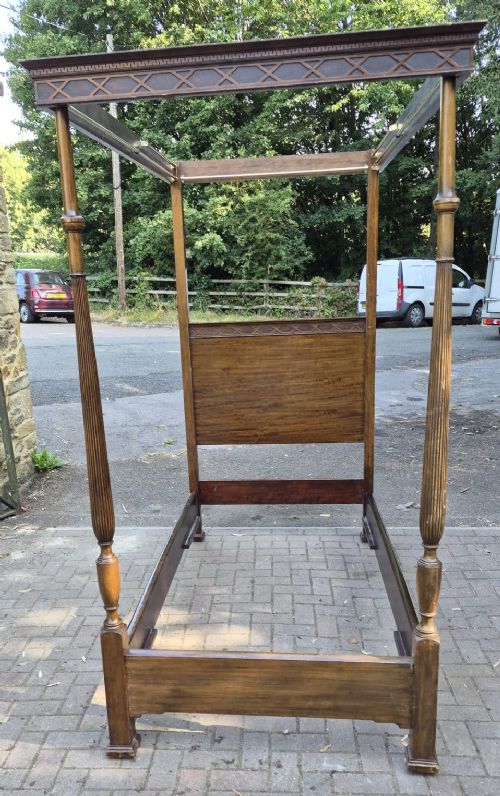
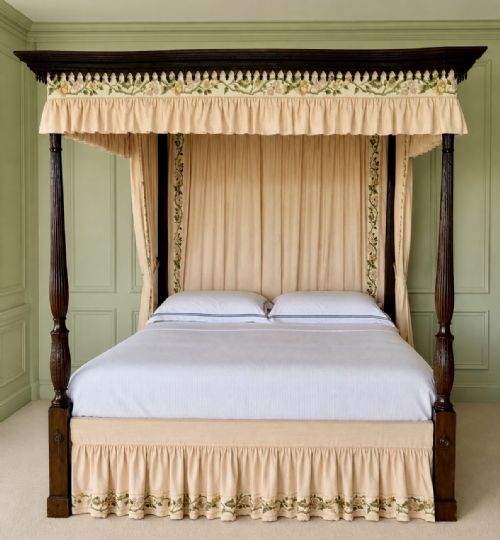
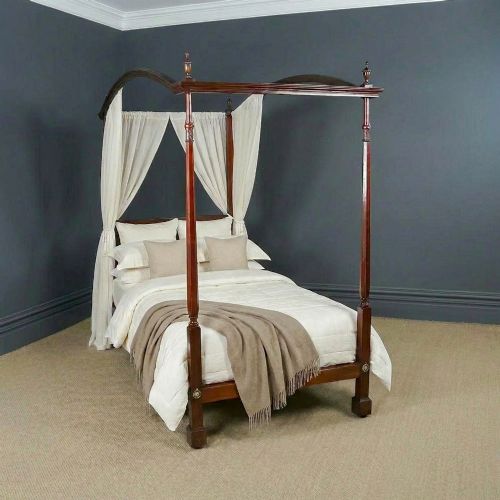
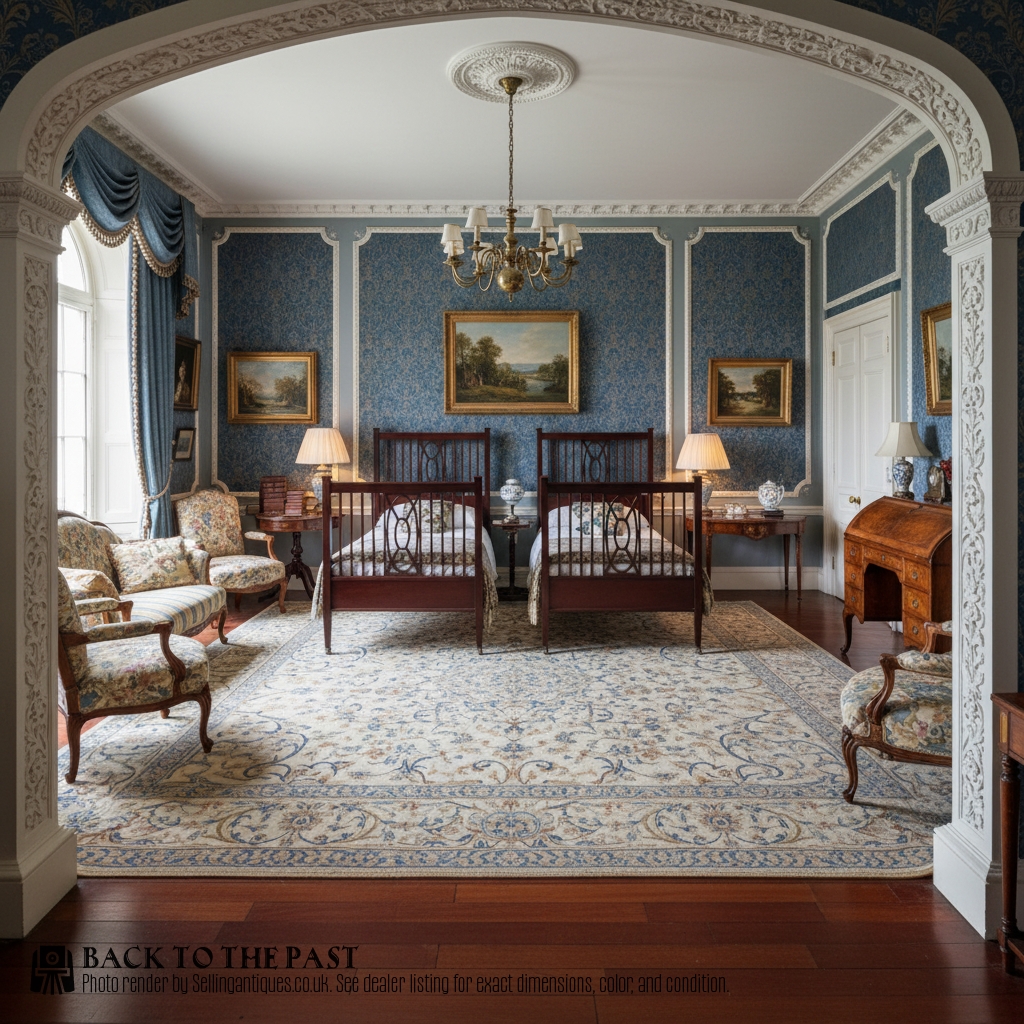
An antique mahogany bedstead encompasses a range of wooden sleeping frames, from simple single structures to large four-poster and tester designs. The selection frequently includes Edwardian double bedsteads alongside nineteenth-century and Victorian iterations.
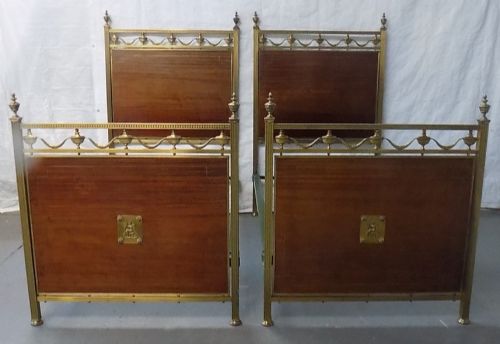
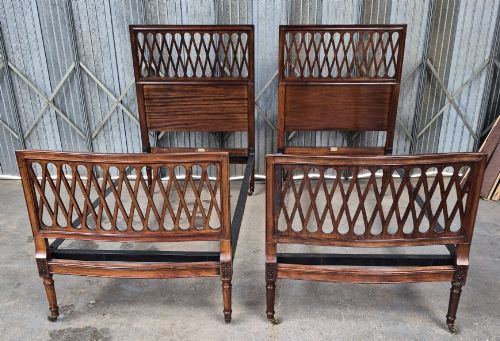
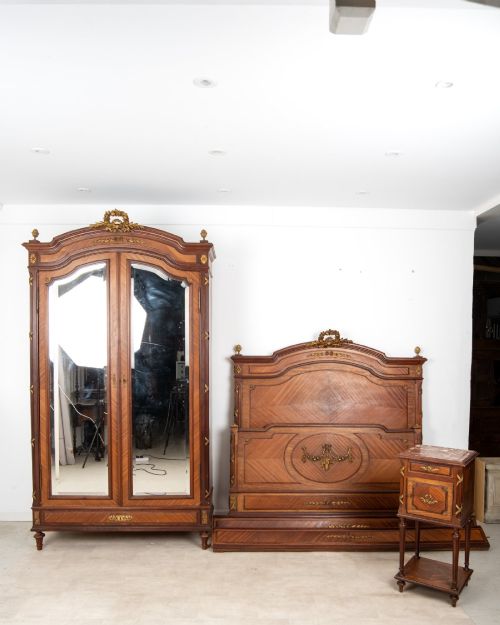
Buyers encounter styles spanning French Empire, Louis XVI, Anglo-Indian Colonial, and Arts and Crafts movements. The primary forms function as central bedroom fixtures, combining functional support with period woodworking traditions.

How they were made
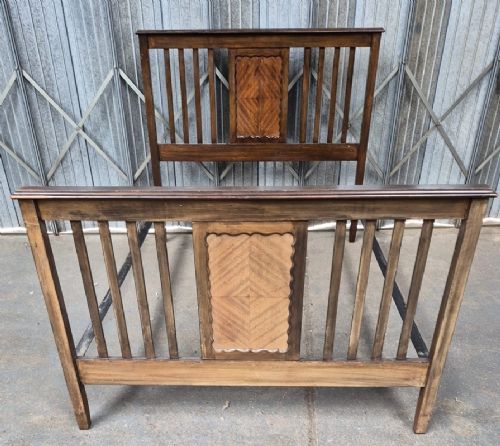
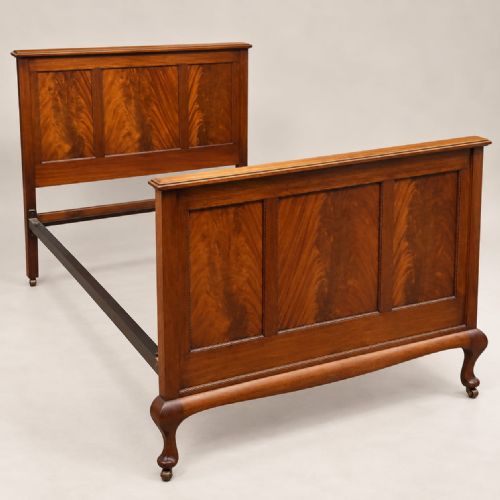
Cabinet makers utilised solid mahogany and flame mahogany veneers over secondary timbers such as pine, occasionally incorporating fruitwood for contrasting parquetry and marquetry details. Structural stability often relied on integrated iron or brass fittings.
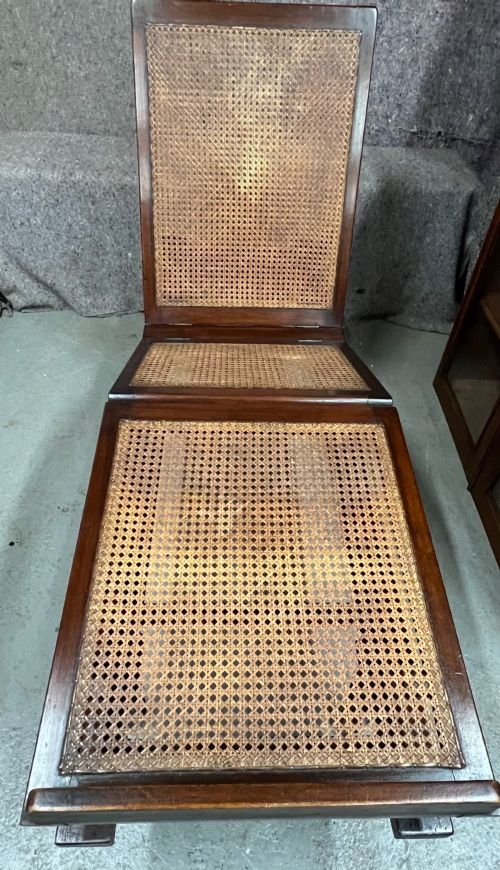
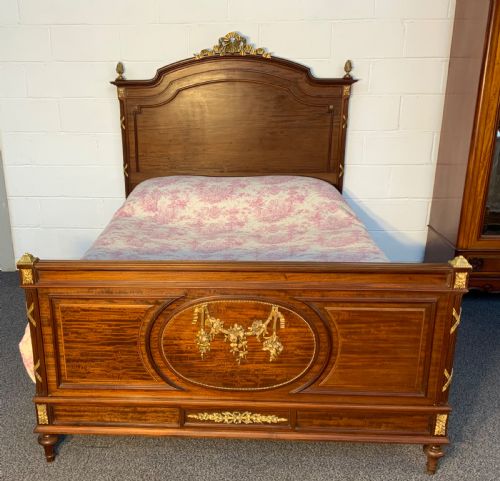
Surface ornamentation involved careful carving, inlay work, and polished finishes to highlight the grain. Many frames incorporated brass detailing, ormolu mounts, and woven bergere panels to achieve decorative depth.
Antique Mahogany Bedstead Retail Price Guide 2026
Typical asking prices for mahogany bedstead among the pieces listed under this phrase on Sellingantiques today, from the lower quarter to the upper quarter. They describe what is for sale here now, not the wider market.
Listings feature multiple timber variants including solid mahogany, flame mahogany veneer, fruitwood, and pine.
What varies in quality
The distinction between tiers rests upon the depth of timber selection, such as figured flame mahogany or plum pudding grain, balanced against standard solid stock. Hand-carved elements and precise parquetry distinguish workshop pieces from mass-produced frames.
Construction methods determine the integrity of the bedstead, including the precision of joints, the quality of integrated metalwork, and the presence of maker signatures from establishments like Heals of London or Howard and Sons.
Heals of London·Howard and Sons·Louis Majorelle·Staples and Co
The Antique Mahogany Bedstead Glossary
- Bedstead
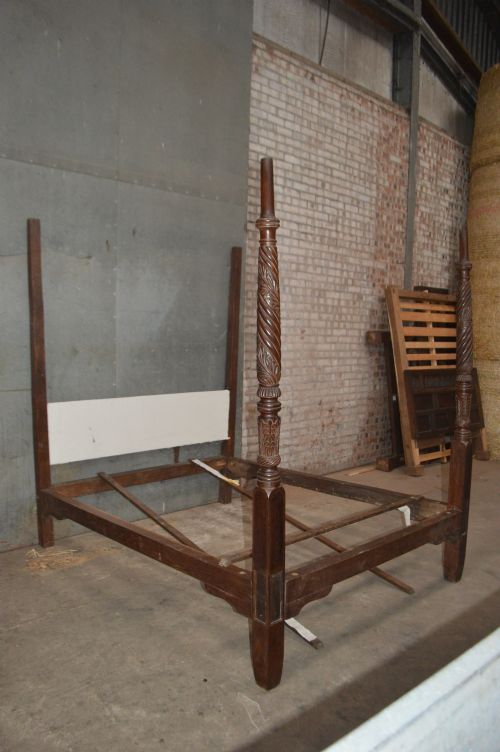
- The framework of a bed consisting of headboard, footboard, and rails designed to support a mattress base. Early versions often dismantled using metal bolts rather than modern fixings.
- Flame mahogany
- A veneer cut from the fork of the mahogany tree to create a distinctive flickering flame pattern. Cabinet makers reserved this timber for prominent surfaces like headboards.
- Tester
- A wooden canopy or sounding board suspended over a four-poster bed. It added architectural presence and originally supported curtains to retain warmth.
- Ormolu
- Gilded bronze used for decorative mounts on furniture frames, particularly prominent in French Empire and Neoclassical designs. The technique involves applying a mercury and gold amalgam to bronze.
- Parquetry
- Geometric wood-mosaic work used for flooring and furniture panels, combining contrasting timbers like fruitwood and mahogany. Craftsmen arranged small veneer blocks to form repeating patterns.
Antique Mahogany Bedstead: Frequently Asked Questions
Will a standard mattress fit an antique mahogany bedstead?
Many older bedframes predates modern standard sizing conventions and may require custom mattress dimensions. Checking the internal rail measurements ensures compatibility with contemporary bases.
Some frames accommodate modern slatted bases or box springs with minimal adjustment, while others require professional adaptation to support modern weights securely.
How do I care for polished mahogany furniture?
Maintaining the finish requires dusting with a soft cloth and avoiding exposure to direct sunlight and radical humidity changes. Natural beeswax polishes help nourish the timber over time.
Water and alcohol should be kept away from the surface to prevent staining the traditional shellac or wax coatings applied by period cabinet makers.
Are these beds easy to assemble?
Most antique bedsteads utilise traditional iron bed bolts and side-rail slots that require simple hand tools for assembly. Two people are typically needed to align the heavy headboards and footboards safely.
Care must be taken when tightening threaded metal components into older wood to avoid stripping the original anchor points.
How do I distinguish Edwardian mahogany from Victorian examples?
Victorian pieces tend to feature heavier proportions, darker finishes, and deeper decorative carving, reflecting earlier nineteenth-century tastes. Anglo-Indian and Gothic revival styles are common within this bracket.
Edwardian furniture often displays lighter construction, sometimes incorporating satinwood stringing, marquetry, and simpler lines influenced by Arts and Crafts ideals.