




Period Mahogany Bedstead
These period mahogany bedstead examples bring warmth and architectural presence to a bedroom, offering timeless timber tones and sturdy framing.
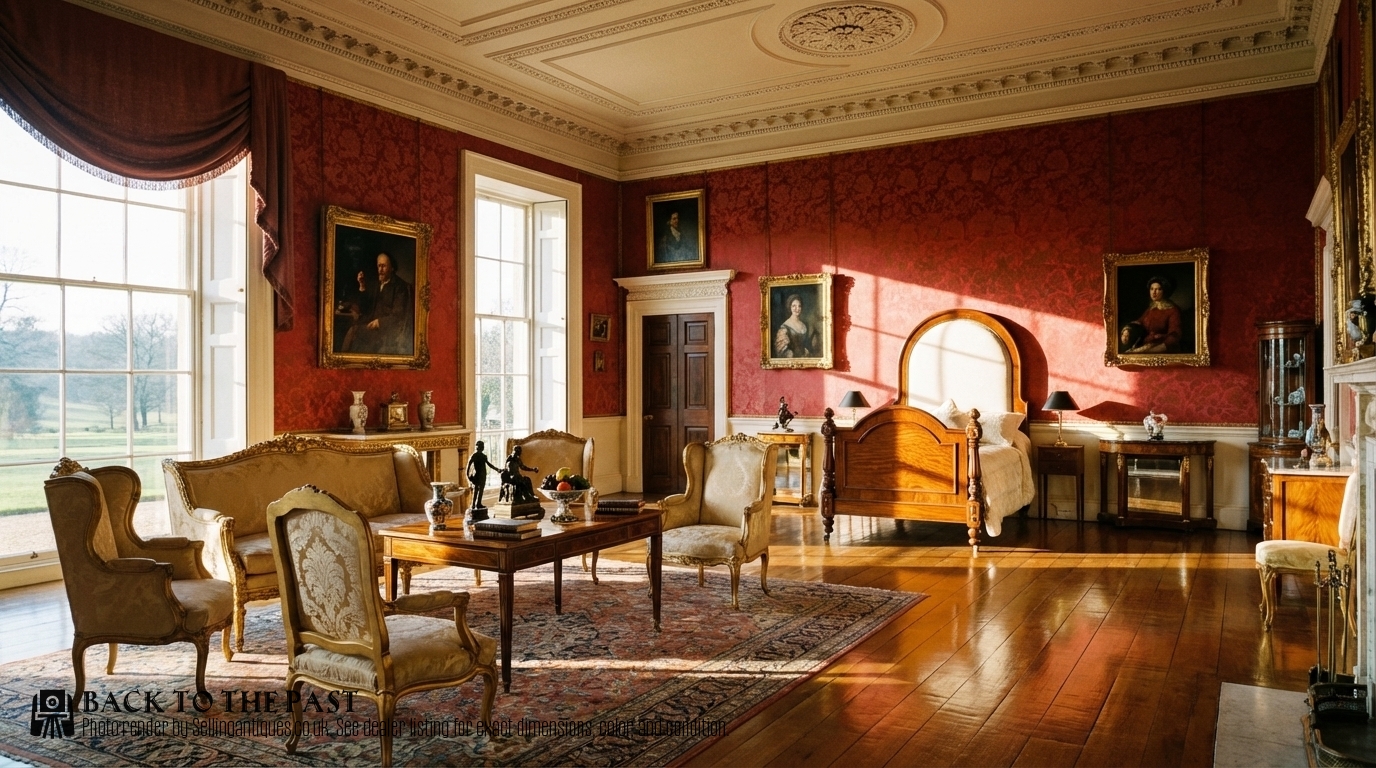
Period Mahogany Bedstead
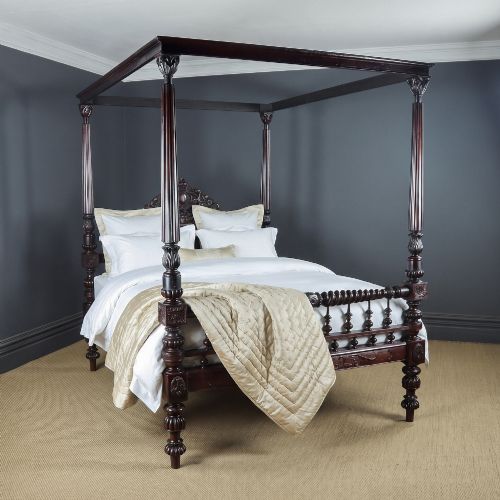
A period mahogany bedstead brings traditional timber grain and structural substance into the bedroom, drawing buyers who appreciate classic cabinet-making. When searching for a period mahogany bedstead, you encounter several distinct forms ranging from single frames to grand four poster structures.
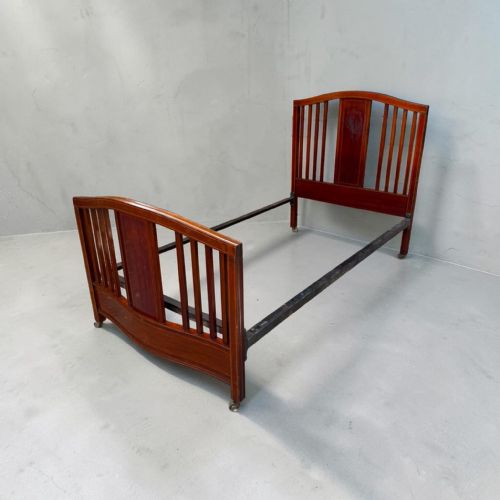
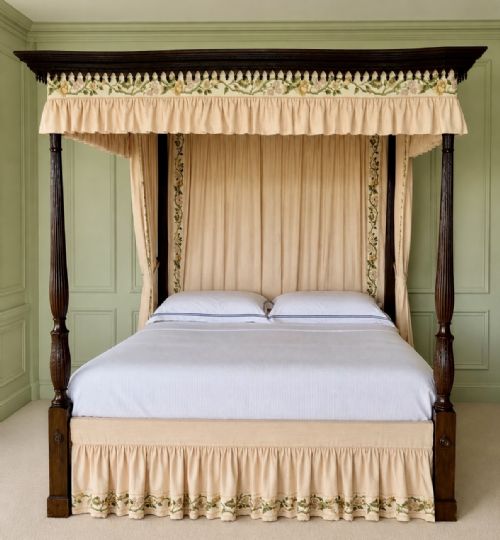
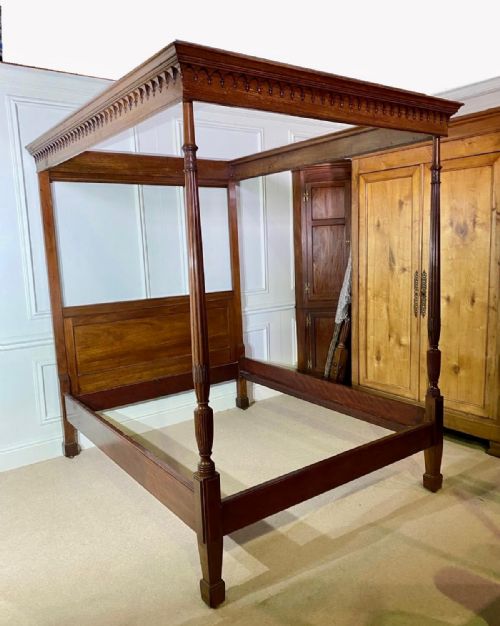
The selections available here span multiple eras, most notably the Edwardian period, the Victorian era, and the eighteenth century. You will find single beds, double frames, and large four poster or tester beds built in styles such as Regency, Chippendale, and Anglo-Indian Colonial.
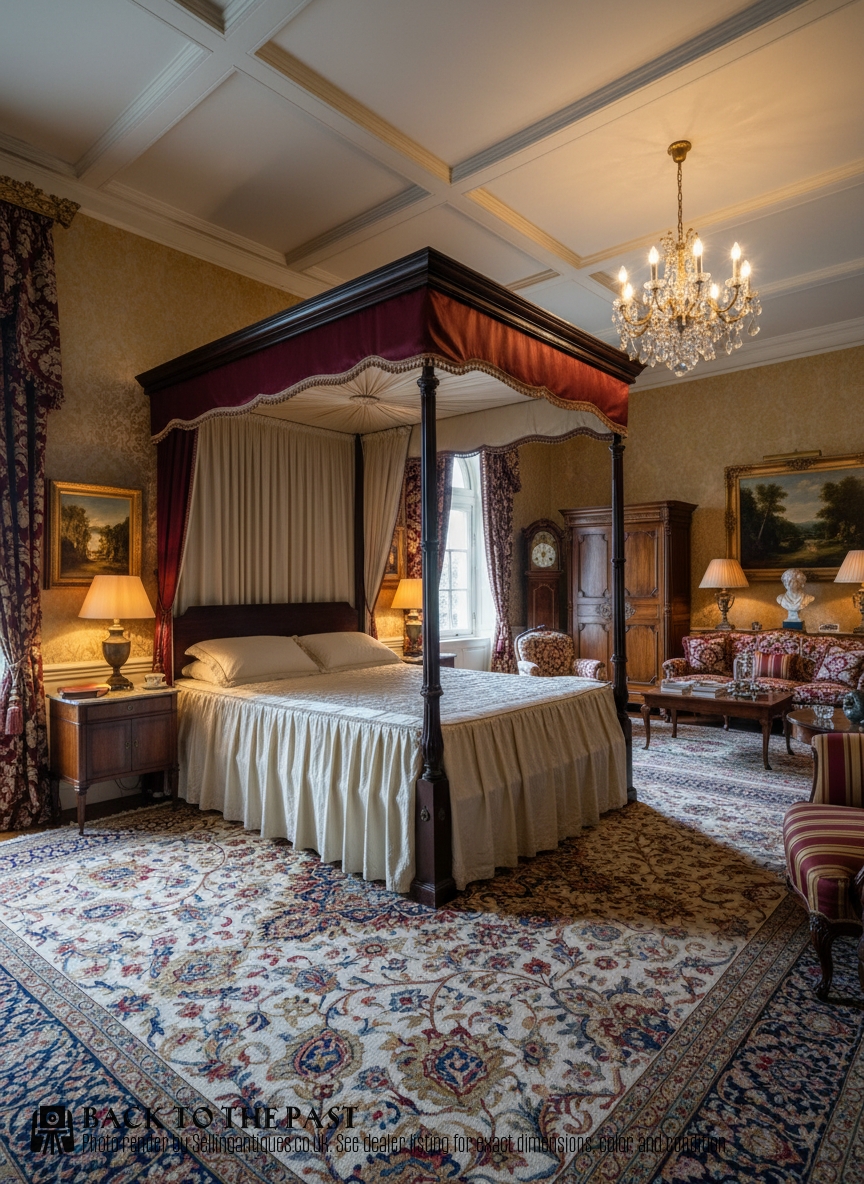
Construction and timber
These frames rely primarily on solid mahogany and flame mahogany veneer, often supported by internal pine and structural iron components. Cabinet-makers shaped the dense timber using traditional joinery, occasionally incorporating brass hardware and carved gilt wood details.
Surface finishing highlights the rich natural red-brown tones of the wood through polishing and waxing. Certain examples integrate delicate inlay work or carved motifs into the headboards and footboards.
Period Mahogany Bedstead Retail Price Guide 2026
Typical asking prices for period mahogany bedstead among the pieces listed under this phrase on Sellingantiques today, from the lower quarter to the upper quarter. They describe what is for sale here now, not the wider market.
Listings feature mahogany, iron, brass, and pine materials across Edwardian, Victorian, and eighteenth-century periods.
Assessing quality in timber beds
Quality rests upon the choice of timber and the depth of the carving. Frames featuring figured flame mahogany veneer or intricate hand-carving represent the upper end of the range.
Structural integrity also dictates value, with robust corner joints and well-preserved posts separating finer pieces from simpler utilitarian frames.
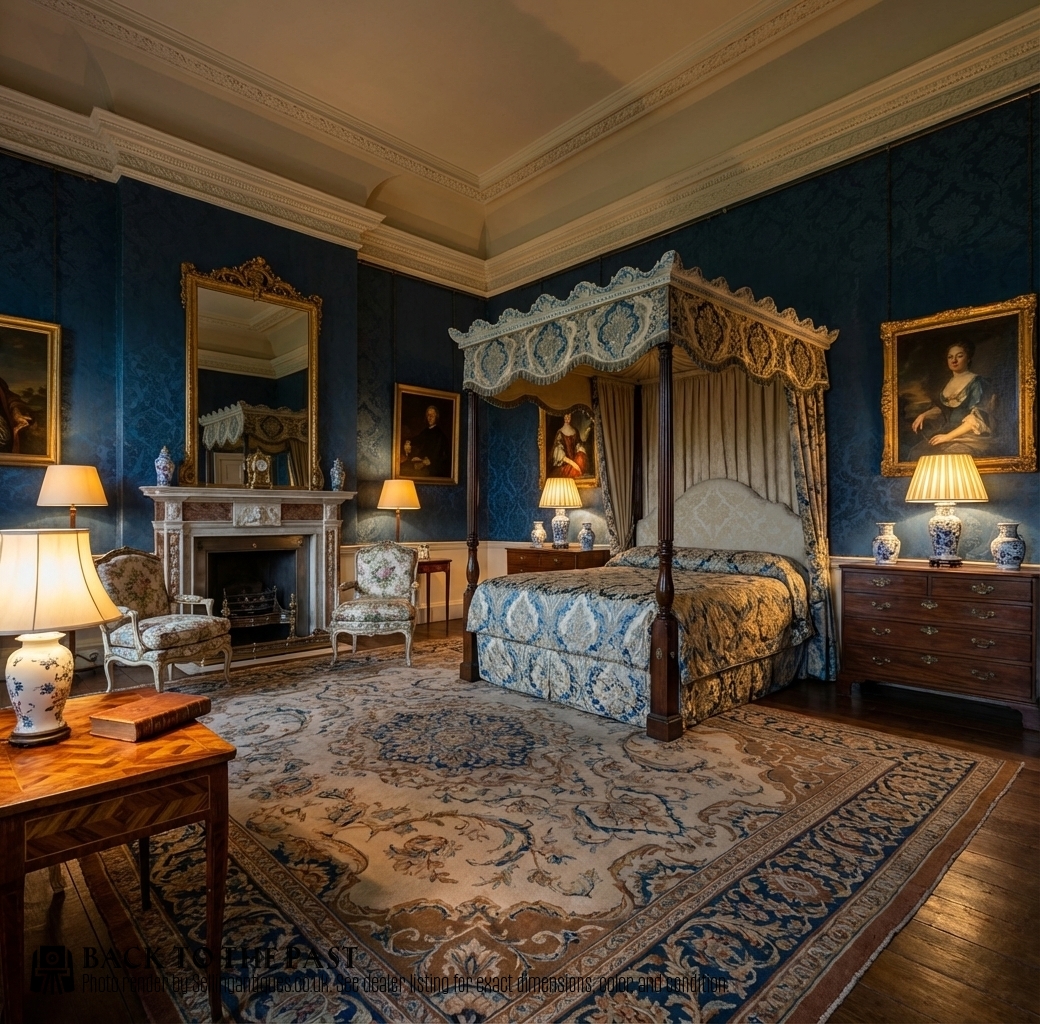
The Period Mahogany Bedstead Glossary
- Mahogany
- A durable tropical hardwood known for its deep reddish-brown colour and fine grain. It served as the primary material for high-end furniture across the eighteenth and nineteenth centuries.
- Tester
- The wooden canopy or ceiling structure supported by the posts of a four-poster bed. This upper framework sometimes carried drapery or fabric pelmets.
- Flame mahogany veneer
- A thin slice of wood cut from the fork of the mahogany tree to produce a flickering, highly figured grain pattern. Craftsmen applied this to prominent surfaces like headboards for decorative impact.
- Anglo-Indian
- A style of furniture made in India by local artisans for British patrons during the colonial era. These pieces often feature deep carving and native hardwoods combined with British forms.
Period Mahogany Bedstead: Frequently Asked Questions
How do I care for a mahogany bed?
Clean the timber surfaces regularly with a soft, dry cloth to remove dust. Apply natural beeswax periodically to nourish the wood and maintain its lustre.
Avoid placing the bedstead near direct heat sources or strong sunlight to prevent the timber from drying out or fading.
Are these beds standard modern sizes?
Older beds often deviate from current mattress dimensions. Many period frames were built by hand before standard sizing existed.
Measure the internal space of the bedstead carefully before purchasing a mattress to ensure a proper fit.
How do I assemble a four poster bed?
These large structures typically consist of separate headboards, footboards, side rails, and posts that lock together using traditional bolt systems. Two people are usually required to align the heavy components safely.
Take care not to force the joints, as antique timber and tenons can be sensitive to improper angles during setup.
What is the difference between Victorian and Edwardian frames?
Victorian bedsteads tend to be heavier, featuring darker timber tones and substantial carved details such as high backboards or massive four-poster posts.
Edwardian designs generally appear lighter and more refined, often incorporating simpler lines, satinwood inlay, or lighter polished mahogany surfaces.