

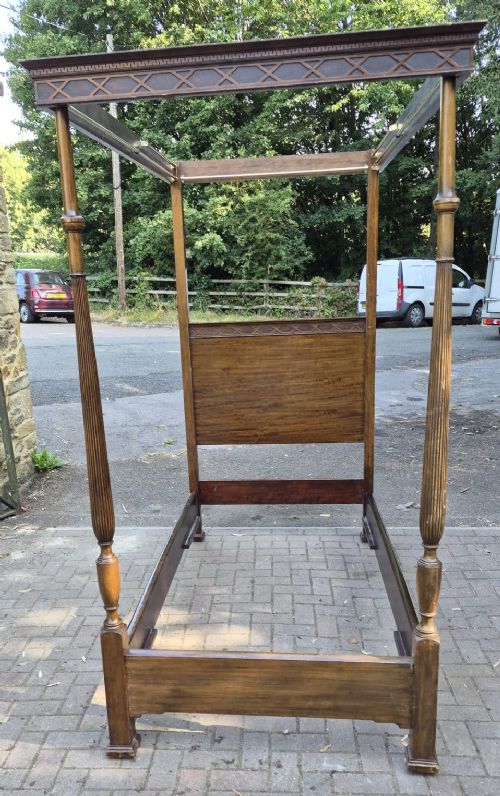

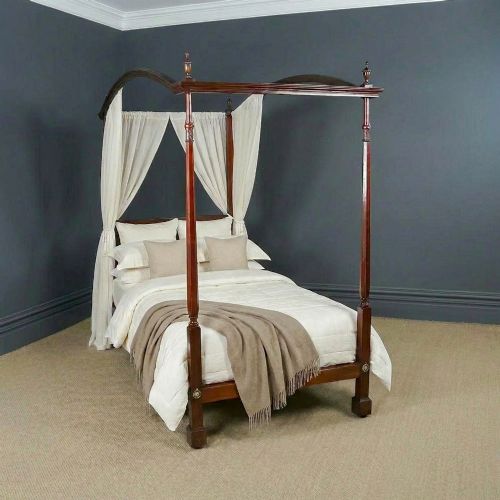

Antique Canopy Bed Frame
An antique canopy bed frame anchors a room with architectural presence, offering traditional shelter and grandeur through timber or metal structures.
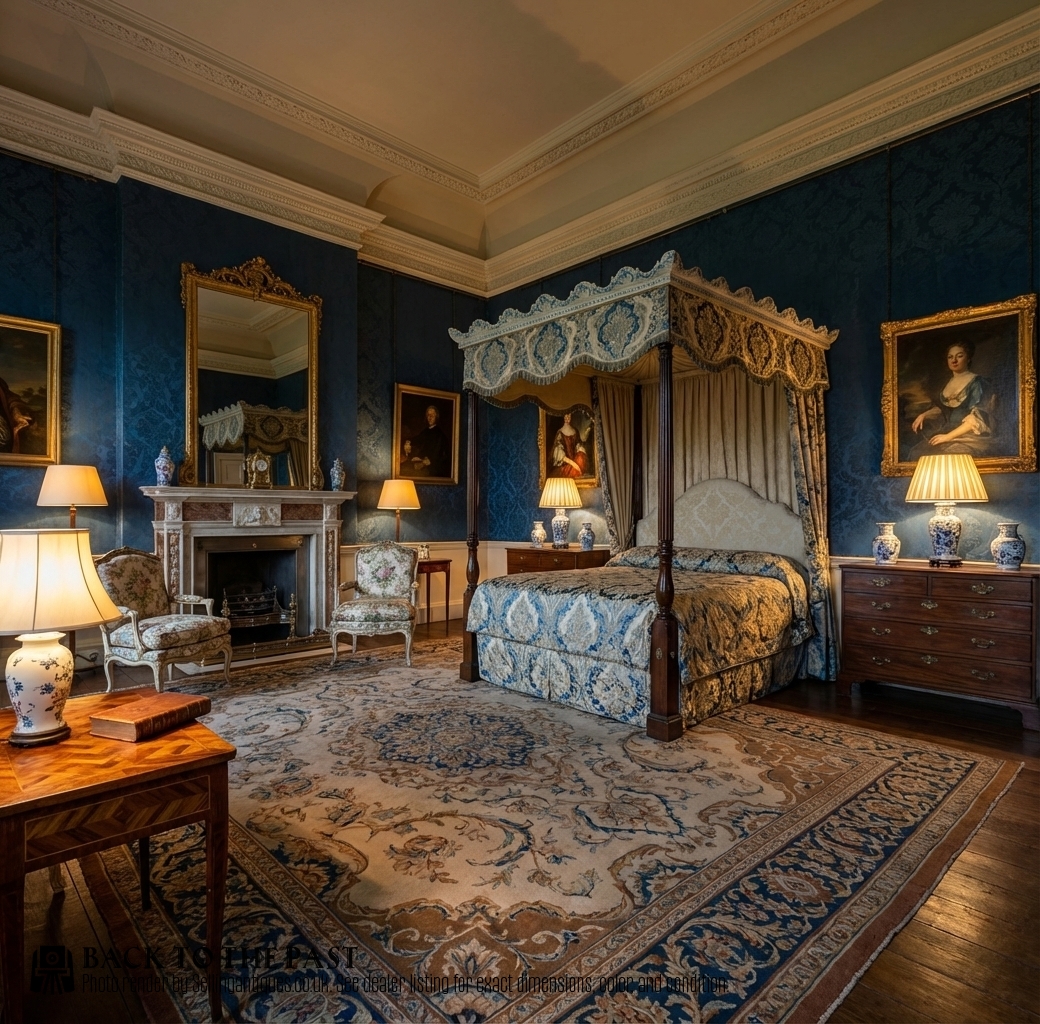
Antique Canopy Bed Frame
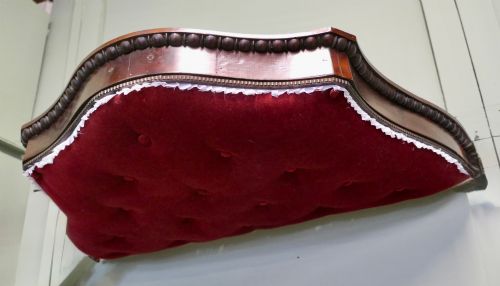
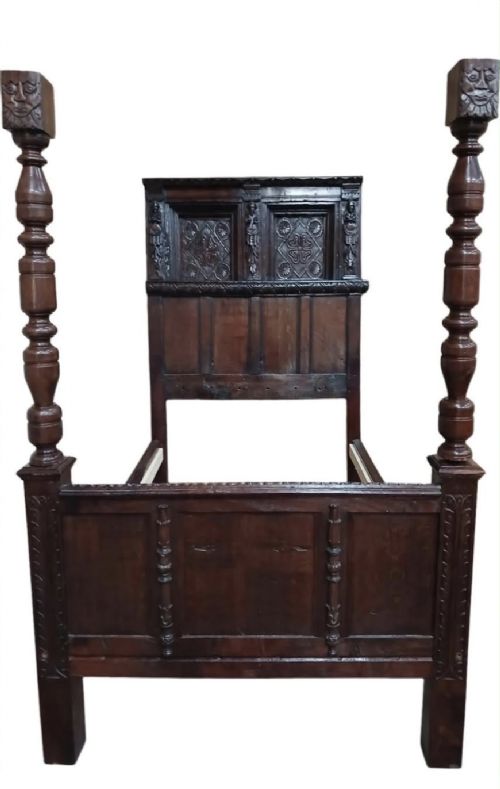
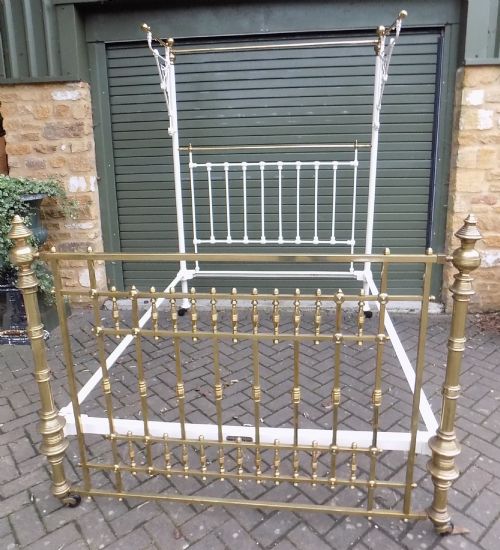
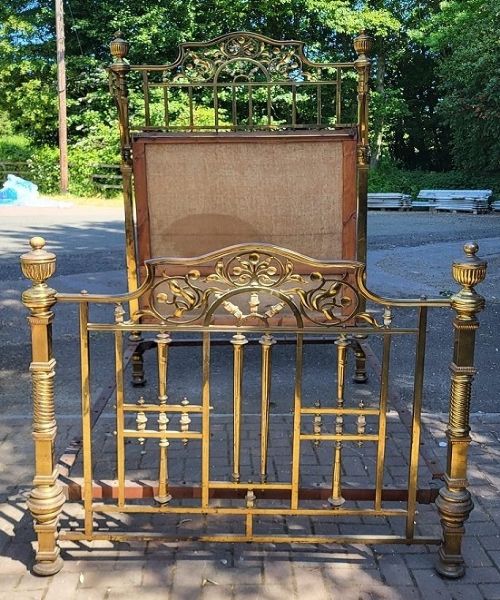
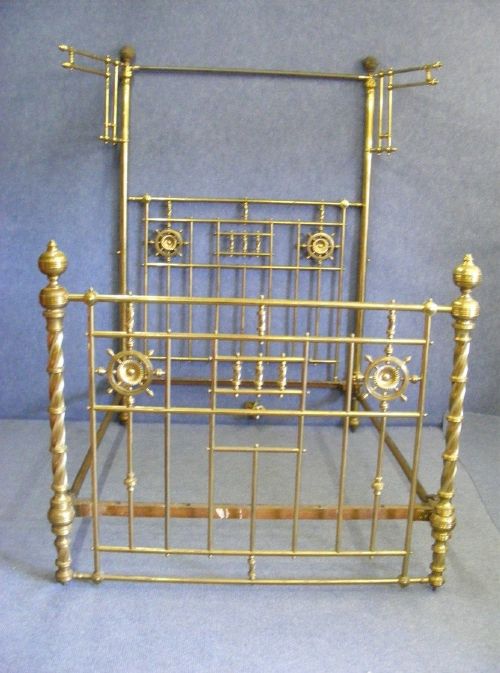
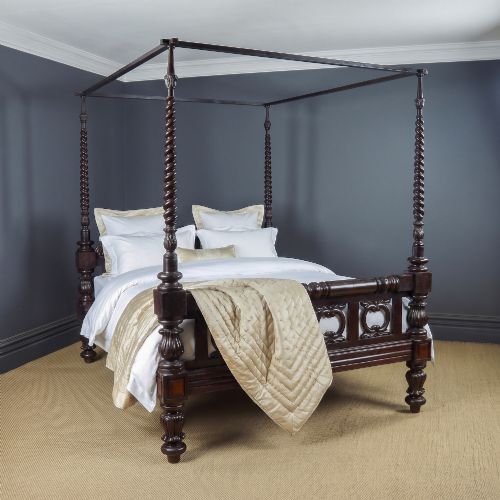
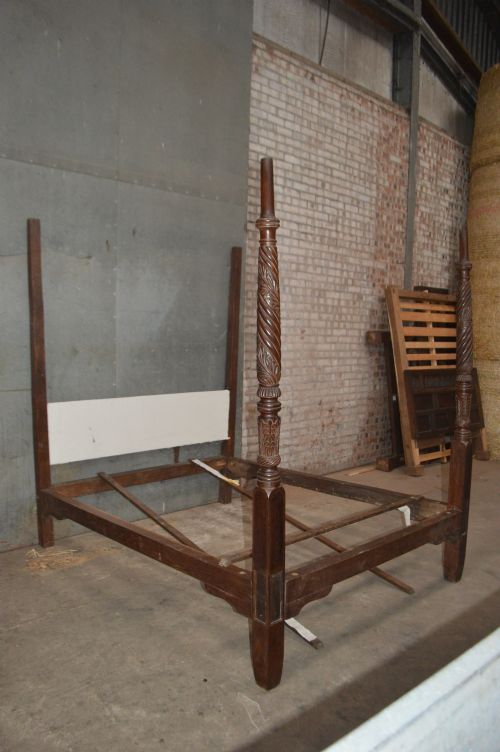
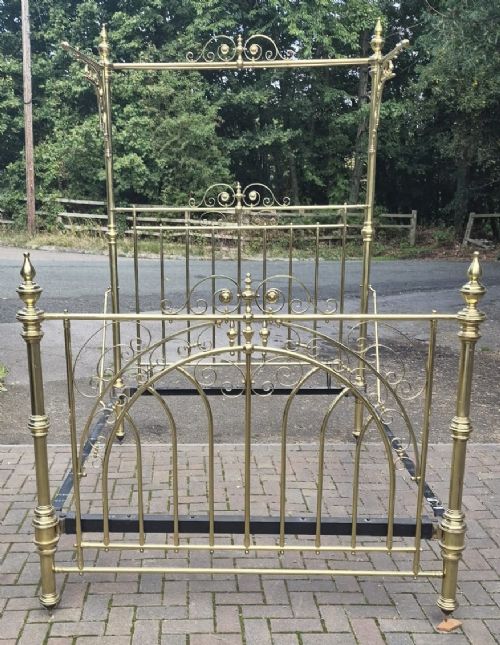
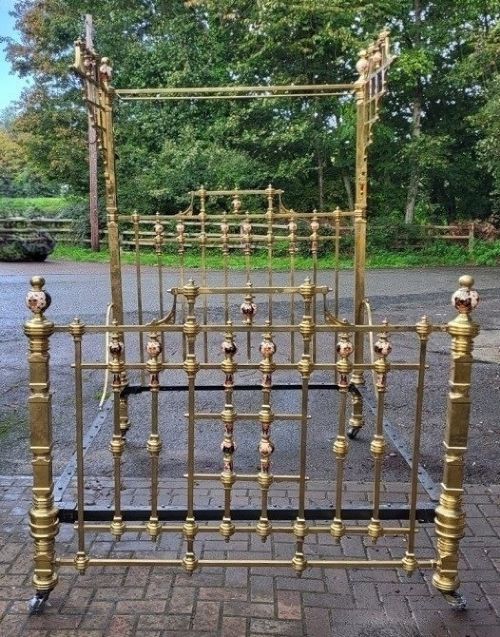
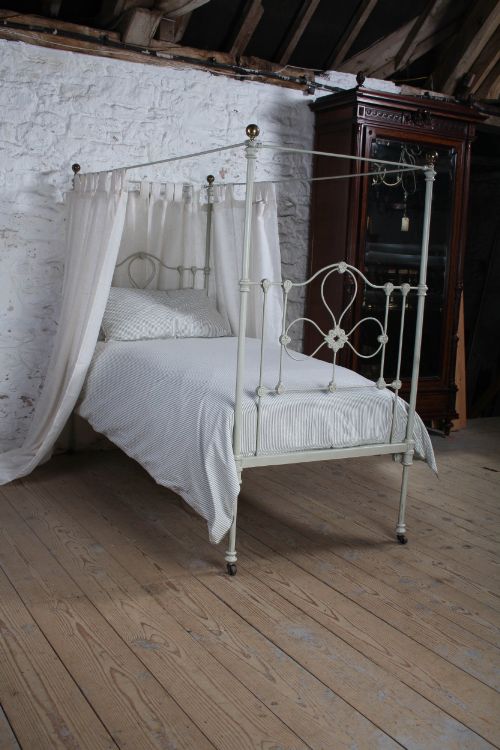
When you search for an antique canopy bed frame, you encounter large structural sleeping quarters designed to hold fabric overhead, creating an enclosed space within a room. The items on this page span several centuries and regions, ranging from early oak frameworks to metal half testers and colonial mahogany designs.
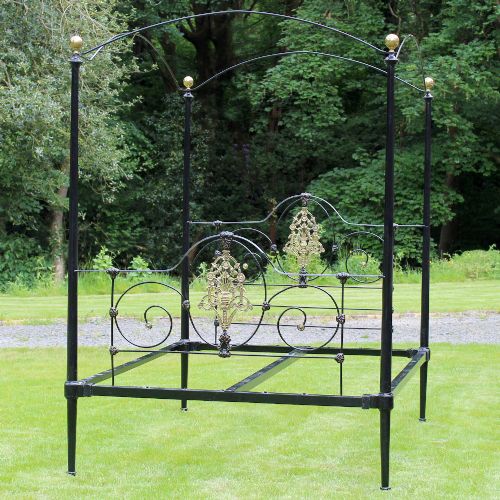
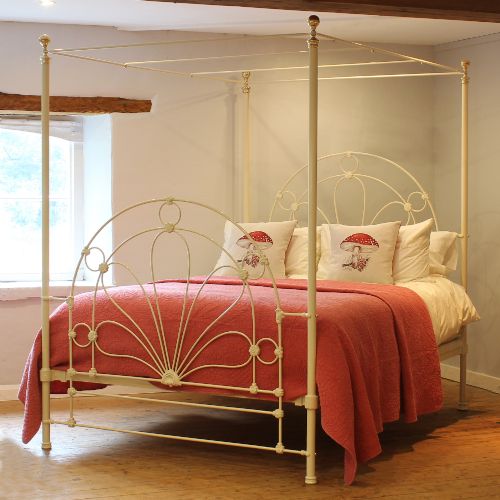
You are most likely to meet Victorian brass or iron half tester beds alongside nineteenth-century mahogany four-poster examples on this page. These pieces vary widely in scale and decorative ambition, from domestic single frames to grand exhibition pieces.
The materials reflect the prevailing cabinetmaking and metalworking traditions of their respective eras, utilising heavy hardwoods, cast iron, and polished brass. Each form serves the dual purpose of practical rest and visual display.
Distinctions in Quality
Quality reveals itself in the architectural proportion of the posts and the crispness of any hand-carved ornament, where sharper detail indicates superior workshop execution. The integrity of the metal castings and the weight of the brass tubing similarly separate standard domestic frames from exhibition-grade pieces.
Originality of components, particularly the cornices and testers, dictates the overall integrity of the frame. Alterations to length or height affect the original balance, whereas untouched proportions preserve the maker's original design intent.
Antique Canopy Bed Frame Retail Price Guide 2026
Typical asking prices for canopy bed frame among the pieces listed under this phrase on Sellingantiques today, from the lower quarter to the upper quarter. They describe what is for sale here now, not the wider market.
The listings combine British, European, and Asian furniture traditions, featuring oak, mahogany, iron, and brass across several centuries.
Heals of London·Howard and Sons·R W Winfield
The Antique Canopy Bed Frame Glossary
- Half tester
- A bed canopy that extends only part of the way over the head of the bed rather than the full length. This form was especially popular during the Victorian period using iron and brass frames.
- Tester
- The flat wooden canopy or ceiling positioned above a four-poster bed. It often supports draperies and decorative cornices.
- Bedstead
- The framework of a bed supporting the mattress and springs, distinct from the bedding itself. In antique terminology, it refers to the complete structural skeleton.
- Cornice
- The ornamental moulding that crowns the top of a canopy or bed frame. It conceals the upper framework and hanging points for textiles.
- Anglo-Indian
- Describing furniture made in India by local craftsmen for British colonial residents, typically employing indigenous hardwoods. These pieces often feature deep hand-carvings adapted from British stylistic precedents.
Antique Canopy Bed Frame: Frequently Asked Questions
How do I fit a modern mattress?
Many antique frames predates standard modern mattress dimensions, meaning custom sizing or mattress adjustment is often necessary for a proper fit.
Checking the internal rail measurements against current mattress sizes allows you to plan any required adjustments before installation.
Are these beds difficult to assemble?
Most antique canopy frames utilise heavy timber posts or metal bolts that require two people for safe assembly and positioning.
Professional installation is frequently recommended to ensure the overhead canopy and frame remain structurally secure.
How do I care for the brass?
Polished brass components benefit from occasional gentle dusting and mild cleaning solutions that preserve the metallic lustre without stripping historical patina.
Avoiding harsh abrasive chemicals ensures the original surface finish remains intact over years of domestic use.
Can I hang modern fabrics?
The original cornices and wooden rails are usually sturdy enough to support contemporary textiles, provided the hanging weight is distributed evenly.
Matching the fabric weight to the scale of the frame helps maintain the proportional balance of the canopy.