




Dark Wood Canopy Bed
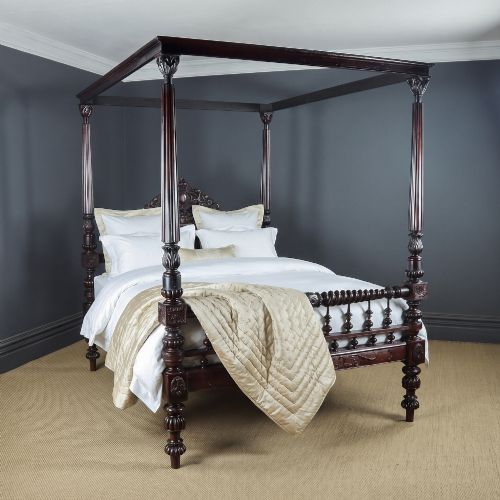
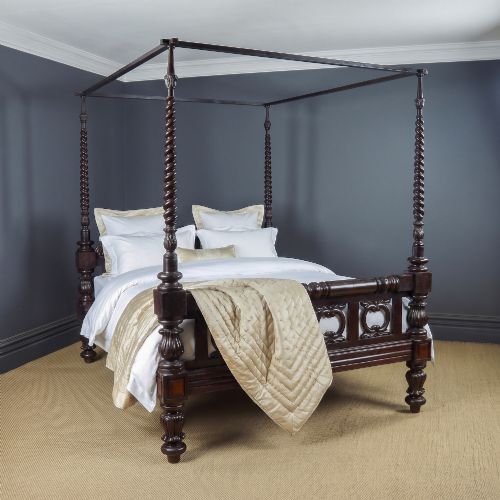
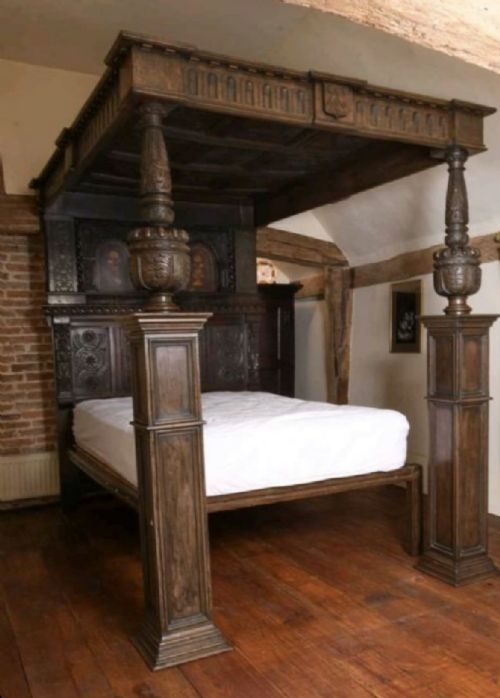
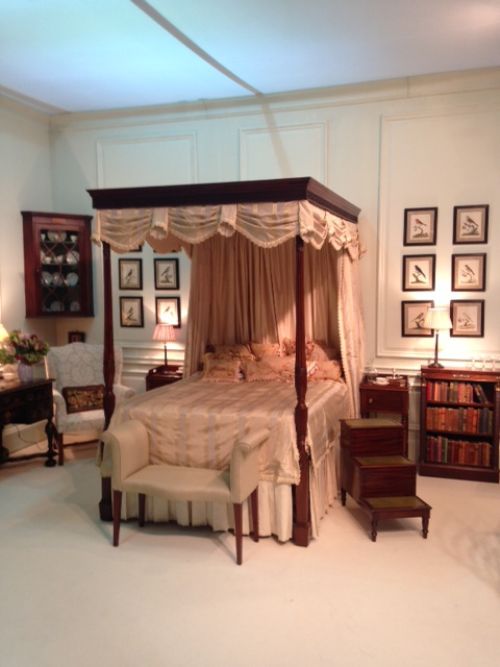
A dark wood canopy bed commands a room with architectural presence, offering a grand timber frame and draped tester designed for sleeping in stately comfort.
Dark Wood Canopy Bed
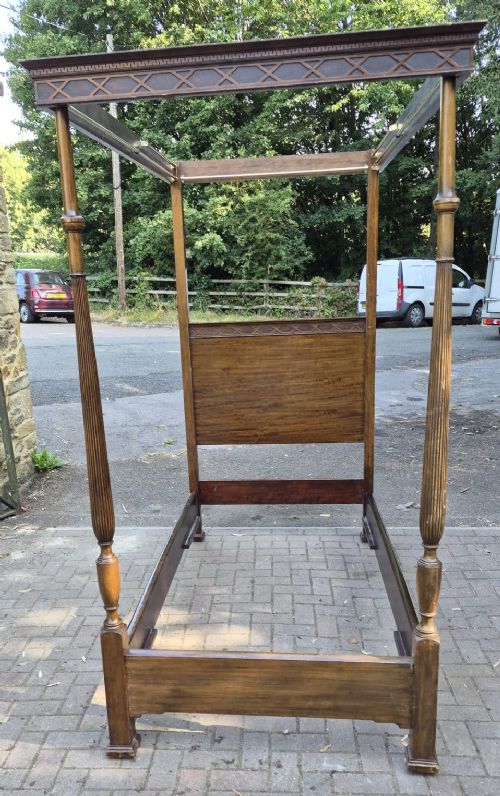
When you search for a dark wood canopy bed, you encounter substantial timber frameworks designed to support an overhead tester or canopy. These pieces span centuries from the seventeenth century onward, encompassing regional variations such as Anglo-Indian colonial designs and Chinese hardwood creations alongside traditional British forms.
Makers and designers referenced in these pieces include Howard & Sons and Chippendale influences, reflecting high craftsmanship across different eras. Buyers frequently meet mahogany, oak, teak, and pine constructions, occasionally paired with fabric or rattan elements.
What varies in quality
Quality reveals itself in the depth and crispness of the hand carving upon the posts and cornices, where master carvers achieved sharper relief and greater proportion than routine workshops. The choice of primary timber also dictates standing, with dense figured mahogany and early seventeenth-century oak holding greater architectural weight than secondary pine.
Proportion and stylistic consistency separate exceptional examples from standard ones, particularly in revival pieces where adherence to Georgian or Regency proportions maintains visual harmony. The structural integrity of the tester frame and the precision of the joints determine how well the bed holds its grand scale.
Dark Wood Canopy Bed Retail Price Guide 2026
Typical asking prices for dark wood canopy bed among the pieces listed under this phrase on Sellingantiques today, from the lower quarter to the upper quarter. They describe what is for sale here now, not the wider market.
The selection includes a painted pine canopy top cradle, proving that infants in the 19th century also slept beneath architectural grandeur.
Howard And Sons·Chippendale
The Dark Wood Canopy Bed Glossary
- Four Poster Bed
- A bed with four vertical columns supporting an upper panel or tester frame. This form has evolved across multiple centuries and stylistic periods.
- Anglo-Indian Colonial
- Furniture made in the Indian subcontinent during the British colonial period, often utilising local teak or imported mahogany with deep native carving traditions. These pieces frequently incorporate grand proportions suited to Raj residences.
- Hardwood
- Timber derived from broad-leaved deciduous trees such as mahogany, oak, and teak. These dense materials form the robust structural framework of antique canopy beds.
Dark Wood Canopy Bed: Frequently Asked Questions
How do I fit a modern mattress?
Many antique frames were built to historical dimensions rather than standard modern mattress sizes. Careful measurement of the internal space between the posts is essential before sourcing a mattress.
Some frames accommodate standard widths with minor adjustments, while others require bespoke mattress manufacturing to fit the historic rails properly.
How are testers historically draped?
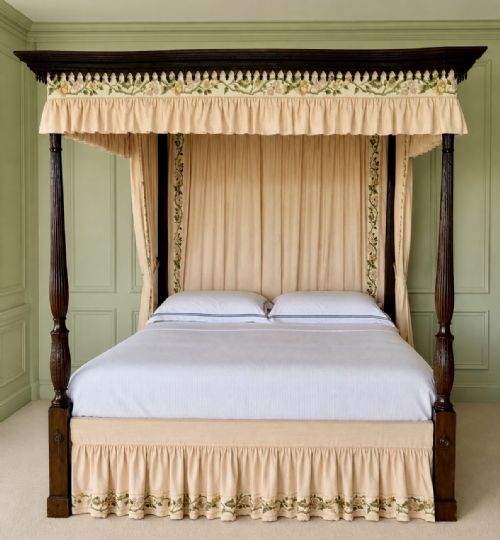
Canopies and testers traditionally supported fabric hangings designed to retain heat and provide privacy in drafty historic chambers. Curtains were suspended from the inner edges of the wooden frame using rings or hooks.
Modern settings often utilise simpler fabric arrangements or leave the carved mahogany and oak woodwork entirely exposed to highlight the architectural structure.
How do I date oak versus mahogany frames?
Oak frames generally point towards the seventeenth century and earlier revivals, displaying heavy grain patterns and traditional joinery. Mahogany became the dominant timber during the eighteenth and nineteenth centuries.
Examining the turning of the posts and the style of the carved cornices helps differentiate a seventeenth-century oak bed from a Victorian revival piece.
How do I maintain the timber?
Regular dusting with a soft, dry cloth preserves the finish of dense hardwoods like mahogany and teak. Avoid placing antique timber beds near direct heat sources or strong sunlight.
Periodical application of appropriate wax polish maintains the moisture and lustre of the wood without building up heavy residue.