



Victorian Four Poster Bed
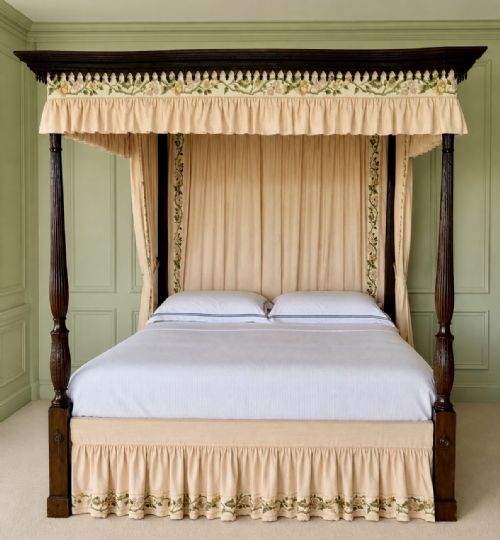
A victorian four poster bed brings grand architectural presence and rich timber or metalwork into a bedroom.
Victorian Four Poster Bed
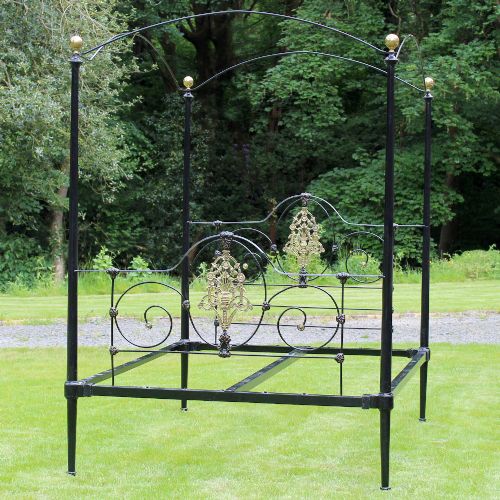
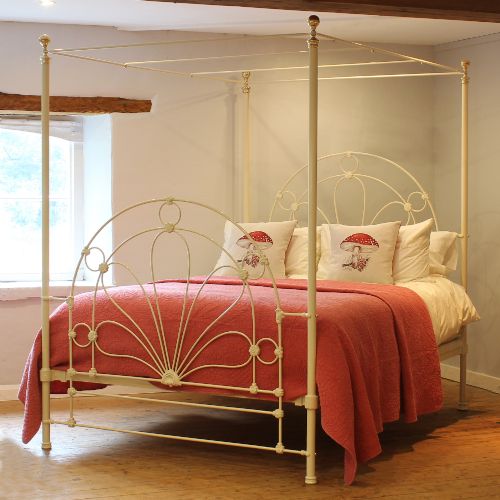
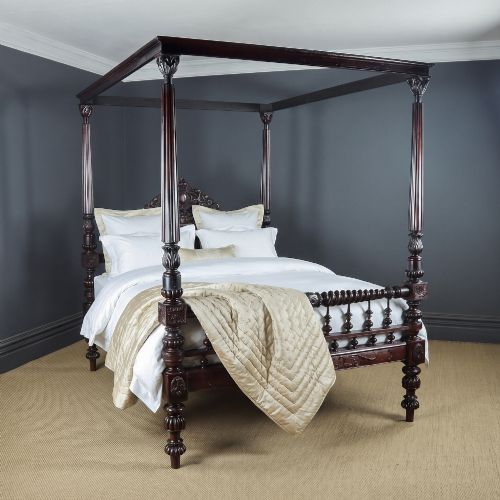
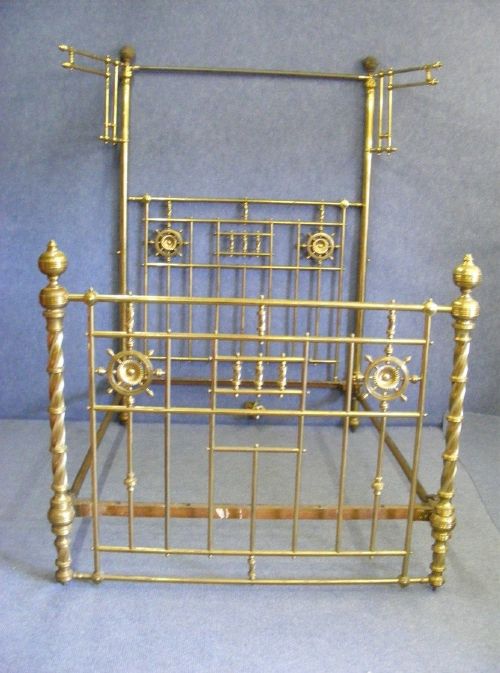
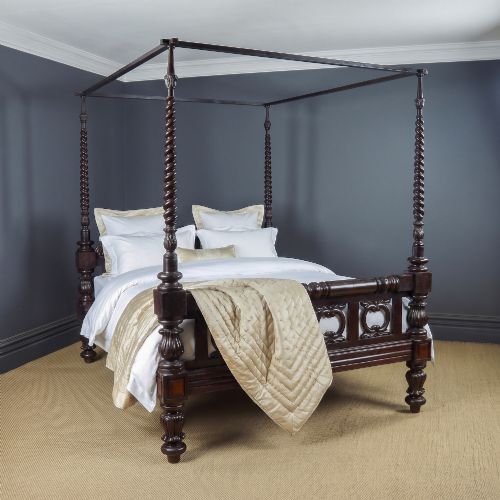
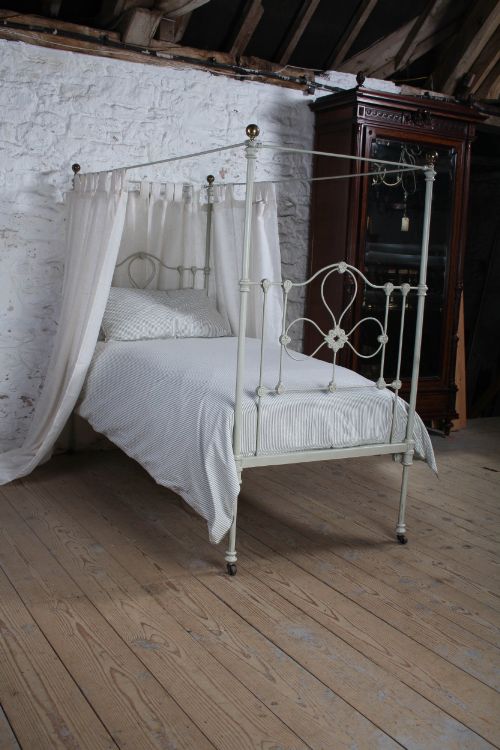
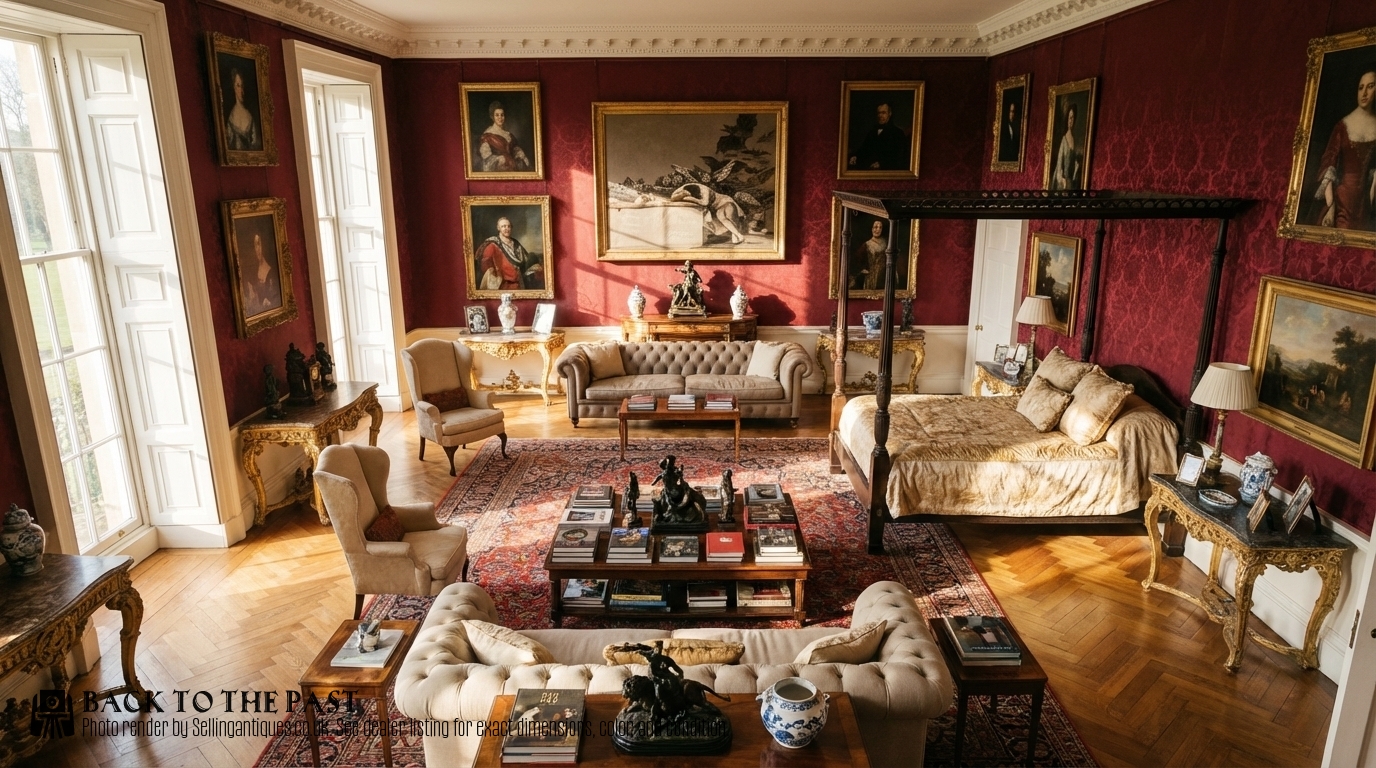
A victorian four poster bed is a substantial sleeping frame defined by four vertical corner posts supporting an overhead tester or canopy. When you examine this selection, you encounter full tester and half tester constructions in substantial sizes alongside occasional single frames and diminutive doll or pet furniture pieces.
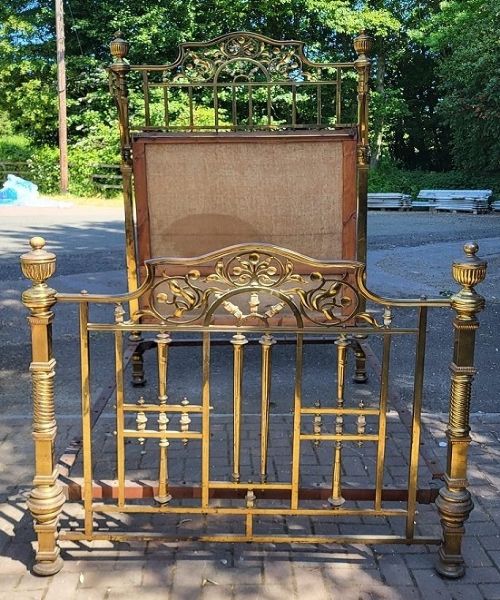
The materials span native hardwoods and exotic timbers like mahogany, alongside structural metals including brass, iron, and cast iron. Stylistic expressions range from standard Victorian and Gothic interpretations to Anglo-Indian Colonial and William IV designs.
Originating primarily from the nineteenth century, these pieces demonstrate the varied domestic and overseas commissions of the period. Buyers select them to anchor a master bedroom with period character and architectural scale.
How they were made
Cabinetmakers utilised dense timbers like mahogany and oak, frequently applying flame mahogany veneer or executing deep hand-carved ornamentation upon the posts and headboards. Structural integrity relied on robust joinery capable of supporting heavy canopies and fabric hangings.
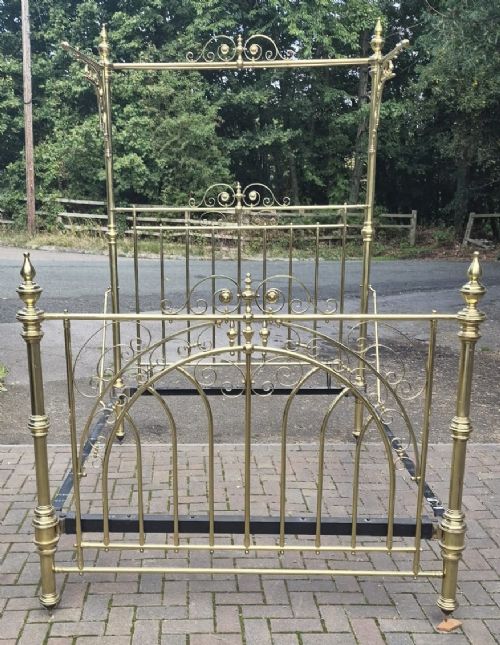
Metal alternatives turned to solid brass and cast iron, often combining both metals in a single bedstead to create contrasting metallic tones. Foundry work produced intricate decorative castings and adjustable half tester frames.
Victorian Four Poster Bed Retail Price Guide 2026
Typical asking prices for victorian four poster bed among the pieces listed under this phrase on Sellingantiques today, from the lower quarter to the upper quarter. They describe what is for sale here now, not the wider market.
Listings include both timber and metal examples, spanning solid mahogany, oak, brass, iron, and flame mahogany veneer.
What varies in quality
The depth and crispness of hand-carved woodwork distinguish standard production from exhibition-grade pieces. Superior examples display refined proportions, undamaged timber veneers, and substantial brass components without modern replacement parts.
The complexity of the regional or stylistic design, such as Anglo-Indian Colonial carving or exhibition-quality brass work, elevates the distinction of the frame. Original structural hardware and well-preserved surface patination also contribute to the standing of an individual bedstead.
Howard & Sons·R W Winfield
The Victorian Four Poster Bed Glossary
- Tester
- The flat wooden canopy or ceiling positioned above a four poster bed. It often supported decorative drapery or fabric hangings.
- Half Tester
- A canopy frame that extends only partway over the bed, attached to the headboard rather than supported by four full posts. This style became common in brass and iron bedsteads.
- Anglo-Indian Colonial
- Furniture made in the Indian subcontinent during the British Raj, combining European room forms with dense local carving and tropical hardwoods. These pieces frequently display grand proportions.
- Flame Mahogany Veneer
- A thin layer of timber sliced from mahogany logs where the grain creates a distinctive flame-like pattern. Cabinetmakers applied this to prominent surfaces for visual impact.
Victorian Four Poster Bed: Frequently Asked Questions
How do I fit modern mattresses?
Many antique frames were built to historical dimensions rather than standard modern mattress sizes. Custom mattress manufacturing or minor internal adjustments to the side rails are often necessary for a proper fit.
Consult with a specialist restorer who understands period bed frames to adapt the internal platform safely without altering the visible exterior structure.
Are these beds difficult to assemble?
Most historic frames utilise traditional bed bolt systems or metal slot-in brackets rather than modern fasteners. Assembly requires two people and careful handling of heavy timber posts or metal components.
Keep the original iron bolts and threaded fixings together during transport to ensure the frame squares up correctly upon reassembly.
How do I care for brass and mahogany?
Mahogany surfaces require occasional waxing with a natural beeswax to maintain the timber lustre and prevent the wood from drying out. Avoid silicone-based polishes that can degrade the historic finish.
Brass components benefit from gentle dusting and minimal intervention to preserve the natural oxidation and age patination developed over the decades.
Can I hang fabric from the tester?
Original testers frequently incorporated wooden cornices or iron rails designed to support curtains and drapery. Check the stability of the overhead canopy frame before suspending heavy textiles.
Lighter fabrics reduce structural strain on the corner posts and maintain the balanced proportions of the upper tester.