

Edwardian Single Bedstead
An edwardian single bedstead offers compact sleeping quarters framed in timber or metal with period proportions.
Edwardian Single Bedstead
An edwardian single bedstead is a sleeping frame designed for one person, emerging primarily from the early twentieth century alongside surviving Victorian and later examples. These pieces appear most frequently in timber timbers such as mahogany, oak, and walnut, or combined frameworks of brass and iron.
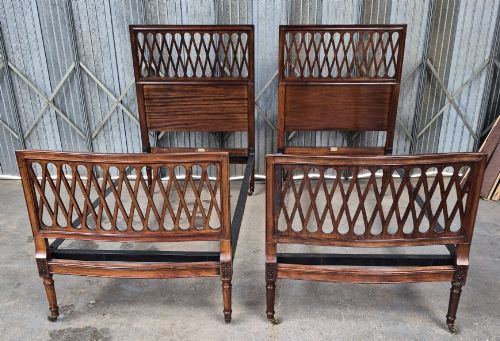
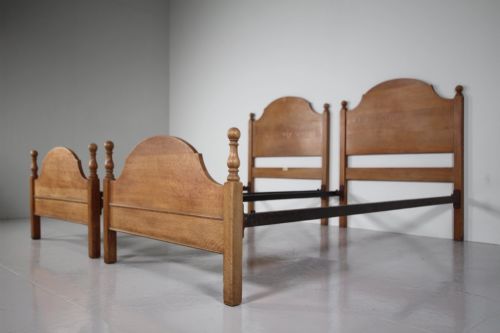
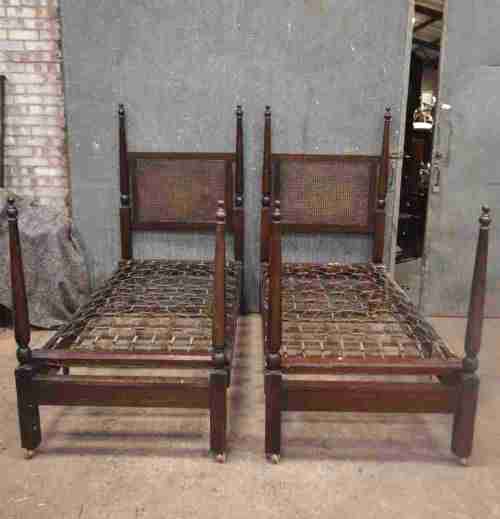
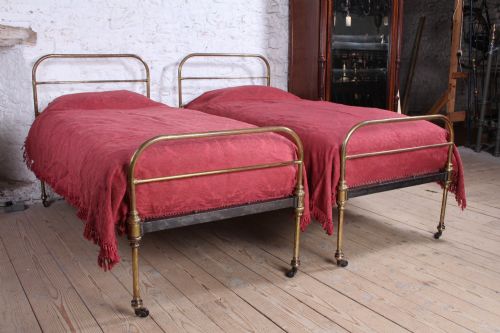
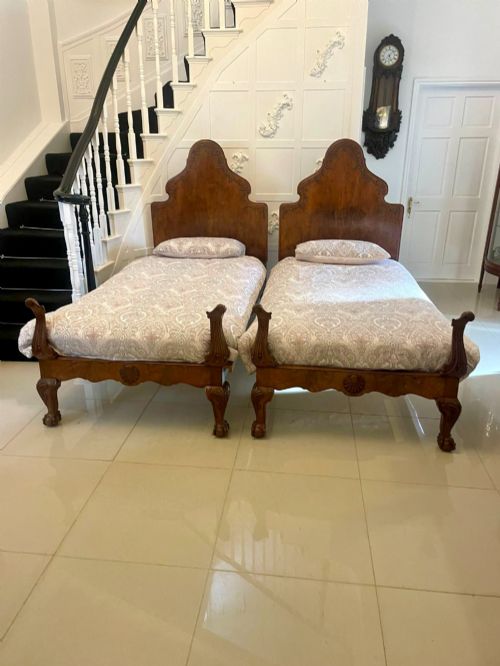
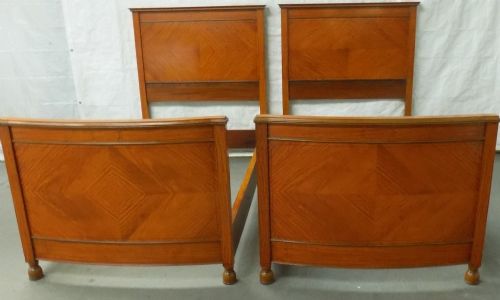
Buyers encounter single bedframes shaped by Edwardian tastes, alongside Arts and Crafts designs, Queen Anne style influences, and occasional painted finishes. The selection ranges from simple metal frameworks to elaborate four-poster constructions and inlaid wooden headboards.
How they were made
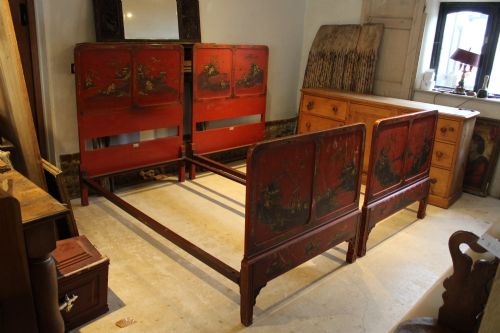
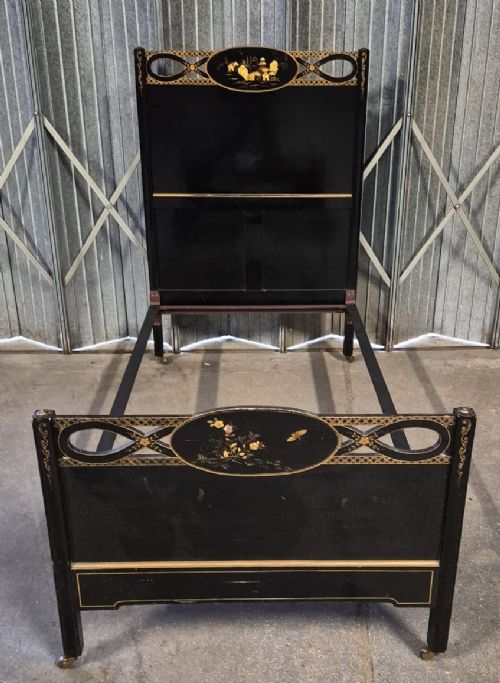
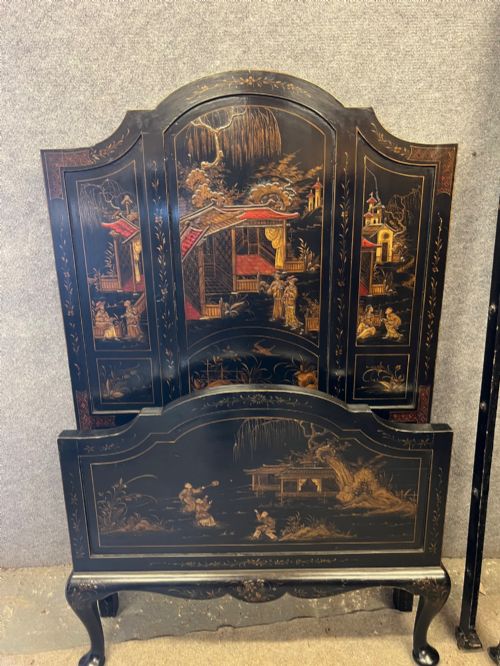
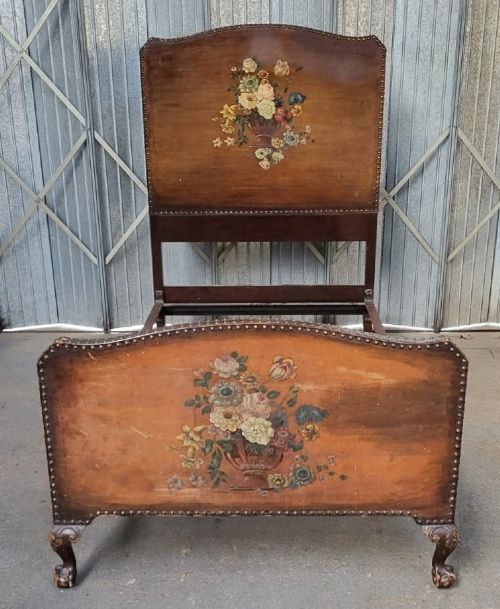
Maker workshops utilised solid timbers including mahogany, walnut, and oak, often enhancing surfaces with delicate inlay, carved panels, or hand-painted portrait and Chinoiserie details. Wood was joined with traditional cabinetmaking techniques to support repetitive daily use.
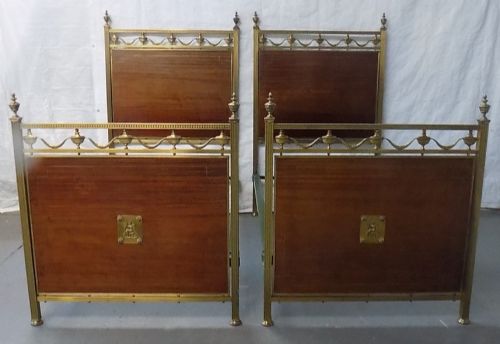
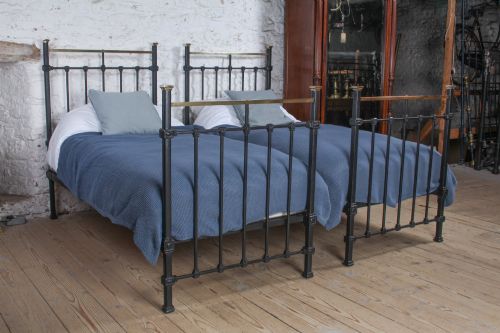
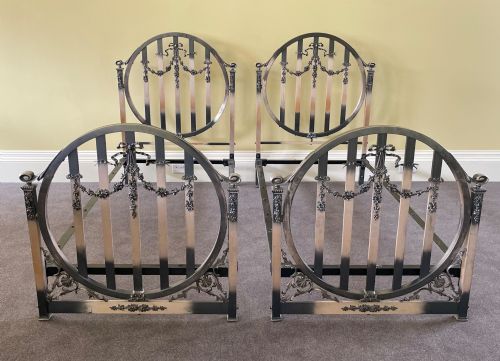
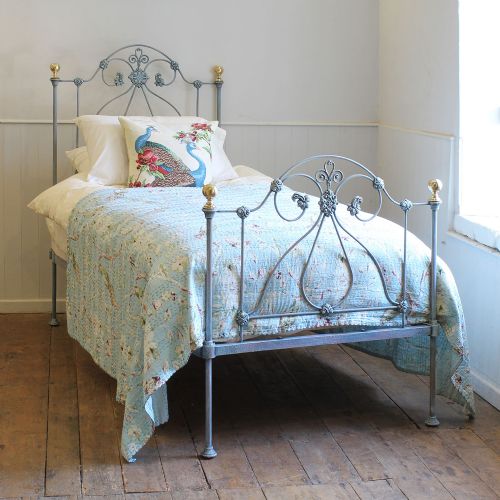
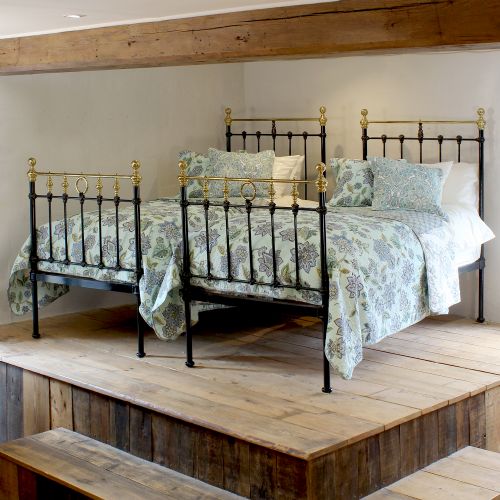
Metal bedsteads combined structural iron and cast iron with decorative brass components, nickel plating, or hand-forged elements. These metal frames provided rigid support through bolted joints and heavy metal tubing.
Edwardian Single Bedstead Retail Price Guide 2026
Typical asking prices for edwardian single bedstead among the pieces listed under this phrase on Sellingantiques today, from the lower quarter to the upper quarter. They describe what is for sale here now, not the wider market.
Listings feature oak, mahogany, walnut, and satinwood alongside brass, iron, and cast iron across Edwardian and Victorian eras.
What varies in quality
Quality depends upon the depth of the cabinetmaker's art, seen in crisp carving, carefully matched burr walnut veneers, and precise wood inlay rather than applied decoration. Finer wooden examples display proportioned mouldings and integrated panelling.
Metal frames vary according to the weight of the casting, the solidity of the brass mounts, and the integrity of the structural joints. Maker attribution, such as original workshop labels, elevates the standing of an individual bedstead.
Heals of London·Heal and Son·Shapland and Petter
The Edwardian Single Bedstead Glossary
- Bedstead
- The complete framework of a bed, comprising headboard, footboard, and side rails. It excludes the modern mattress and base insert.
- Bergere
- A wooden-framed chair or bedstead inset with woven cane panelling. This technique creates a light, textured surface within solid timber frames.
- Inlay
- A decorative technique where contrasting woods or satinwood are fitted flush into the primary timber surface. It defines Edwardian cabinetwork.
- Four poster
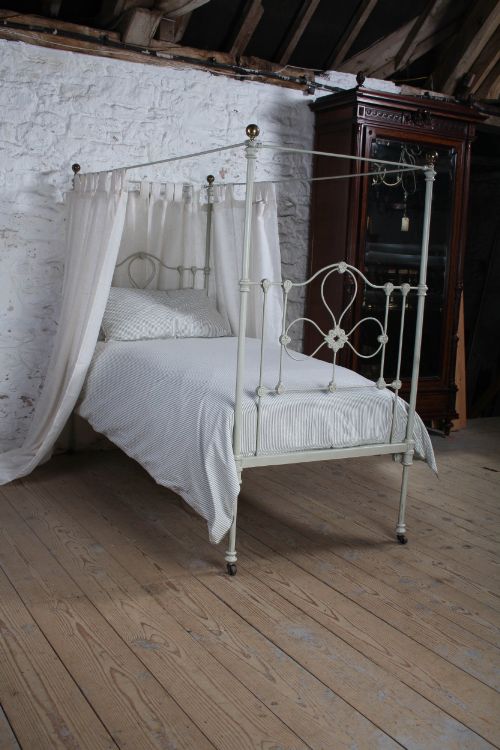
- A bed featuring four vertical posts rising from the corners to support an upper tester or canopy frame. Some single versions utilise timber or iron posts.
Edwardian Single Bedstead: Frequently Asked Questions
Will modern mattresses fit an edwardian single bedstead?
Many antique single beds were manufactured to nineteenth and early twentieth-century dimensions, which can differ slightly from standard contemporary mattress sizes. Buyers often measure the internal width and length before sourcing a custom or standard mattress.
Modern slatted bases or supportive wooden slats can be integrated safely inside the original side rails to accommodate contemporary bedding without altering the historic frame.
How do I assemble an antique iron bed?
Metal bedsteads typically rely on tapered dovetail joints at the four corners where the side rails lock into the headboard and footboard posts. Tapping these joints gently with a rubber mallet secures the frame without damaging the metal.
Keeping the original iron bolts and wedge fixtures lubricated helps maintain structural rigidity once the bedstead stands in the bedroom.
Can wooden bed frames be taken apart easily?
Edwardian wooden bedsteads are generally constructed with bolted iron brackets hidden within the corner posts and side rails. Dismantling the frame requires a spanner to loosen the internal bolts, allowing the headboard, footboard, and rails to separate safely.
Transporting the bed in modular pieces prevents stress on the joints and protects vulnerable carved mouldings or inlaid veneers during relocation.
How do I care for polished mahogany and walnut?
Antique timber surfaces benefit from application of traditional beeswax rather than modern silicone aerosols, which build up harmful residues over time. Regular dusting with a soft, dry cloth preserves the natural lustre of the polished grain.
Positioning the bedstead away from direct sunlight and household heat sources prevents the timber from drying out and protects delicate veneer work from splitting.