

Antique Wooden Bed
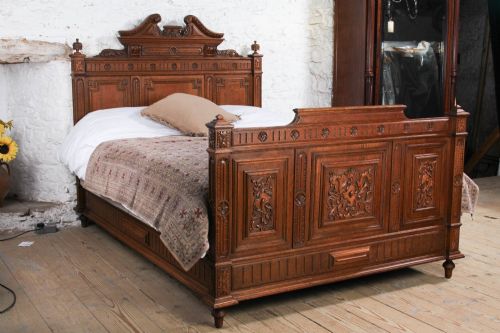
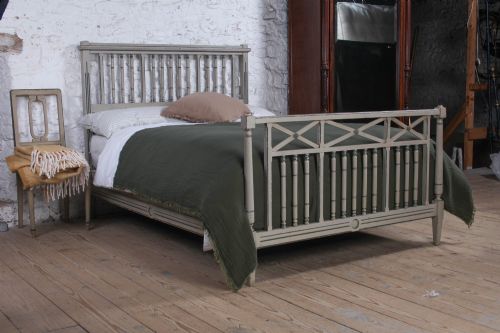
An antique wooden bed brings the warmth of oak, mahogany, and walnut into a bedroom, offering solid construction built to endure.
Antique Wooden Bed
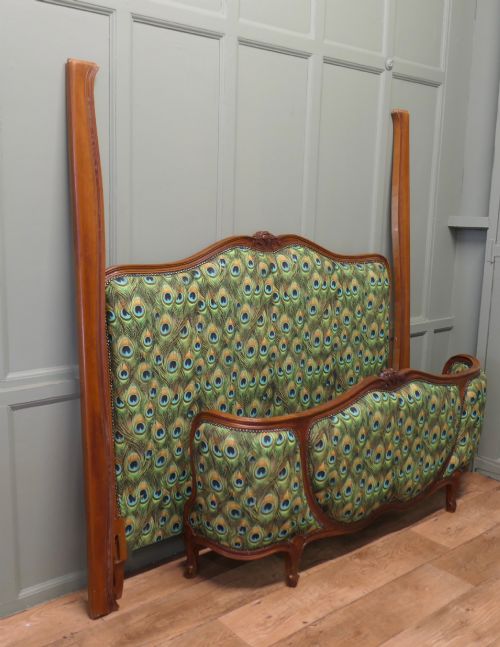
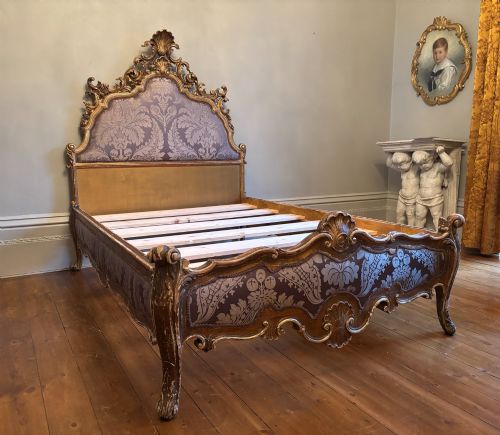
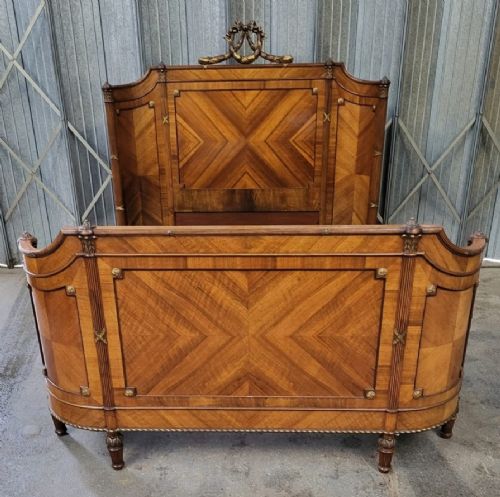
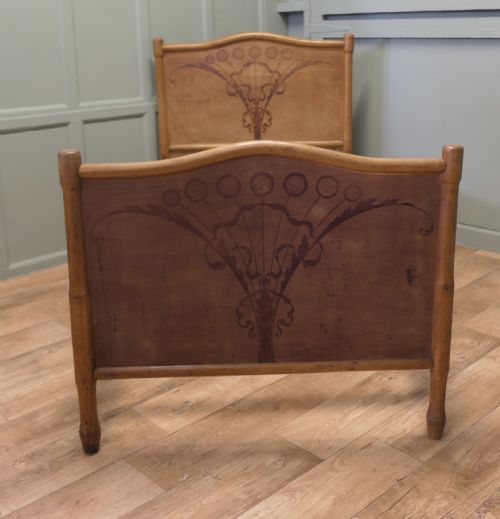
An antique wooden bed spans multiple eras, offering sturdy frames shaped from domestic and exotic timbers. Buyers seeking an antique wooden bed will encounter forms ranging from simple single frames to elaborate four-poster structures.
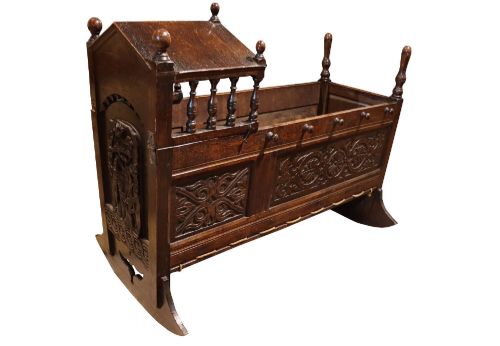
The selection includes pieces from the seventeenth century through to the Edwardian and Art Deco periods. Mahogany double bedsteads and oak single frames dominate the physical evidence.
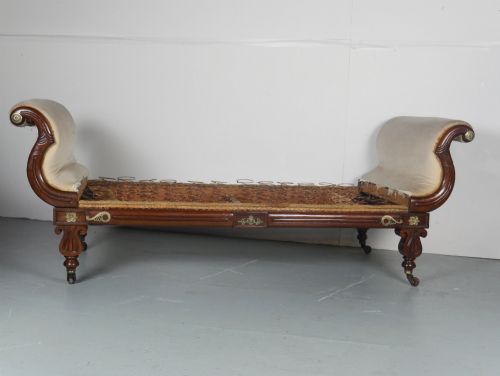
Beyond standard double and single sizes, the inventory includes king-sized proportions, day beds, and carved wooden bed canopies. These pieces reflect the prevailing domestic styles of their respective decades.
Assessing Craftsmanship
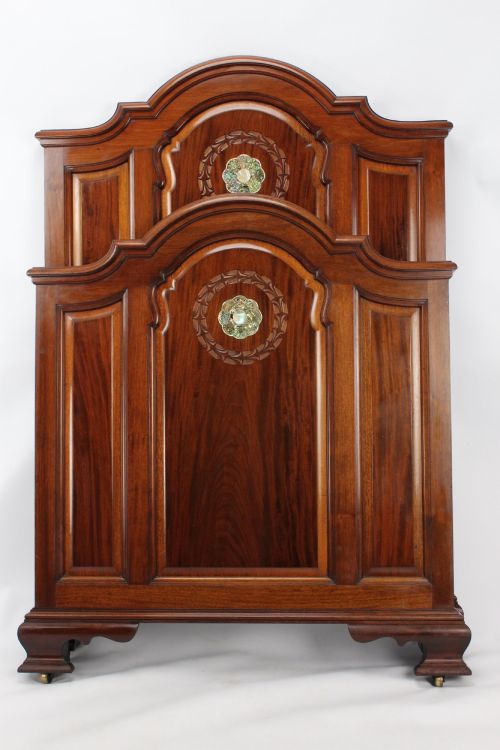
Quality rests in the selection of timber and the precision of the joinery rather than surface decoration alone. Finer pieces display carefully matched veneers, crisp hand-carved details, and robust structural framing.
Makers known for exceptional production utilised superior grades of mahogany and oak, applying meticulous attention to proportion and finish. Simpler vernacular pieces offer utilitarian strength with more modest detailing.
Antique Wooden Bed Retail Price Guide 2026
Typical asking prices for wooden bed among the pieces listed under this phrase on Sellingantiques today, from the lower quarter to the upper quarter. They describe what is for sale here now, not the wider market.
Listings feature wooden beds spanning from the seventeenth century through to Art Deco designs, constructed in oak, mahogany, walnut, and fruitwood.
Heals·Stanley Webb Davies·Oliver Morel·Waring and Gillow
The Antique Wooden Bed Glossary
- Bedstead
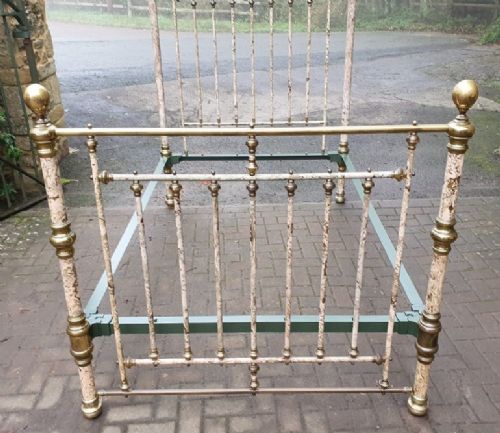
- The framework of a bed, including the headboard, footboard, and side rails. This term frequently appears in historical listings for wooden sleeping furniture.
- Four poster
- A bed with four vertical columns supporting an upper canopy or tester. These grand structures often feature substantial carved oak or mahogany posts.
- Coffer
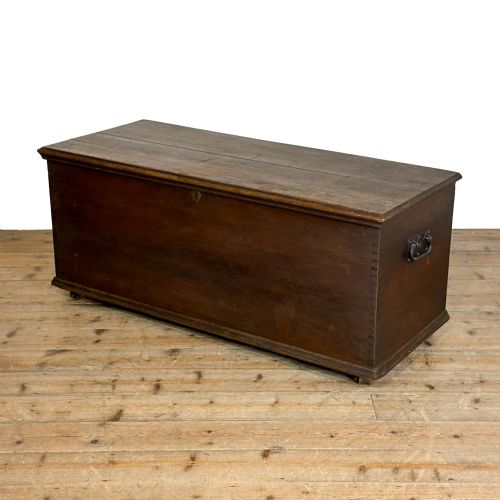
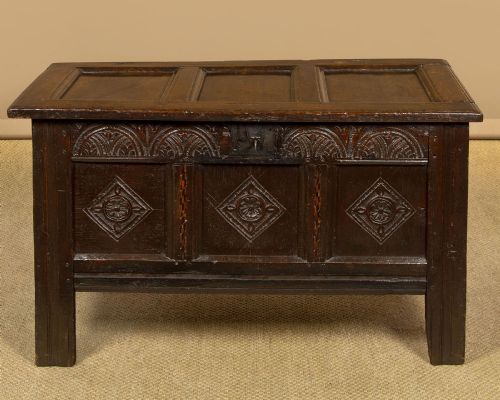
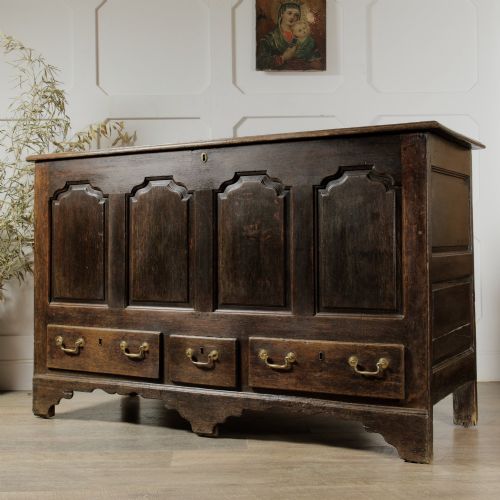
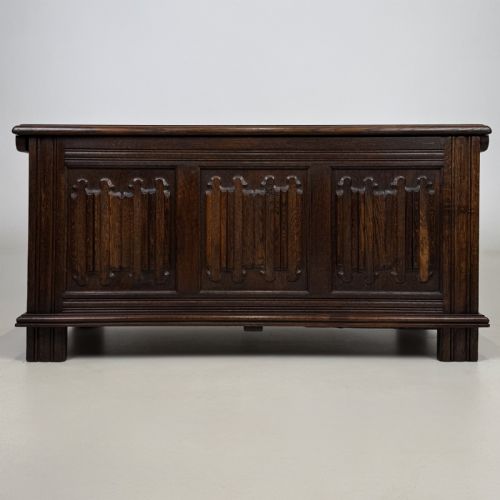
- A large wooden chest used historically for storage. These storage pieces share the same timber and decorative vocabulary as contemporary bed frames.
- Bergere
- A chair or bed inset with woven cane panels. Examples in the evidence combine oak frames with this lighter textural element.
- Inlay
- A decorative technique where contrasting pieces of wood are inserted into the primary surface. Edwardian and Victorian frames frequently employ this method for subtle ornamentation.
Antique Wooden Bed: Frequently Asked Questions
How do I choose the right size?
Review the listed dimensions carefully to distinguish between single, double, and king sizes. Modern mattresses may require minor adjustments to fit historical frames accurately.
Consider the proportions of the headboard and footboard relative to your room space. Larger four-poster and superking structures demand substantial clearance.
Are these beds suitable for daily use?
Solid timber construction provides the durability required for everyday sleeping arrangements. Many historical frames accommodate modern slat systems.
Check the internal dimensions and side rail fixings to ensure standard modern bases fit securely. Professional assembly prevents structural strain on antique joints.
How do I identify the period?
Examine the timber species, decorative motifs, and construction techniques employed in the frame. Oak is prevalent in seventeenth-century and revival pieces, while mahogany dominates Georgian and Victorian examples.
Art Deco and 1930s pieces introduce streamlined geometry and burr walnut veneers. Maker labels or stamps, when present, offer definitive dating evidence.
How should I care for the wood?
Maintain stable room humidity to prevent timber from splitting or warping over time. Apply appropriate wax polishes sparingly to preserve the natural grain and finish.
Avoid placing wooden frames near direct heat sources or strong sunlight. Regular dusting with a soft cloth protects the historical surface.