





Brown Timber Bedstead
A brown timber bedstead grounds a bedroom with genuine warmth, bringing substantial presence and historic character to the space.
Brown Timber Bedstead
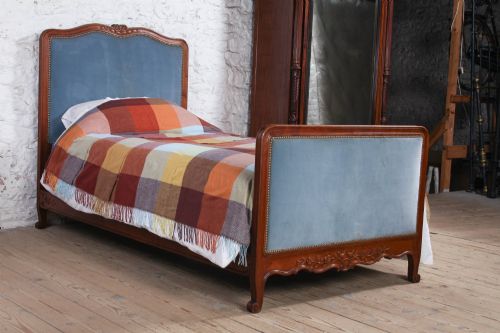
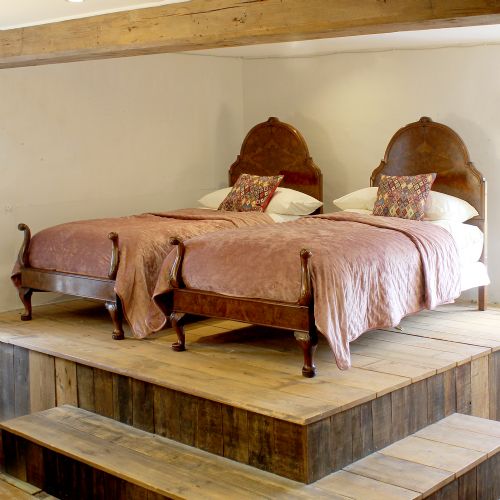
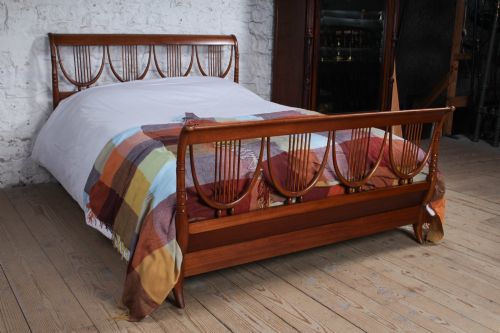
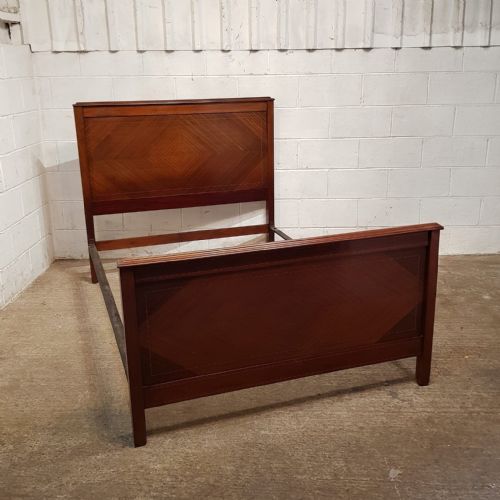
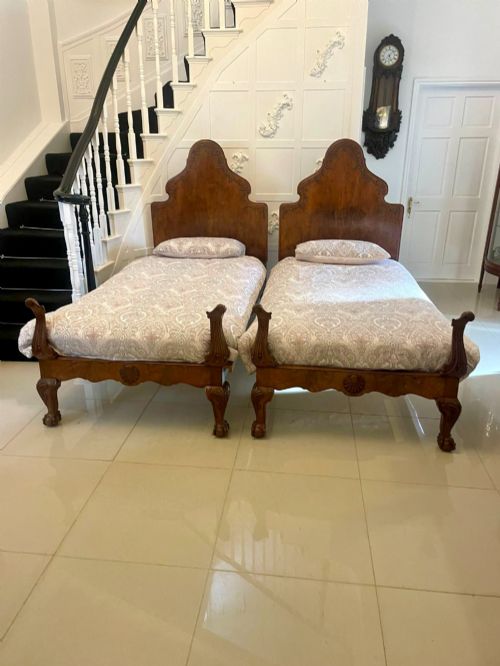
A brown timber bedstead spans several distinct periods, with nineteenth century, Edwardian, and early twentieth-century examples forming the core of the selection. These pieces appear in forms ranging from single and double beds to grander king-size and four-poster configurations.
Makers and regional workshops produced these frames in diverse aesthetics, encompassing Queen Anne style, Arts and Crafts, Louis XVI revival, and French provincial designs. Alongside full-scale furniture, smaller variants such as miniature wooden dolls beds occasionally surface.
Buyers will encounter multiple wood species and stylistic interpretations, from standard double proportions to specialised long single formats. The variety extends to decorative treatments, including hand-painted floral panels and marquetry detailing.
Materials and Construction
Makers utilised rich hardwoods, predominantly walnut, mahogany, and burr walnut, supplemented by cherry wood, fruitwood, sweet chestnut, and oak. These timbers provided the structural integrity and deep natural grain patterns essential for substantial bed frames.
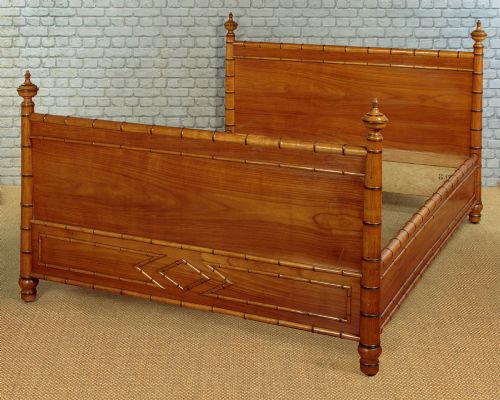
Construction techniques combine traditional joinery with decorative surface work, incorporating carved elements, marquetry, and occasional ormolu mounts. Certain pieces utilise faux bamboo shaping or hand-painted floral panels to achieve specific stylistic finishes.
Brown Timber Bedstead Retail Price Guide 2026
Typical asking prices for brown timber bedstead among the pieces listed under this phrase on Sellingantiques today, from the lower quarter to the upper quarter. They describe what is for sale here now, not the wider market.
Someone once preserved the illusion of the Orient by sleeping inside a meticulously carved faux bamboo double bed.
Assessing Quality
Quality rests upon the selection of timber figures, such as highly figured burr walnut or plum pudding mahogany, and the crispness of hand-carved detailing. Superior pieces display harmonious proportions and sophisticated stylistic adherence, whether in a restrained Edwardian mahogany frame or an elaborate French revival design.
Heals of London·Stanley Webb Davies·Oliver Morel
The Brown Timber Bedstead Glossary
- Burr walnut
- A wood veneer derived from the wart-like growths on walnut trees, prized for its swirling, highly figured grain patterns. It frequently appears on high-status Edwardian and early twentieth-century bed frames.
- Marquetry
- The art of applying pieces of veneer to a structure to form decorative patterns and pictures. French revival bedsteads often employ this technique on headboards and footboards.
- Four poster bed
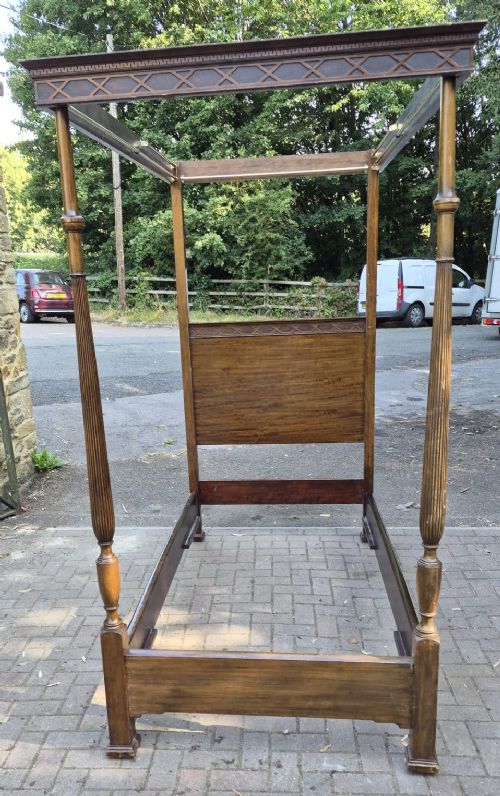
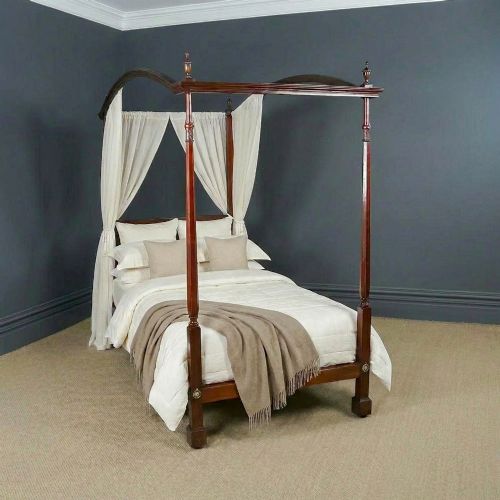
- A bed featuring four vertical columns that support an upper canopy framework. Examples in these listings range from Edwardian mahogany interpretations to Georgian style designs.
- Faux bamboo
- A decorative technique where timber is carved or turned to resemble natural bamboo stalks. This style gained popularity during the late nineteenth century.
Brown Timber Bedstead: Frequently Asked Questions
How do I choose the right size?
Consider the proportions of your room and the specific dimensions recorded in the listing, noting that sizes range from small single beds to super king formats.
Keep in mind that older frames can vary from modern standard mattress sizes, so checking exact internal measurements is essential before purchase.
Are these beds suitable for daily use?
Most antique wooden bed frames can accommodate modern use, provided the side rails and joints remain stable and secure.
Many buyers adapt historic frames to fit contemporary mattress bases while preserving the original headboard and footboard structure.
How do I identify the wood type?
Examine the grain pattern, colour depth, and weight of the timber, comparing standard mahogany and walnut against highly figured variants like burr walnut or fruitwood.
Lighting plays a key role in revealing subtle tones in woods such as cherry and sweet chestnut.
What distinguishes French styles from English ones?
French frames often feature ornate carving, Louis XVI revival marquetry, or hand-painted floral panels, creating a decorative and curved profile.
English pieces tend to emphasise architectural lines, rich mahogany grains, and restrained Arts and Crafts or Georgian proportions.