

19th Century Bed Frame
Choosing a 19th century bed frame brings solid structural character and historical presence into a bedroom.
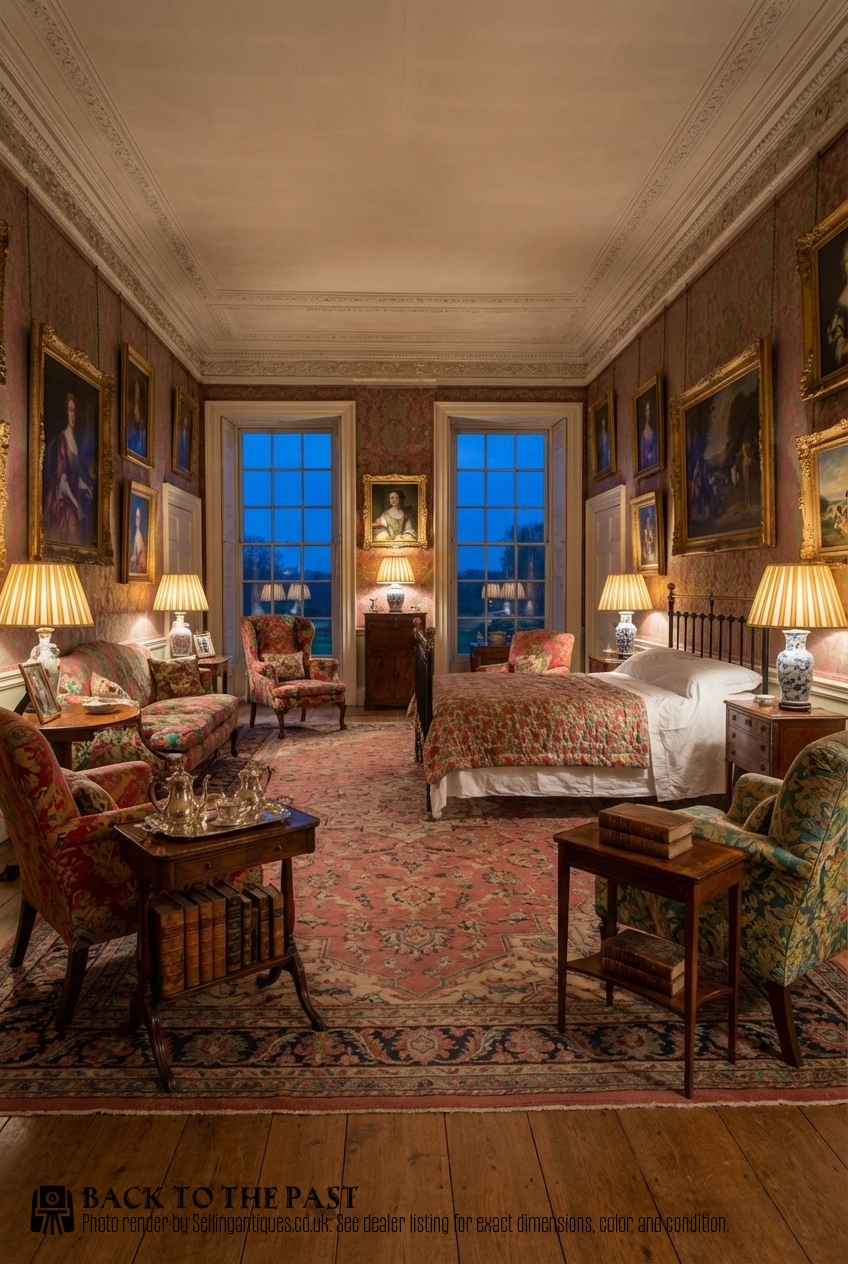
19th Century Bed Frame
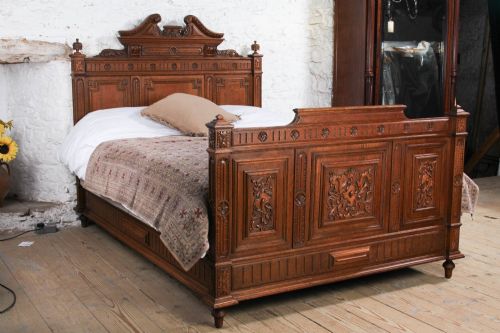
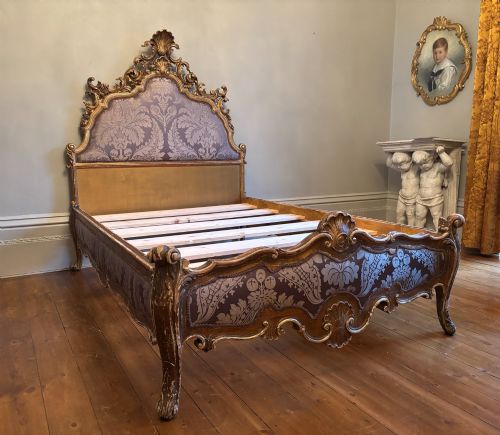
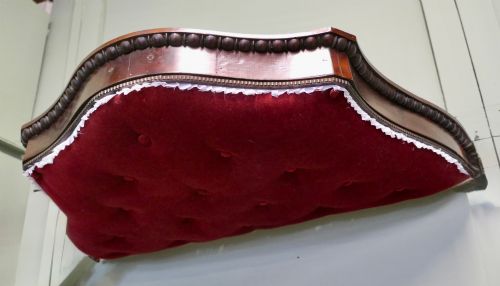
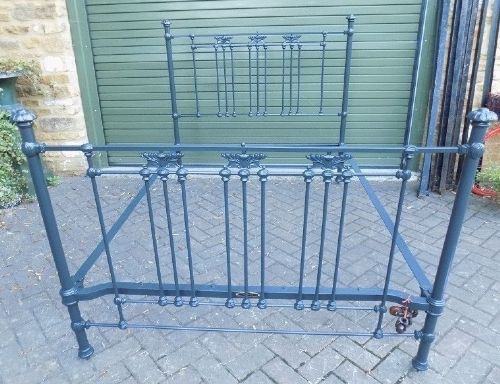
A 19th century bed frame spans several distinct regional styles, from heavy Victorian brass and iron constructions to continental walnut and mahogany designs. Buyers navigating this selection encounter both utilitarian iron frames and ornate carved timber bedsteads originating from British, French, and Italian workshops.
The material palette is split largely between metal and wood, featuring cast iron and brass combinations alongside dense hardwoods like walnut, mahogany, and kingwood. Forms range from simple single and double bedsteads to half tester canopies and four poster configurations.
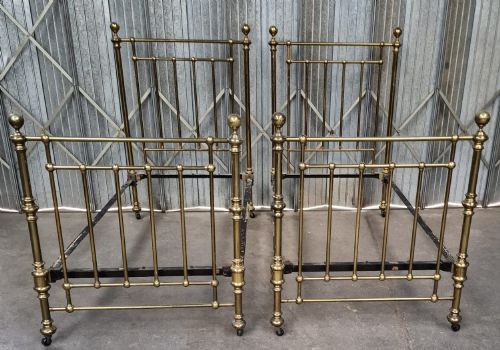
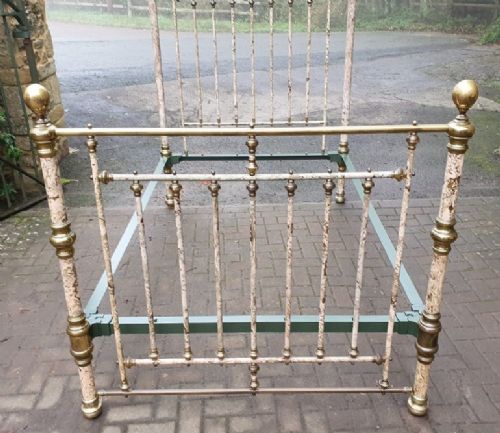
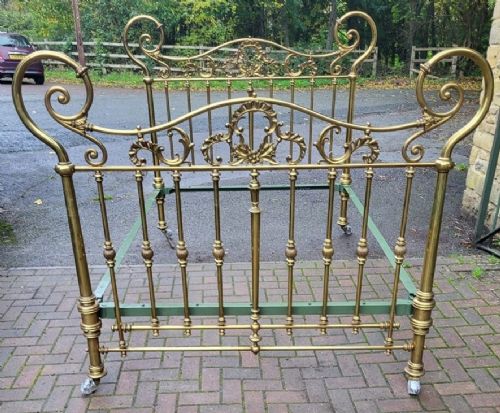
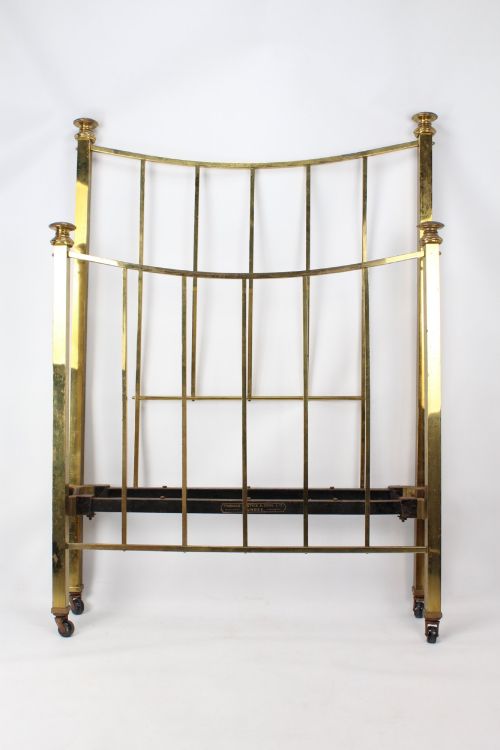
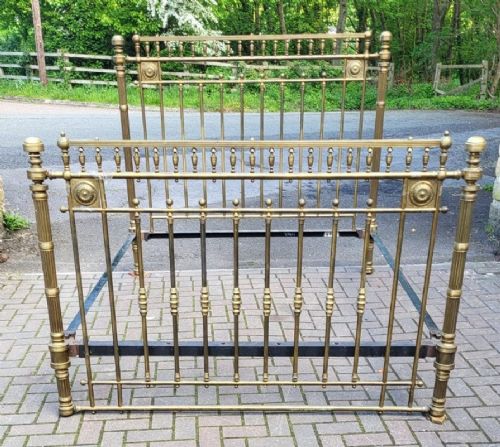
Victorian examples dominate the domestic offerings, frequently utilising brass tubing and iron slot-in frames fitted on castors for mobility. Continental pieces tend to showcase decorative carving, ormolu mounts, and painted finishes characteristic of French chateau and Rococo revivals.
How They Were Made
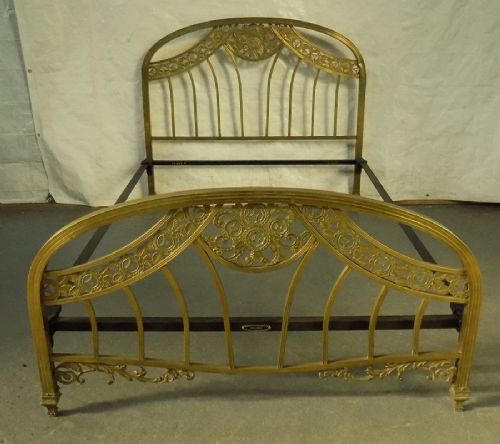
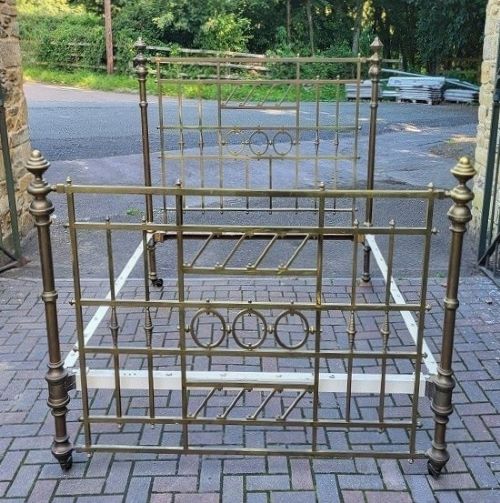
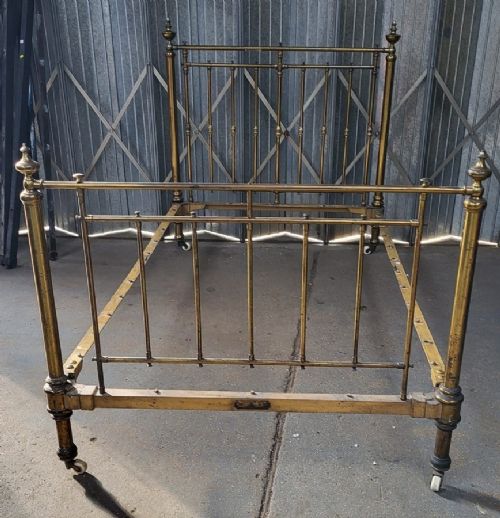
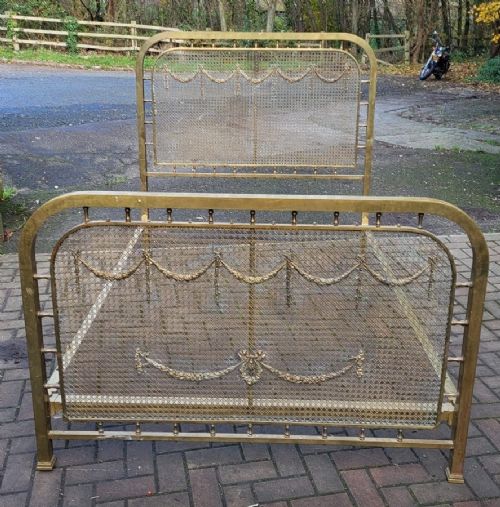
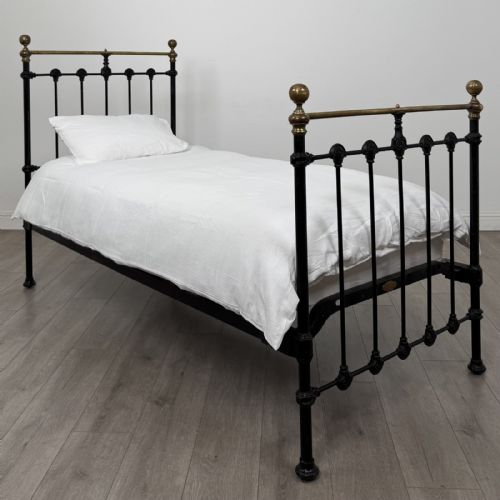
Metal bed frames rely on combinations of cast iron and spun or sheet brass, utilising mechanical joints and slot-in side rails supported by iron castors. Brass components frequently include decorative cast fittings, mounts, and tubing assembled around structural iron cores.
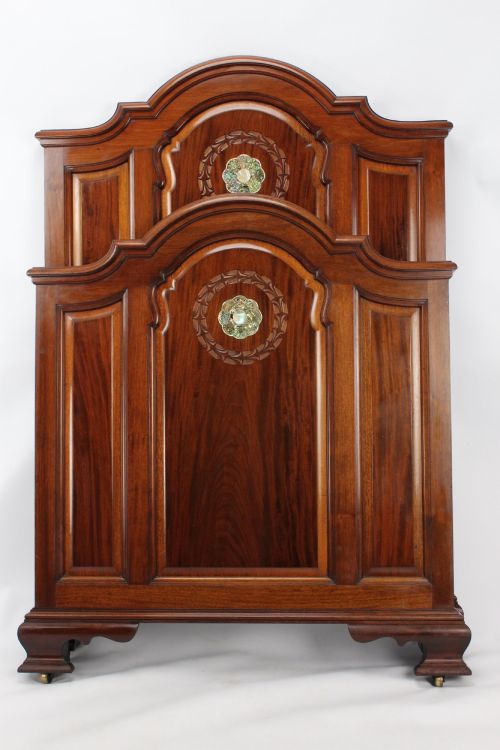
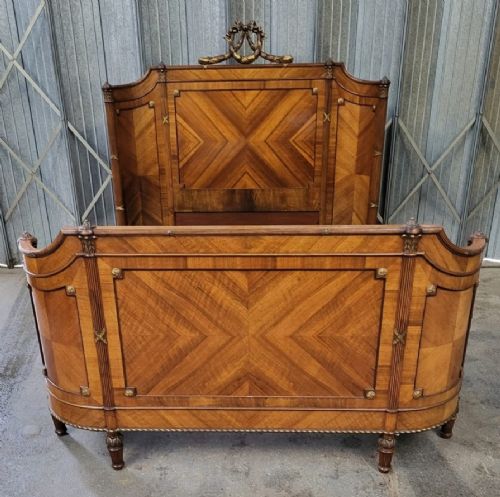
Wooden frames are constructed from native and exotic timbers such as walnut, mahogany, and kingwood, employing traditional joinery alongside quarter-veneering and parquetry. Continental workshops applied hand-carved detailing, gesso gilt, and painted or polished finishes directly onto the timber frames.
19th Century Bed Frame Retail Price Guide 2026
Typical asking prices for 19th century bed frame among the pieces listed under this phrase on Sellingantiques today, from the lower quarter to the upper quarter. They describe what is for sale here now, not the wider market.
Listings feature 19th-century bed frames spanning Victorian, Regency, and French Chateau styles built from brass, cast iron, walnut, and mahogany.
What Varies in Quality
The distinction between ordinary and superior pieces rests on the weight of the metalwork, the depth and crispness of timber carvings, and the integrity of original joints. Maker attribution, such as work by RW Winfield or James Shoolbread and Co, separates standard production furniture from high workshop output.
Subtleties in finish quality, including the grade of brass castings, the complexity of ormolu mounts, and the preservation of original paint or polish, determine the standing of an individual bedstead within its period.
RW Winfield·James Shoolbread and Co
The 19th Century Bed Frame Glossary
- Bedstead
- A framework of wood or metal designed to support a mattress and bedding. This term appears frequently in 19th-century records alongside modern frame terminology.
- Half Tester
- A canopy projecting from the wall or headboard to cover only the upper portion of a bed. These frames often carry draped fabric above the pillow area.
- Ormolu
- Gilded bronze mounts applied as decorative ornaments to furniture. This technique is typical of finer French revival pieces from the period.
- Parquetry
- Geometric wood mosaic work used for decorative veneer surfaces on headboards and footboards. Master cabinetmakers utilised contrasting timber grains to create intricate patterns.
- Toleware
- Enamelled or lacquered metalware used for decorative components or entire structural frames. Austrian and French workshops produced these lighter coloured pieces during the 19th century.
19th Century Bed Frame: Frequently Asked Questions
What sizes are available in these antique beds?
Nineteenth-century bed dimensions do not map directly onto modern standard sizes. Single, double, and king size formats appear frequently, but exact mattress dimensions often require custom or adjusted support slats.
Buyers should verify internal rail lengths and widths carefully before purchasing antique bedding components.
How do brass and iron frames assemble?
Most metal frames utilise a slot-in system where side rails drop securely into cast iron corner brackets attached to the headboard and footboard. This wedge-fit design tightens under weight without requiring permanent fasteners.
Castors fitted to the legs allow the completed structure to be repositioned easily across bedroom floors.
How do I identify French regional styles?
French beds from this era often showcase carved walnut or painted finishes reflecting Louis XV and Renaissance revival tastes. Details such as shaped headboards, quarter-veneered panels, and applied ormolu mounts indicate continental origin.
These designs contrast with the simpler vertical rails typical of British Victorian iron and brass production.