

Antique Wooden Dressers
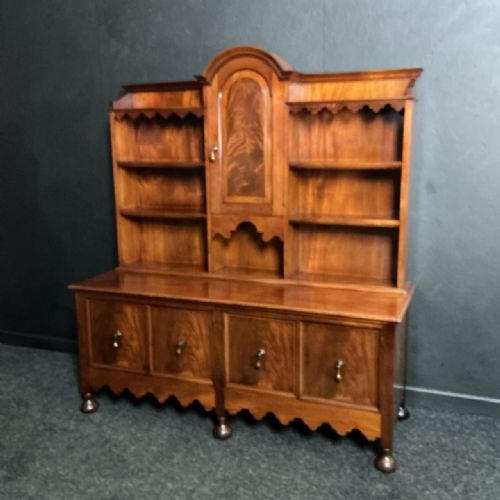
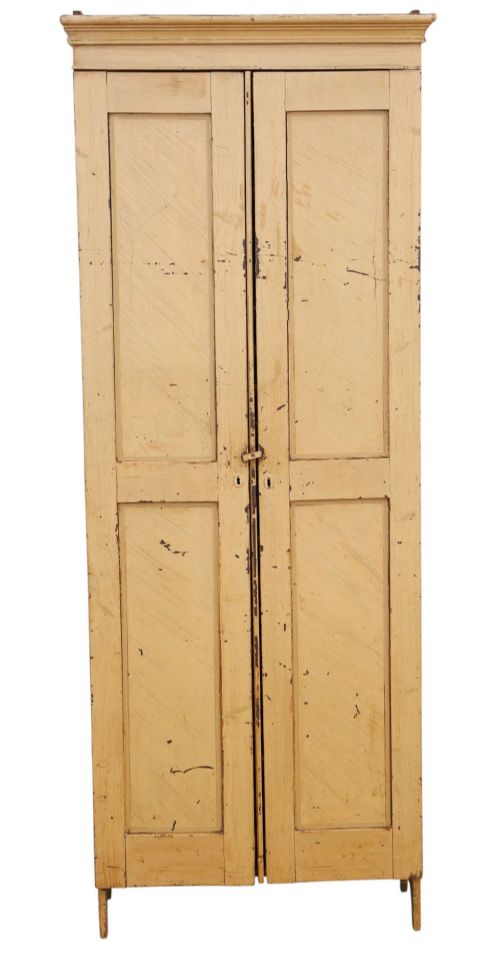
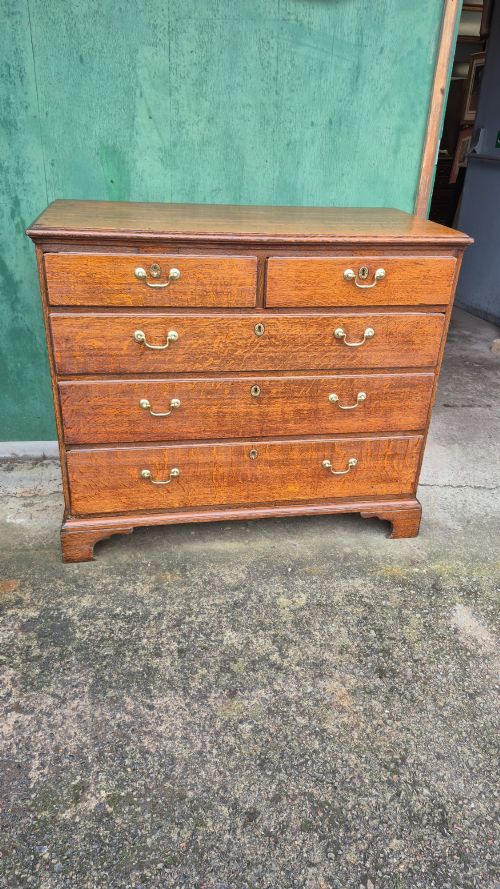
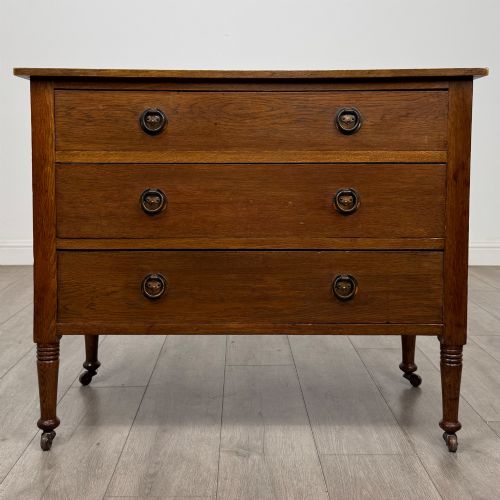
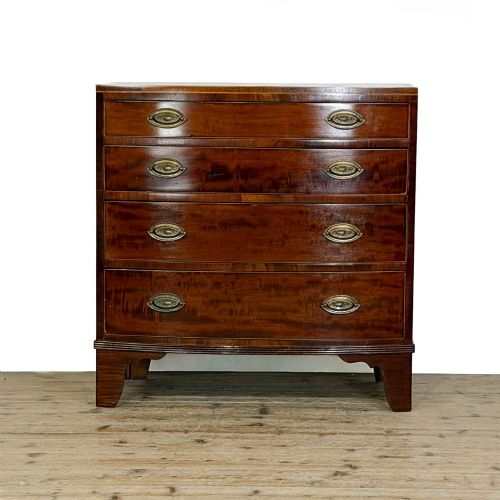
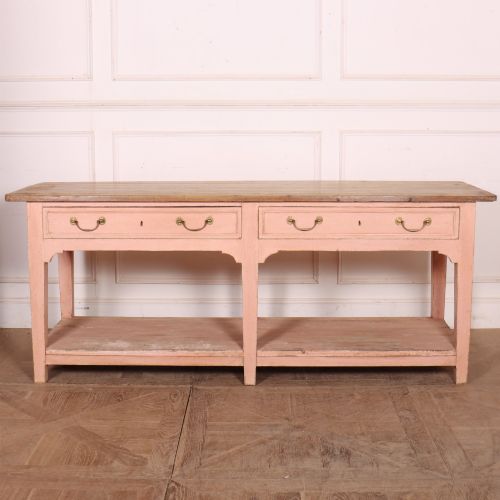
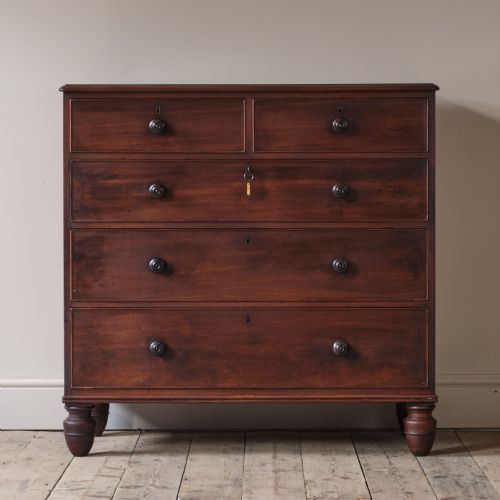
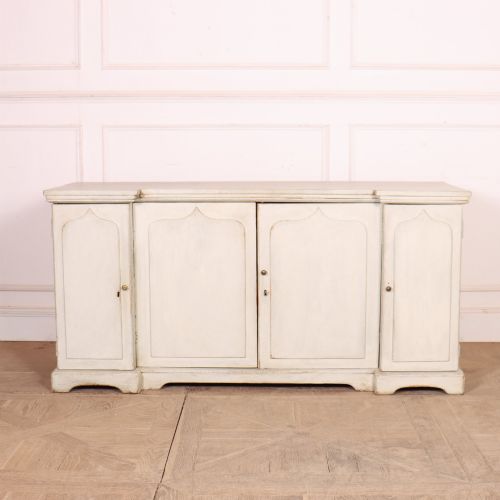
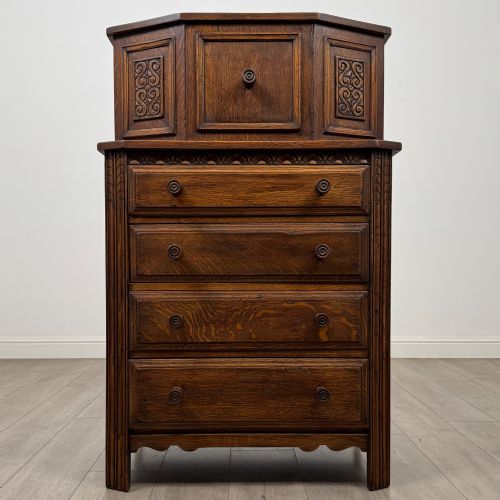
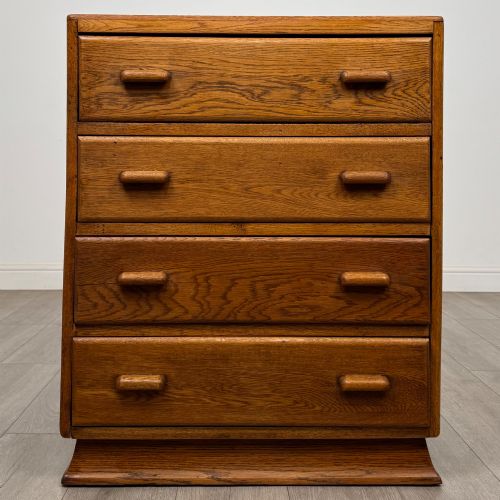
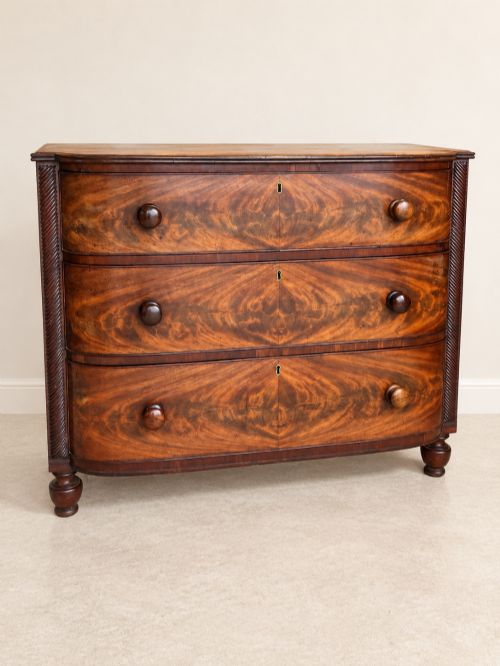
Antique wooden dressers are substantial storage pieces in mahogany and walnut, offering classic proportions and lasting timber character that anchor a traditional room.
Antique wooden dressers
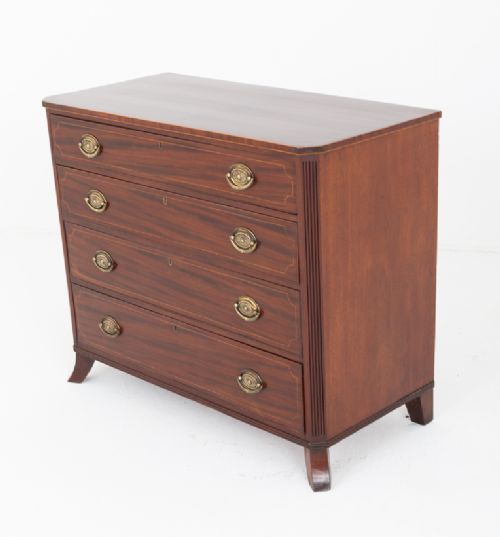
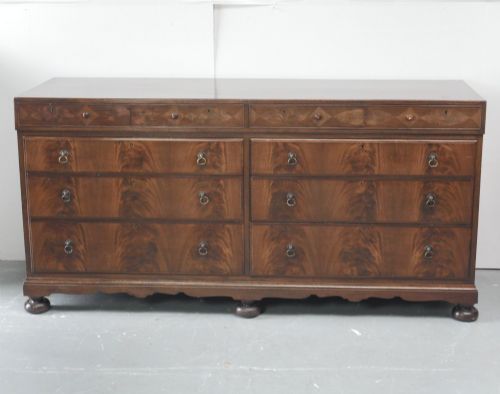
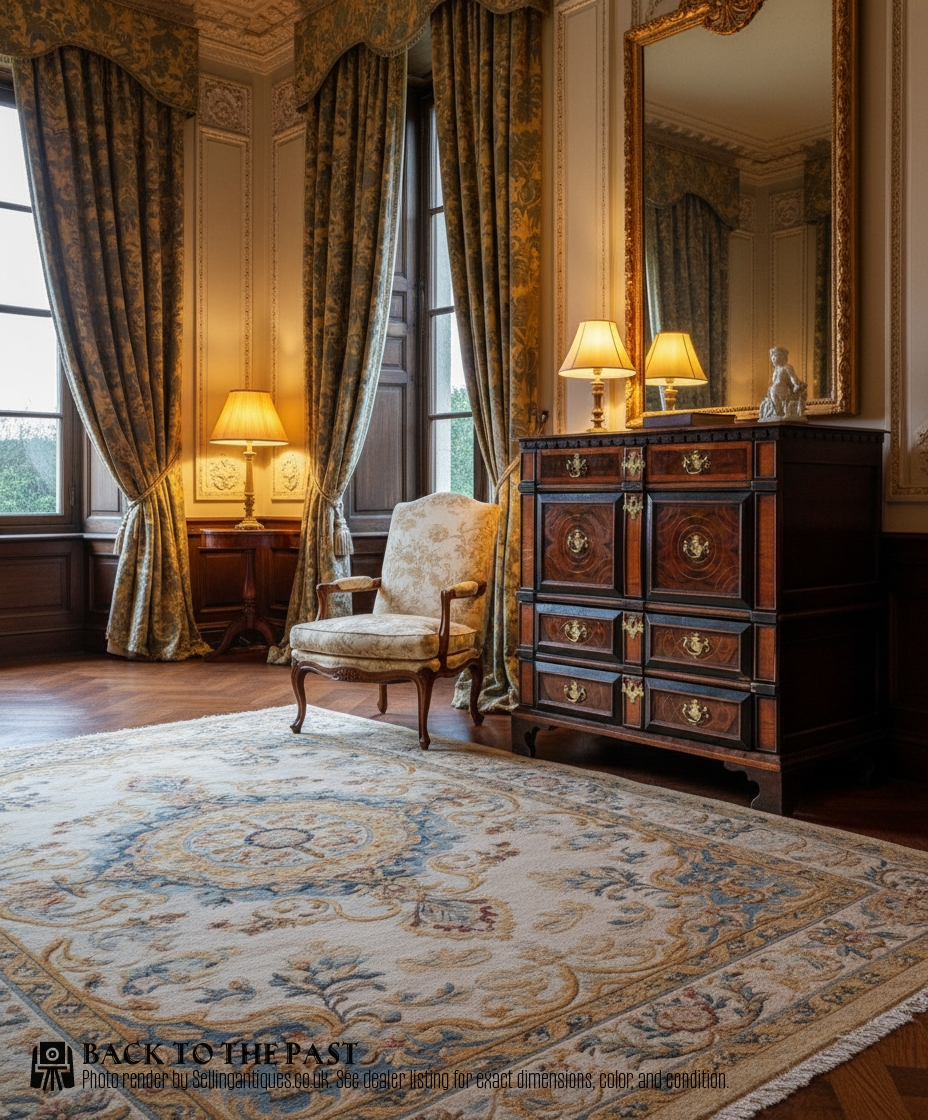
Antique wooden dressers on this page primarily comprise mahogany and walnut chests of drawers originating from various eras. Buyers searching for antique wooden dressers encounter forms spanning the eighteenth century through to the early twentieth century.
The selection includes Georgian pieces alongside George V examples, reflecting both strict period craftsmanship and later revival styles. Chests of drawers dominate the offerings, providing deep storage with traditional drawer configurations.
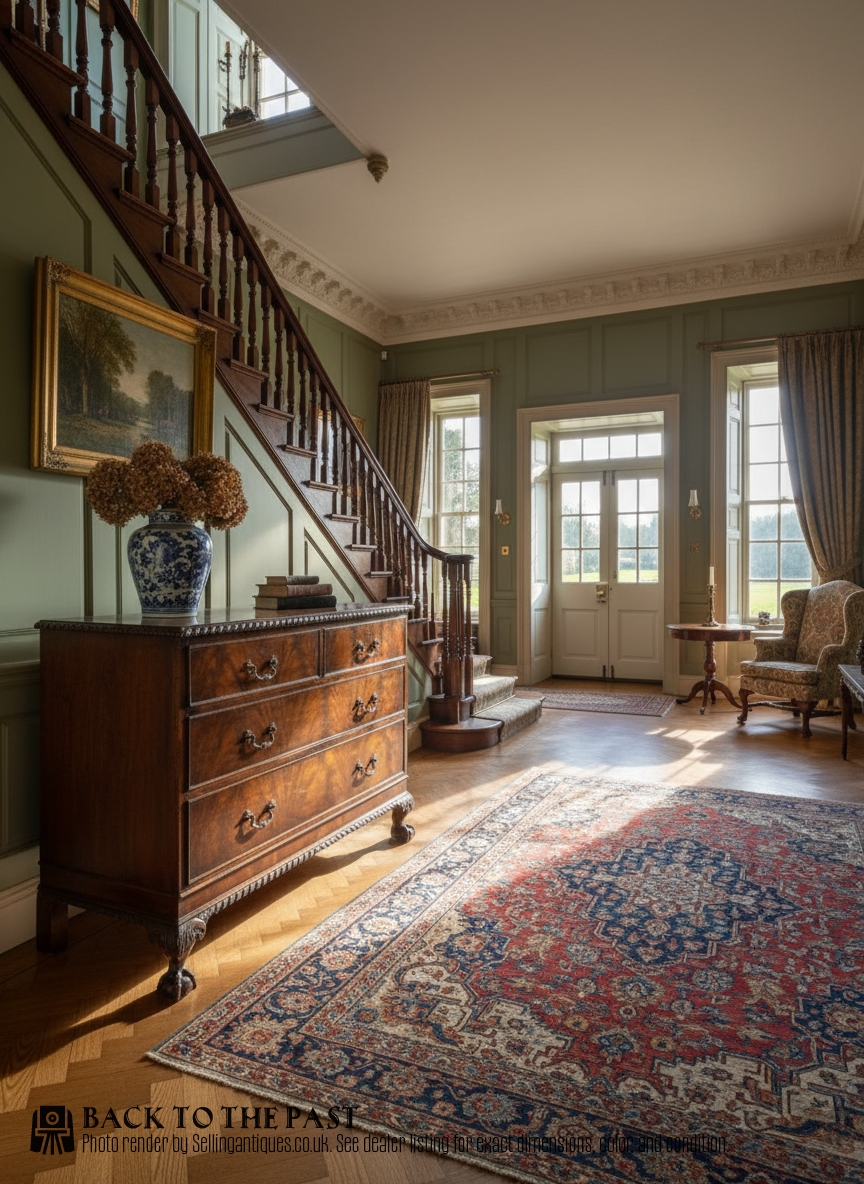
Materials and construction
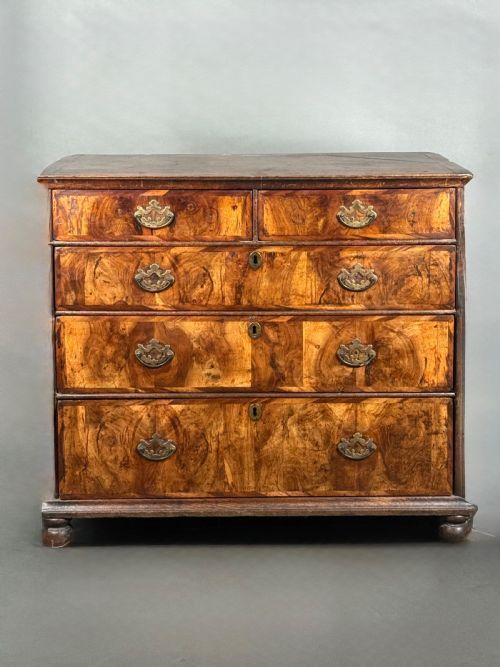
Cabinet makers utilised dense hardwoods such as mahogany and walnut, sometimes selecting burr walnut to create striking figured surfaces. Oyster veneer techniques appear on specific pieces, laying circular cut sections of timber across the carcase in intricate patterns.
Metalwork details such as brass handles and escutcheons complement the wooden construction. Joinery relies on traditional carpentry methods appropriate to each period, ensuring the structural integrity of the chests.
Retail Price Guide 2026
Typical UK retail prices for wooden dressers, calculated from the Sellingantiques database of over a million retail prices indexed since 2003. This retail price guide relies exclusively on Sellingantiques data; no external sources or auction records are used, so the figures do not describe the wider market.
Oyster veneer turns humble branch trimmings into swirling wooden seascapes.
Assessing quality
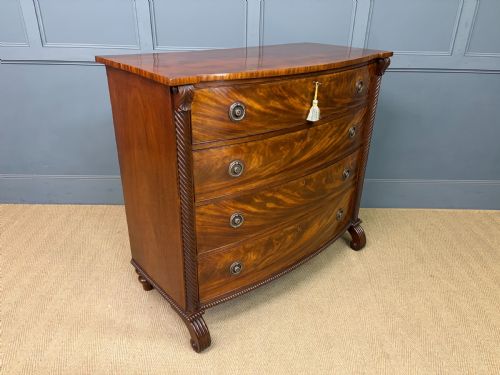
Quality differences rest in the selection of timber veneers and the crispness of carved details such as ball and claw feet. Superior examples display carefully matched grain patterns and harmonious proportions across the drawer fronts.
The integration of secondary timbers and the retention of original brass hardware elevate certain pieces above standard utilitarian chests. Finer items demonstrate meticulous attention to surface finishing and decorative serpentine shaping.
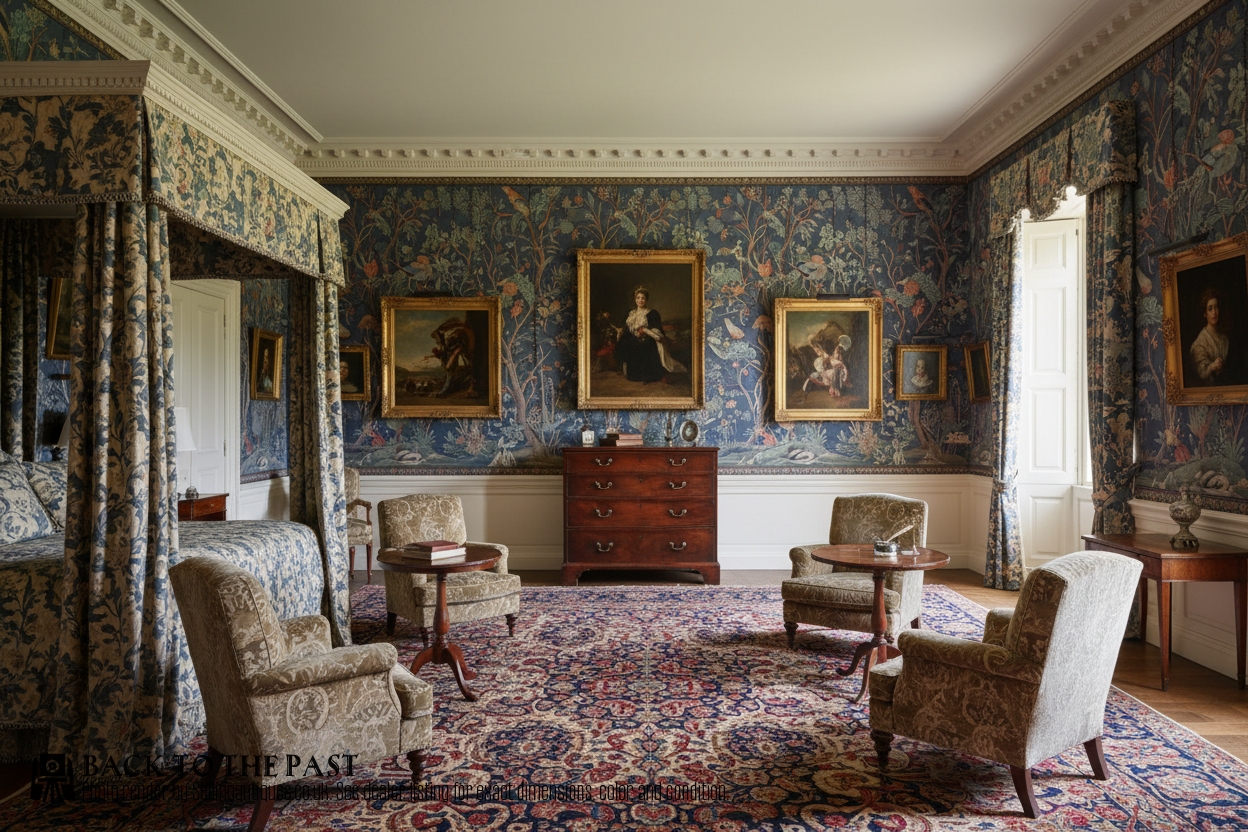
The Antique Wooden Dressers Glossary
- Serpentine
- A gently undulating curved front shape popular in Georgian furniture design. This contour requires precise woodworking skill to execute smoothly across multiple drawer fronts.
- Oyster Veneer
- Branches or small limbs sliced transversely to produce circular or oval wooden motifs resembling oyster shells. Artisans arranged these distinct sections closely together to cover large surfaces.
- Burr Walnut
- Timber taken from a tree growth or wart, yielding a swirling, highly figured grain pattern. It remains prized for decorative cabinet work due to its rich visual texture.
- Ball and Claw
- A foot carved to resemble a bird's talon grasping a ball, frequently seen on early twentieth century or Georgian revival furniture. This motif draws inspiration from Chinese art via Dutch design.
Frequently Asked Questions
What periods do these dressers cover?
The available pieces span from the eighteenth century, through the Georgian era and nineteenth century, up to George V examples from around nineteen twenty.
This range allows collectors to select pieces reflecting either strict historical periods or later stylistic revivals.
What woods are typically used?
Cabinet makers predominantly used mahogany and walnut, including burr walnut variations and specialised oyster veneer work.
Brass fittings frequently accompany these primary timbers on the drawer fronts and handles.
Are these pieces suitable for daily bedroom use?
These chests of drawers provide deep, practical storage space that functions well in modern residential settings.
Their robust wooden construction ensures they withstand everyday use while adding historic character to a room.