

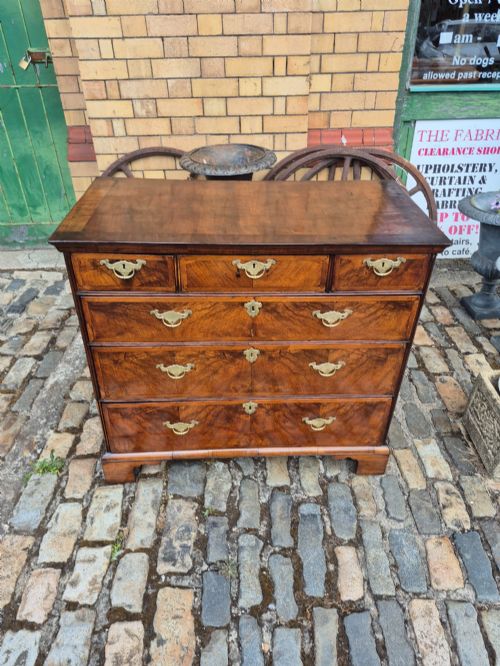
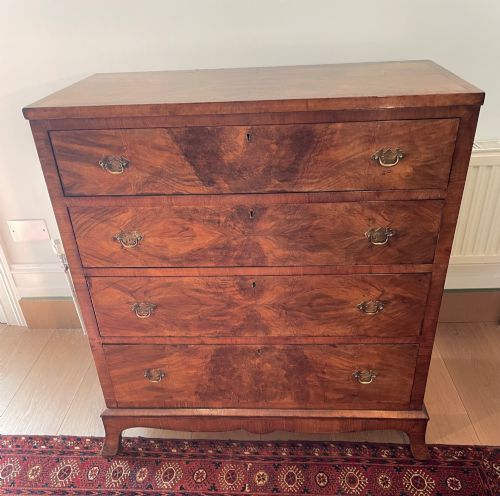
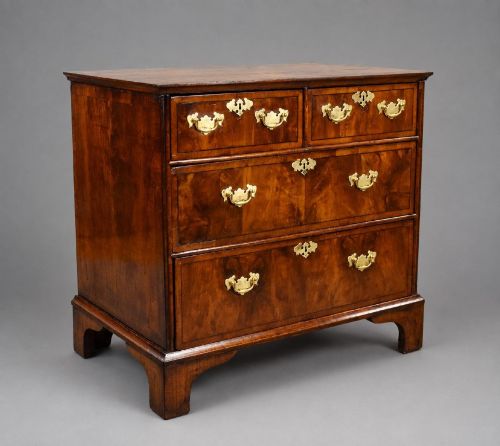
Georgian Walnut Commode
A georgian walnut commode brings warm timber grain and formal proportion to a room, offering deep drawers set within compact cabinet forms.
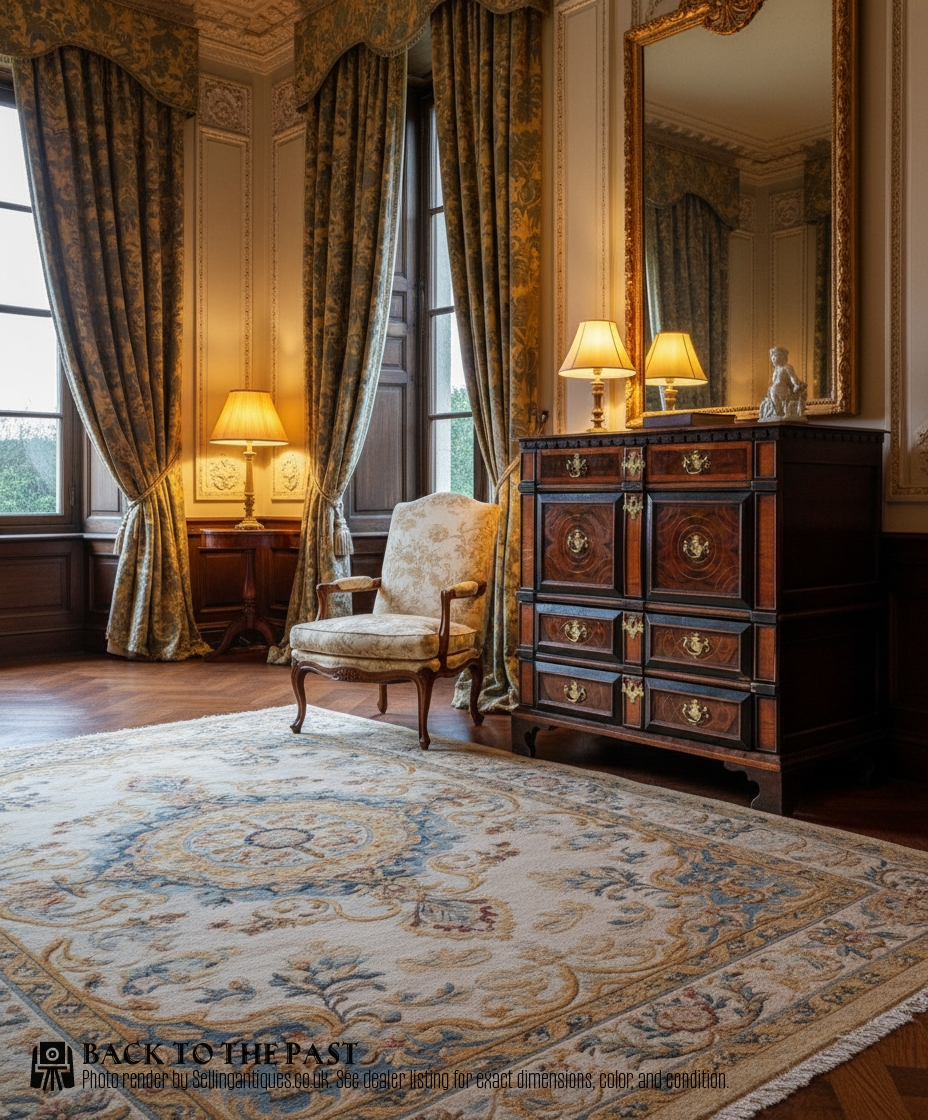
Georgian Walnut Commode
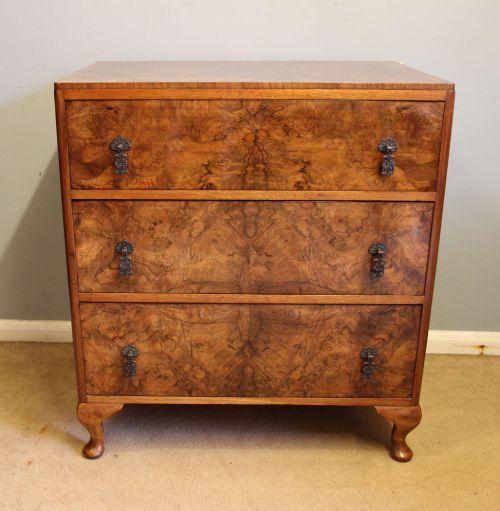
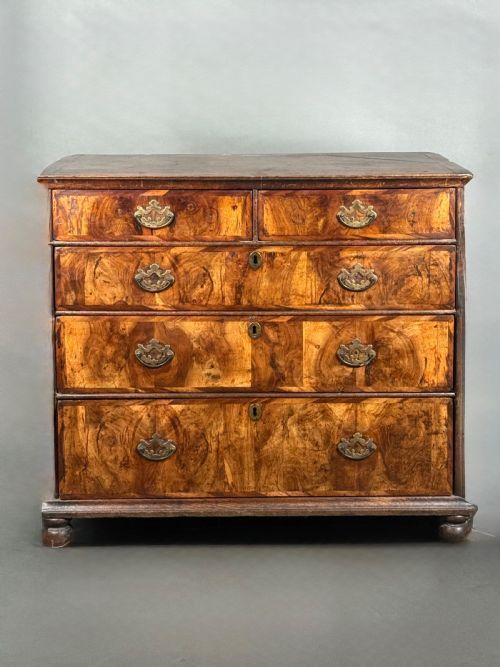
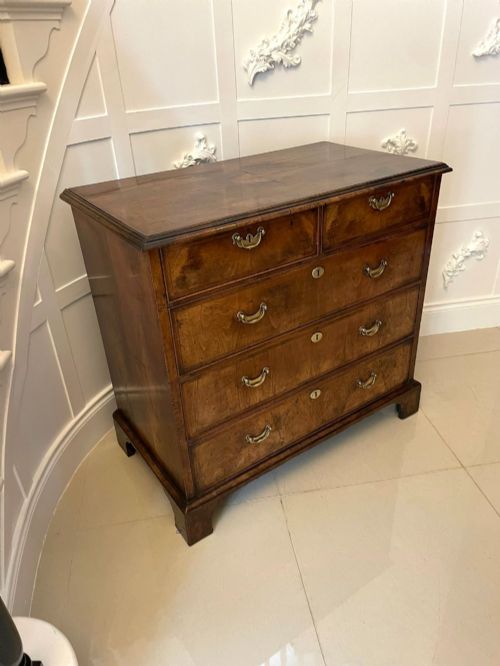
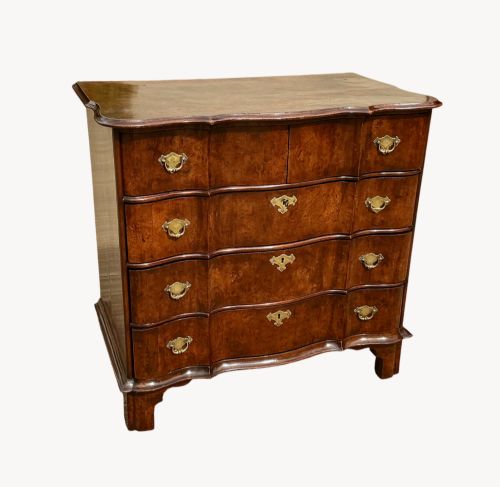
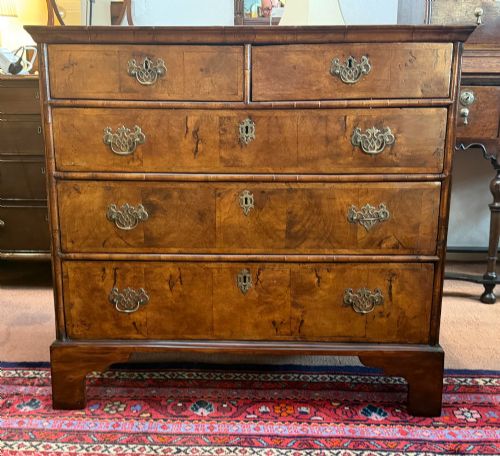
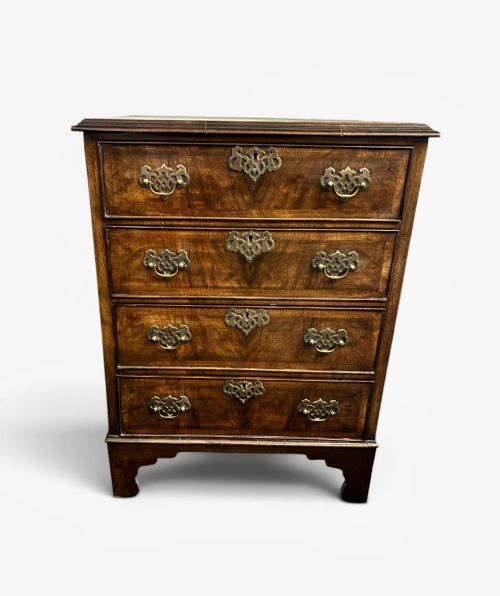
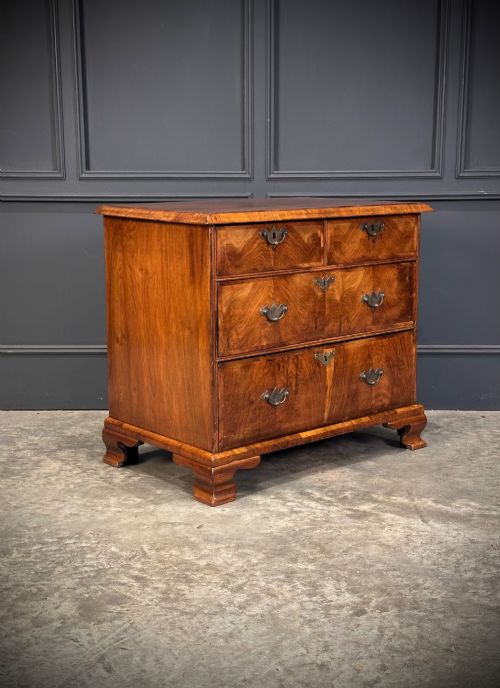
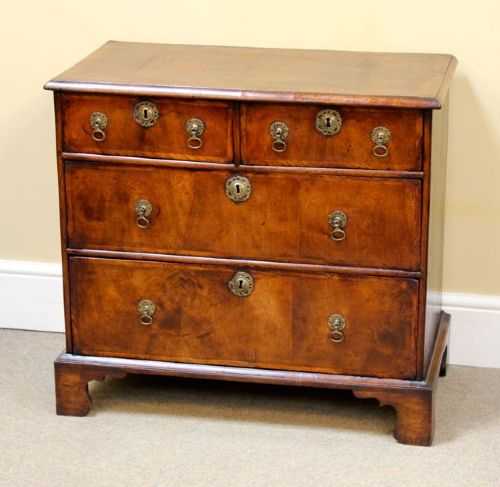
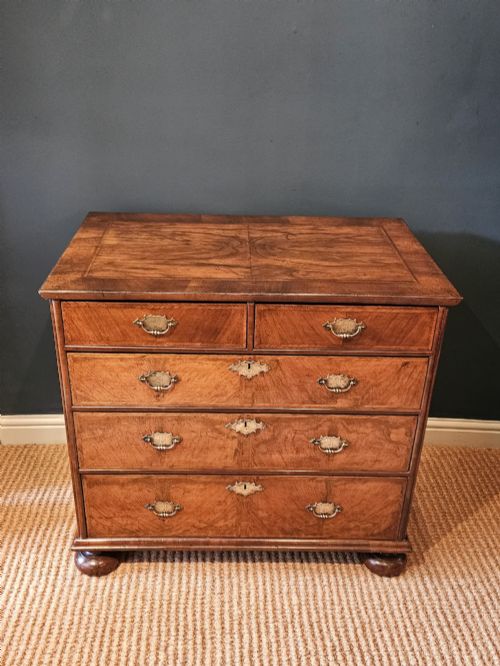
A georgian walnut commode typically takes the form of a chest of drawers, spanning periods from the early eighteenth century through to later revivals. Pieces range from formal Queen Anne and George I designs to later Edwardian and twentieth-century interpretations.
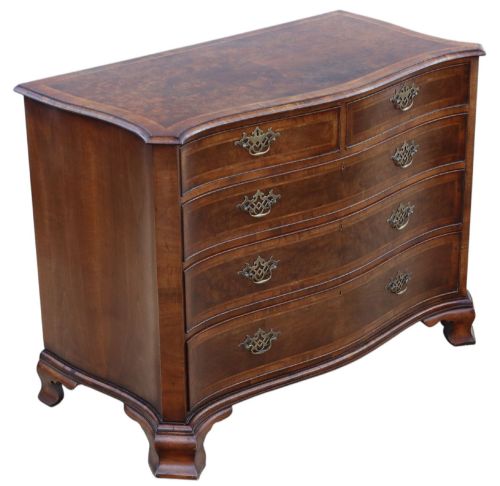
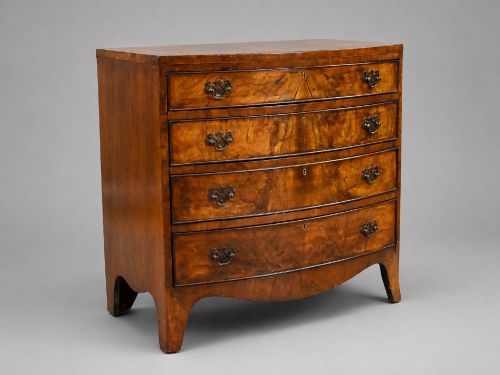
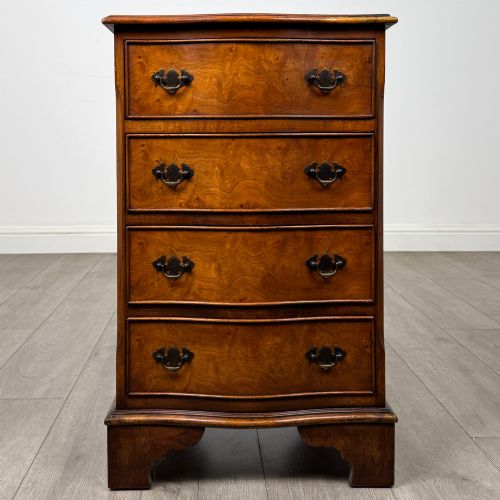
Buyers encounter various timber configurations including burr walnut, figured walnut, and plain veneers alongside solid secondary woods such as oak and pine. Forms vary from straight fronts to serpentine and bow front silhouettes.
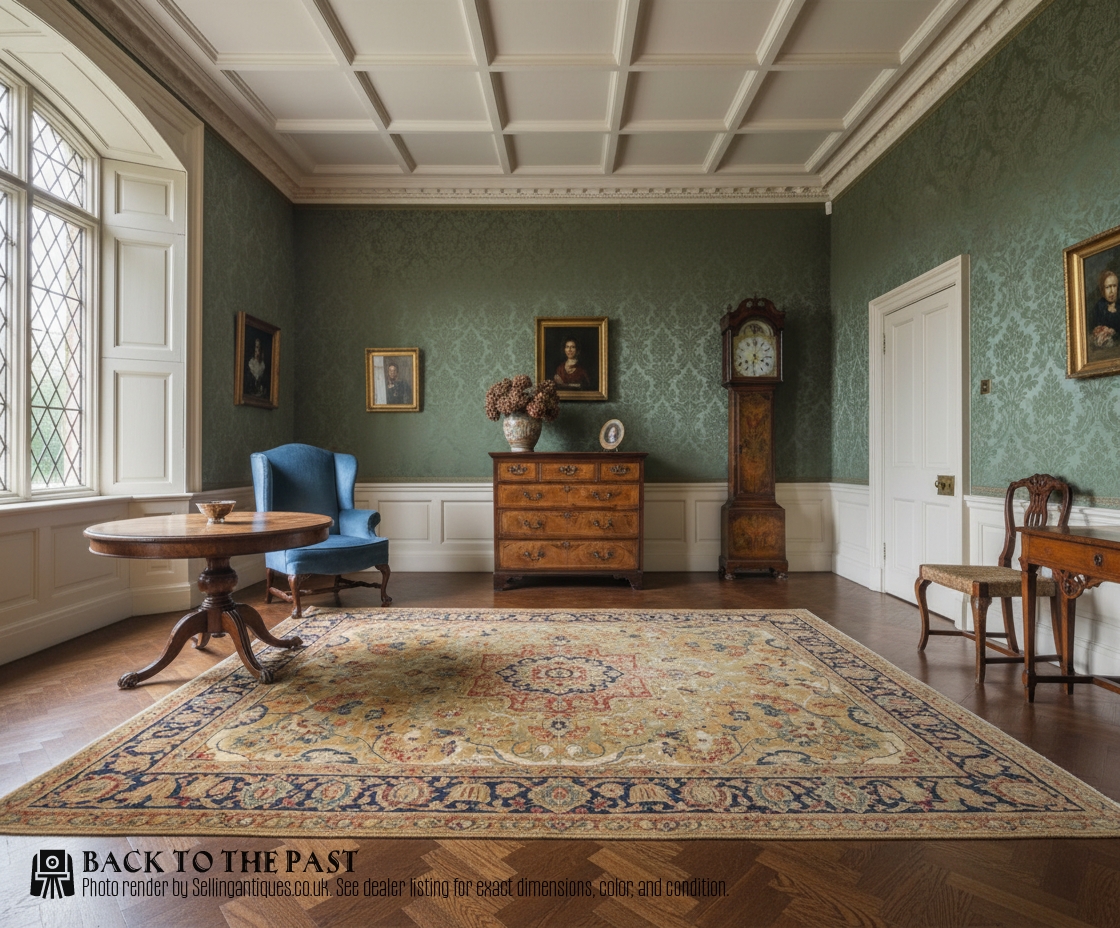
Judging quality in walnut furniture
Quality rests upon the selection of timber veneers, where highly figured burr walnut and matched grain patterns distinguish superior examples from plain alternatives. The precision of crossbanding and inlay work further indicates the skill of the original workshop.
Structural integrity, original brass hardware, and the preservation of the timber surface finish dictate the standing of individual pieces.
Georgian Walnut Commode Retail Price Guide 2026
Typical asking prices for georgian walnut commode among the pieces listed under this phrase on Sellingantiques today, from the lower quarter to the upper quarter. They describe what is for sale here now, not the wider market.
Certain miniature furniture items scale down the grandeur of full-size chests into charming cabinetmaker samples.

The Georgian Walnut Commode Glossary
- Burr walnut
- A decorative timber veneer taken from the growth excrescences of the walnut tree, prized for its swirling grain patterns.
- Crossbanding
- A narrow strip of veneer laid perpendicular to the surrounding grain along the borders of a drawer front or top.
- Serpentine
- A curved cabinet front featuring a convex central section flanked by two concave sweeps.
- Herringbone
- A v-shaped arrangement of contrasting veneer banding used to frame drawer fronts on early pieces.
Georgian Walnut Commode: Frequently Asked Questions
How do I spot a reproduction piece?
Examine the secondary timbers inside the drawers and check the characteristics of the veneer work against period construction methods.
Later revivals from the twentieth century often utilise different internal woods and modern adhesives compared to eighteenth-century originals.
What is the difference between a commode and a chest of drawers?
In historical terminology, the two terms often overlap when describing low, drawer-configured case furniture from the Georgian era.
Many pieces listed under this search phrase take the form of traditional drawer chests rather than enclosed cabinet commodes.
How should I care for walnut veneer?
Keep wooden furniture away from direct sunlight and steady humidity levels to prevent the fragile walnut veneers from lifting or splitting.
Apply traditional wax sparingly and polish with a soft cloth to maintain the natural sheen of the timber.
What periods do these pieces date from?
The selection spans authentic eighteenth-century examples from the reigns of George I and George II alongside later revival pieces.
Edwardian and 1930s interpretations replicate the earlier aesthetic using similar burr walnut and figured veneers.