
Georgian Bedroom Drawers
Georgian bedroom drawers bring practical storage and rich timber grain to sleeping quarters, offering sturdy proportions designed for daily use.
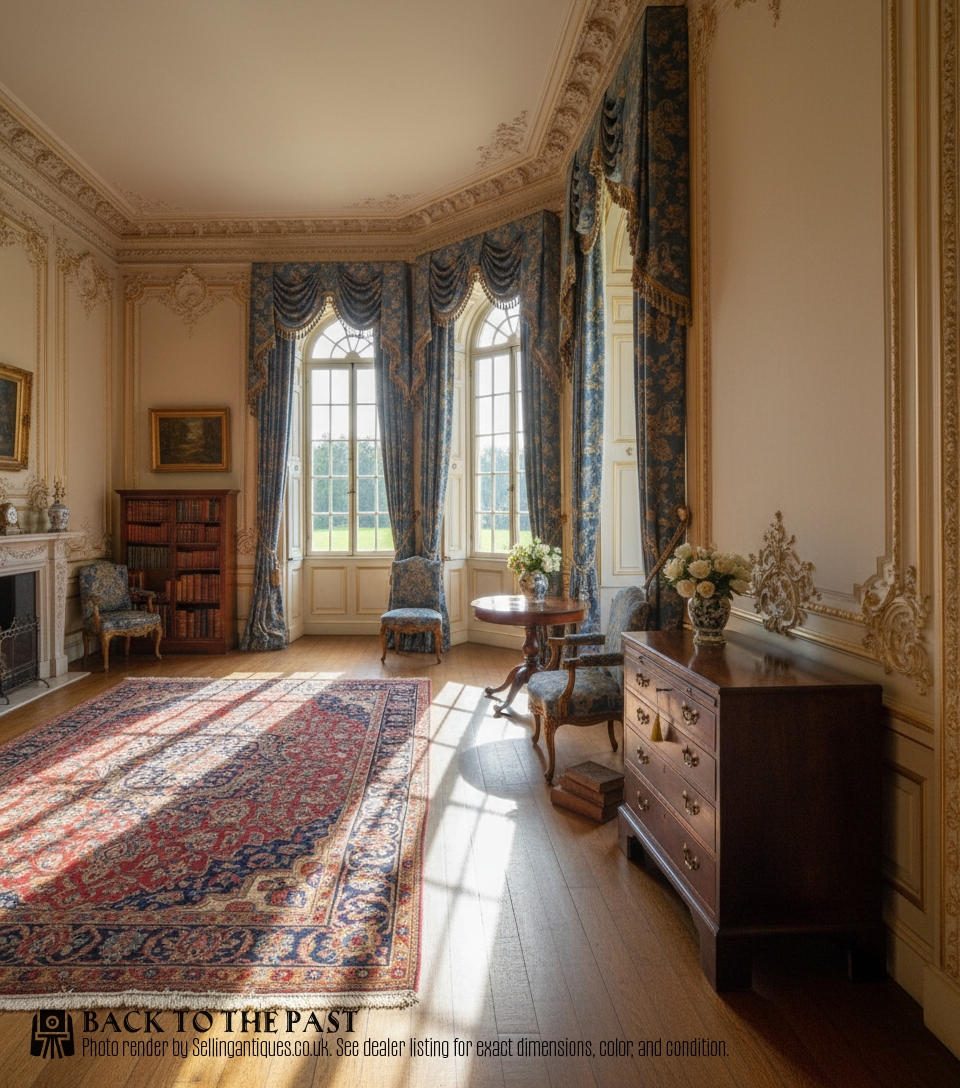
Georgian Bedroom Drawers
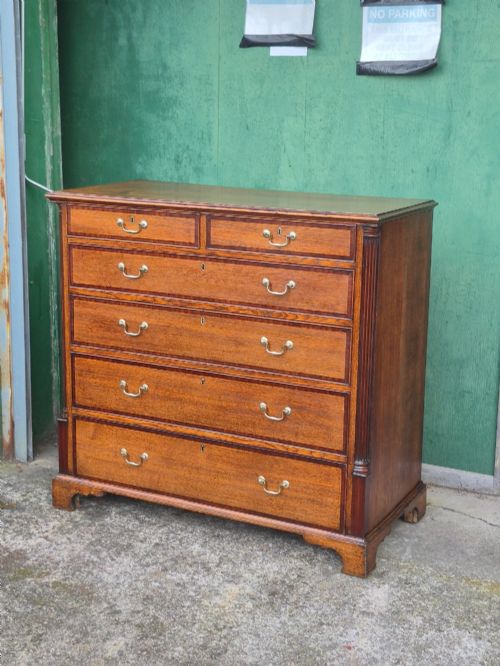
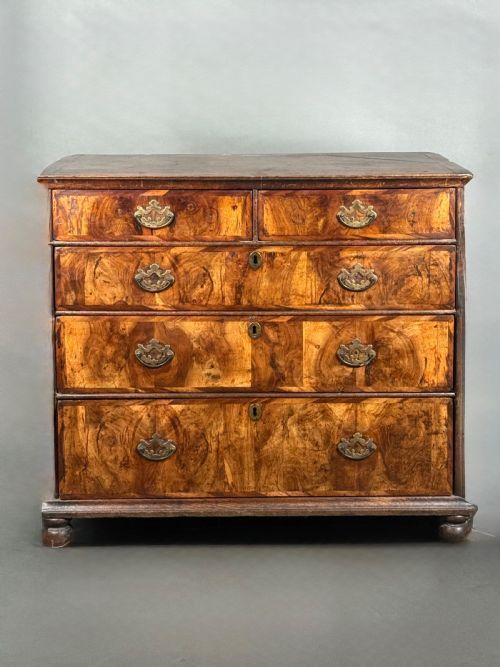
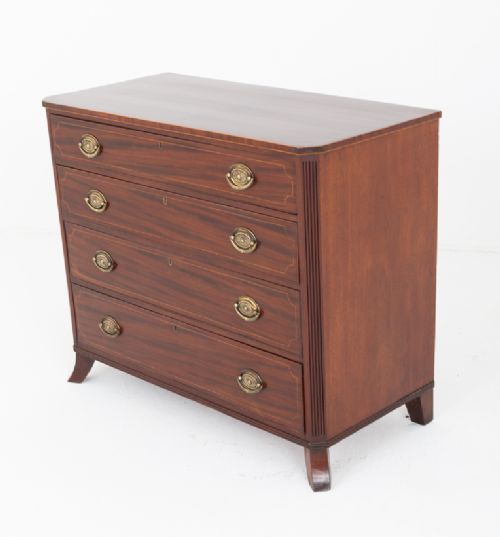
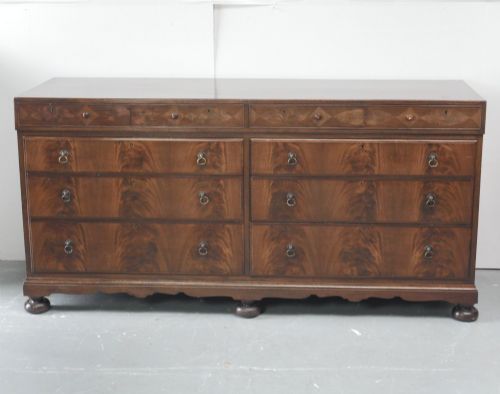
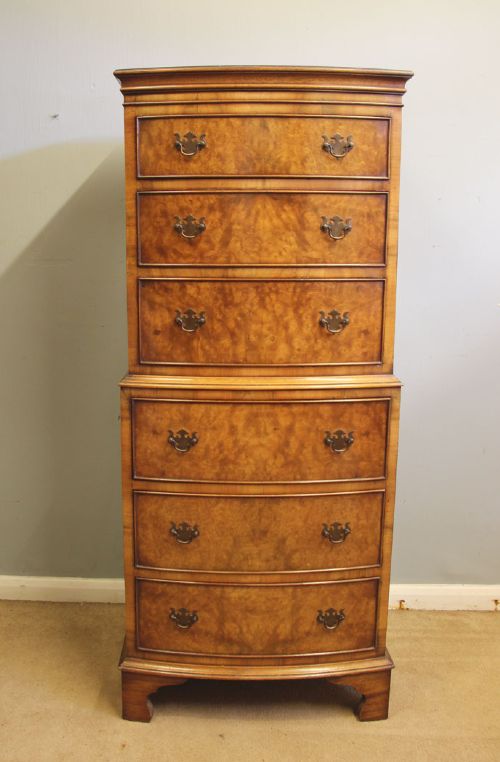
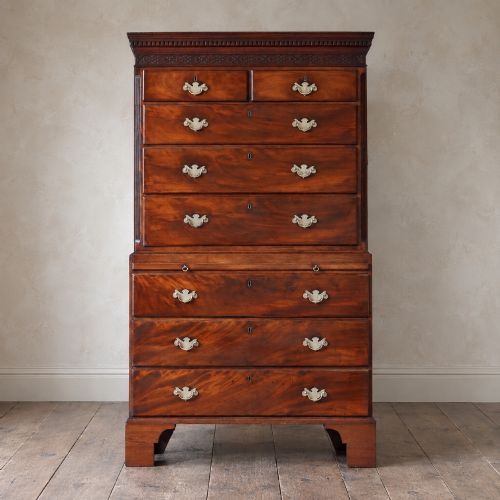
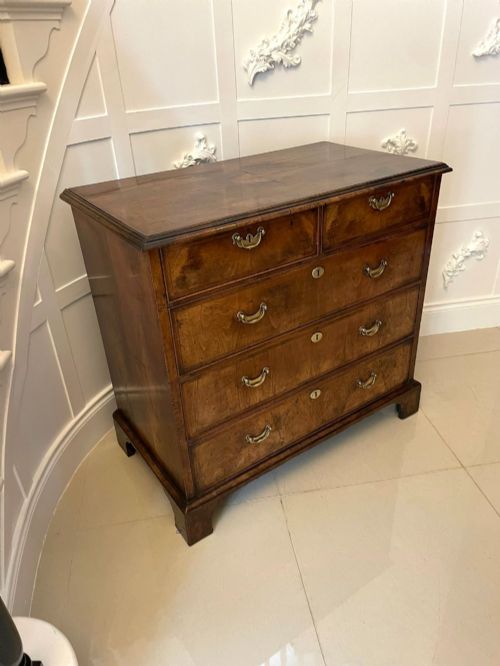
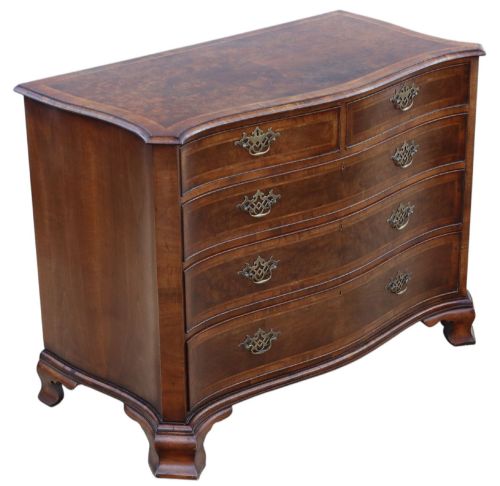
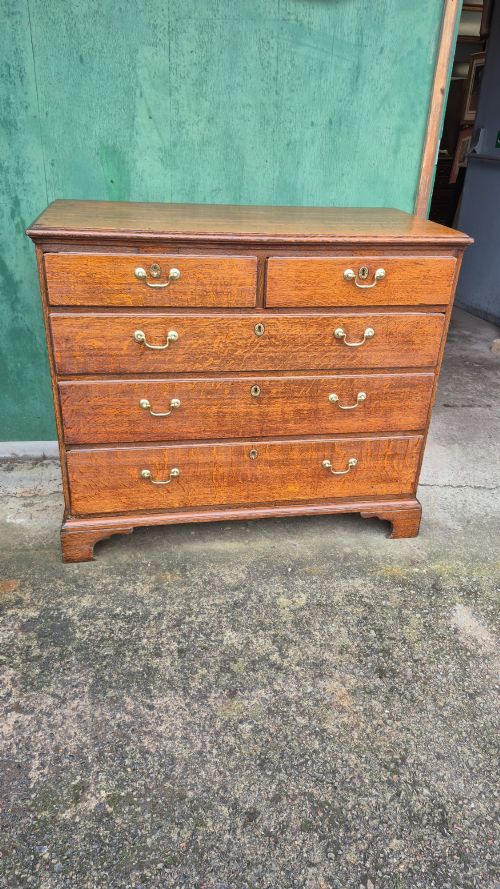
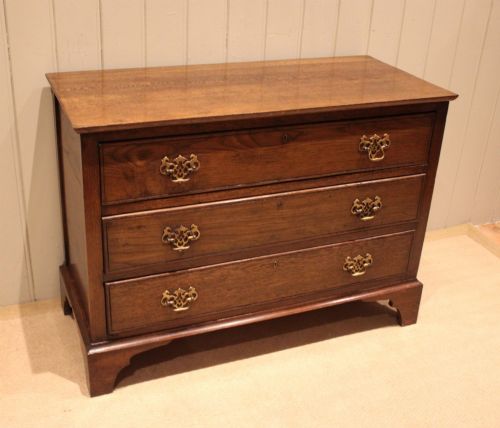
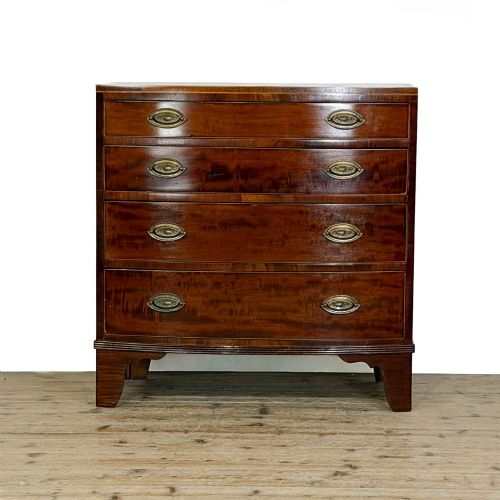
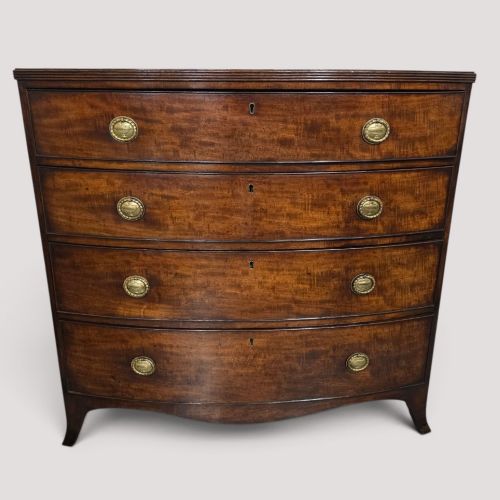
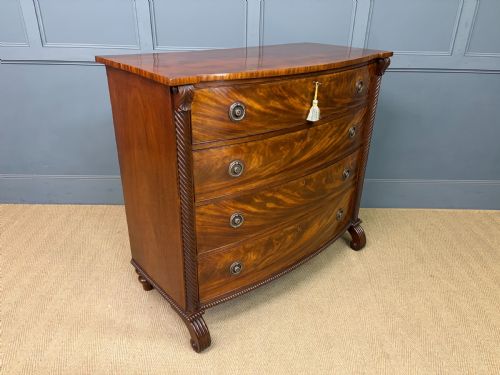
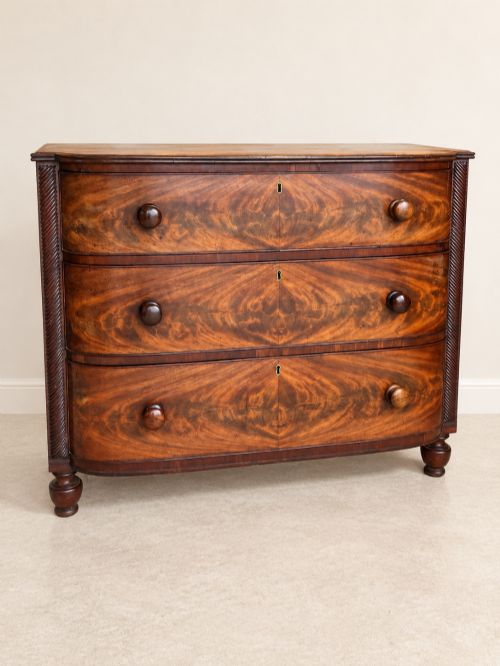
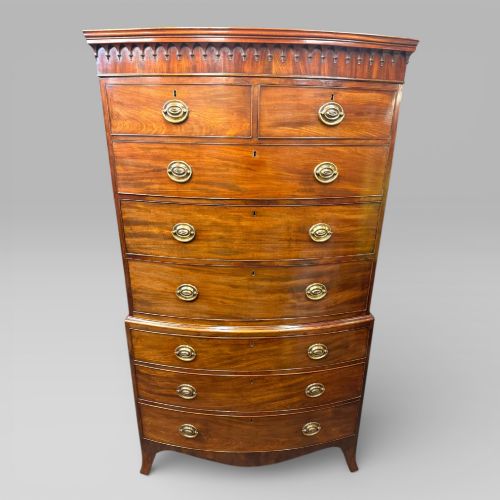
When searching for georgian bedroom drawers, buyers encounter substantial case furniture built for storing garments and personal items in sleeping chambers. The selections span compact four-drawer chests, imposing chest on chest designs, and curved serpentine commodes intended for domestic utility.
Most examples appearing in the current range rely on mahogany, oak, or walnut timbers shaped during the eighteenth and early nineteenth centuries. Makers varied the silhouettes from straight fronts to bow fronts and tallboys, accommodating different room dimensions while maintaining deep internal capacities.
Period variations include pieces constructed under George I, George III, and the Regency eras, alongside later revivals from the twentieth century. These objects function as primary storage units that anchor bedroom schemes with traditional craftsmanship.
How They Were Made
Cabinet makers constructed these carcases using solid timbers like oak and mahogany, often applying figured veneers such as flame mahogany or burr walnut to the primary display surfaces. Crossbanding in contrasting woods like satinwood frames the drawer edges, adding visual definition to the drawer fronts.
Internal components utilise secondary woods joined with traditional dovetailing on the drawer boxes to withstand repeated pulling and pushing. Brass hardware, including drop handles and escutcheons, secures the openings while complementing the dark tones of the polished timber.
Georgian Bedroom Drawers Retail Price Guide 2026
Typical asking prices for georgian bedroom drawers among the pieces listed under this phrase on Sellingantiques today, from the lower quarter to the upper quarter. They describe what is for sale here now, not the wider market.
Listings feature oak, mahogany, and walnut construction spanning the Georgian, Regency, and Edwardian periods.
What Varies in Quality
The sophistication of the timber figure dictates the visual appeal of a piece, with striking flame mahogany and burr walnut commanding attention over plain planks. Untamed grain patterns contrast sharply with carefully matched veneers that flow symmetrically across multiple drawers.
Structural complexity also separates standard items from exceptional ones, particularly seen in undulating serpentine outlines and multi-tier chest on chest builds. The crispness of the mouldings and the finesse of the dovetail joints indicate the level of care invested by the original workshop.
Whytock & Reid·J Moorcroft
The Georgian Bedroom Drawers Glossary
- Brushing slide
- A pull-out shelf positioned beneath the top surface used for folding clothes or placing items temporarily. This feature appears frequently on mid-eighteenth-century chests.
- Bow front
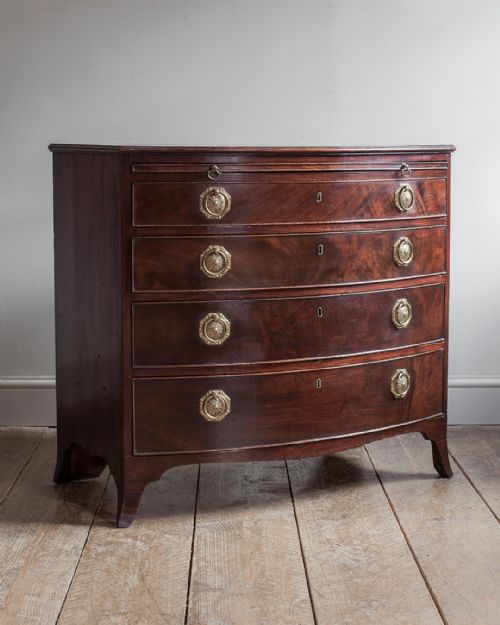
- A convex curved drawer front that projects outward in the centre. This shape softens the boxy geometry of traditional bedroom storage.
- Chest on chest
- A tall storage unit formed by stacking a smaller chest directly on top of a larger base chest. It is also known as a tallboy.
- Serpentine
- An undulating front profile featuring a convex centre flanked by concave curves. This contour requires advanced woodworking skill to execute properly.
- Crossbanding
- A decorative band of veneer laid around the border of a drawer front so the grain runs perpendicular to the surrounding wood. It creates a neat framing effect.
Georgian Bedroom Drawers: Frequently Asked Questions
What is a brushing slide used for?
A brushing slide serves as an auxiliary surface pulled out from the chest frame during dressing. Historically, users rested garments or grooming items on it.
Today, this feature remains a practical shelf for daily sorting without opening the main drawers.
How do I distinguish a tallboy from a standard chest?
A tallboy consists of two separate stacked sections forming an elevated storage tower. This vertical format maximises floor space while offering extra drawer capacity.
Standard chests feature a single carcase standing lower to the ground with a flat top surface.
Where should I place a bow front chest?
A bow front chest suits bedrooms or hallways where its curved projection softens straight architectural lines. The rounded shape prevents sharp corners in narrow circulation spaces.
Ensure adequate clearance around the piece so the protruding centre does not obstruct foot traffic.
How do I clean antique timber drawers?
Dust timber surfaces regularly with a dry, soft cloth to prevent grit accumulation on the polished finish. Avoid modern silicone sprays that can build up and dull the grain over time.
Feed the wood periodically with appropriate wax to maintain the moisture and natural sheen of the polish.