
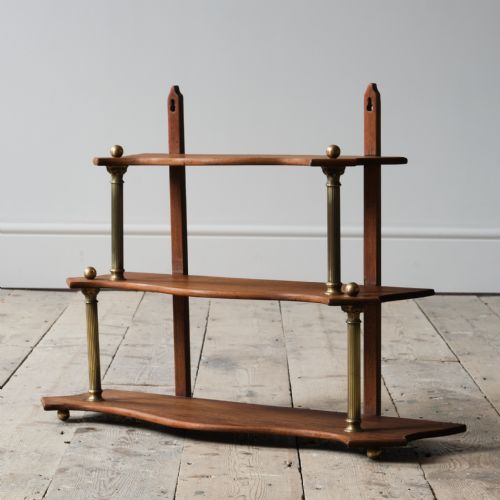
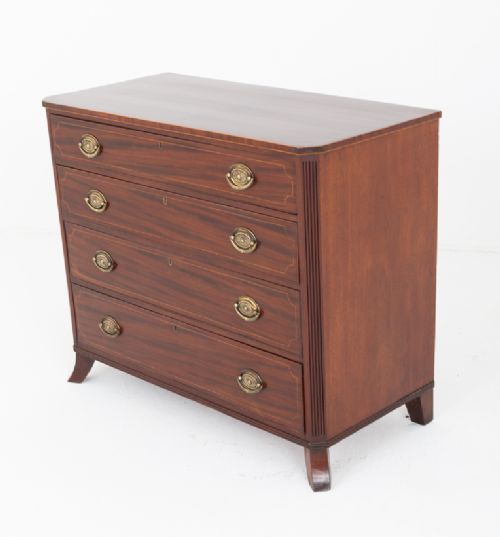
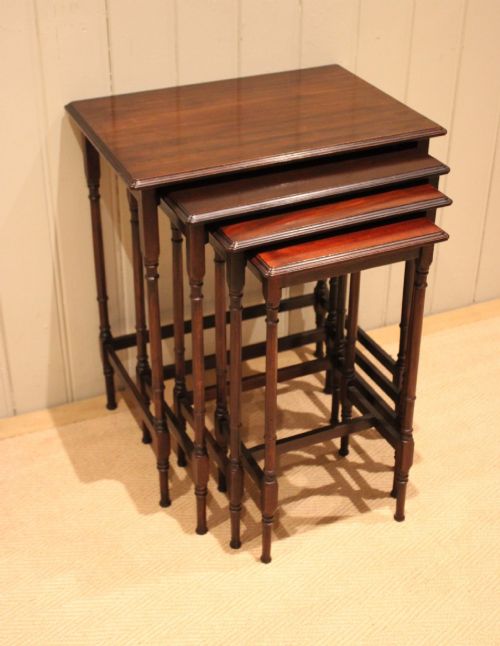
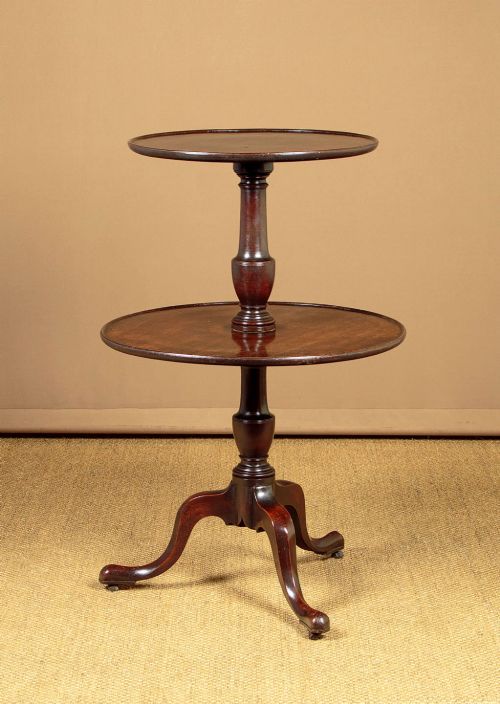
Vintage Mahogany Furniture
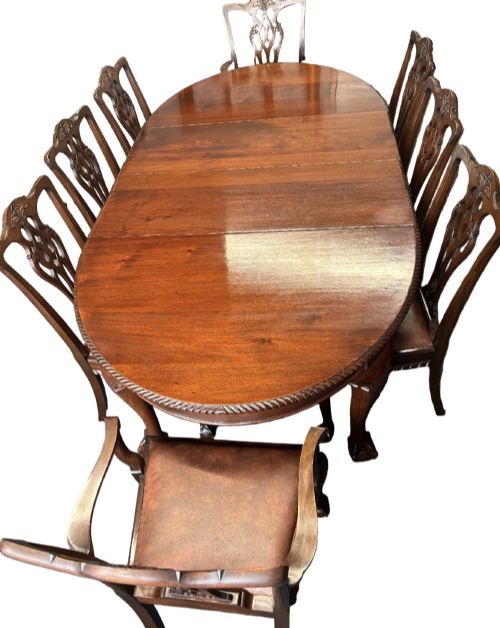
Vintage mahogany furniture brings deep timber warmth and solid construction into the room, offering centuries of utility through chests and cabinets.
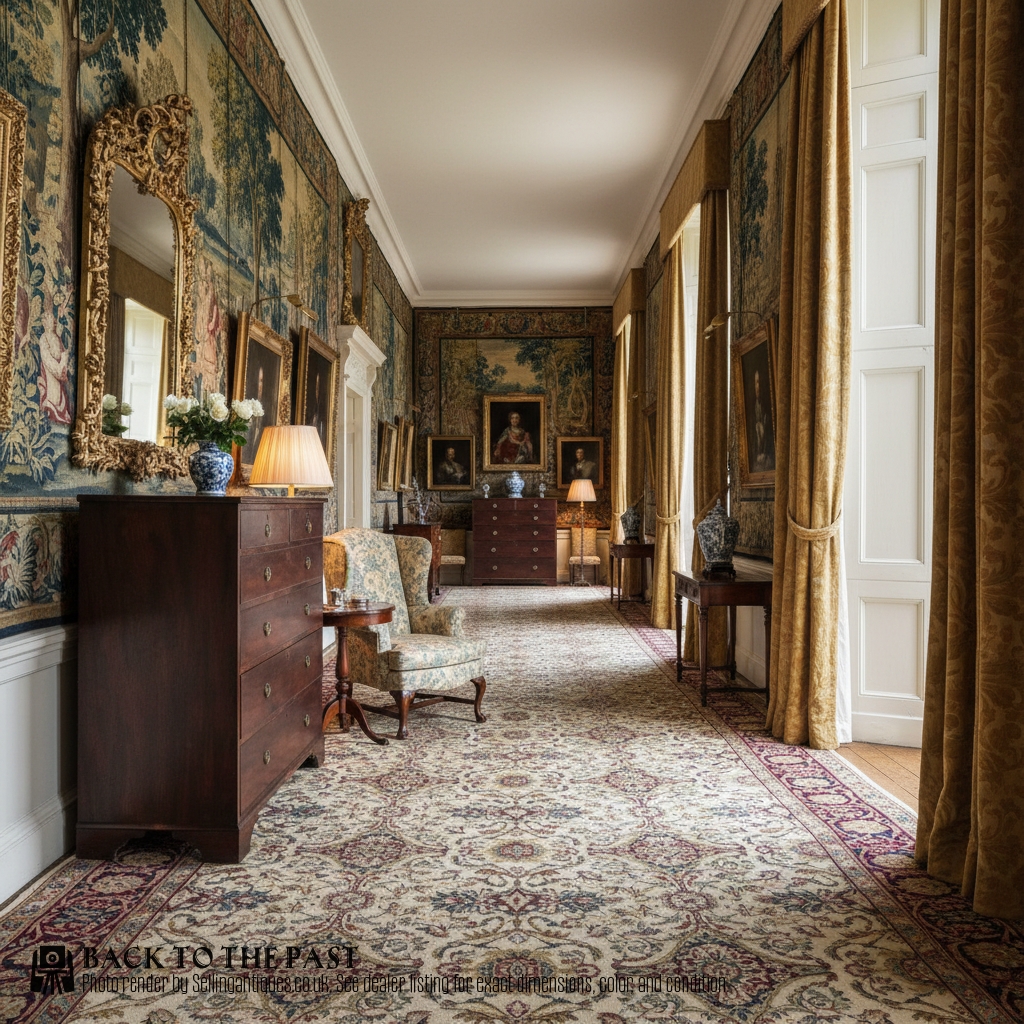
What vintage mahogany furniture is
Vintage mahogany furniture comprises pieces made from rich, dense timber across various historical periods including the Georgian and Edwardian eras. Buyers search this phrase to find functional household items that display the natural grain and deep brown tones characteristic of the wood.
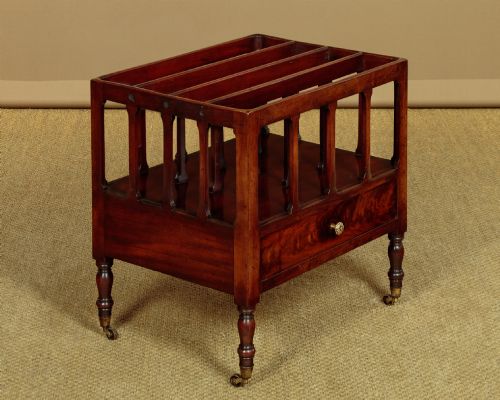
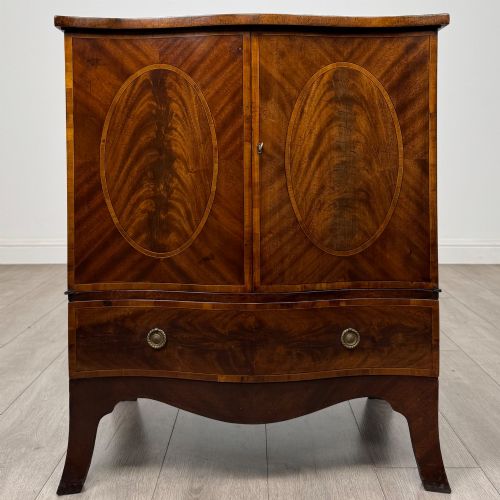
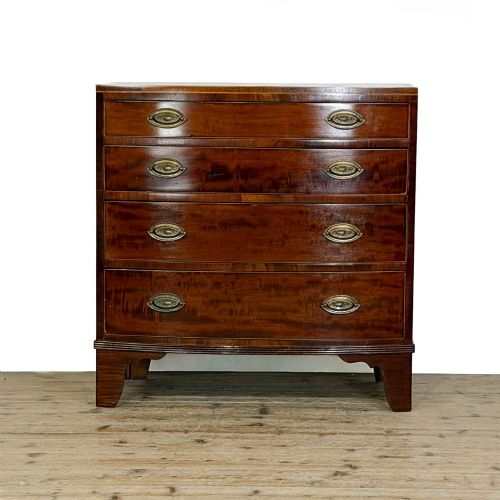
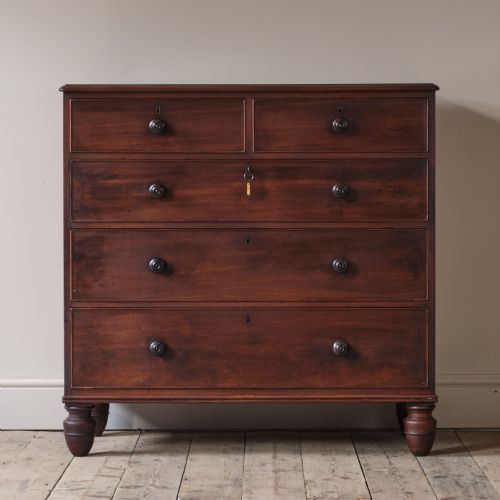
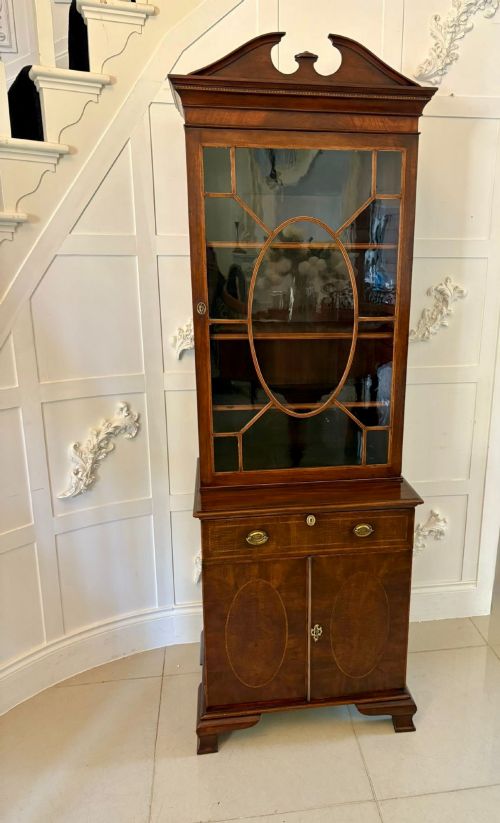
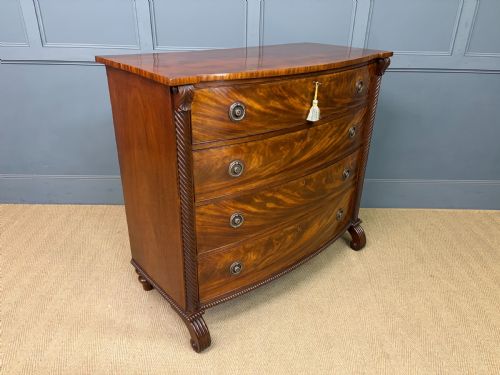
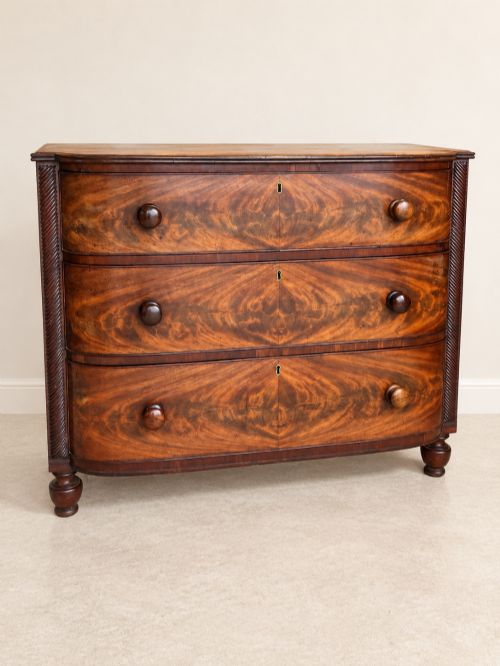
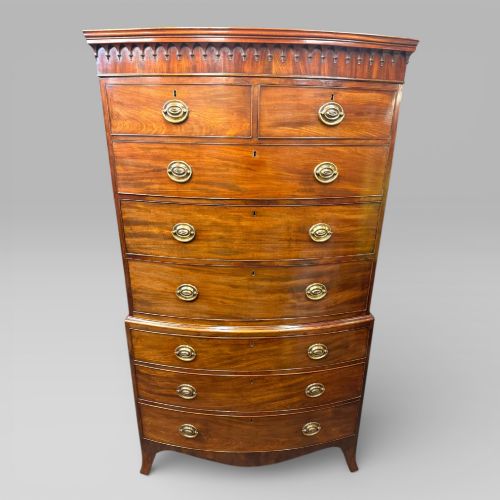
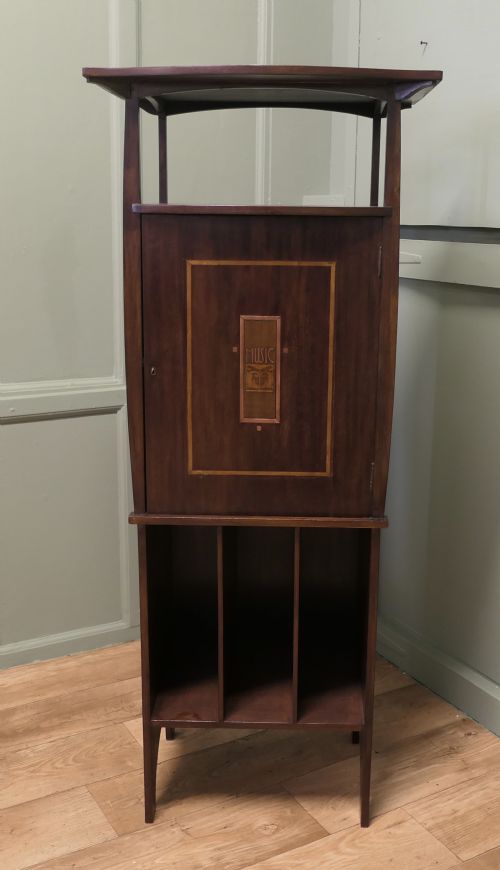
The selections on this page are predominantly chests of drawers, alongside specialist pieces such as music cabinets and children's chairs. These forms reflect both formal domestic storage requirements and specific period pastimes.
Originating largely from nineteenth-century workshops and earlier George III origins, the stock spans styles like Georgian, Edwardian, and nineteenth-century English design. Each piece demonstrates the enduring practicality of traditional timber building.
How they were made
Construction relies heavily on solid mahogany timber, selected for its stability, fine grain, and ability to take a smooth, polished finish. Cabinetmakers shaped the heavy wood into robust carcasses for chests and specialised housing for music storage.
Metal and leather often supplement the primary wooden structure to enhance both function and appearance. Brass fittings provide durable handles and supports, while occasional leather elements add tactile contrast to writing surfaces or seating.
Retail Price Guide 2026
Typical UK retail prices for vintage mahogany furniture, calculated from the Sellingantiques database of over a million retail prices indexed since 2003. This retail price guide relies exclusively on Sellingantiques data; no external sources or auction records are used, so the figures do not describe the wider market.
Listings feature mahogany, brass, and leather across Georgian, Edwardian, and nineteenth-century styles.
What varies in quality
The standard of vintage mahogany furniture rests primarily on the depth of the timber's grain and the crispness of the joinery. Superior examples exhibit tightly fitted drawers and well-chosen cuts of wood that display a rich, unblemished surface.
Proportion and period detail also dictate the grade of a piece, distinguishing standard utility items from more refined cabinetmaking. Finer items retain original brass hardware and balanced proportions that reflect the aesthetic standards of their specific era.
The Vintage Mahogany Furniture Glossary
- Mahogany
- A durable, reddish-brown tropical hardwood prized for its stability and suitability for carving and polishing. It forms the primary structural and visual material for these pieces.
- Georgian
- A design period spanning the eighteenth and early nineteenth centuries, characterised by classical proportions and restrained ornament. Pieces from this era often feature superior timber selection.
- Edwardian
- A style era spanning the early twentieth century up to the First World War, noted for lighter forms and specialised furniture types such as music cabinets.
- Chest of Drawers
- A staple storage furniture form comprising stacked horizontal drawers within a rectangular wooden carcass. It provides essential domestic storage for clothing and linens.
Frequently Asked Questions
How do I date a mahogany chest?
Dating relies on examining construction techniques, drawer linings, and the style of the brass hardware. Earlier pieces often display hand-cut dovetails and timber framing that differs from later nineteenth-century methods.
Comparing the secondary woods and overall proportions against known period styles helps narrow down the decade of manufacture.
What is a music cabinet?
A music cabinet is a specialised Edwardian storage unit designed to hold sheet music and scores. These pieces typically feature multiple internal shelves or drop-down compartments.
They reflect the domestic parlor culture of the early twentieth century where upright pianos were central to household entertainment.
Is mahogany furniture heavy?
Solid mahogany is a dense, heavy hardwood that gives these pieces substantial weight and stability. This density contributes to the longevity of chests and cabinets but requires care when moving.
The robust nature of the timber is the main reason why so many nineteenth-century items survive intact today.
How should I care for mahogany?
Maintenance involves keeping the timber away from direct heat sources and strong sunlight to prevent the polish from fading. Regular dusting with a dry, soft cloth preserves the natural finish without building up residue.
Abrasive cleaners and excessive moisture should be strictly avoided to protect the wood surface.