
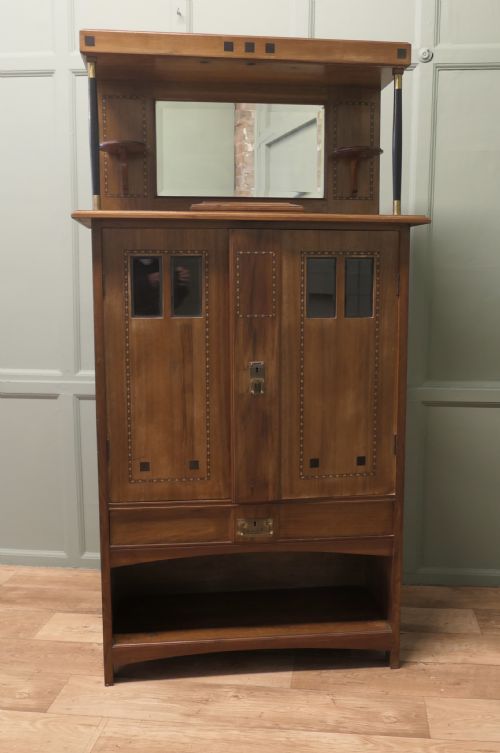
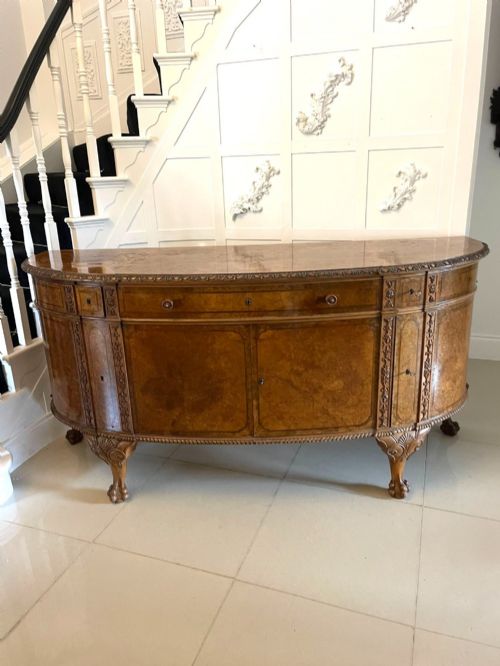
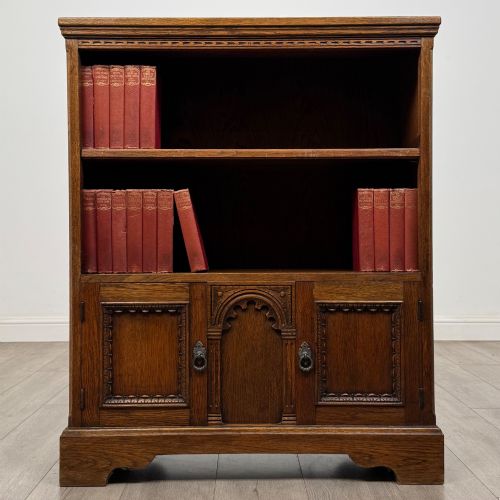
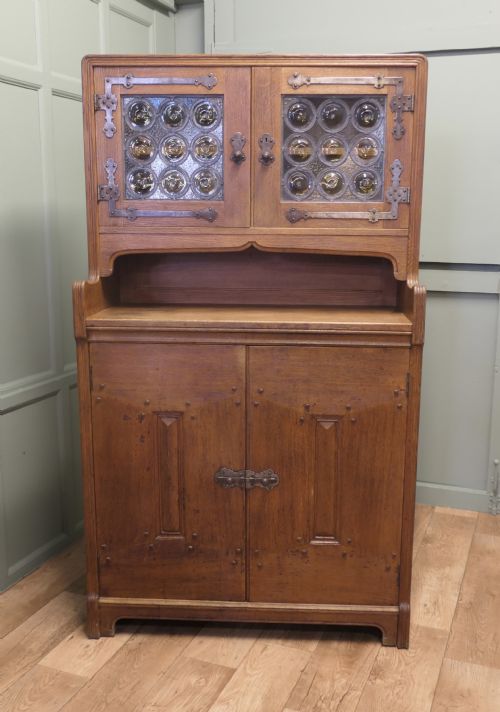
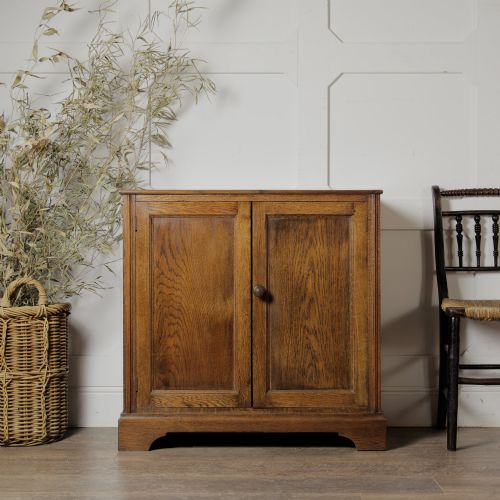
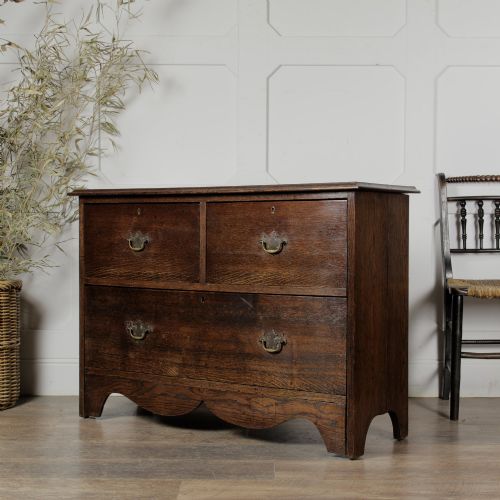
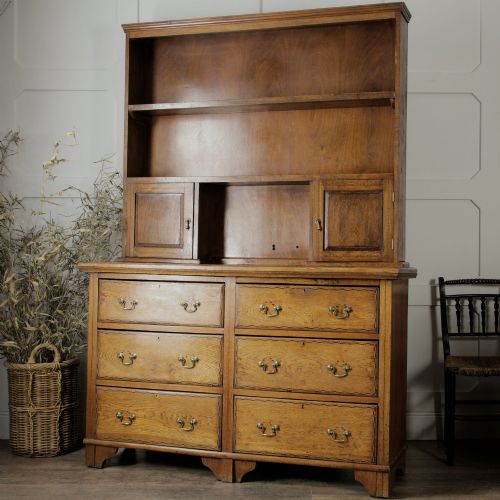
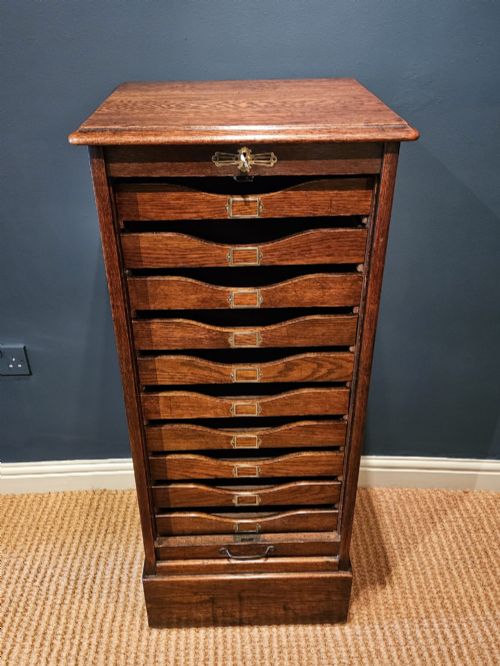
Edwardian Storage Cabinet
An Edwardian storage cabinet brings functional elegance to any room, offering period charm and practical organisation for the modern home.
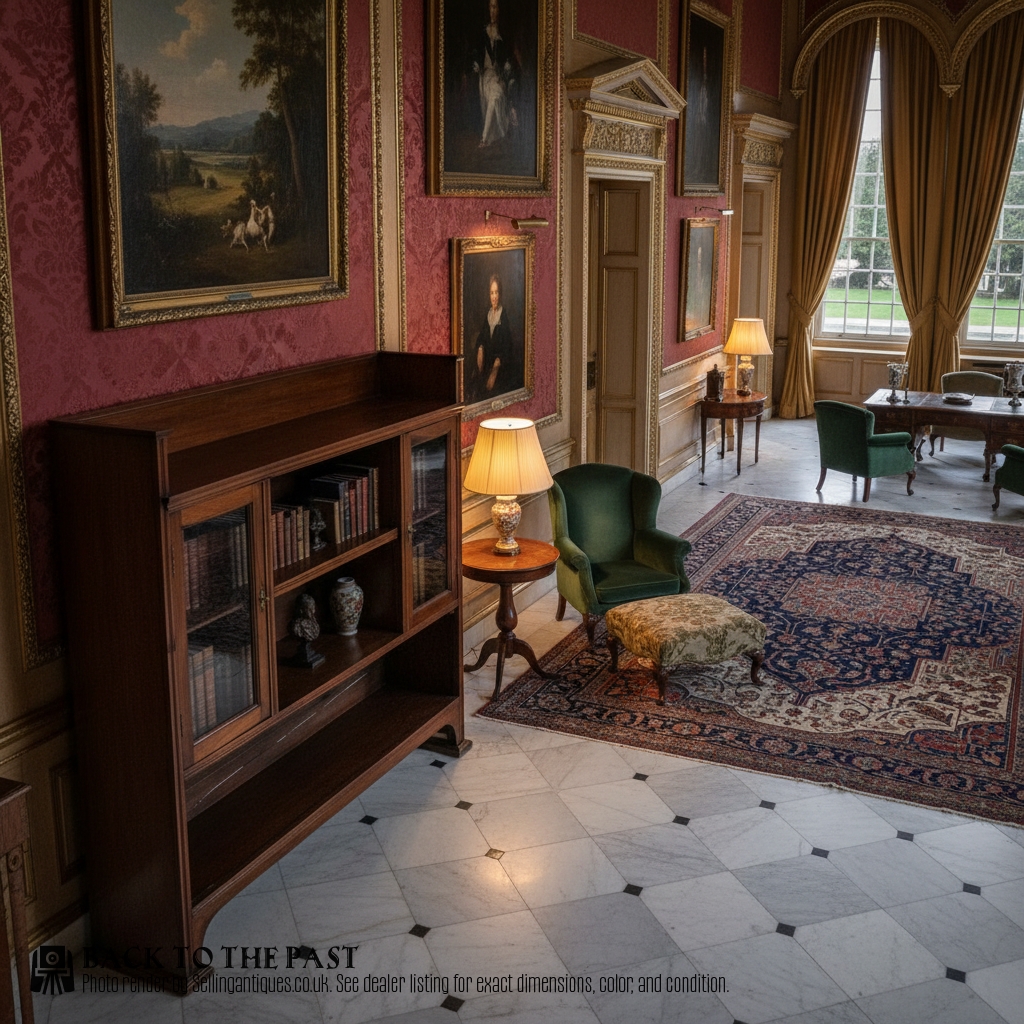
What an edwardian storage cabinet is
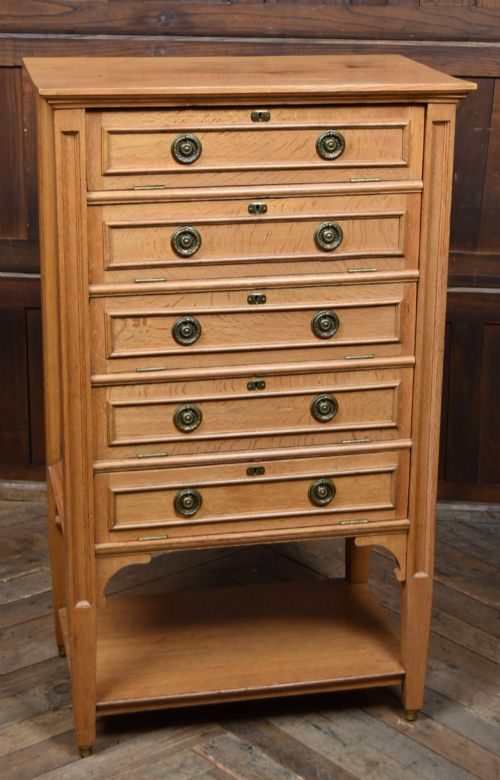
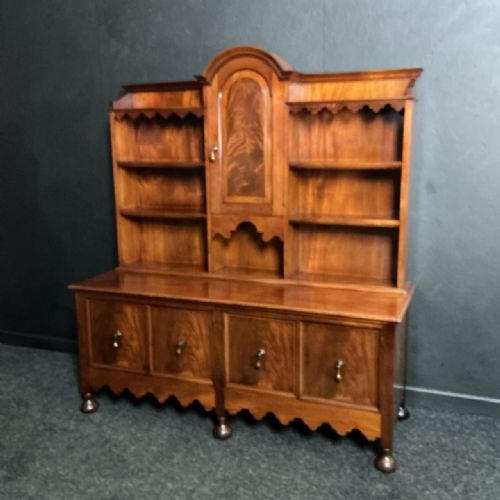
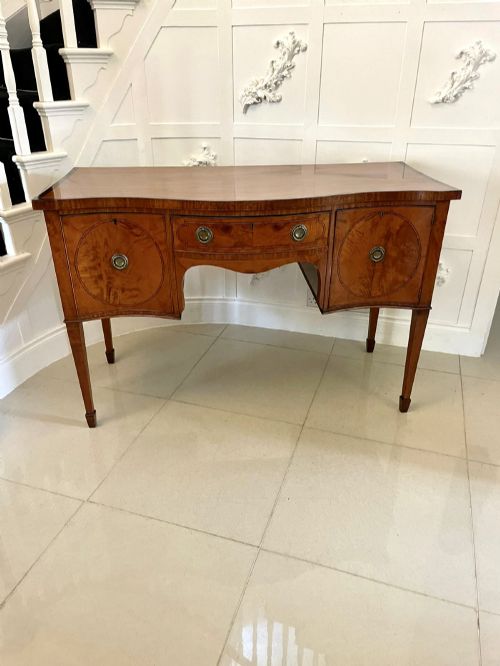
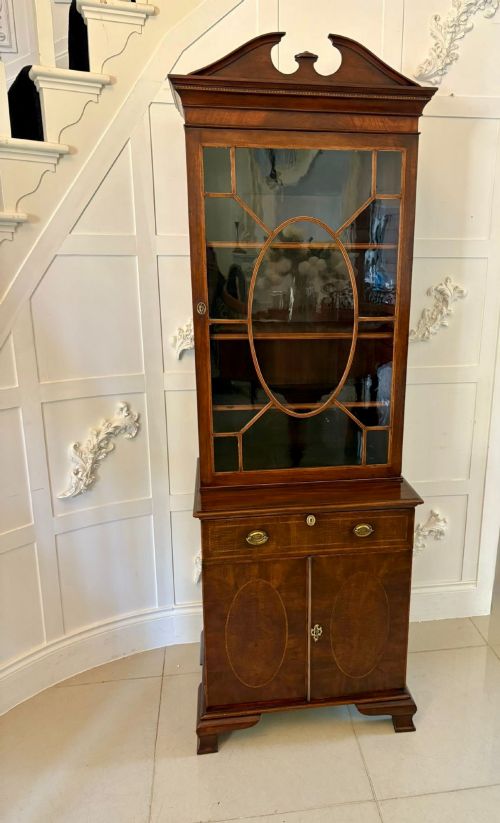
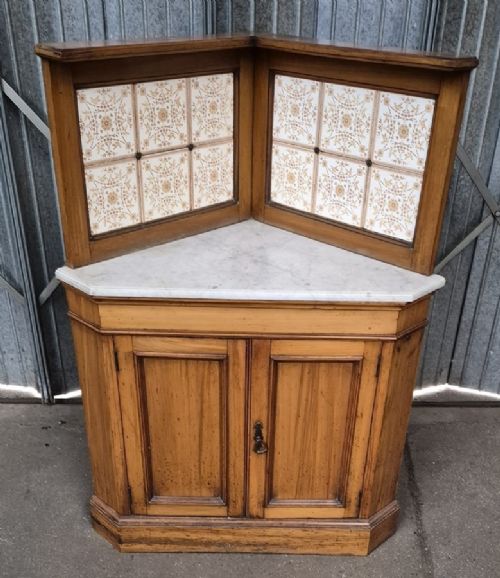
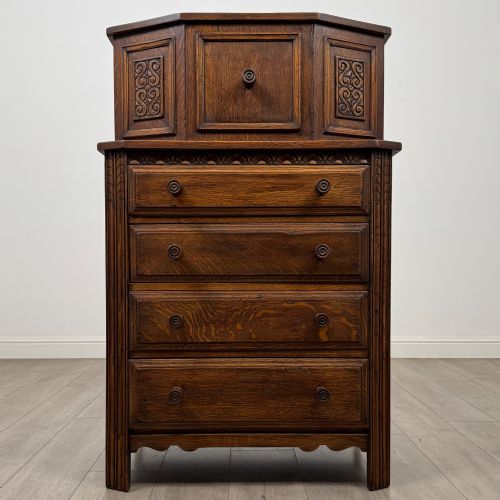
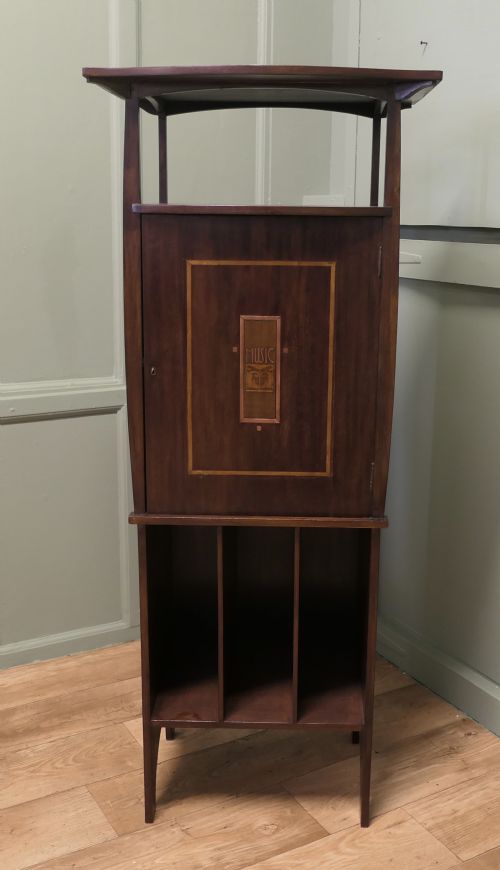
The versions most frequently encountered on this page are constructed from mahogany, oak, and burr walnut, often featuring specialised interiors for music, books, or cutlery. Buyers discover both compact tabletop boxes and substantial freestanding cabinet bookcases designed to anchor a room.
Originating from the period around nineteen hundred to nineteen ten, these cabinets reflect a domestic life that prized both utility and understated decorative refinement. Their diverse forms demonstrate how Edwardian households managed their literature, music, and household goods.
How they were made
Cabinetmakers of the period utilised solid and veneered timbers, predominantly employing mahogany, oak, and burr walnut, sometimes accented with satinwood inlay or painted surfaces. Construction relied on traditional joinery methods to ensure durability across frequently opened doors, drawers, and tambour fronts.
Hardware played an essential role in both function and design, with polished brass handles, hinges, and escutcheons fitted to secure compartments and drawers. Glazed doors utilised fine wooden framing to showcase books or display items safely within the cabinet.
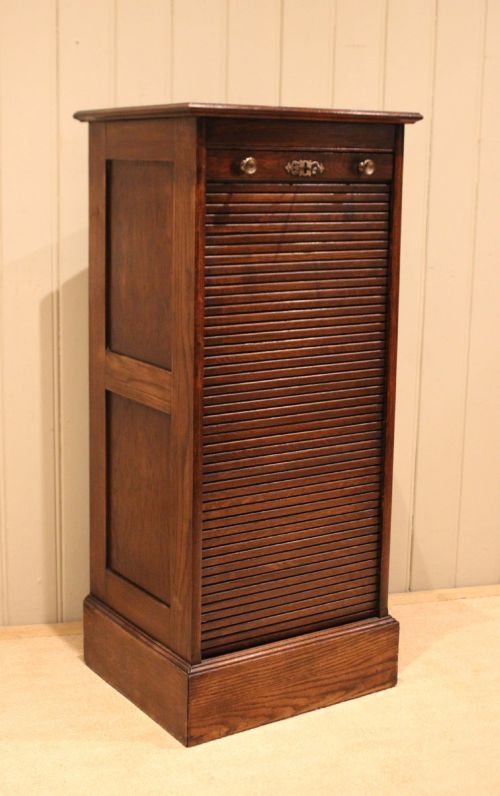
Specialised mechanisms, such as tambour fronts and wind-up gramophone housings, required precise carpentry to operate smoothly within the compact dimensions of music and table top cabinets.
Retail Price Guide 2026
Typical UK retail prices for edwardian storage cabinet, calculated from the Sellingantiques database of over a million retail prices indexed since 2003. This retail price guide relies exclusively on Sellingantiques data; no external sources or auction records are used, so the figures do not describe the wider market.
Some Edwardian music cabinets secretly housed wind-up gramophones alongside your sheet music collection.
What varies in quality
Quality in these pieces is dictated by the selection of timber figures, such as burr walnut or figured mahogany, and the crispness of any inlaid decoration. Superior examples display thoughtful grain matching across doors and drawer fronts, elevating a utilitarian box into a sophisticated furnishing.
The integrity of the construction and the retention of original hardware, including brass handles and working locks, distinguish the finest examples. Finer cabinets also exhibit meticulous interior detailing, whether in the pigeonholes of a stationery cabinet or the specialised divisions of a music storage unit.
Maple & Co.
The Edwardian Storage Cabinet Glossary
- Tambour
- A series of narrow wooden slats glued to a canvas backing, allowing a door to slide smoothly around a curved track. This clever mechanism appears on music and filing cabinets from the period.
- Burr walnut
- A prized wood veneer harvested from the burl growth of a walnut tree, exhibiting swirling, knotty patterns. Cabinetmakers utilised it on statement pieces to create striking visual texture.
- Etagere
- A piece of furniture consisting of a set of open shelves for displaying small objects. Edwardian variations combine open display with enclosed storage compartments.
- Escutcheon
- A flat plate of brass surrounding a keyhole to protect the surrounding wood from wear. Quality examples display delicate engraving or solid brass construction.
- Satinwood
- A pale, lustrous timber imported from the tropics, frequently used for contrasting inlay or stringing on mahogany furniture. It provides a bright decorative border to drawer fronts and tabletops.
Frequently Asked Questions
What fits inside a music cabinet?
Music cabinets feature specialised internal shelving designed originally to hold sheet music, folios, and rolls for early gramophones. Today, these compartments adapt readily to storing vinyl records, documents, or flat household items.
The vertical divisions and shallow drawers keep paper goods flat and sorted, preventing the bending and creaking common in deeper storage spaces.
How do I care for mahogany?
Maintenance requires keeping the timber away from direct heat sources and strong sunlight, which can dry out the wood and fade the rich polish. Regular dusting with a soft, dry cloth preserves the natural lustre of the finish.
A light application of traditional beeswax every few months helps nourish the grain and protects the surface from everyday handling.
Where should I place a tabletop cabinet?
Tabletop storage boxes and small cabinets sit comfortably on sturdy sideboards, desks, or chests of drawers where their details remain at eye level. Their compact footprints allow them to add storage without crowding floor space in smaller rooms.
Ensuring the supporting surface is level protects the antique joints and prevents doors from swinging open unexpectedly.
How do I distinguish Edwardian from Victorian furniture?
Edwardian furniture generally exhibits a lighter, airier feel than heavy Victorian pieces, drawing inspiration from eighteenth-century Sheraton and Chippendale revivals. Woods like satinwood inlay and brighter mahogany finishes become more common as interiors sought greater brightness.
Proportions tend to be more slender, reflecting a shift toward relaxed domestic comfort and simplified aesthetic standards.