
Antique Hall Cupboards
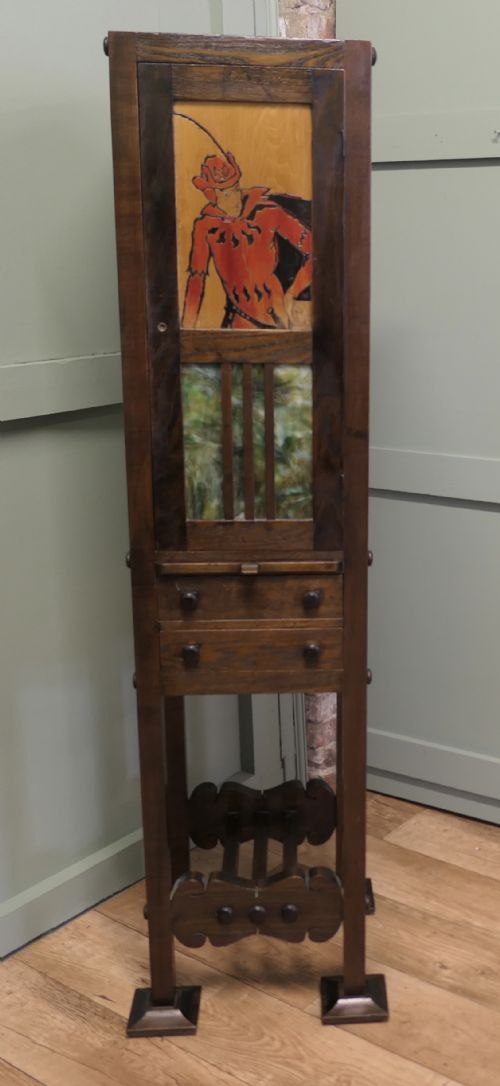
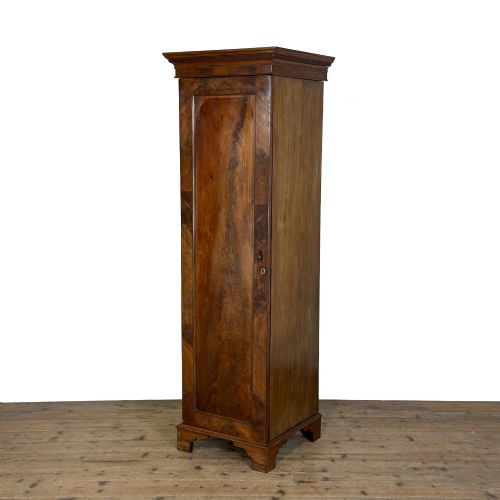
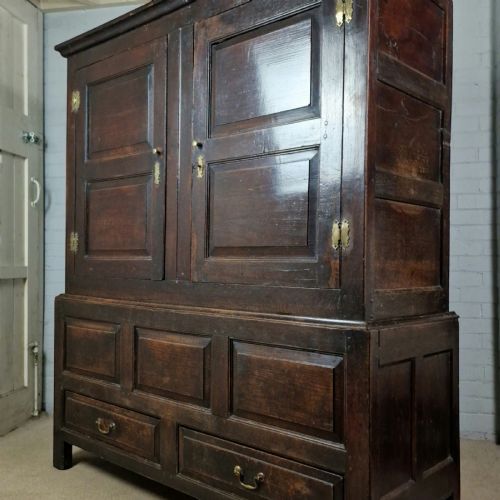
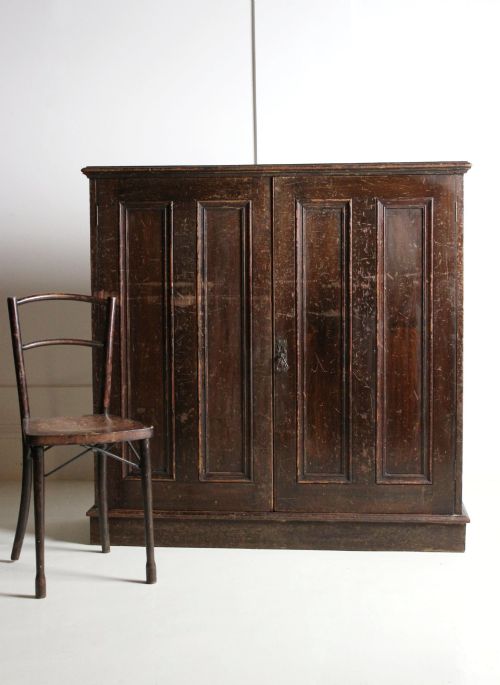
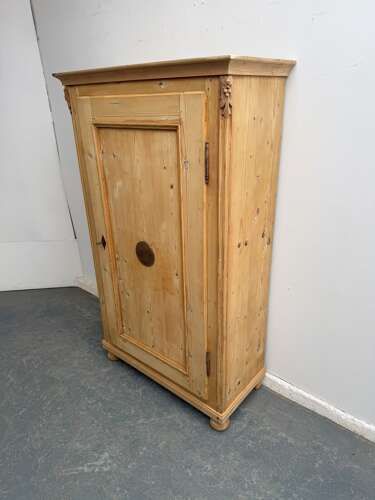
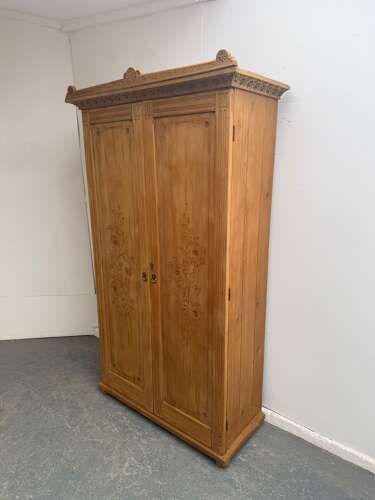
A tall, narrow standing cupboard made for the entrance hall, taking coats, hats, boots or linen behind one or two doors.

Antique Hall Cupboards
The form is a standing press or slim wardrobe for the front door, made shallower than a bedroom wardrobe so it sits against a hall wall without blocking it. Long-established in joined oak, it became a mass-produced piece in the late 19th and early 20th centuries, when smaller houses needed storage in a limited footprint.
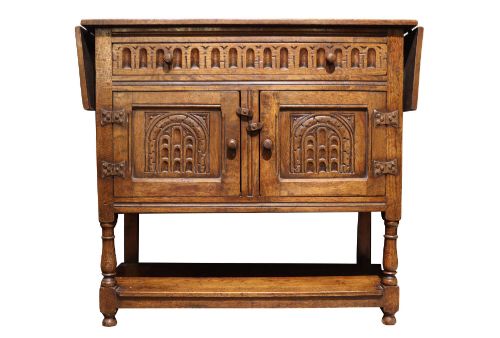
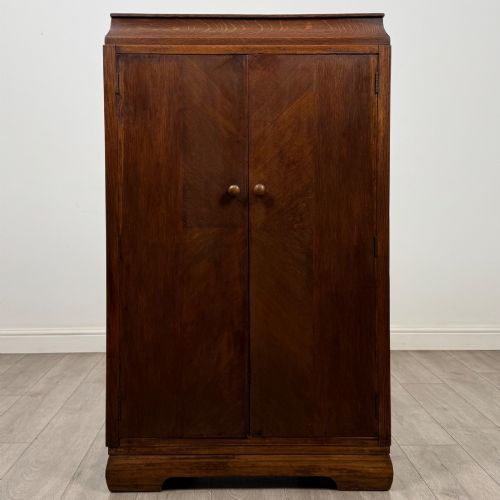
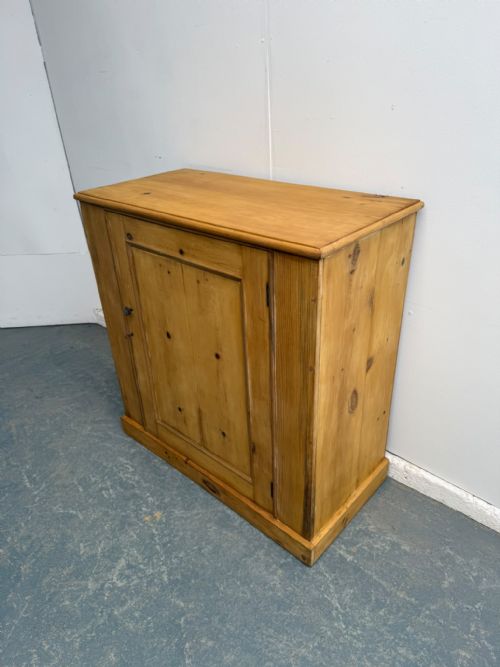
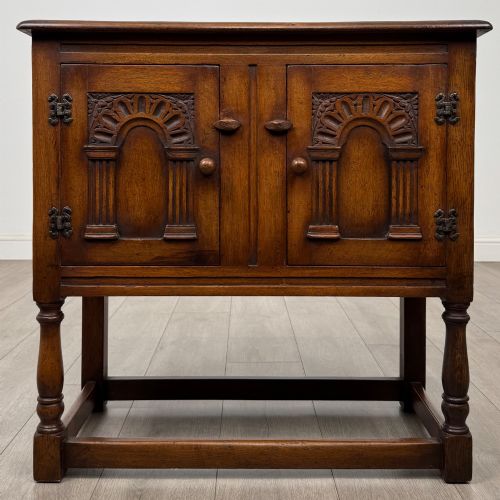
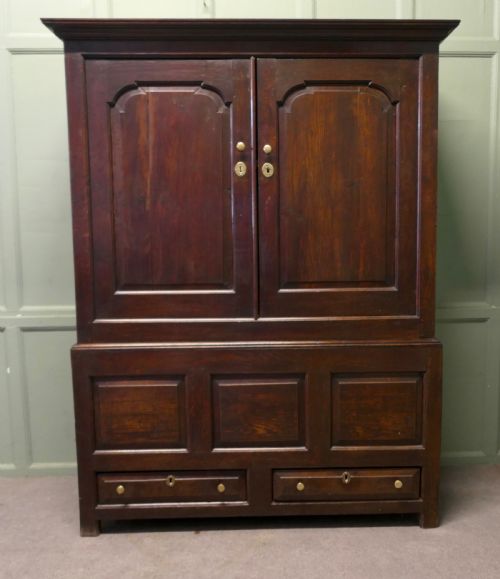
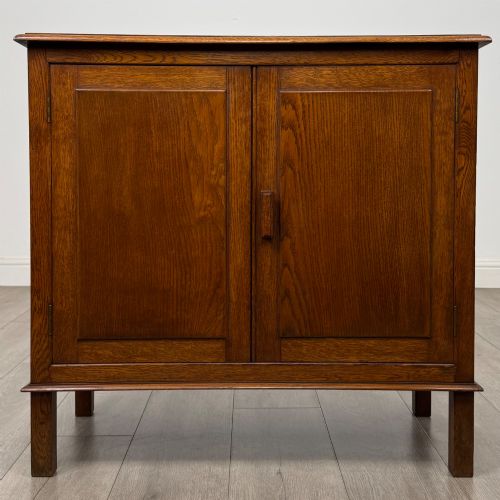
Oak dominates, appearing in well over half the titles on Sellingantiques, with pine and mahogany forming the two other populations. Bodies are commonly panelled, linenfold or carved. The piece you're most likely to meet is a carved or panelled oak hall robe of about 1920, a slim wardrobe-form cupboard with hanging space behind a single door. Single-door examples outnumber two-door ones.
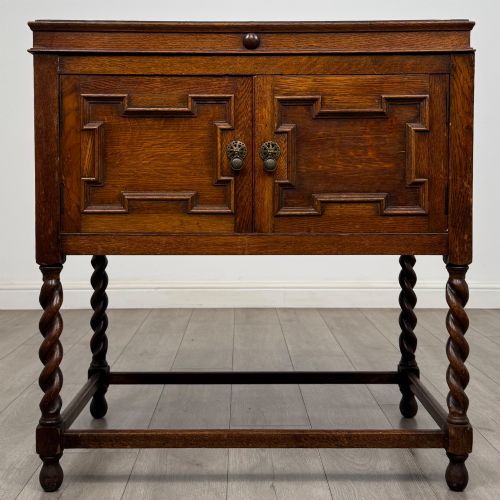
Dealers file the same cupboard under several names. 'Hall robe' and 'hall wardrobe' run through a good share of the titles, and 'hall cabinet' and 'side cabinet' turn up alongside them. A fringe of housekeeper's, larder, livery and court cupboards sits here too, along with Continental armoires and bonnetieres from Flemish, Breton, Swedish, Hungarian, German, Italian and Austro-Hungarian workshops, arriving one at a time.
Dealer-supplied dates run from 1750 to 1930, and half the listings carry a clean year rather than a period label. The dated field is headed by the 1920s, then the 1910s and 1900s, against Victorian, Georgian and 18th-century entries. Around 28 come to market in a year, listed by 81 different dealers, so it's a form the general furniture trade meets rather than a specialism.
Where The Range Splits
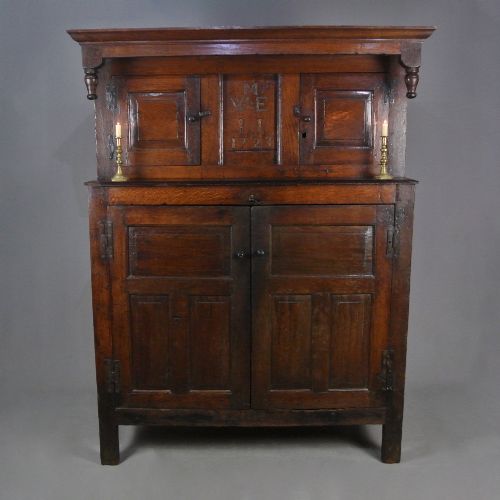
Age and construction set the top. Early joined oak turns up rarely but memorably: court cupboards, a livery cupboard, a Welsh deuddarn and a 17th-century oak wardrobe sit at the very top of the range, while the 1920s oak robes that make up the bulk of the archive cluster low. That gap is the widest thing in the category.
Within the early 20th-century run, carving does the separating. Carved and linenfold-panelled fronts sit consistently above plain panelled ones, and 'carved oak' is one of the most repeated phrases in the whole archive. Timber pulls the same way, with oak and mahogany above pine, and pine offered 'to wax or paint' sitting lower still. Where a listing notes original paint, original finish or original blacksmith lock and hinges, the piece sits above the general run.
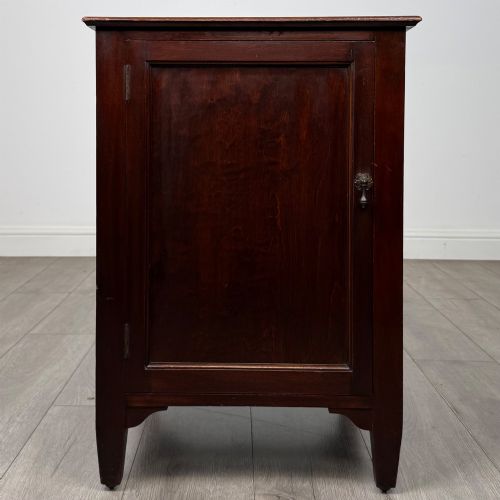
Scale matters more than it might sound. 'Small' appears in more titles than 'large', and the two ends behave differently: bedside-cabinet-sized oak hall cupboards sit at the bottom, while large estate and country-house cupboards, including a pine one that dismantles for moving, sit at the top.
Antique Hall Cupboards Retail Price Guide 2026
Typical UK retail prices for hall cupboards, calculated from the Sellingantiques database of over a million retail prices indexed since 2003. This retail price guide relies exclusively on Sellingantiques data; no external sources or auction records are used, so the figures do not describe the wider market.
The top sale of the last year on Sellingantiques was a tall Victorian ash side cabinet, described as a book and hall cupboard, in January 2026.
The Antique Hall Cupboards Glossary
- Hall robe
- A slim wardrobe-form hall cupboard with hanging space behind one door. It's among the most repeated phrases in the category's titles.
- Panelled
- Frame-and-panel construction, the standard body of the oak examples, with panels set into a jointed frame rather than a flat boarded front.
- Linenfold
- A carved panel imitating folded cloth. It recurs on the oak hall robes and marks a step up from plain panelling.
- Golden oak
- The warm-toned oak finish of the Edwardian and 1920s robes. Limed oak, with white filler worked into the grain, appears far less often.
- Court cupboard
- An early joined oak cupboard form that turns up filed under this heading. A livery cupboard, originally for food rations or clothing, and a deuddarn, the Welsh two-part cupboard, appear in the same company.
- Bonnetiere
- A tall narrow French single-door armoire, the Continental equivalent of the hall robe and the form most of the French entries take.
Antique Hall Cupboards: Frequently Asked Questions
What is a hall robe?
It's a slim wardrobe-form cupboard with hanging space behind one door, made to stand in an entrance hall. The word runs through a large share of titles in this category.
It's narrower and shallower than a bedroom wardrobe. Dealers also list the same thing as a hall wardrobe or hall cupboard.
Which wood are most of them made from?
Oak, and by a distance. It carries more than half of all titles on Sellingantiques.
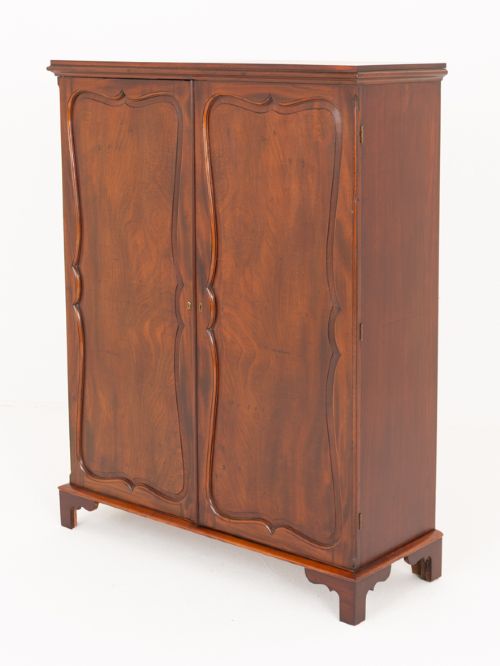
Pine and mahogany form the other two populations, each a much smaller group. Pine is often described as painted or waxed; mahogany turns up mostly on Victorian and Edwardian narrow hall cupboards.
How old are hall cupboards usually?
The dealer-supplied dates run from 1750 to 1930. The weight is firmly early 20th century, with the 1920s the busiest single decade, ahead of the 1910s and 1900s.
Victorian, Georgian and 18th-century pieces are all present in smaller numbers. Bear in mind that 'Victorian' or '19th Century' in a title is a period label rather than a documented year.
Are single-door or two-door versions more common?
Single-door is the commoner configuration in this archive, which suits the form: a shallow hall needs a narrow footprint.
Two-door examples turn up throughout, more often among the mahogany and the larger country-house pieces.
Do early oak cupboards appear in this category?
Rarely, but they do. Court cupboards, a livery cupboard, a Welsh deuddarn and a 17th-century oak wardrobe have all been listed under this heading.
They sit at the top of the range, well clear of the mass-produced robes that make up the bulk of the listings.
What Continental forms turn up here?
French pieces are the largest Continental group, including bonnetiere and armoire forms, though they remain a small minority of the whole.
Beyond that, the origins scatter: Flemish, Breton, Swedish, Hungarian, German, Italian and Austro-Hungarian cupboards each show up singly, alongside a Chinese lacquer cabinet and an Anglo-Indian side cabinet.