
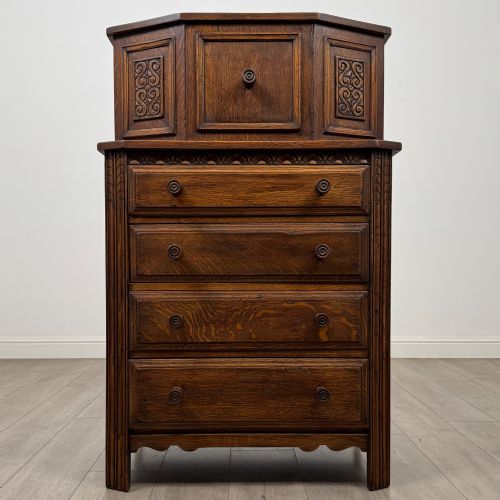


Antique Carved Cupboards
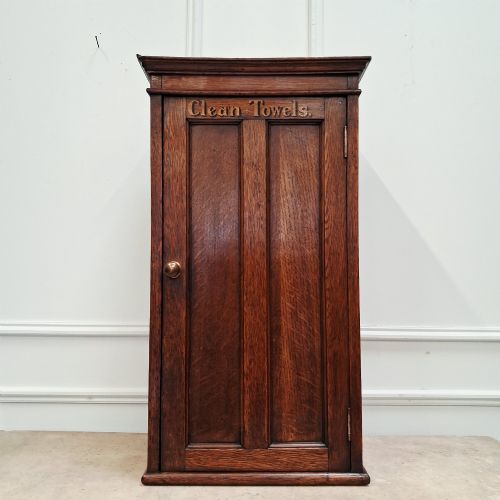
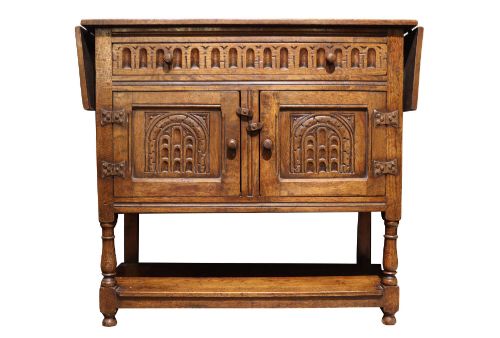
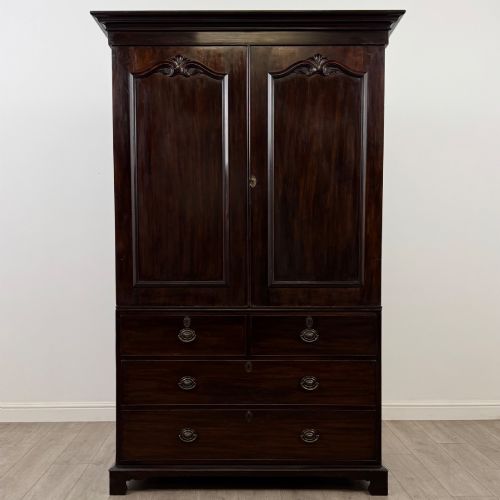
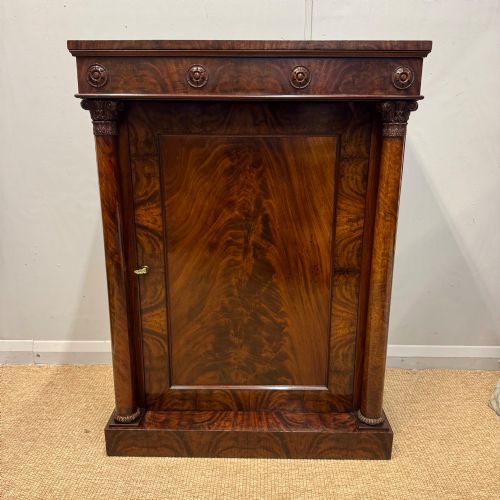
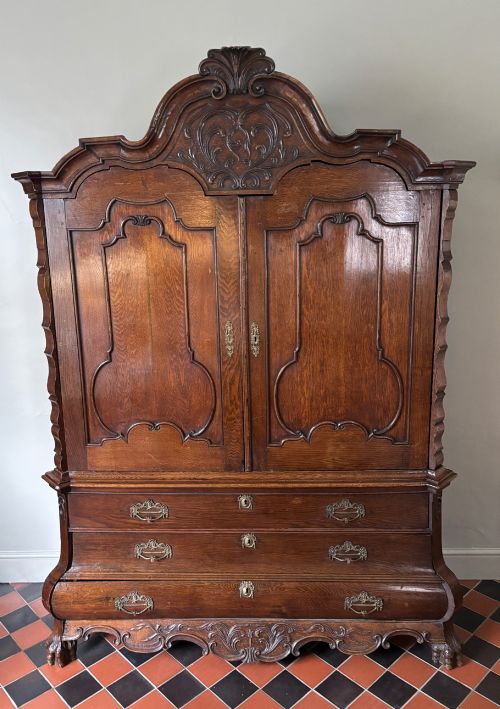
Enclosed wooden storage furniture sold on its carved decoration, from small hanging wall cupboards to full-height court cupboards, armoires and linen presses built to hold food, livery, linen or clothes.
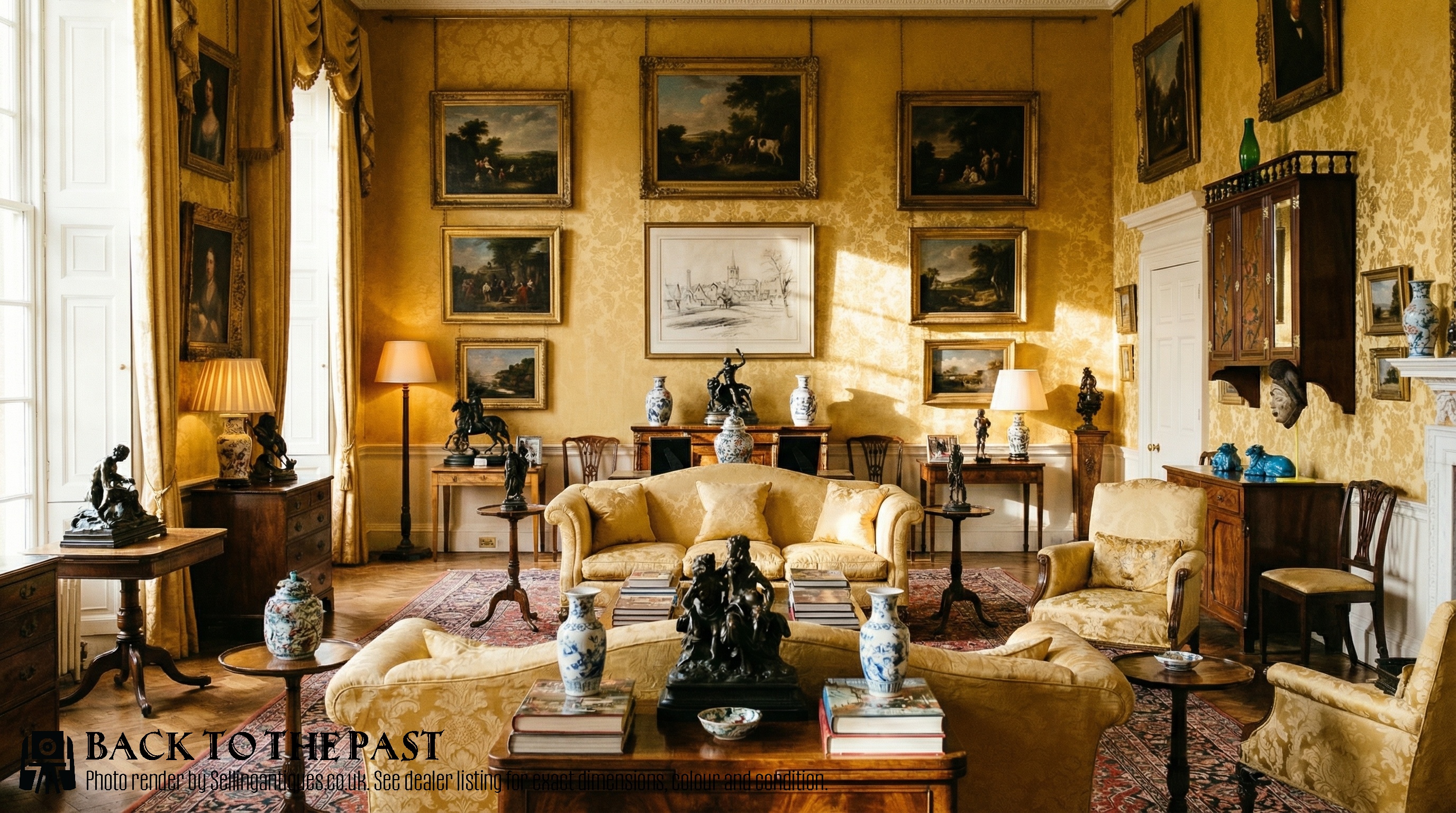
Antique Carved Cupboards
Oak runs through the category: 374 of 725 titles name it, against 110 for walnut and 66 for mahogany, with pine, elm, teak and lacquered hardwood turning up occasionally. The word cupboard appears in 353 titles and cabinet in 181, so bedside cabinets and cocktail cabinets sit in the same heading as 17th-century joined oak.
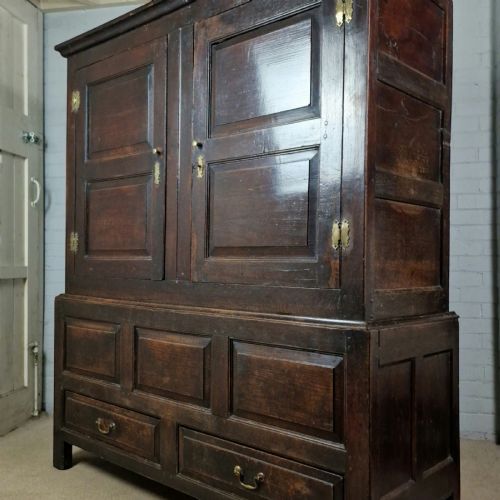
The form you are most likely to meet is a carved oak cupboard of the panelled, two-door sort. The court cupboard is the most frequently named specific form, at 72 listings, and its Welsh relatives the deuddarn and tridarn surface in a handful under the spelling cwpwrdd. Press cupboards and linen presses follow.
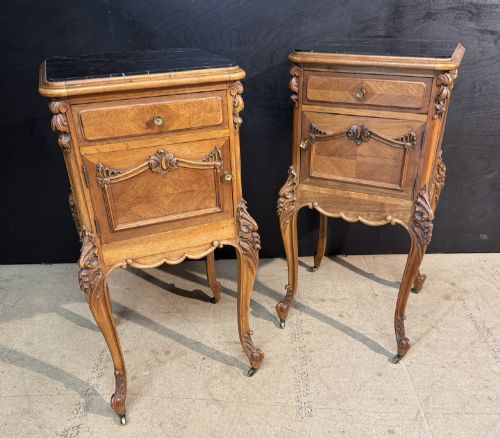
Around it sit four smaller groups: bedside cupboards and cabinets, about one in eight of the listings and often offered in pairs; hanging, wall and corner cupboards; French and Continental armoires and buffets, with french in 96 titles and armoire in 37; and hall robes and 1920s oak hall furniture, mostly in the archive now.
Dating is where the category asks for care. Dealer date fields span 1670 to 1960, and the labelling is often broad rather than exact, with 19th Century the largest single group at 117 titles. Decade labels cluster in the early 20th century, 1920s alone at 82, so a large slice is Edwardian-to-interwar revival carving rather than early furniture.

Where The Range Splits
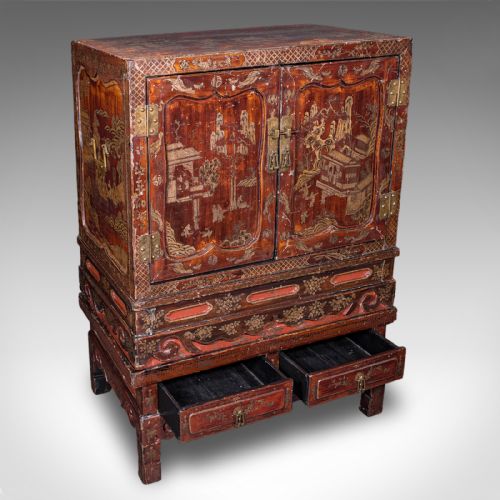
Age does most of the separating. The 17th-century and Before 1700 titles hold the upper end, while Jacobean style and 17th Century Style pieces, and the large 1920s oak group, sit low. Sixteenth-century work appears only three or four times in the whole sample. The top of the range is held by 17th-century Continental and Asian cabinets, Indo-Portuguese work and Japanese lacquer on a French giltwood stand, rather than by English oak.
A named form counts for more than a description of the carving. Welsh oak deuddarn and tridarn, West Country and Lancashire court cupboards, and Flemish or French provincial armoires all cluster above a generic carved oak cupboard. A carved and inscribed year in the frieze does the same: titles carrying 1598, 1670, 1678, 1696, 1701, 1723, 1728, 1743 and 1763 run consistently high.
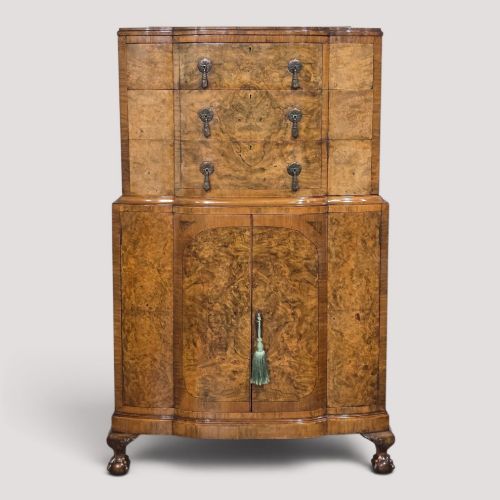
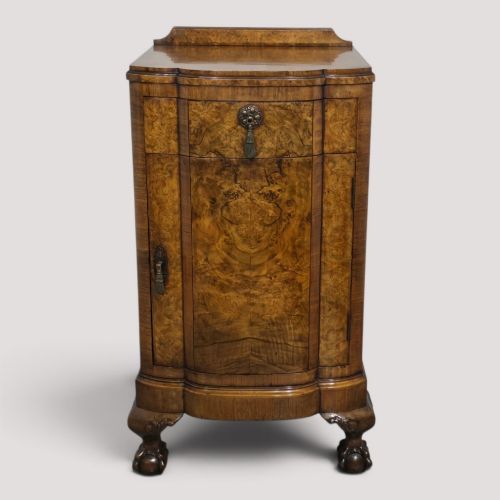
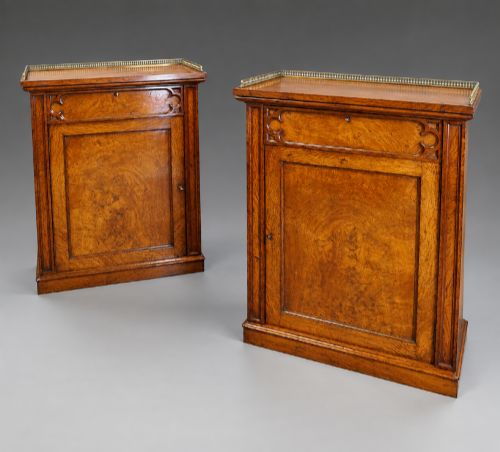
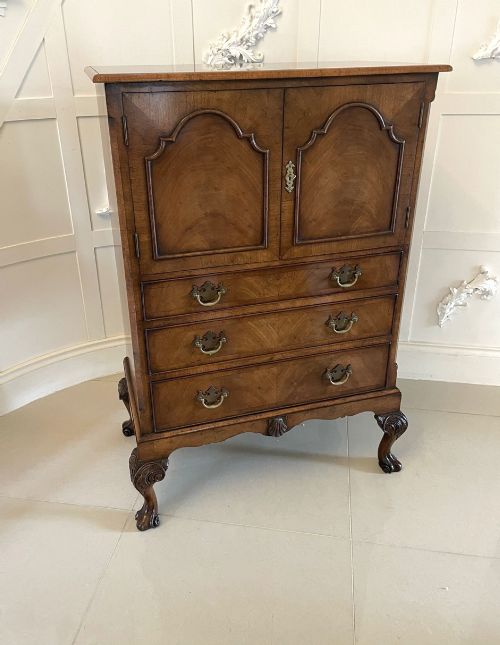
Timber and figure sort the smaller pieces. Burr walnut in 32 titles, along with amboyna, olive wood oyster veneer, rosewood and Cuban mahogany, occupies the upper half, and plain pine the lower. Pairing matters too: 65 titles advertise a pair, mostly bedsides, pedestal cabinets and lamp chests, and they sit above single equivalents throughout.
Antique Carved Cupboards Retail Price Guide 2026
Typical UK retail prices for carved cupboards, calculated from the Sellingantiques database of over a million retail prices indexed since 2003. This retail price guide relies exclusively on Sellingantiques data; no external sources or auction records are used, so the figures do not describe the wider market.
The court cupboard is the named form that comes up most on Sellingantiques, in over seventy listings, with the Welsh deuddarn and tridarn behind it.
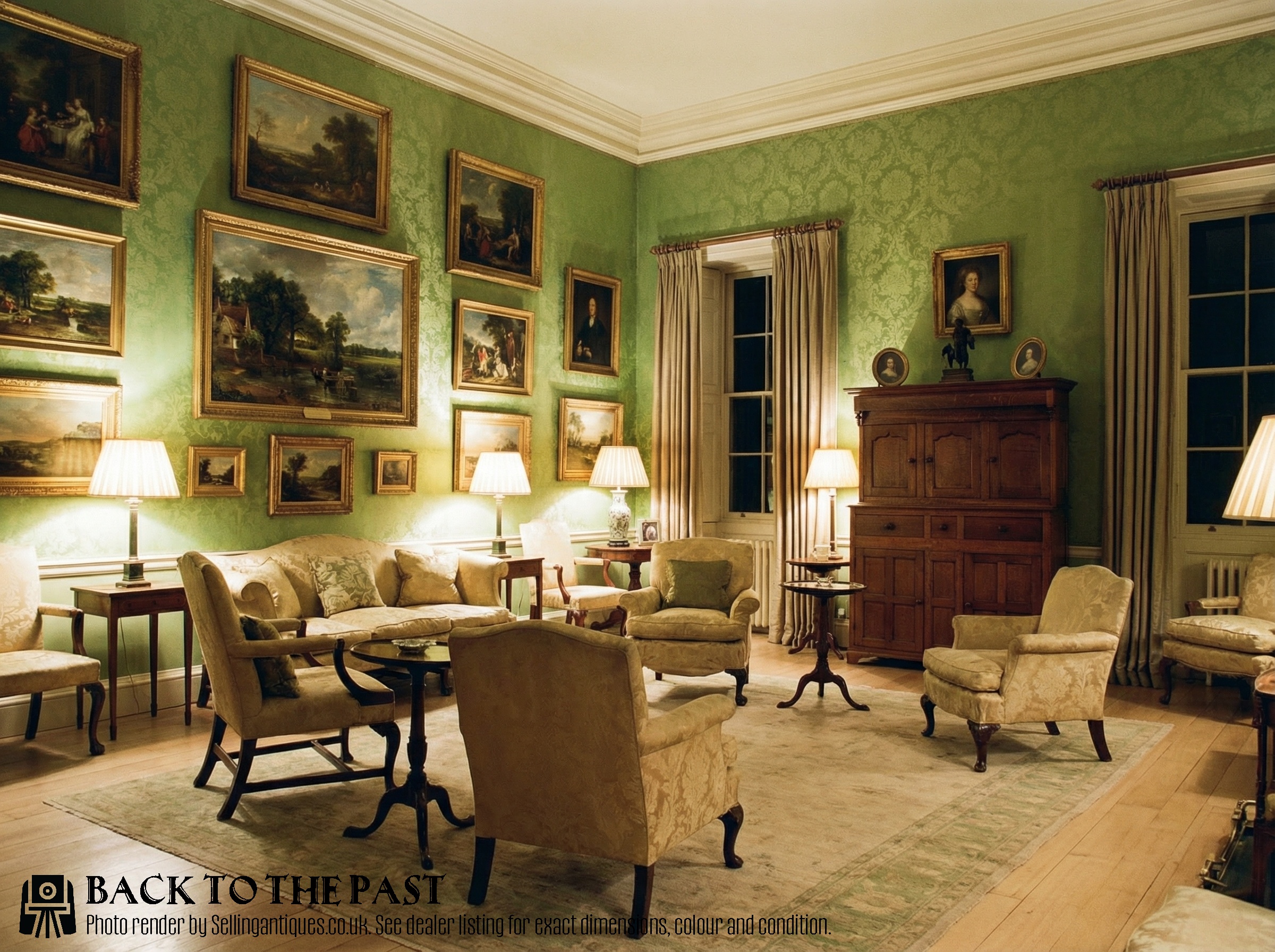
The Antique Carved Cupboards Glossary
- Court cupboard
- Open- or part-enclosed tiered oak cupboard, and the most frequently named specific form in this category at 72 titles.
- Press cupboard
- A cupboard with an enclosed upper stage standing over a base. Press appears in 34 titles, linen press in 22.
- Armoire
- French tall two-door clothes cupboard, in 37 titles and usually sitting alongside the word french. The narrow single-door version is a bonnetiere.
- Deuddarn and tridarn
- Welsh two- and three-stage cupboards, appearing with Welsh oak in the sample and sometimes under the Welsh word cwpwrdd.
- Linenfold
- Carved panel imitating folded cloth. Titles use both spellings, linen fold and linenfold.
- Livery cupboard
- Ventilated cupboard made for storing food rations, a name that recurs in 17th-century oak titles. Credence cupboard, a canted-front form, appears in a few.
Antique Carved Cupboards: Frequently Asked Questions
What wood are carved cupboards usually made from?
Oak dominates. It is named in 374 of 725 titles, a little over half the category, and the phrase oak cupboard alone accounts for 57.
Walnut follows at 110 titles and mahogany at 66. Pine, elm, teak and lacquered hardwood appear now and then, and burr walnut turns up in 32 titles, concentrated in cocktail and bedside cabinets.
How old is a typical carved cupboard?
Dealer date fields run from 1670 to 1960, with 300 of the 725 listings carrying a clean year. That is a span of nearly three centuries inside one heading.
Much of the labelling is broad. 19th Century is the largest group at 117 titles, with 18th Century at 64 and 17th Century at 47, plus style labels like Victorian and Edwardian.
Decade labels cluster in the early 20th century, and the 1920s group is the second commonest period here at 82 listings.
Why are court cupboards mentioned so often?
It is the most frequently named form in the category, with 72 listings, and oak court appears in 51 of them. Nothing else is named as consistently.
Court and press cupboards together make up roughly a fifth of listings, and they sit at the upper end of the range.
Are carved cupboards sold in pairs?
Sixty-five titles advertise a pair. Most of those are bedside cupboards, pedestal cabinets or lamp chests rather than large cupboards.
Paired bedsides sit above single equivalents throughout the sample.
Which carved cupboards are the most expensive?
The top of the range is held by 17th-century Continental and Asian cabinets, including Indo-Portuguese work and Japanese lacquer on a French giltwood stand, rather than by English oak.
Early joined oak with a named regional form or an inscribed date in the frieze also runs high. The bottom of the range is populated by small mahogany and pine bedsides.
Do unusual forms appear in this category?
They do, generally once each. The samples include a lit clos Breton bed-cupboard, a Spanish bargueño, a Dutch Gelderse kussenkast and an Indian damchiya dowry chest.
Also recorded: a Ceylon veranda gin cabinet, a vestry cupboard of 22 carved panels and a watchmaker's cabinet.
Around 76 carved cupboards are listed a year on Sellingantiques, and 180 different dealers have handled them, so no single stockholder shapes the mix.