


Antique Glazed Cupboards
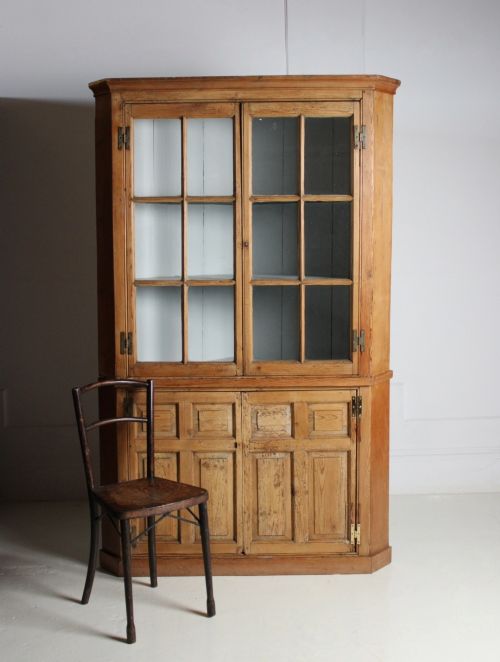
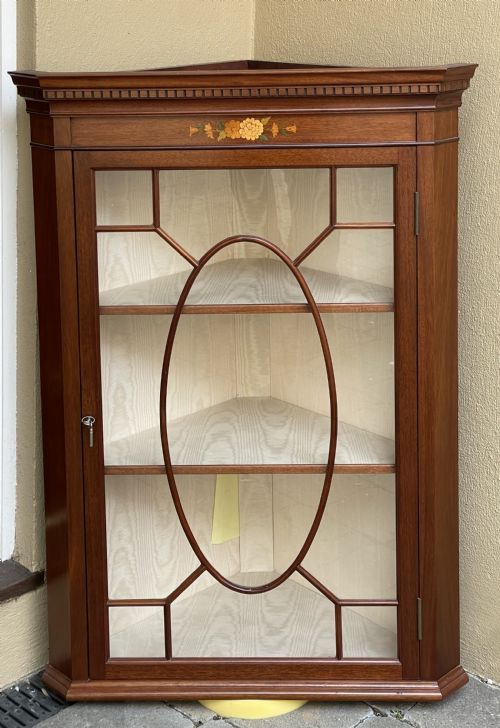
A cupboard with glass in its upper doors, made from the 18th century onward so china, glass and books could be seen rather than shut away.
Antique Glazed Cupboards
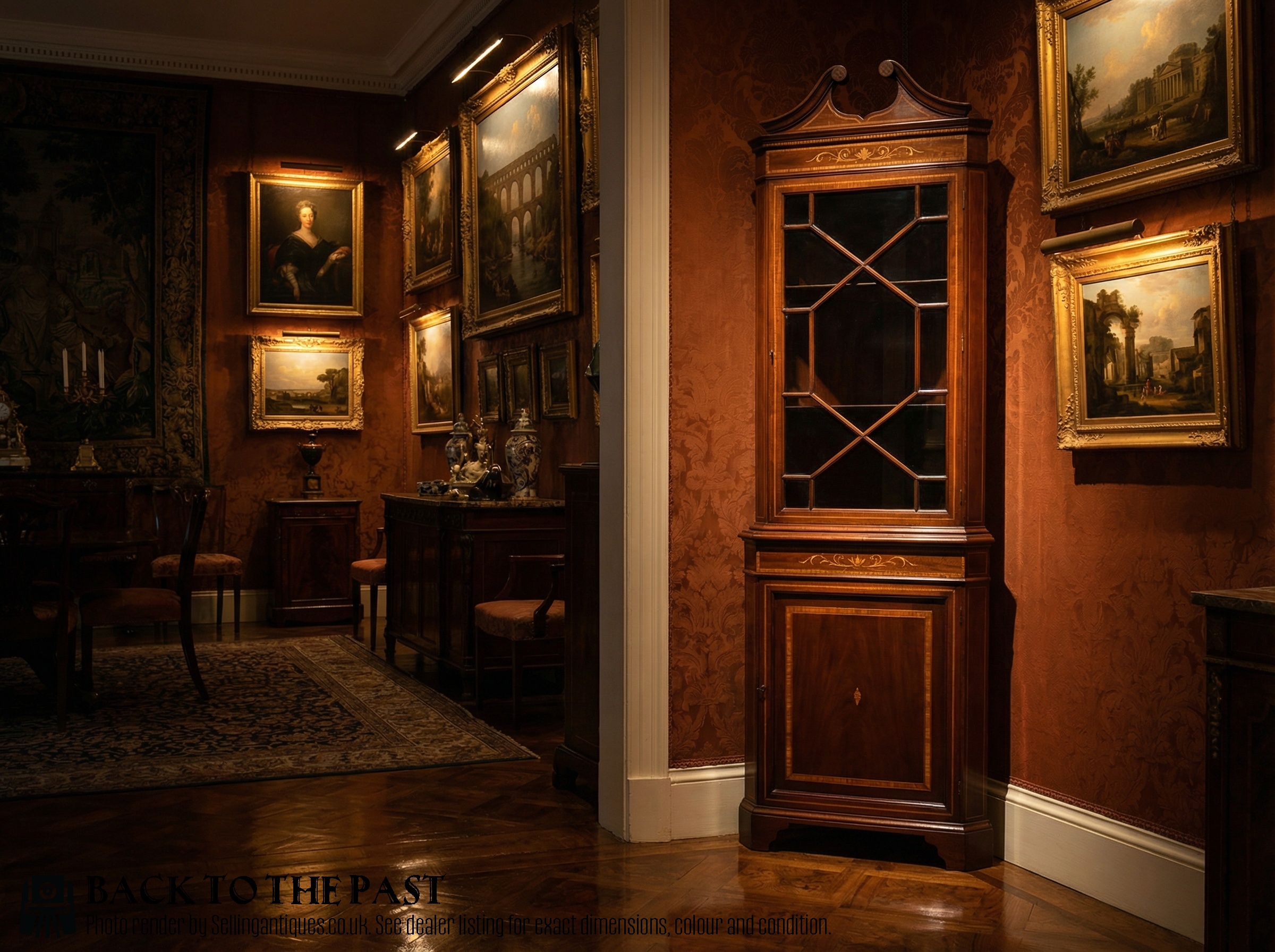
Glass in the doors turns storage into display, and that is the whole point of the form. Once window and plate glass was widely available, cabinetmakers began fitting it to cupboard doors, and the pieces that followed were built to hold china, glass and books on show.
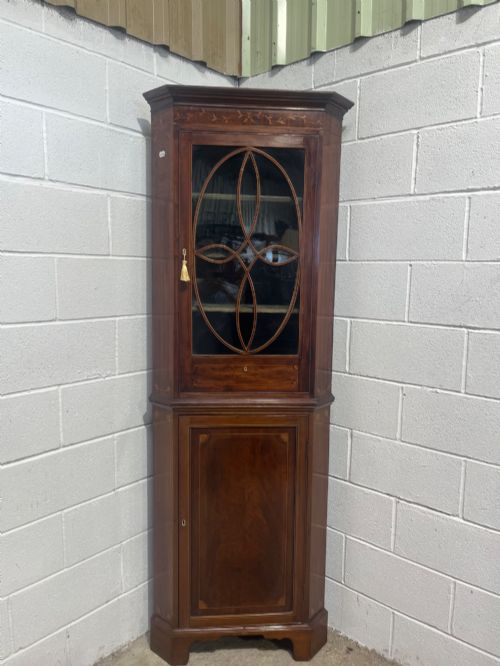
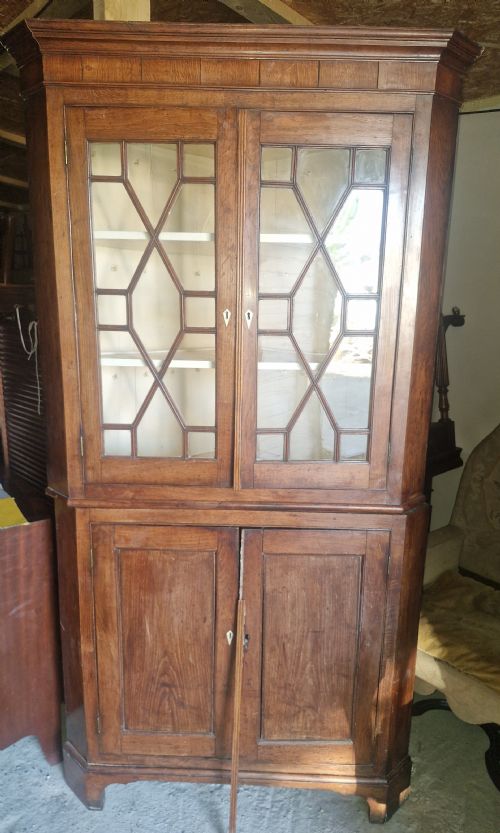
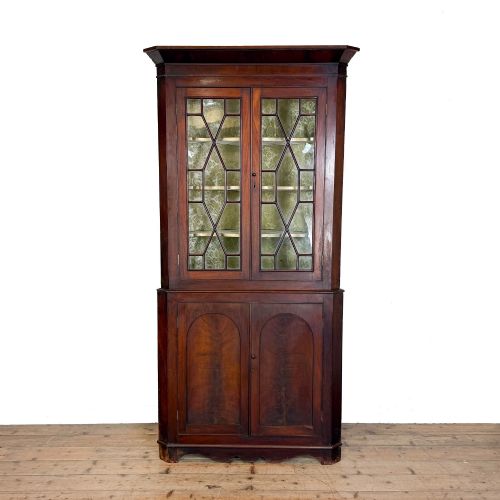
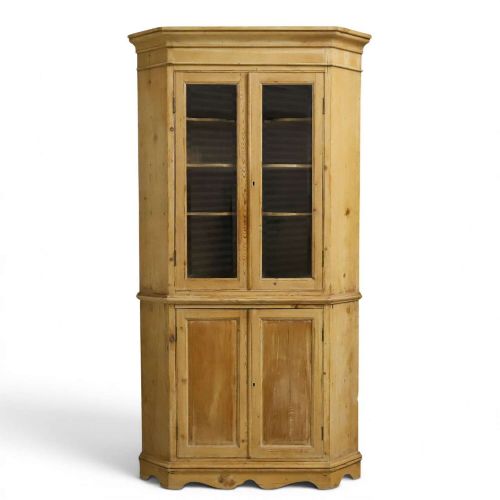
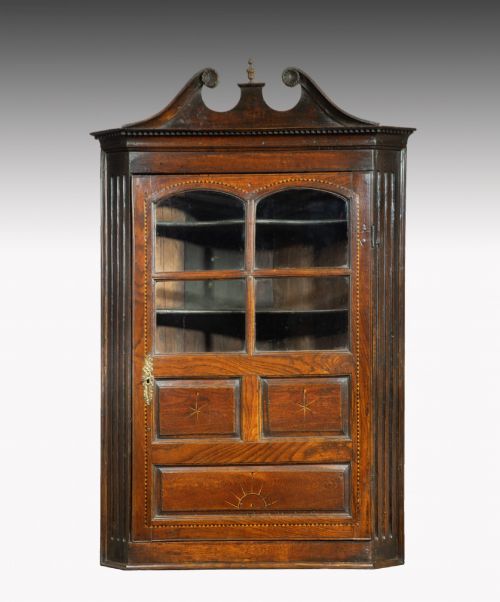
What dominates on Sellingantiques is the corner cupboard. Of 86 titles, 40 carry the exact phrase "corner cupboard", so nearly one in two glazed cupboards listed is triangular in plan and built for a room angle rather than a flat wall. They come in two shapes: the small hanging type, and the floor-standing sort, often made in two parts that lift apart, with a glazed top over a solid base.
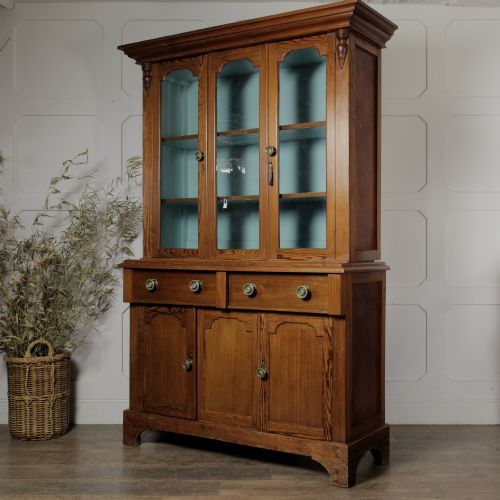
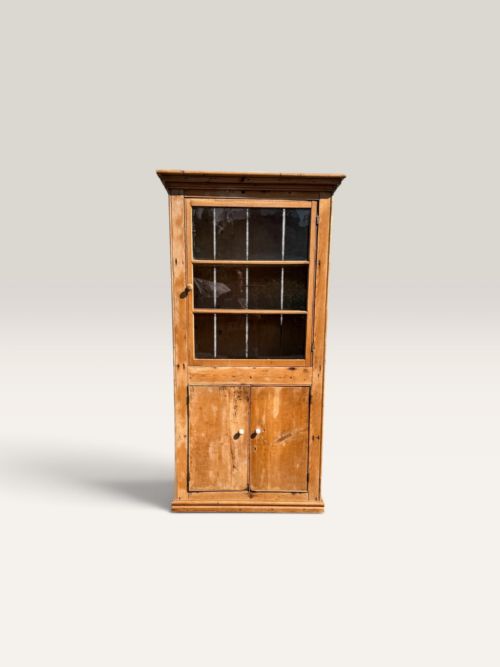
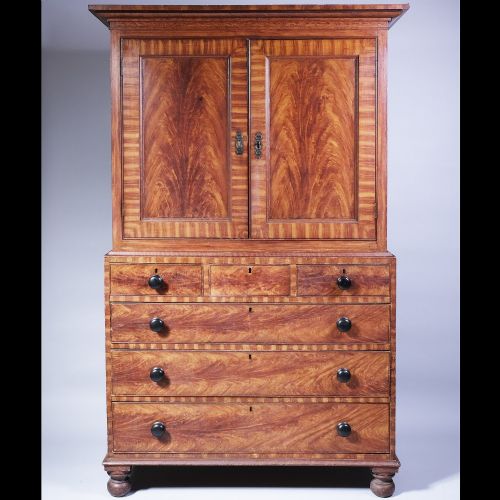
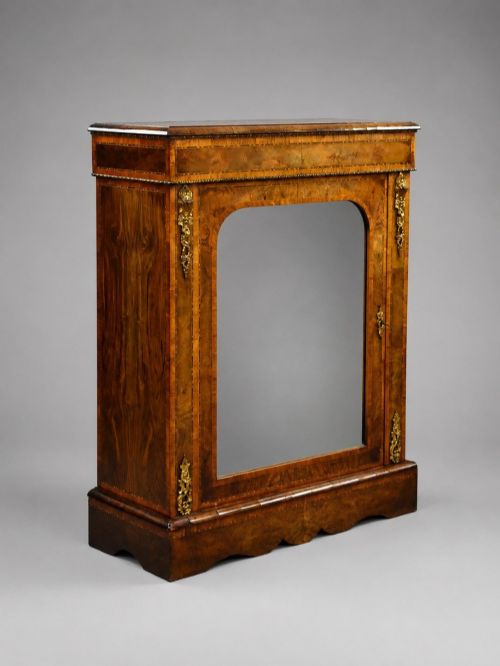
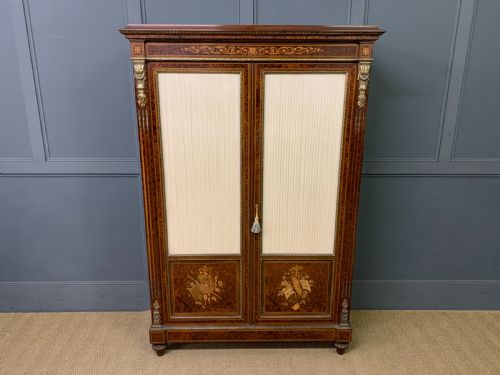
Mahogany leads the timbers, in 33 of 86 titles, frequently astragal glazed, inlaid or cross banded, and sometimes cut to show flame figure. Pine follows, including part-glazed pieces where only some doors carry glass, and a run of painted and scumbled surfaces. Oak turns up throughout. Alongside the corner cupboards sit glazed bookcases-on-cupboard, dressers, housekeepers cupboards, pier and collector's cabinets, and Continental vitrines.
Dating is broad more often than exact. Only 36 of the 86 listings carry a clean year, and those run from 1765 to 1960. Georgian and Edwardian labels are the commonest, with "19th Century" and decade dates like 1900s and 1920s close behind. A style name in a title, Georgian style or Georgian revival, is describing the look and not the year.
Where The Range Splits
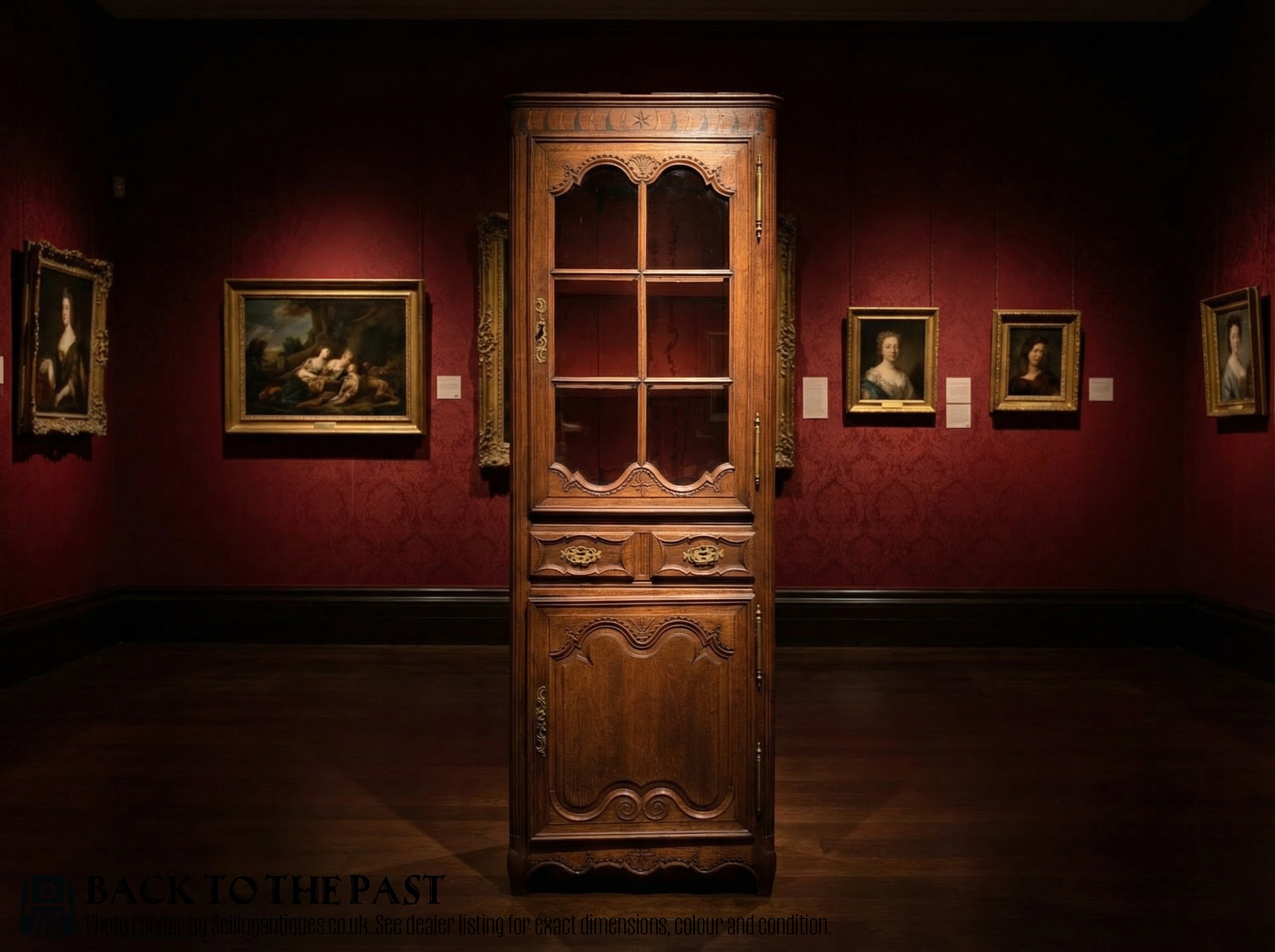
Timber sets the floor and the ceiling. The pieces reaching the upper end of the sampled range are figured and flame mahogany, burr walnut, amboyna and carved wood; the lowest-placed are plain mahogany or oak corner cupboards with nothing much done to the surface. Decoration follows the same line, with inlay, astragal glazing bars and cross banded tops clustering in the upper half.
Scale matters as much as material. Two-part floor-standing cupboards, large pieces and bookcase-on-cupboard forms sit well above the small hanging corner cupboards and part-glazed bedside cupboards, which occupy the bottom. A complete two-section piece is simply more furniture, and the sampled order reflects that.
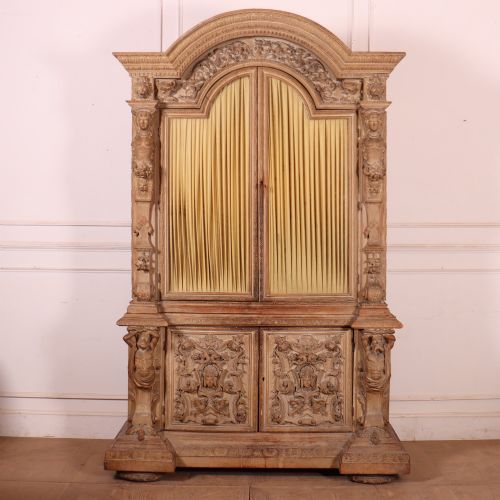
Two other things lift a piece. Original or old paint is a small but persistent seam, and old paint, painted pine and scumbled surfaces all appear in the upper reaches. So do named regions and origins: Welsh, Scottish, Irish, North Devon, Swedish, French and Italian attributions recur, and the top of the range is held by a carved Italian vitrine rather than a corner cupboard at all.
Antique Glazed Cupboards Retail Price Guide 2026
Typical UK retail prices for glazed cupboards, calculated from the Sellingantiques database of over a million retail prices indexed since 2003. This retail price guide relies exclusively on Sellingantiques data; no external sources or auction records are used, so the figures do not describe the wider market.
The most expensive glazed cupboard ever sold on Sellingantiques was a Swedish glazed cupboard, in April 2018.
The Antique Glazed Cupboards Glossary
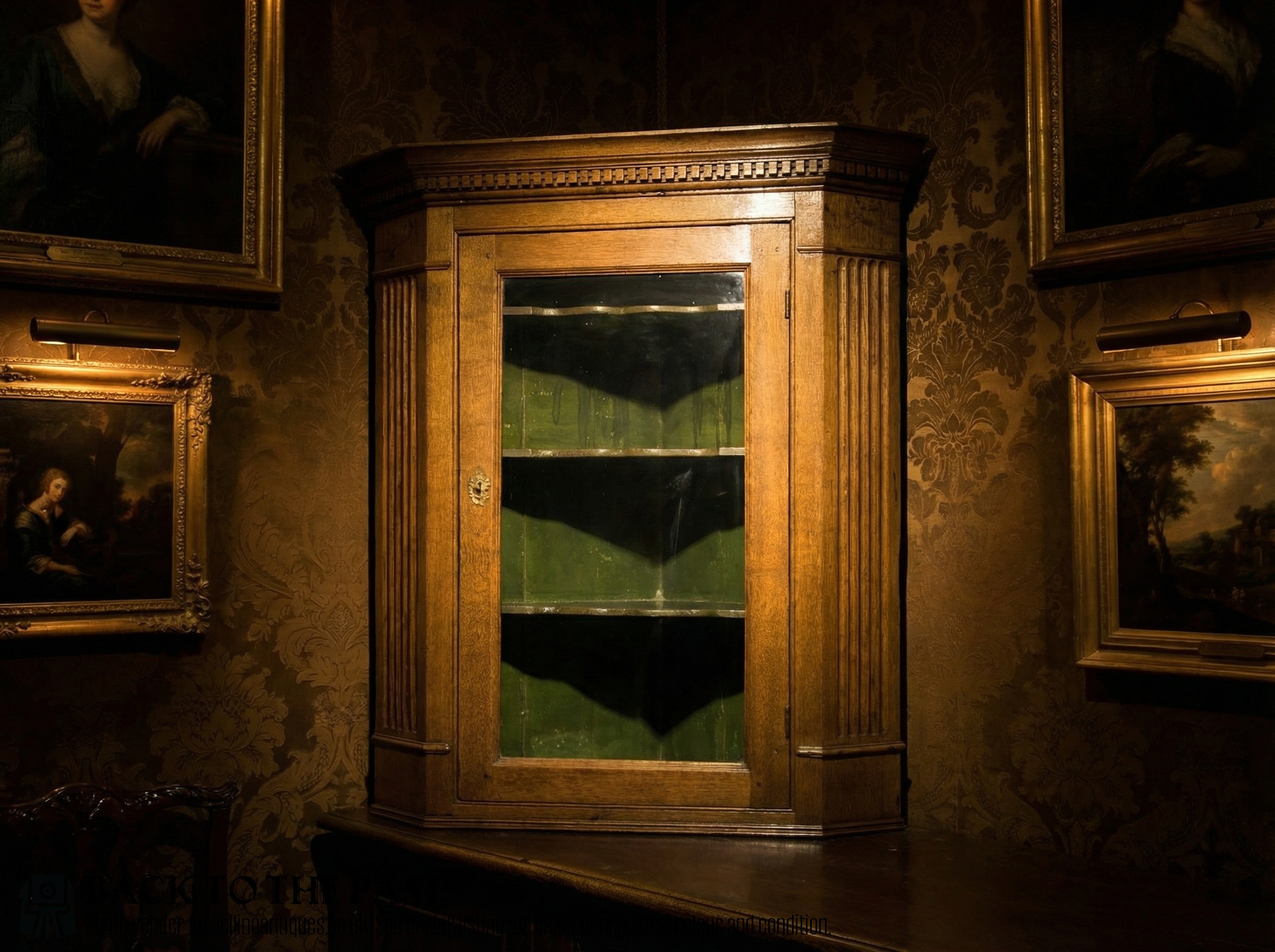
- Corner cupboard
- Triangular in plan, made for a room angle, either hung on the wall or standing on the floor. The commonest form in this category by a wide margin.
- Astragal glazing
- Slim moulded bars dividing a glazed door into panes. Named outright in several titles, and a feature that tends to travel with better mahogany.
- Two-part
- A cupboard built in two separate sections, a glazed upper over a base, which lift apart for moving. Written as "2 part" or "two-piece" in titles.
- Part glazed
- Only some of the doors carry glass, the rest panelled. Recurs on pine pieces, including tallboys, dressers and bedside cupboards.
- Vitrine
- A glazed display cabinet, usually a Continental term. Turns up on the French and Italian pieces recorded, including a Louis XV style example.
- Scumbled
- Painted graining that imitates a finer timber. One housekeepers cupboard, the large part-glazed press form for household stores, is described this way.
Antique Glazed Cupboards: Frequently Asked Questions
Are most glazed cupboards corner cupboards?
Yes. Of 86 titles on Sellingantiques, 44 carry the word "corner" and 40 carry the exact phrase "corner cupboard", so nearly one in two is built for a room angle.
The rest spread across bookcases-on-cupboard, dressers, housekeepers cupboards, pier and collector's cabinets, and vitrines.
What timbers do they come in?
Mahogany leads, in 33 of the 86 titles, often inlaid, cross banded or cut to show flame figure. Pine accounts for 17, including part-glazed and painted examples. Oak appears throughout.
At the upper end of the sampled range the timbers get richer: burr walnut, amboyna and carved wood all show up there.
How old are they?
The dated field runs from 1765 to 1960, very nearly two centuries. The earliest recorded is a mahogany glazed corner cupboard given as 1765, the latest a Georgian-style mahogany corner cupboard dated 1960.
Only 36 of the 86 listings carry a clean year. The others are placed to a century or a reign, with Georgian, 19th Century and Edwardian the labels used most.
Some titles hedge with "circa" or with a style name, and a style name is not a date.
Do foreign or regional examples turn up?
More often than you might expect. Welsh, Scottish, Irish and North Devon pieces are named, alongside French, Swedish, Czech, North European and Italian ones.
Those attributions sit high in the sampled range. The Swedish, Irish and Italian pieces are at the very top of it.
Why does the word 'style' appear in some titles?
Because the piece follows an earlier fashion without being of that date. Georgian style and Georgian revival both appear, and one Georgian-style mahogany corner cupboard is dated 1960.
It describes the design, not the year of making.
How many come up for sale?
Very few. Forty-eight different dealers have listed a glazed cupboard on Sellingantiques, yet only about two come to market in a year.
So most dealers handle one and then never another. Odd forms surface once and nowhere else, among them a vestry cupboard, a former sheet music cabinet and a Czech part-glazed pine dresser.