


Edwardian Oak Chest
When you search for an edwardian oak chest, you are looking for practical domestic storage shaped by early twentieth-century utility and solid timber construction.
Edwardian Oak Chest
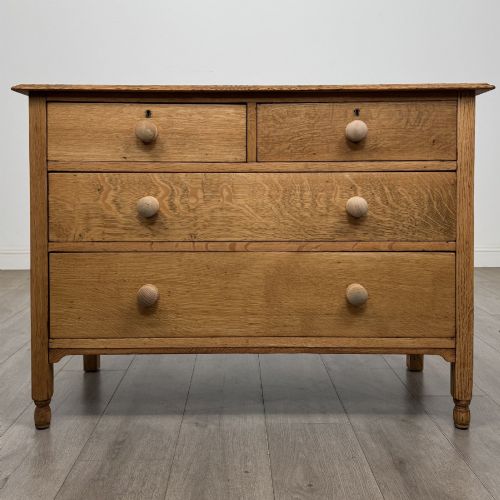
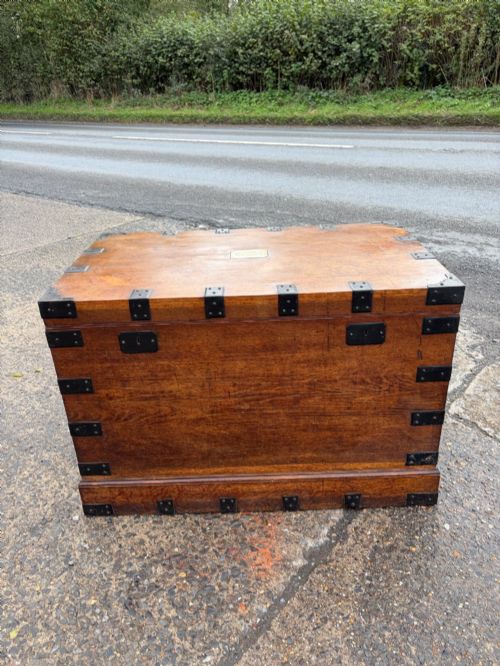
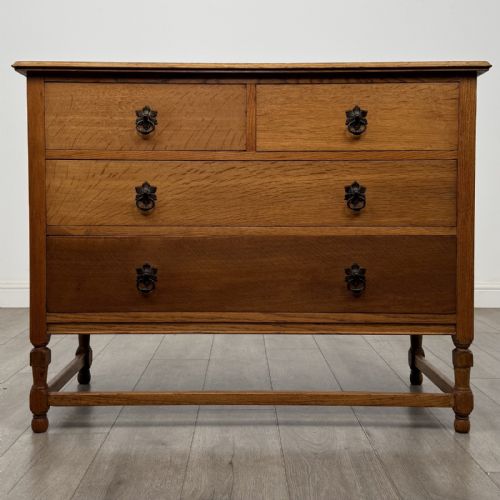
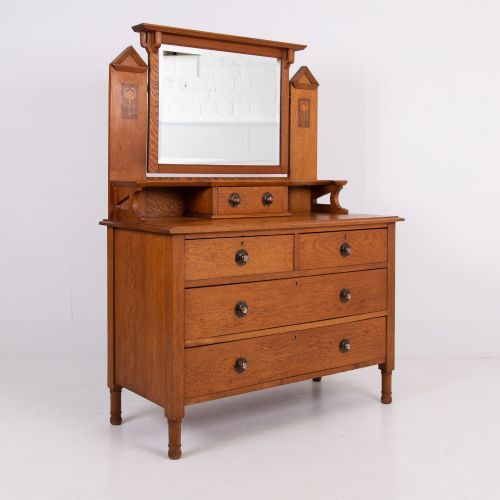
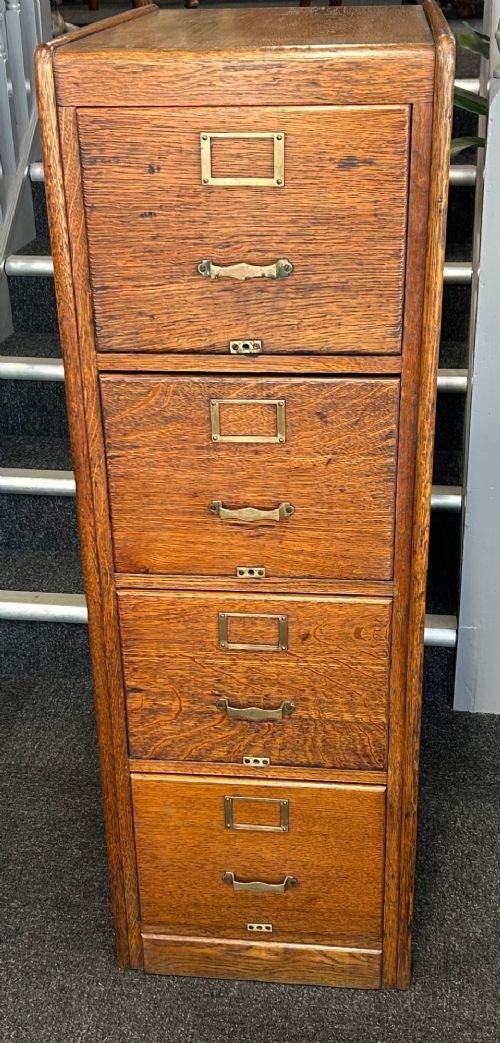
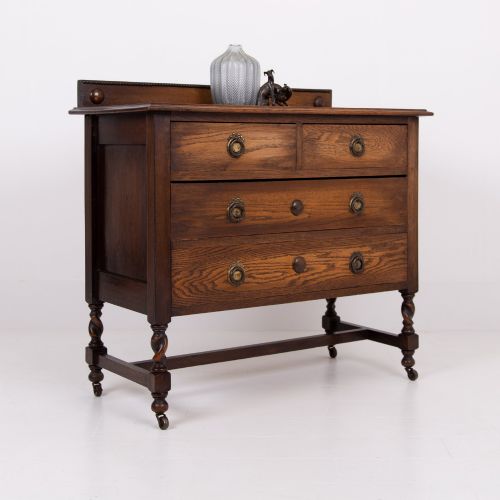
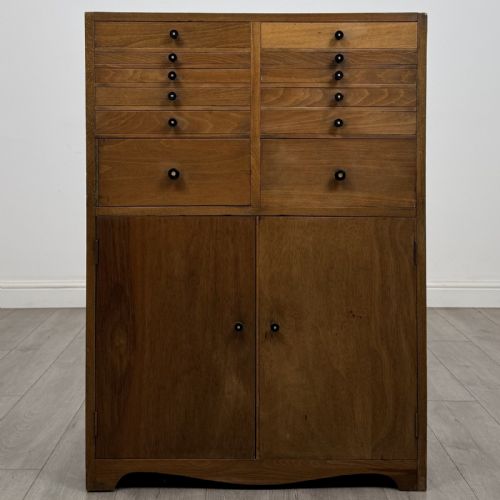
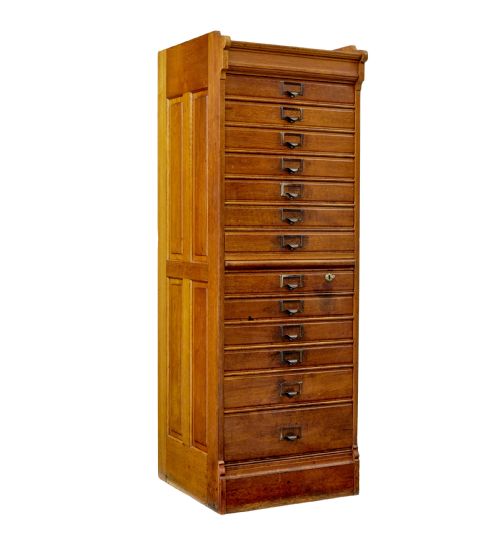
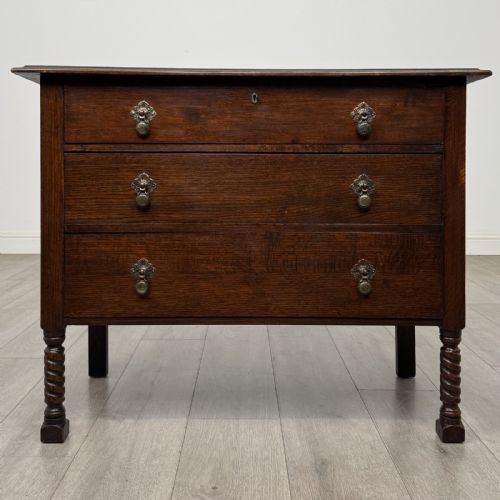
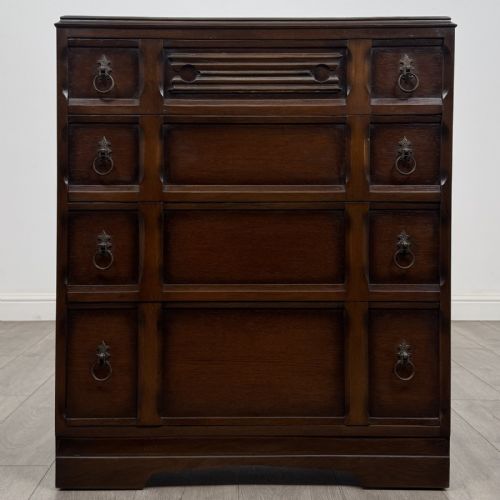
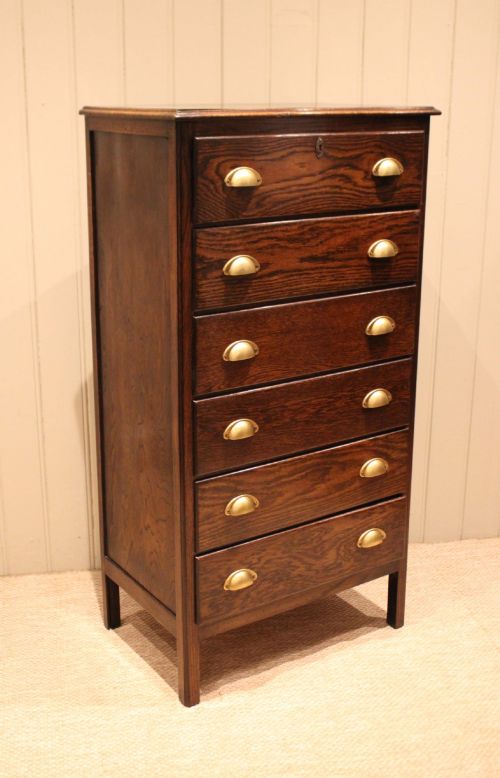
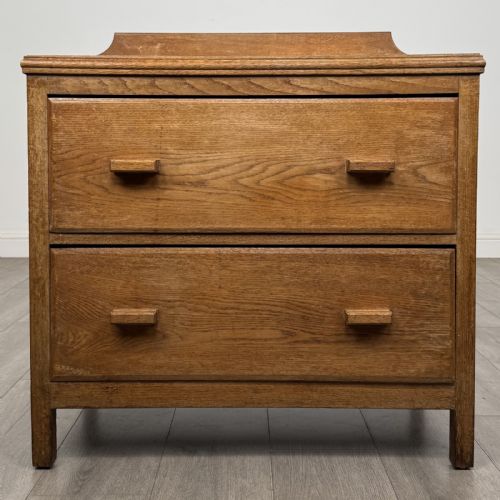
The edwardian oak chest typically appears as a straightforward chest of drawers, a blanket box, or a specialised filing cabinet dating from the early twentieth century. These pieces reflect the transition from ornate Victorian tastes towards cleaner lines, often influenced by the Arts and Crafts movement.
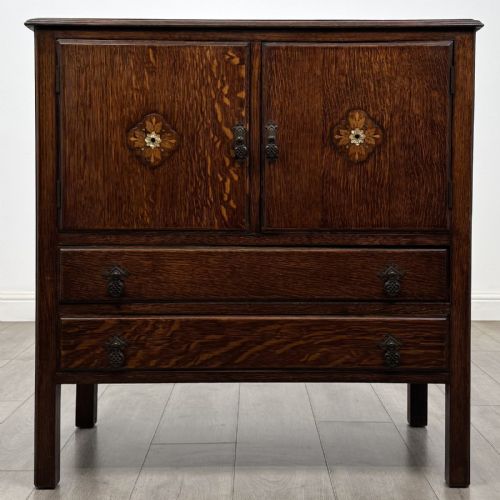
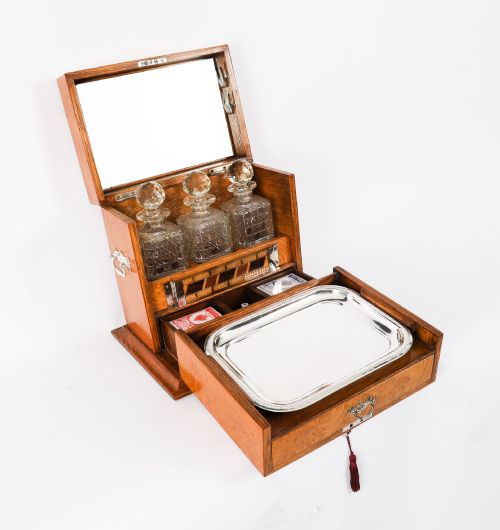
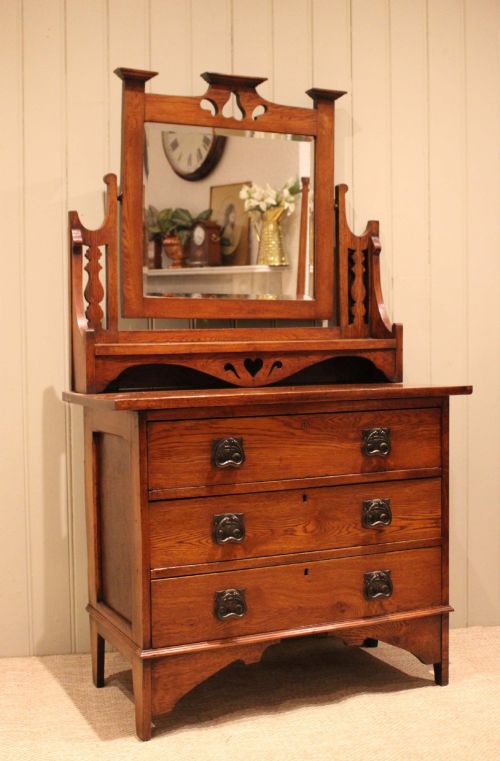
Beyond standard drawer configurations, variations include dressing chests with mirrors, combination cupboards, and compact writing or smoking cabinets. Solid oak remains the dominant material, sometimes seen in golden, blonde, or limed finishes alongside inlaid decoration.
Materials and Construction
Makers relied heavily on solid oak and honey-toned timbers, frequently paired with brass or iron hardware such as drop handles and lock escutcheons. Interior construction often incorporated secondary woods like pine for drawer linings and carcase backs.
Surface treatments ranged from simple waxed finishes that highlighted the natural grain to limed treatments popular in the early decades of the twentieth century. Joinery methods prioritised durability, utilising dovetailed drawer construction and sturdy panel framing.
Edwardian Oak Chest Retail Price Guide 2026
Typical asking prices for edwardian oak chest among the pieces listed under this phrase on Sellingantiques today, from the lower quarter to the upper quarter. They describe what is for sale here now, not the wider market.
Materials recorded across the inventory include solid oak, brass, iron, mahogany, and pine.
Evaluating Quality
The distinction between standard utility items and finer pieces lies in the selection of timber and the restraint of decorative detail. Superior examples often display thoughtful grain matching, subtle inlays, or maker stamps from prominent workshops.
Hardware integrity and the smoothness of drawer operation also separate ordinary chests from better workshops. Original brasses, working locks, and clean interior linings indicate a higher standard of original manufacture and careful preservation.
Heals of London
The Edwardian Oak Chest Glossary
- Tambour
- A flexible shutter door formed of narrow strips of wood glued to a canvas backing, commonly found on filing cabinets.
- Arts and Crafts
- A design movement emphasising handcraftsmanship, simple forms, and visible construction methods rather than mass-produced ornamentation.
- Wellington chest
- A tall, narrow chest of drawers secured by a locking vertical side flap that bars the drawers from opening.
- Coffer
- A heavy wooden chest traditionally used for storing valuables, linens, or documents before dedicated wardrobes became common.
Edwardian Oak Chest: Frequently Asked Questions
How do I date an oak chest?
Dating relies on stylistic clues such as hardware, construction methods, and finish. Pieces from this era often combine traditional dovetailed joints with simpler decorative motifs than their Victorian predecessors.
Makers' stamps, labels, or registration marks can provide more precise manufacturing years. Examining the secondary woods inside drawers also helps confirm the period of origin.
Are these chests suitable for modern bedrooms?
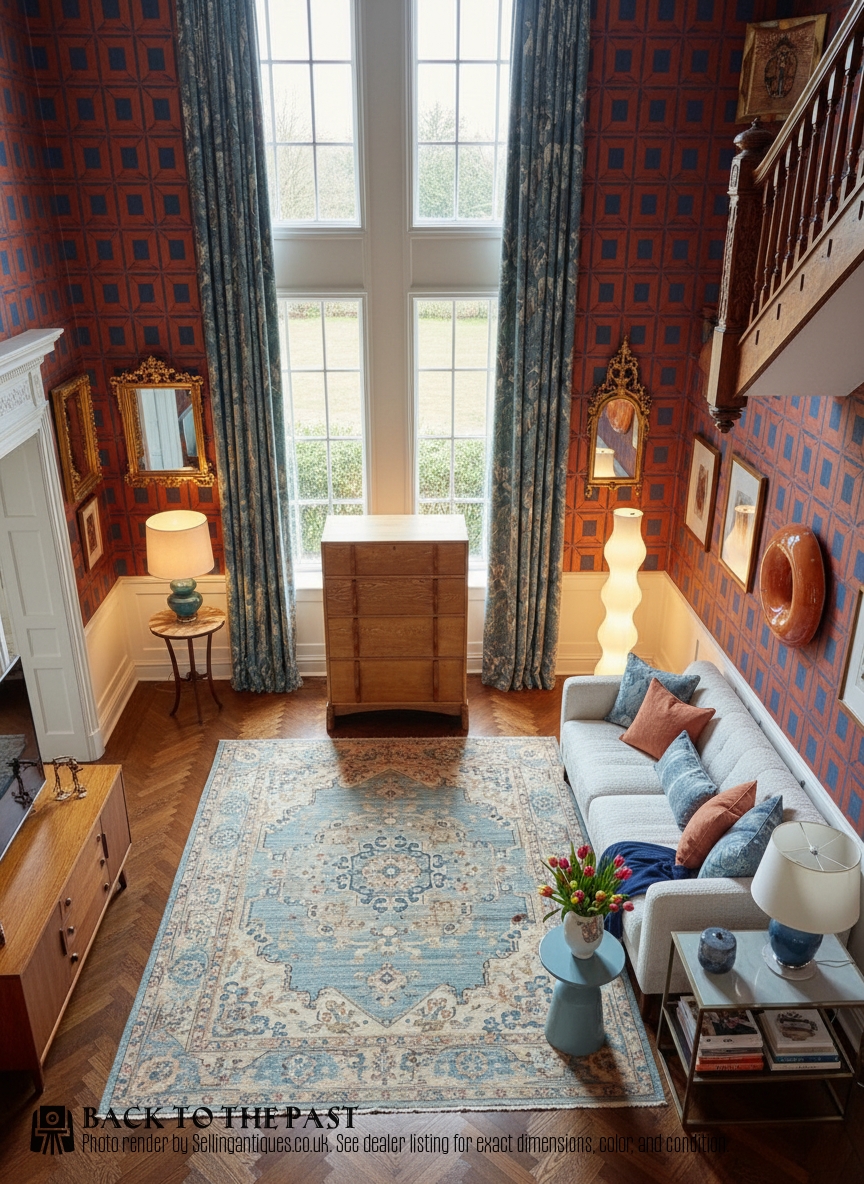
Their modest proportions and neutral timber tones allow these pieces to integrate easily into contemporary interiors. They offer robust, deep storage for clothing and linens while adding historical character to a room.
Positioning them away from direct heat sources helps prevent the solid oak from drying out or splitting over time. Regular waxing maintains the finish and protects the wood surface.
What is the difference between a blanket chest and a chest of drawers?
A blanket chest opens from the top via a hinged lid, providing a single deep cavity primarily used for bulky textiles. A chest of drawers consists of horizontally stacked sliding compartments for smaller garments.
Some variants combine both forms, featuring smaller drawers above a larger enclosed storage section or coffer base. Each type served a distinct domestic purpose in early twentieth-century households.
What maintenance does solid oak require?
Solid oak benefits from occasional treatment with quality beeswax to nourish the timber and preserve the grain. Avoiding excessive moisture and sudden temperature changes prevents warping in the panels.
Dusting with a soft, dry cloth keeps the surface clean without damaging the historic wax or polished finish. Hardware can be gently cleaned if tarnishing occurs.