

Vintage Oak Drawers
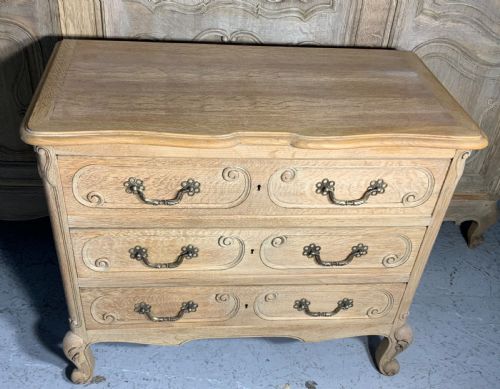
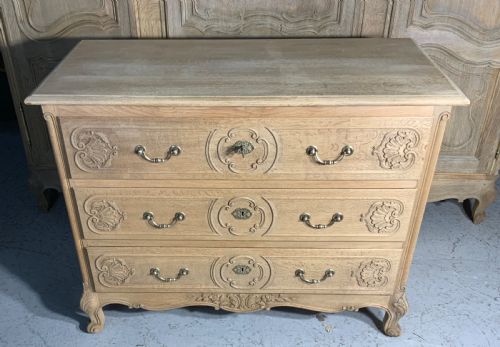
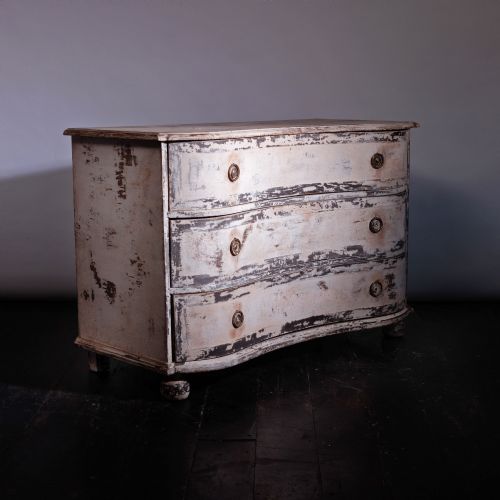
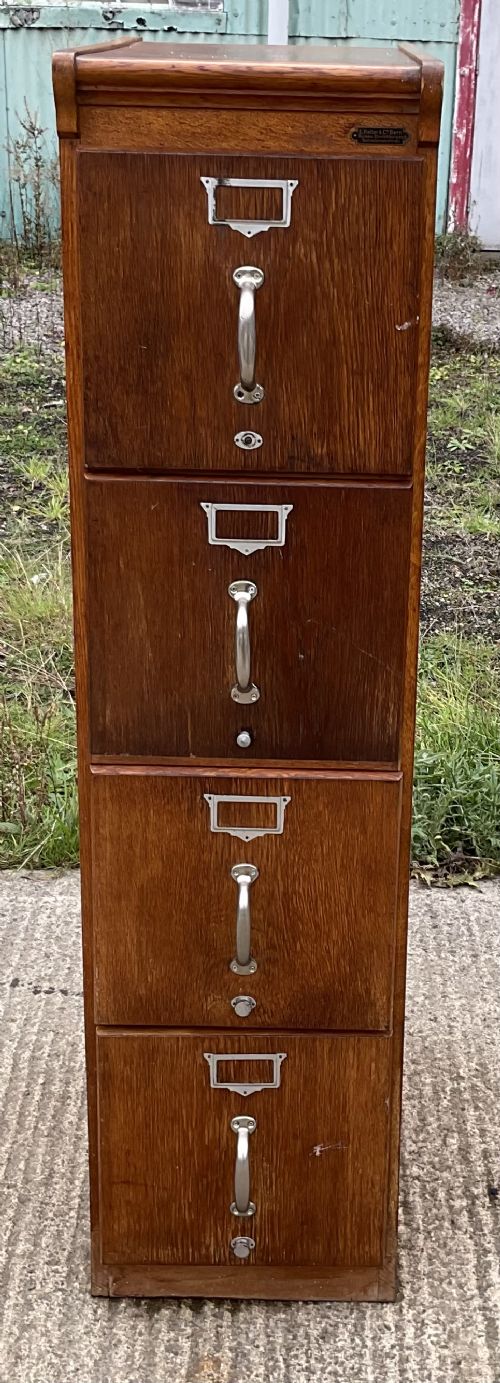
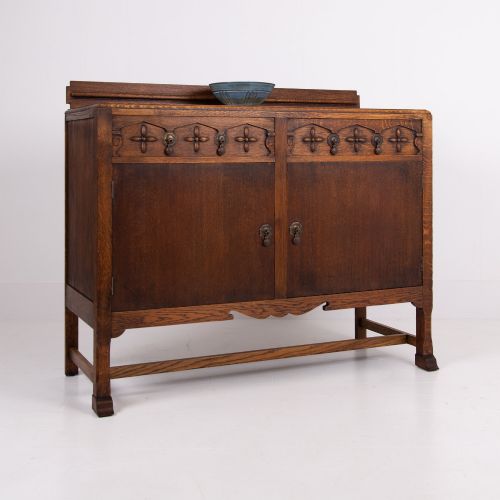
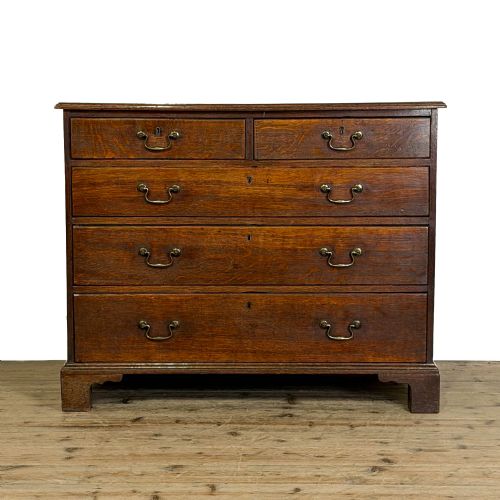
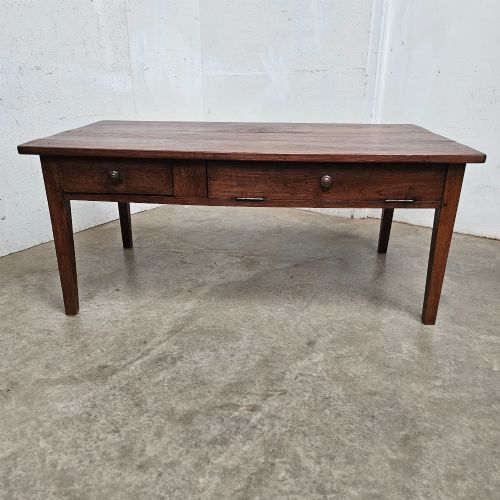
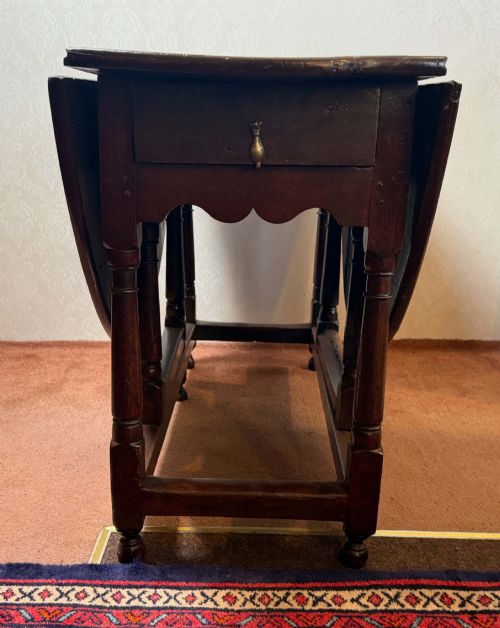
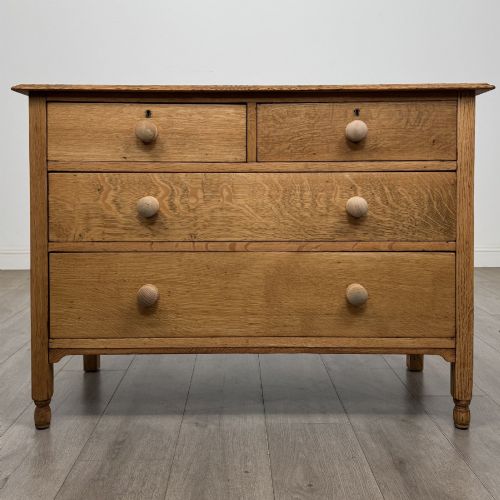
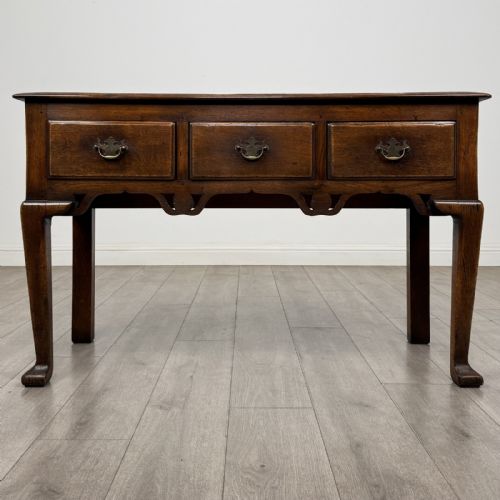
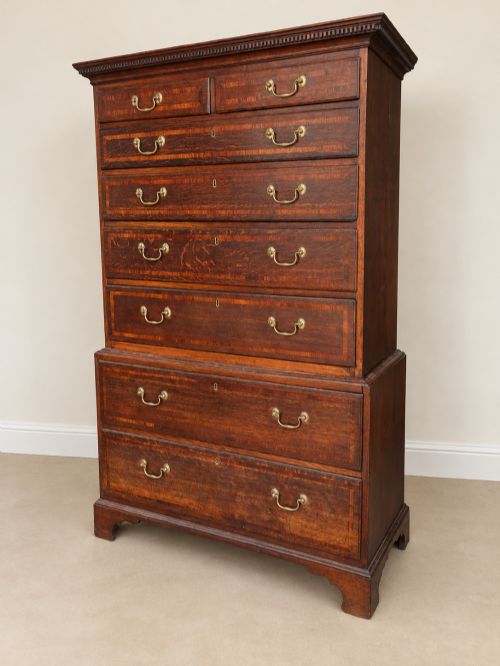
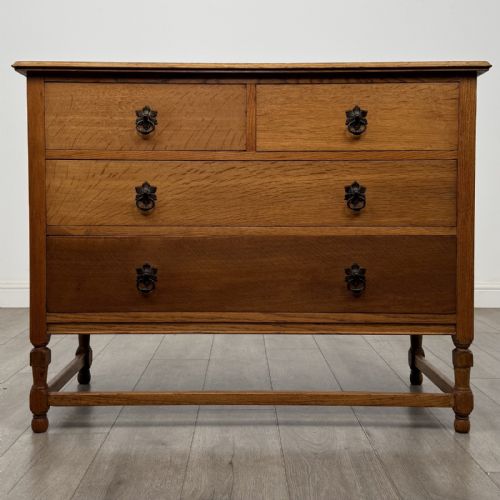
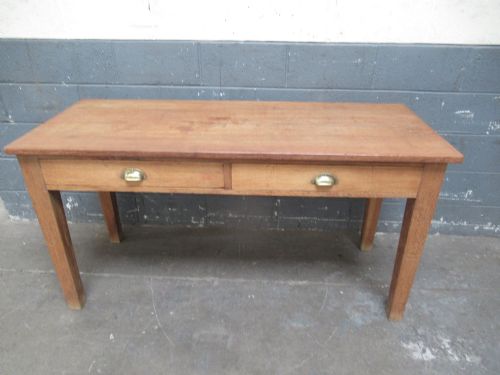
These vintage oak drawers span centuries of functional craftsmanship, offering durable storage through classic chests, desks, and cabinets.
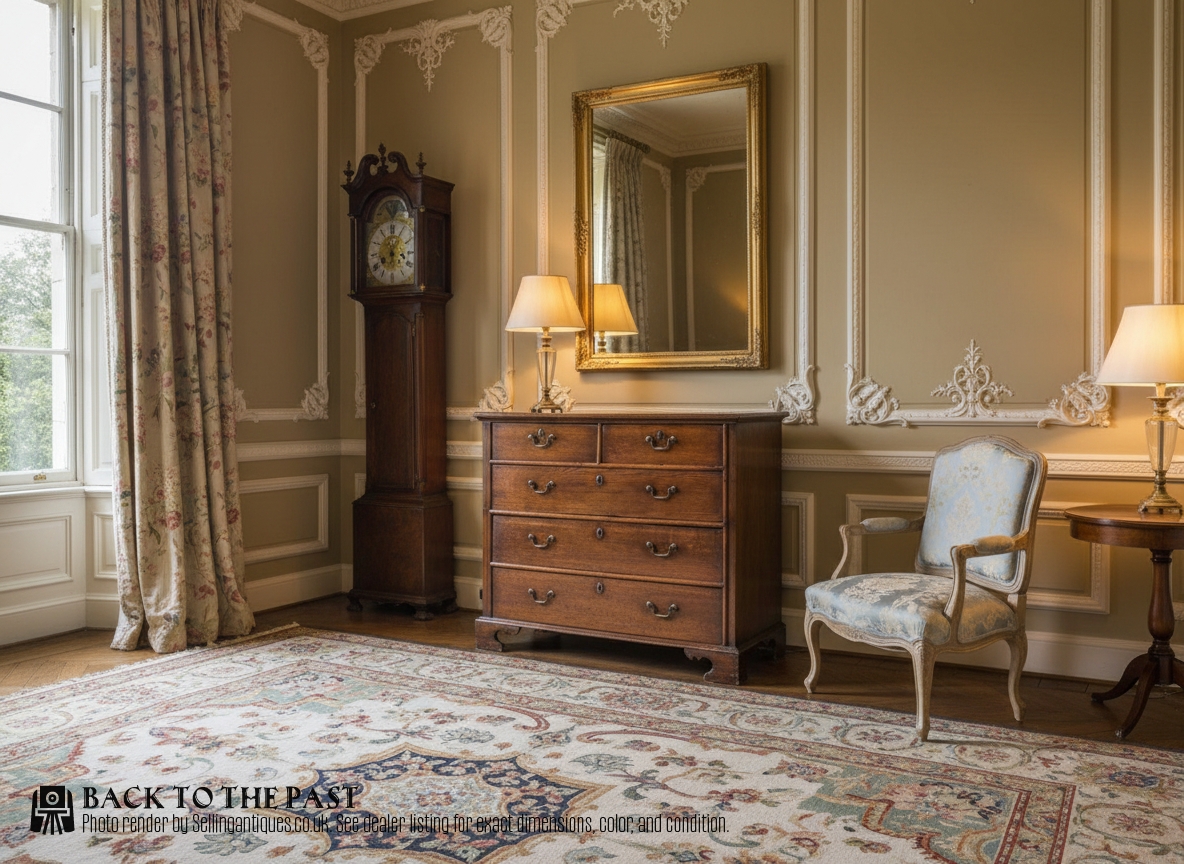
Materials and construction methods
Construction relies heavily on solid oak, frequently accompanied by secondary timbers like chestnut or ash, and finished with treatments such as liming, bleaching, or waxing. Structural integrity often stems from robust joinery designed to endure daily use.
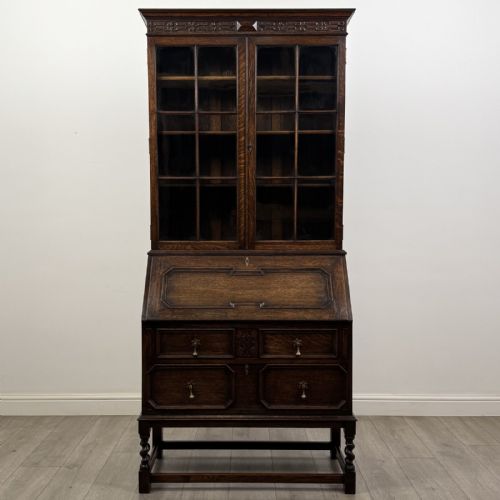
Hardware details incorporate brass, iron, and metal fittings that complement the heavy timber frames. Glass panels and leather inserts appear on specific desks, bookcases, and writing tables.
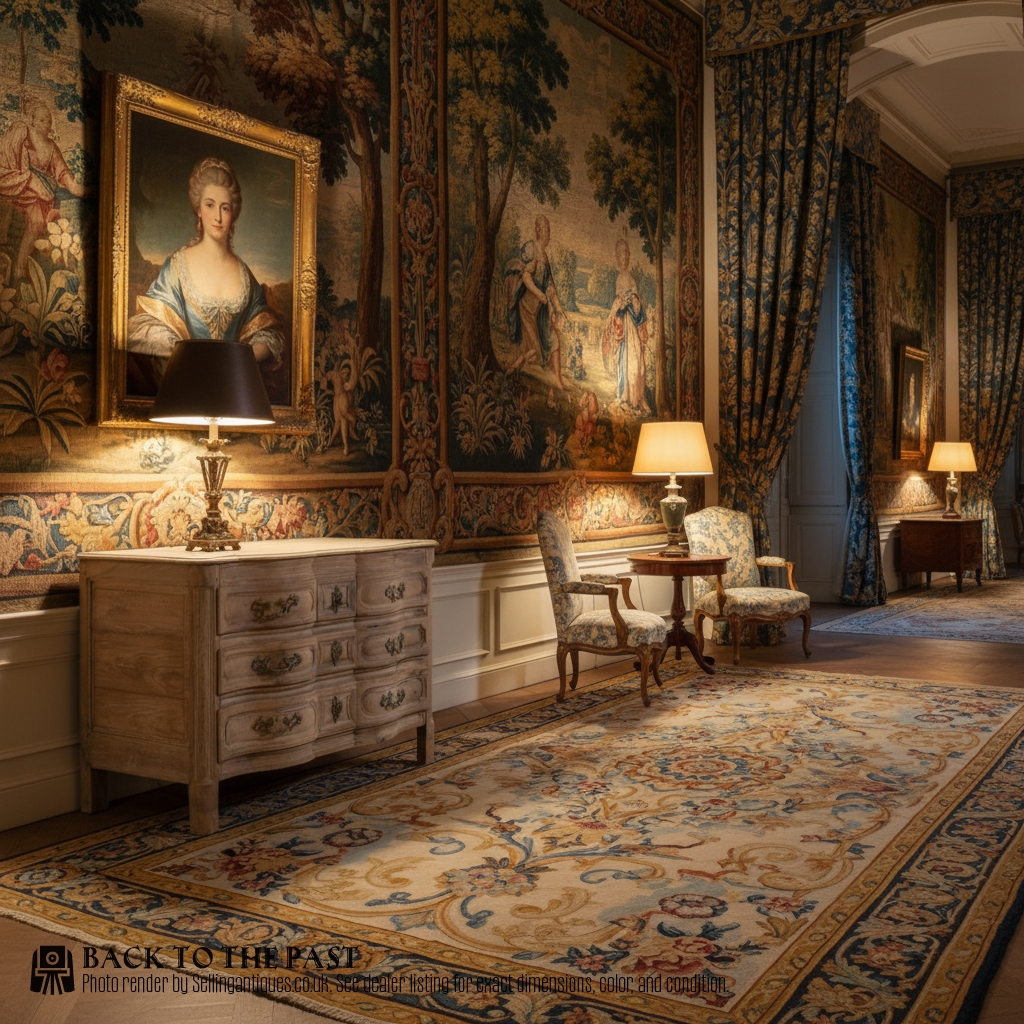
Assessing build and design quality
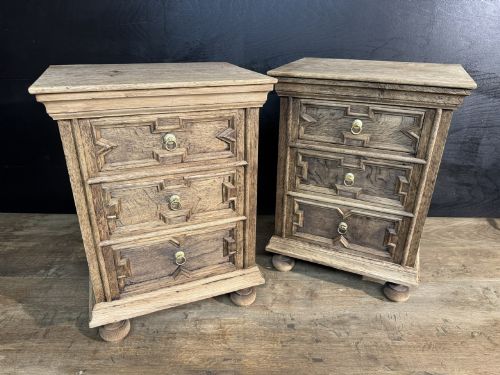
Quality differences rest largely in the fineness of the timber selection, the crispness of carved details such as linenfold panels or grotesque masks, and the integrity of the original hardware. Superior pieces display thoughtful proportions and careful execution across every visible surface.
Makers and regional origins also influence standing, with labelled items from established workshops or distinct continental pieces commanding greater interest. The overall harmony of the design, from Arts and Crafts simplicity to elaborate revival styles, dictates the relative success of each piece.
Vintage Oak Drawers Retail Price Guide 2026
Typical asking prices for vintage oak drawers among the pieces listed under this phrase on Sellingantiques today, from the lower quarter to the upper quarter. They describe what is for sale here now, not the wider market.
Listings feature oak alongside complementary materials like brass, iron, leather, and glass across multiple centuries.
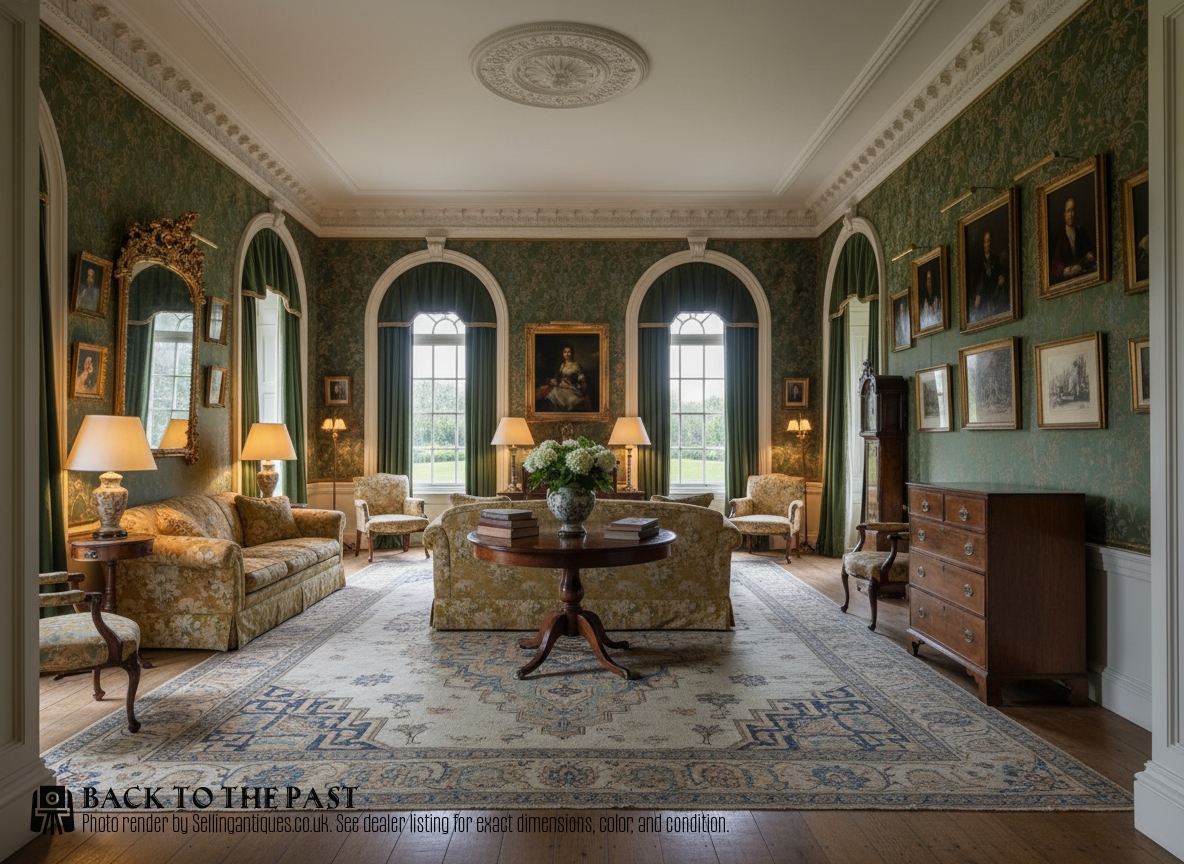
Heals of London
The Vintage Oak Drawers Glossary
- Bureau
- A sloping desktop hinged to open over a bank of drawers or pigeonholes. This form combines a writing surface with concealed storage.
- Tambour
- A sliding door constructed from narrow vertical strips of wood glued to a flexible fabric backing. It allows smooth access to filing cabinets and small compartments.
- Lowboy
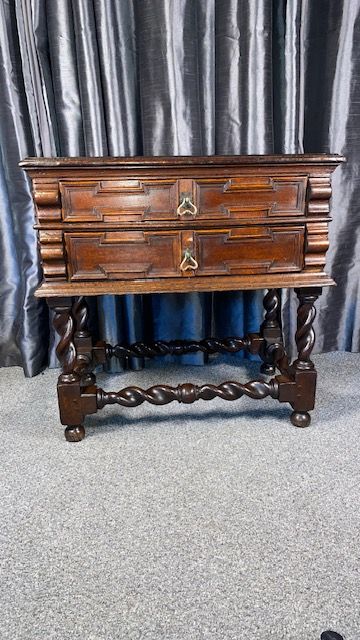
- A small side table featuring one or more rows of drawers beneath the top surface. Originating in earlier periods, these compact tables served various domestic purposes.
- Kneehole desk
- A freestanding desk with a central recess for the user's legs, flanked by pedestals of drawers. This layout provides balanced storage and workspace.
Vintage Oak Drawers: Frequently Asked Questions
How do I identify Edwardian oak drawers?
Edwardian pieces often feature lighter timber tones and simpler hardware compared to their darker Victorian predecessors. They frequently incorporate stylistic nods to earlier periods while maintaining practical proportions for domestic spaces.
Examining internal drawer construction and finish helps confirm the early twentieth-century origin.
What is a tambour front filing cabinet?
A tambour front cabinet uses flexible wooden slats running in a track to conceal interior drawers or pigeonholes. This mechanism allowed office furniture to save space by eliminating swinging doors.
Such pieces represent the intersection of practical commercial design and traditional cabinet making.
How should I care for antique oak furniture?
Maintain the timber by applying appropriate wax finishes periodically and avoiding excessive exposure to direct sunlight or fluctuating heat sources. Gentle dusting with a dry cloth prevents dirt accumulation without harming the polished surface.
Keeping humidity stable protects the structural joins of older hardwood pieces.
What is the difference between a bureau and a desk?
A bureau specifically includes a sloping lid that drops down to reveal a writing interior complete with small compartments and drawers. A standard writing desk offers an open flat surface, sometimes accompanied by stationary drawers beneath.
Both forms utilise robust oak construction to provide stable working spaces.