

Oak Bedroom Furniture
Oak bedroom furniture brings together solid timber and enduring utility, offering practical storage through pieces built to last generations.
What these pieces are
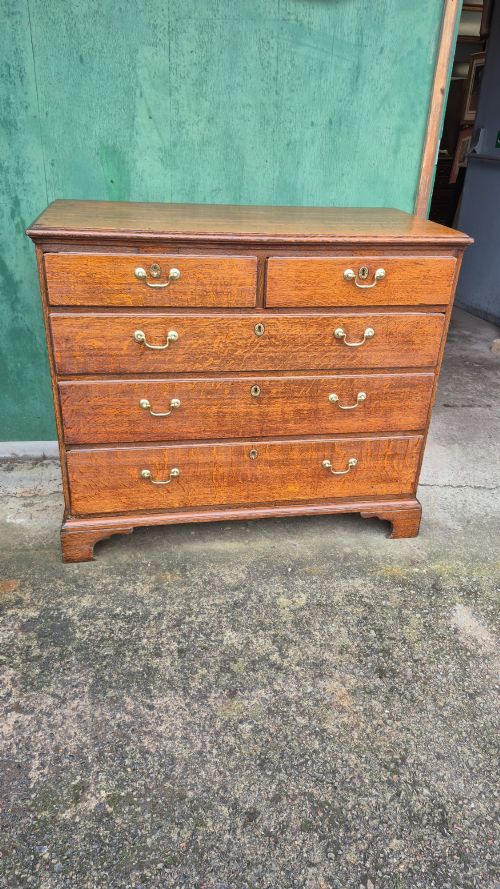
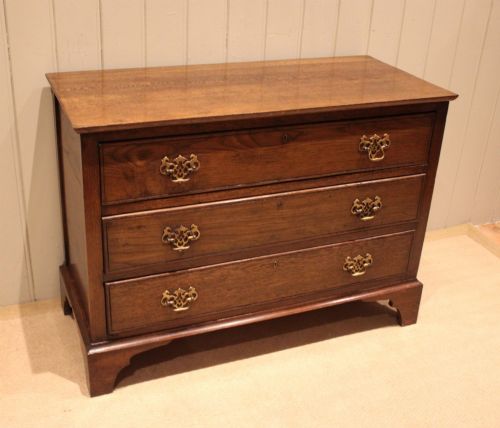
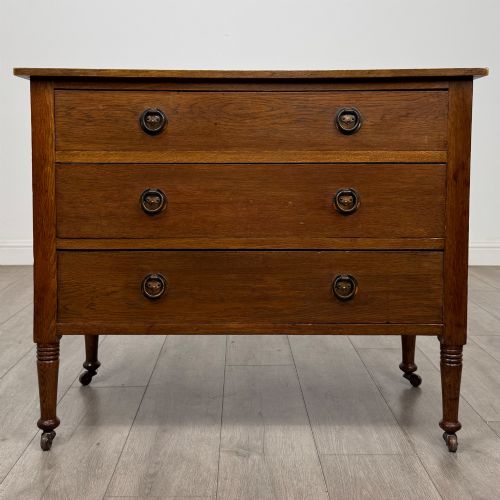
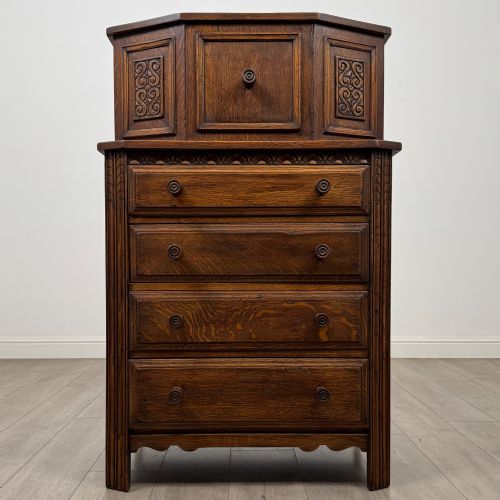
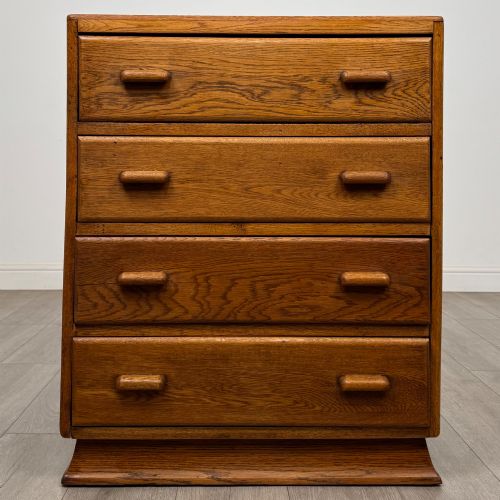
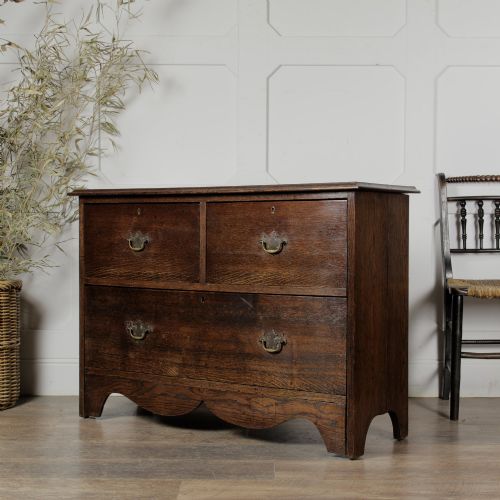
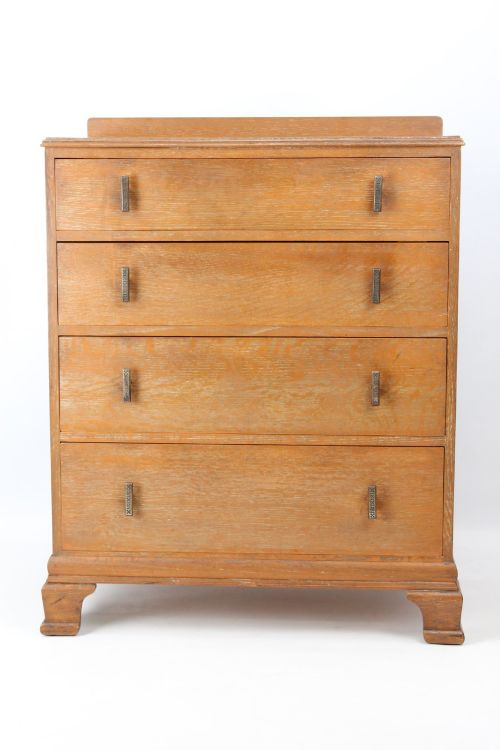
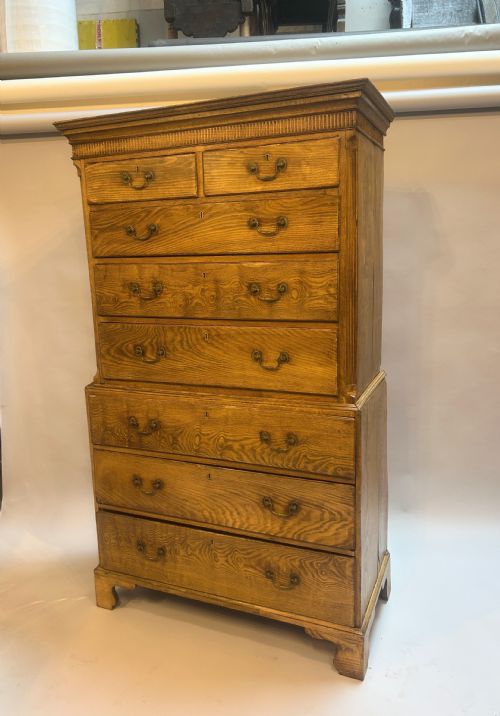
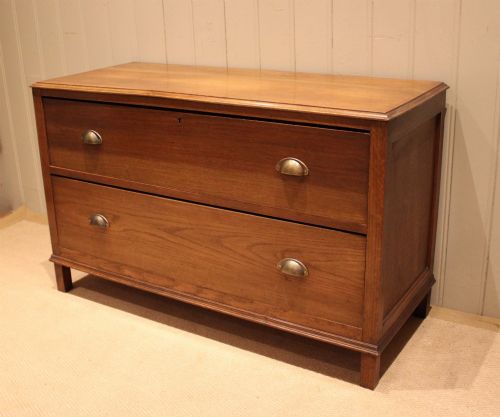
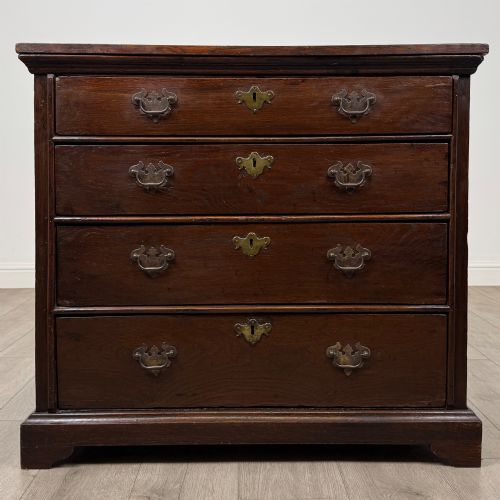
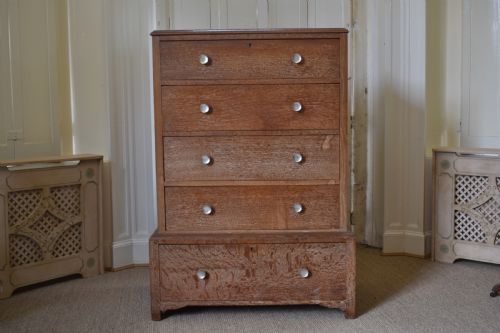
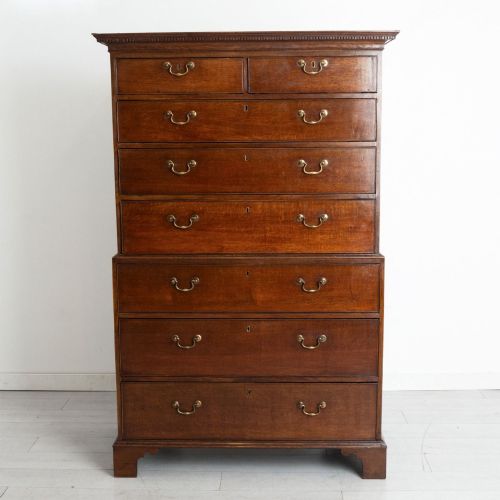
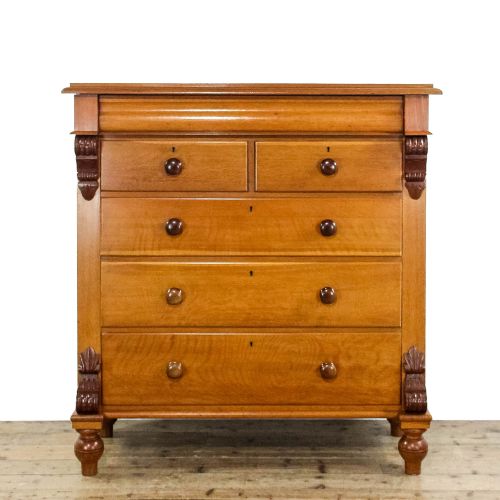
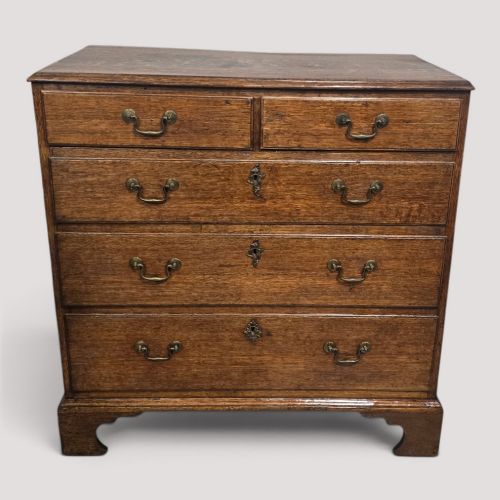
Oak bedroom furniture encompasses chests of drawers, wardrobes, dressing tables, and bedside chests originating from the seventeenth century through to the Edwardian period. Buyers searching for oak bedroom furniture will most frequently encounter sturdy chests of drawers alongside matching suites from the late nineteenth and early twentieth centuries. These functional pieces range from simple English country designs to more elaborate Gothic Revival and Arts and Crafts examples.
The material gives these items a distinct character, appearing in honey tones, dark antique shades, and golden oak finishes. Forms vary from low and large chests to paired bedside cabinets and combined wardrobe and dressing table sets. Their survival across centuries demonstrates their initial utility and enduring appeal for domestic spaces.
How they were made
These items rely primarily on solid oak, frequently partnered with secondary timbers such as ash, alongside brass and metal hardware for handles and fittings. Glass also appears where mirrors are integrated into larger dressing tables and wardrobes. Construction methods focus on traditional joinery that accommodates the natural movement of timber over decades of use.
Surface treatments and hardware highlight the period aesthetic, ranging from plain wooden drawer pulls to decorative brass and metal mounts. The combination of dense oak and robust fixings ensured these wardrobes and chests could withstand daily domestic demands.
Retail Price Guide 2026
Typical UK retail prices for oak bedroom furniture, calculated from the Sellingantiques database of over a million retail prices indexed since 2003. This retail price guide relies exclusively on Sellingantiques data; no external sources or auction records are used, so the figures do not describe the wider market.
Listings feature oak, ash, brass, metal, and glass across pieces dating from the seventeenth century to 1910.
What varies in quality
Quality in these pieces is dictated by the ambition of the design and the refinement of the timber selection. Plain country pieces prioritize utilitarian strength, whereas items associated with known workshops display greater attention to grain, hardware, and carved detail. The integration of secondary woods like ash and the complexity of styles, such as Gothic Revival or Arts and Crafts, shift an item from a simple utility to a considered design.
The cohesion of a suite, where wardrobes and dressing tables share a unified decorative vocabulary, represents a higher tier of production. Subtle variations in the handling of the golden oak finishes and the quality of the brass and metal fittings further separate standard domestic items from finer examples.
Shapland & Petter
The Oak Bedroom Furniture Glossary
- Oak
- A dense, durable hardwood prized for its strength and prominent grain patterns, forming the primary material for these pieces.
- Ash
- A tough pale timber frequently utilised alongside oak in nineteenth-century cabinetmaking for secondary components and contrasting details.
- Arts and Crafts
- A design movement emphasising handcraftsmanship, simple construction, and vernacular traditions, visible in late nineteenth-century pieces.
- Gothic Revival
- A style drawing on medieval architectural motifs, characterised by pointed arches, heavy mouldings, and structural verticality.
- Edwardian
- The period spanning the reign of King Edward VII, noted for lighter proportions and refined domestic furnishings.
Frequently Asked Questions
What periods do these pieces cover?
The available selection spans from the seventeenth century through the eighteenth and nineteenth centuries up to Edwardian and 1910 productions.
This broad timeline means buyers can find everything from early vernacular country house pieces to late Victorian and early twentieth-century bedroom suites.
How do I identify Arts and Crafts pieces?
Arts and Crafts items often showcase honest construction methods, simpler lines, and materials like oak and ash without excessive ornamentation.
These pieces typically date from the late nineteenth century and focus on functional utility combined with thoughtful design.
What styles are common in this furniture?
Common styles include English Country, Gothic Revival, and Arts and Crafts, alongside Georgian influences.
Each style brings distinct decorative details, from heavy pointed arches in Gothic pieces to the clean, practical forms of country furniture.
Are matching bedroom suites available?
Yes, comprehensive sets combining wardrobes and pedestal dressing tables appear alongside individual chests of drawers and bedside cabinets.
These suites provide a unified aesthetic for a room, often featuring matching timbers and coordinated hardware.