






Pair Oak Bedside Tables
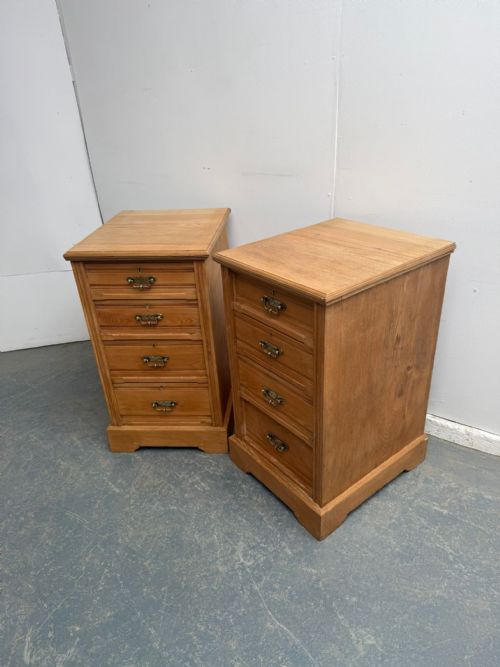
Pair oak bedside tables bring matched timber and proportion to a bedroom, offering sturdy storage beside the bed in styles ranging from French Provincial to Art Deco.
Pair Oak Bedside Tables
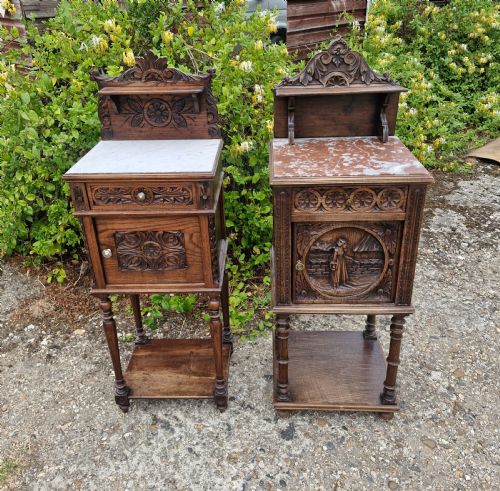
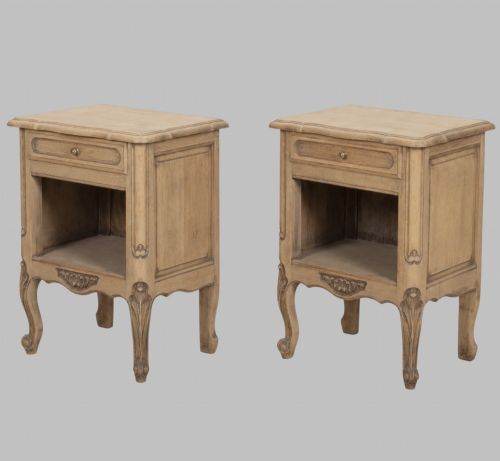
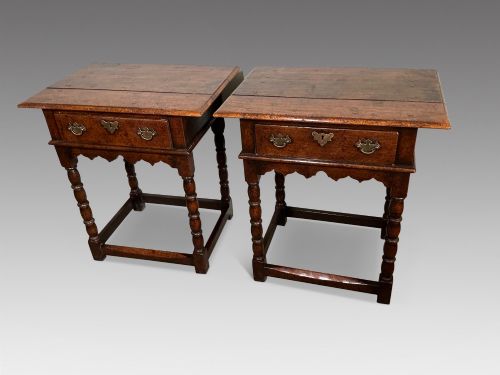
Pair oak bedside tables encompass matching small cabinets, chests of drawers, and cupboards designed to flank a bed, appearing frequently in French styles alongside English vernacular forms. The items span the nineteenth and twentieth centuries, taking the form of enclosed bedside cabinets, open side tables, and marble-topped nightstands.
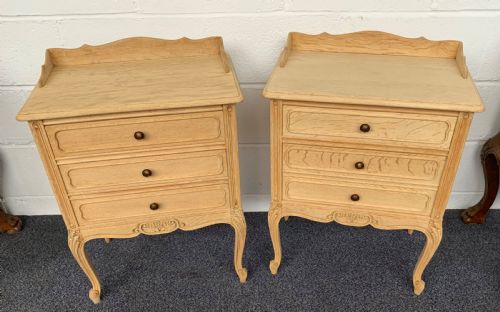
Buyers seeking this phrase encounter pieces dating from the Victorian era through to the 1950s, with robust construction in dark or bleached oak. Many examples reflect regional European aesthetics, including French Country, Art Deco, and Gothic Revival movements.
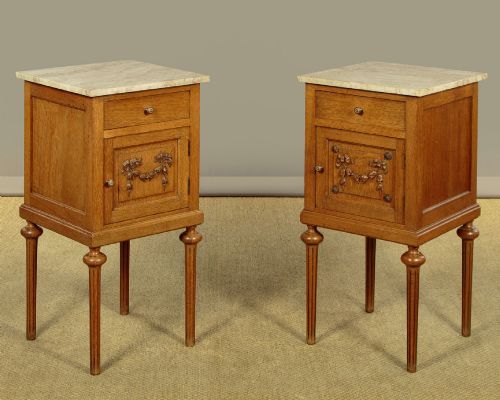
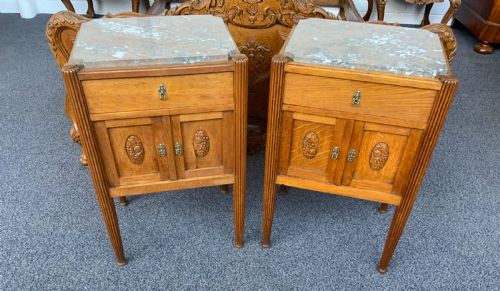
The selections range from simple panelled cupboards to ornate carved designs featuring brass handles and fitted marble tops. These pieces serve both practical storage needs and decorative symmetry in traditional or modern interiors.
How they were made
Makers utilised solid oak, often combined with ash or pine for internal framing, alongside auxiliary materials like heavy marble slabs for tabletops and brass for decorative hardware. Timber surfaces were treated with wax finishes, liming techniques, or bleaching processes to achieve lighter tones during the twentieth century.
Construction methods relied on traditional joinery techniques, visible in dovetailed drawer boxes and panelled cabinet doors designed to accommodate wood movement. Carved ornamentation, when present, was executed by hand directly onto the solid oak framework.
The selection includes various periods, stretching from nineteenth-century Gothic Revival and Victorian designs through to Art Deco and mid-century French bleached oak variants.
What varies in quality
The standard of execution depends on the crispness of carved details and the careful selection of matched oak grain across both pieces in the pair. Finer examples maintain structural integrity without warping, utilising thick marble tops that fit precisely within their wooden rebates.
Proportion and matching determine the distinction between standard utility furniture and superior cabinet-making. A well-matched pair demonstrates consistent timber colour, original hardware, and balanced proportions that reflect intentional workshop pairing rather than accidental assembly.
Bath Cabinet Makers·Gordon Russell·Heals
The Pair Oak Bedside Tables Glossary
- Bleached oak
- Timber treated with chemical agents to lighten its natural colour, a finish popular in twentieth-century cabinet design. This process highlights the open grain of the wood while removing darker factory tones.
- Art Deco
- A design style from the 1920s and 1930s characterised by geometric symmetry, streamlined forms, and minimal ornamentation. In bedside tables, this often appears through clean rectangular carcases and stepped details.
- Marble top
- A stone slab fitted to the upper surface of a cabinet to provide a durable, heat-resistant shelf. These tops are commonly found in white or grey varieties on French bedside pieces.
- Arts and Crafts
- A movement prioritising traditional craftsmanship and visible construction over industrial mass production. Pieces from this tradition often feature waxed oak, exposed joinery, and functional simplicity.
- Gothic Revival
- An architectural style applied to furniture during the nineteenth century, featuring pointed arches, tracery, and heavy carved mouldings. Cabinets in this style display dramatic vertical lines and dark finishes.
Pair Oak Bedside Tables: Frequently Asked Questions
How do I match mismatched tables?
Achieving symmetry with separate pieces relies on matching the approximate height, timber tone, and period characteristics rather than demanding identical carving. Pairing items through similar finishes or complementary hardware creates a balanced look across the bed.
Placing items of similar proportion on either side of the bed anchors the visual weight of the sleeping space. Small discrepancies in height can sometimes be adjusted with discreet feet or placement.
Are marble tops original?
Marble slabs on bedside cabinets were typically fitted during manufacture to provide a durable surface for water jugs and lamps. Many French designs incorporated these stone inserts as a standard feature of the period.
Examining the rebate where the marble sits helps determine originality, as the wood should show appropriate wear matching the rest of the carcase. Replacement marble is common but usually identifiable by cleaner edges and unblemished undersides.
How do I care for waxed oak?
Maintaining waxed oak involves regular dusting with a soft cloth and occasional application of quality beeswax to nourish the timber. Avoiding silicone-based polishes prevents a synthetic buildup that dulls the natural grain over time.
Keeping wooden furniture away from direct heat sources and strong sunlight preserves the moisture balance of the oak. Promptly wiping away moisture protects both the wax finish and the underlying wood from staining.
What is limed oak?
Limed oak is a treated wood finish where a white pigment is rubbed into the open pores of the timber to create a pale, textured appearance. This technique gained popularity during the early twentieth century for modern interiors.
The resulting finish accentuates the natural grain pattern of the oak while lightening the overall tone of the furniture. It requires gentle cleaning to avoid disturbing the pigmented filler within the grain.