


Vintage Bedside Cupboards
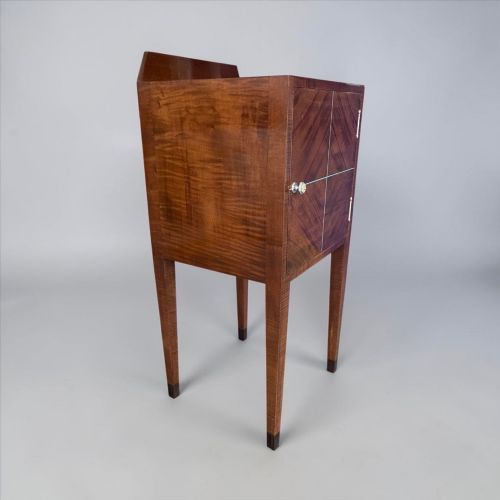
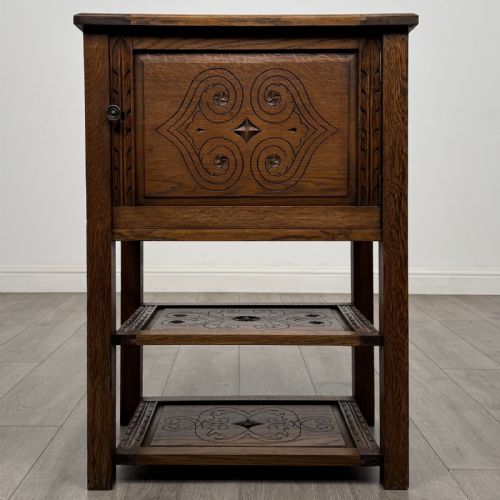
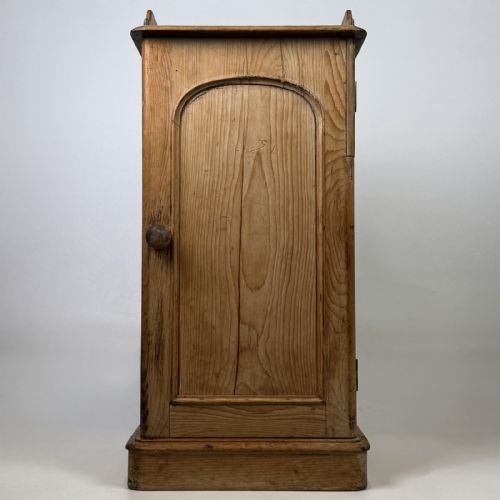
These vintage bedside cupboards span Victorian utility, Edwardian mahogany, and Art Deco walnut to organise the night space with period character.

Vintage Bedside Cupboards
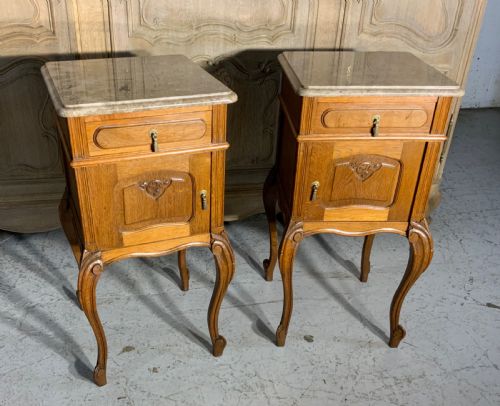
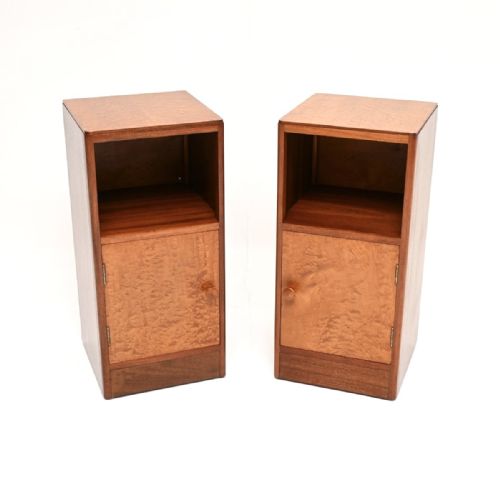
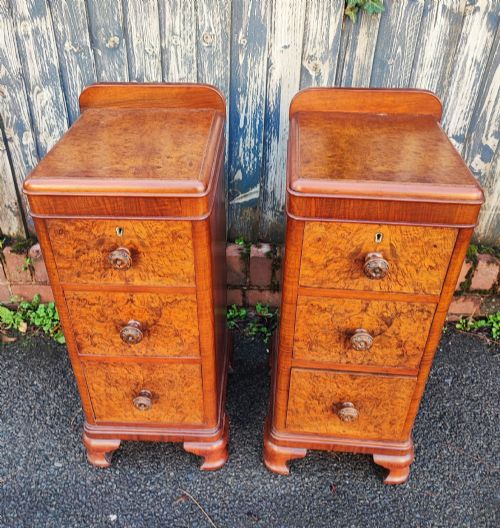
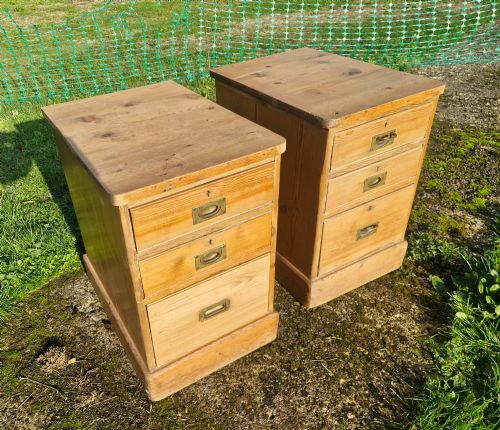
Vintage bedside cupboards provide enclosed night storage beside a bed, spanning forms from simple pot cupboards to pedestal cabinets and lamp tables. When searching for vintage bedside cupboards, a buyer encounters pieces originating from the nineteenth century through the Edwardian era and into the nineteen-thirties.
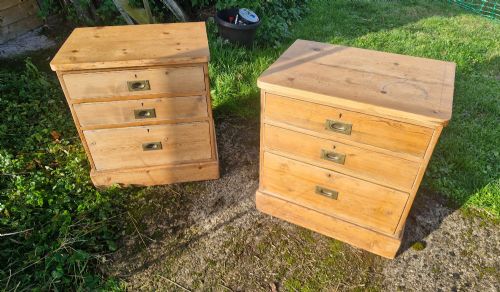
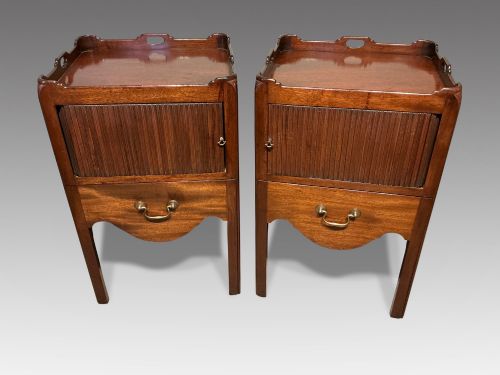
Edwardian mahogany and satinwood examples appear frequently alongside Victorian pine and nineteenth century oak pieces. Art Deco walnut designs and French side cabinets also populate the selection, offering varying heights and footprints for domestic sleeping quarters.
How they were made
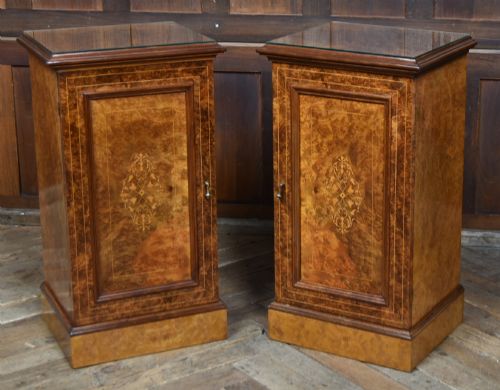
Cabinet makers utilised solid timbers including mahogany, walnut, oak, cherrywood, and pine, often applying figured veneers such as satinwood and burr walnut to visible surfaces. Marquetry inlay, carving, and painted decoration add surface detail to many examples.
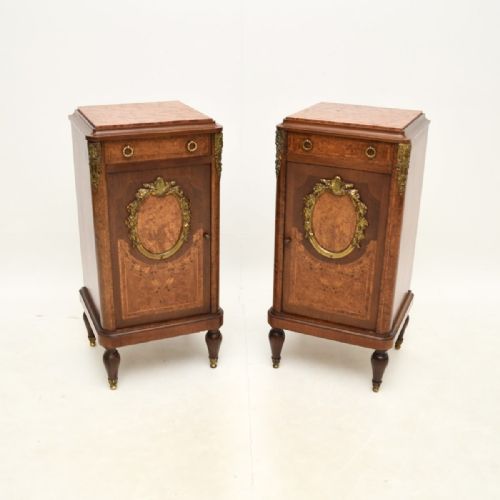
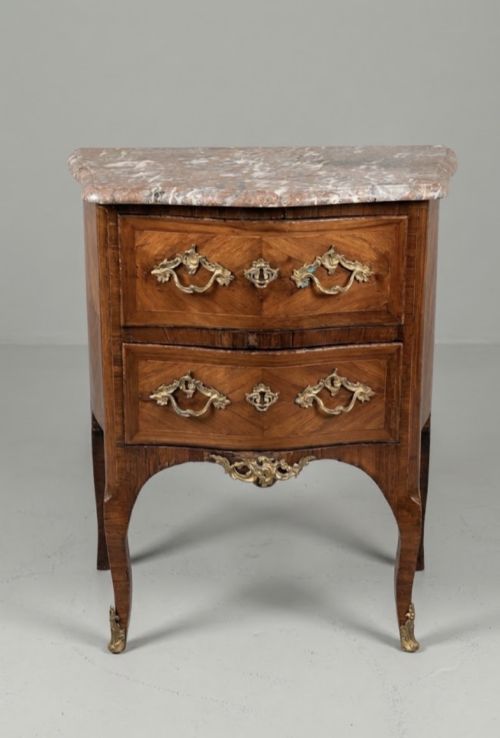
Functional tops incorporate inset marble slabs for durability, while brass handles and hardware finish doors and drawers. Construction relies on traditional joinery techniques suited to small-scale case furniture.
Vintage Bedside Cupboards Retail Price Guide 2026
Typical asking prices for vintage bedside cupboards among the pieces listed under this phrase on Sellingantiques today, from the lower quarter to the upper quarter. They describe what is for sale here now, not the wider market.
What varies in quality
Quality rests upon the selection of timber veneers and the precision of the marquetry or inlay work. Subtle details such as serpentine drawer fronts, carved mouldings, and matching pairs distinguish finer examples from utilitarian pieces.
The integrity of marble tops and the crispness of brass hardware also separate standard production from superior craftsmanship.
Denby and Spinks
The Vintage Bedside Cupboards Glossary
- Pot cupboard
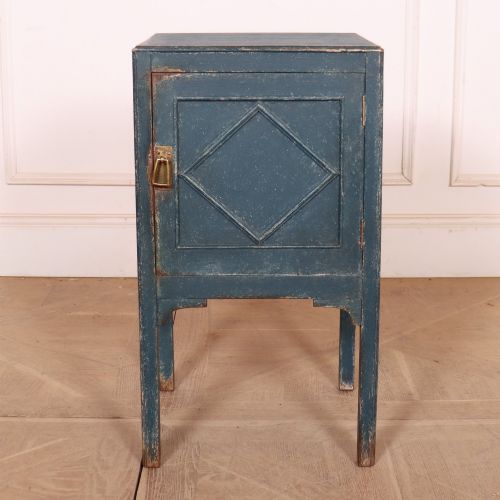
- A small bedside cabinet originally designed to house a chamber pot. These compact units usually feature a single door enclosing a shelf.
- Pedestal cabinet
- A tall, narrow freestanding cupboard designed to sit beside a bed. They often include a single door above or below a small drawer.
- Marquetry
- Decorative veneer work arranged in pictorial or geometric patterns using various coloured woods. It appears frequently on Edwardian and Art Deco cabinet doors.
- Serpentine
- A gently curved furniture front featuring a convex centre flanked by concave curves. This contour appears on select mahogany lamp chests.
- Satinwood
- A lustrous, fine-grained yellow timber utilised for veneers and inlay on eighteenth and nineteenth-century furniture. It brings a bright reflective quality to cabinet surfaces.
Vintage Bedside Cupboards: Frequently Asked Questions
How do I care for antique wood bedside cabinets?
Dust regularly with a soft, dry cloth and apply a quality beeswax periodically to nourish the timber and veneer. Avoid placing wooden cabinets in direct sunlight or near heat sources to prevent cracking.
Marble tops benefit from prompt wiping to prevent staining from water glasses.
Are vintage bedside cupboards sold as pairs?
Many Edwardian, Art Deco, and twentieth-century bedside cabinets survive and are offered as matching pairs. Single cupboards also appear frequently for standalone placement.
Pairs command distinct attention for symmetrical bedroom layouts.
How can I tell an Edwardian bedside cabinet from a Victorian one?
Edwardian pieces often utilise lighter satinwood veneers, delicate string inlay, and refined mahogany frames dating from nineteen hundred onwards. Victorian examples tend to employ heavier timbers like solid mahogany or pine with simpler panelled doors.
Proportions and hardware styles help differentiate the two nineteenth and early twentieth-century periods.