
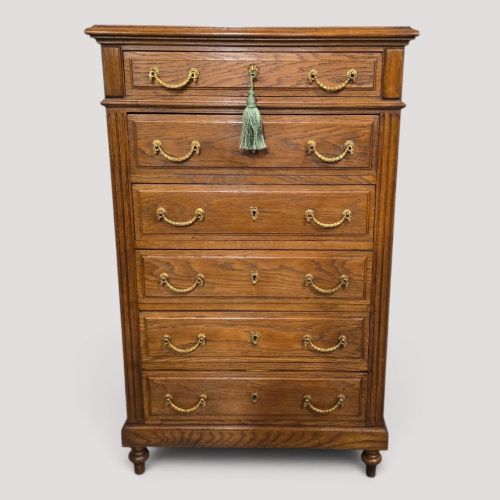
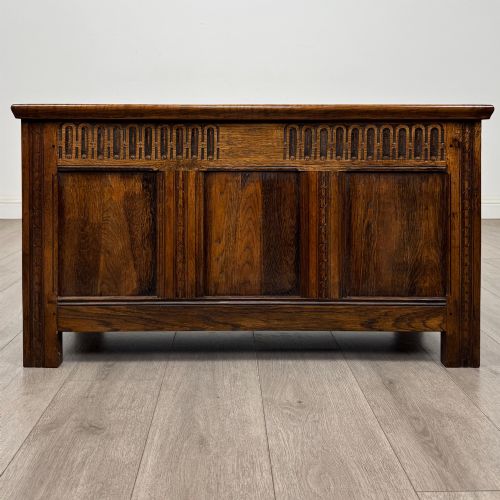
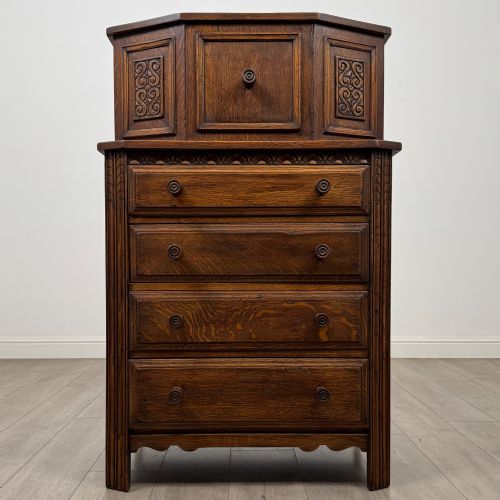
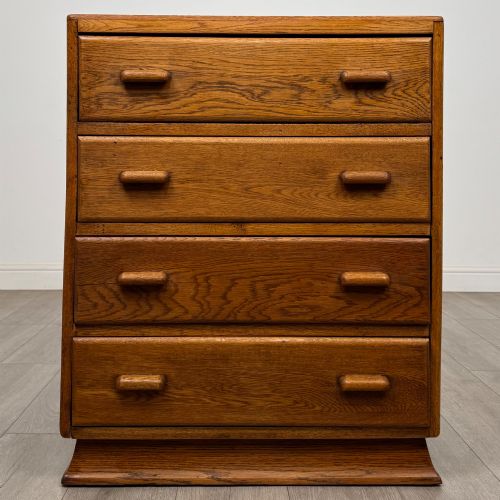
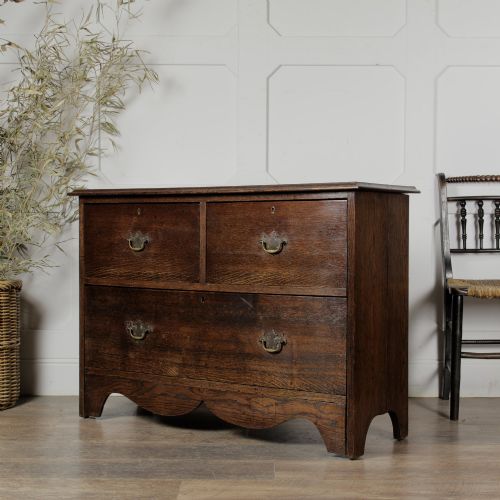
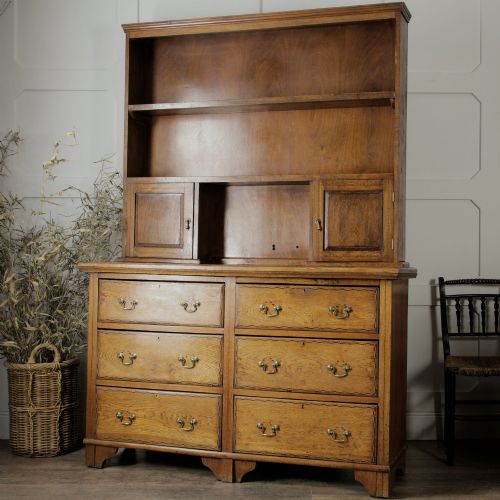
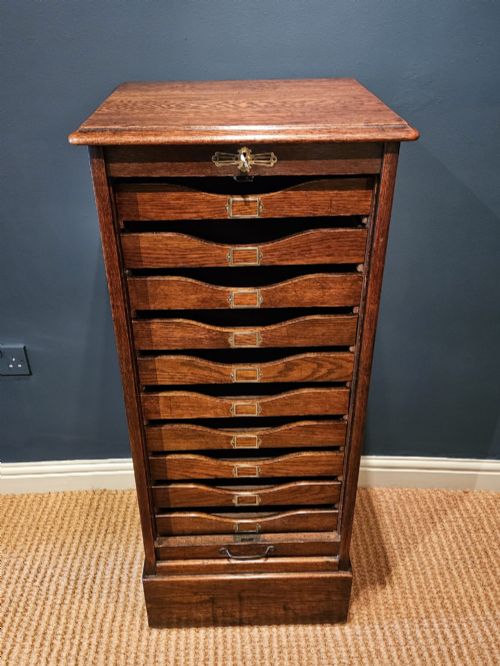

Vintage Oak Chest
A vintage oak chest brings domestic storage from past centuries into a modern room with solid timber and honest grain.
Vintage Oak Chest
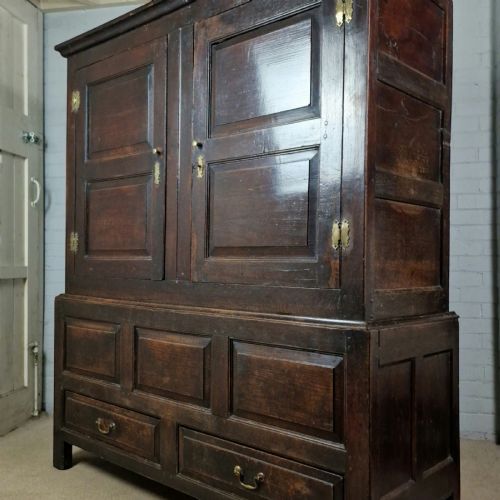
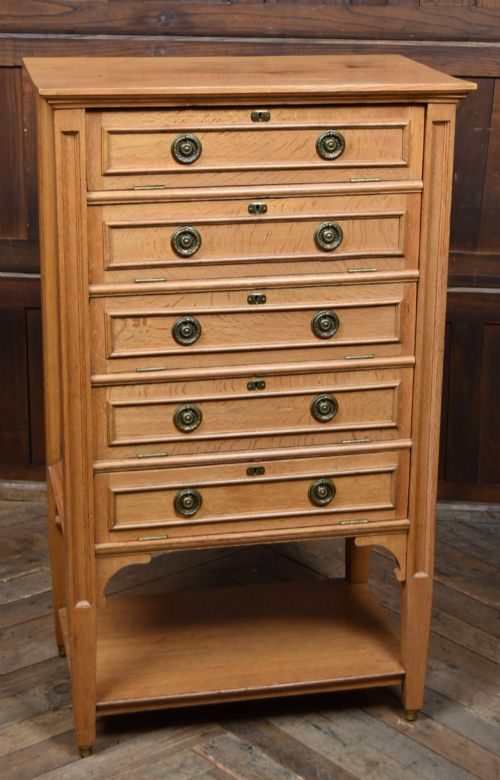
A vintage oak chest encompasses practical utility furniture built from solid timber across multiple eras, including Edwardian, Victorian, and Georgian periods. When searching for a vintage oak chest, buyers encounter utilitarian drawer units, blanket boxes, coffers, and filing cabinets shaped by diverse regional aesthetics.
The selection ranges from early eighteenth-century country pieces and tallboys to twentieth-century limed and bleached iterations. Edwardian and 1930s examples dominate the available forms, often displaying regional styles from English country to Jacobean Revival and Art Deco.
How they were made
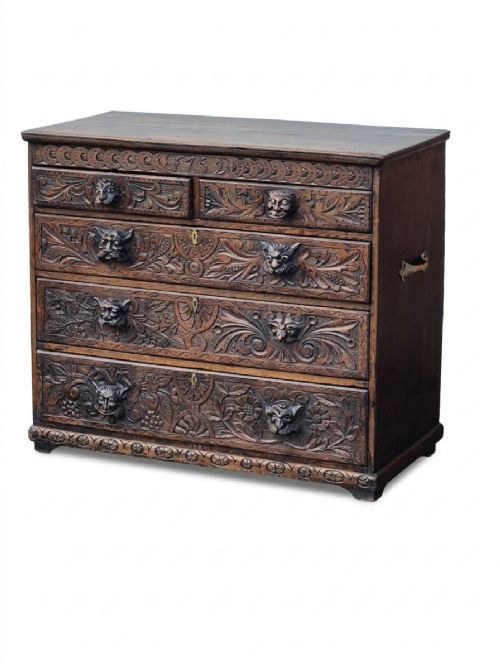
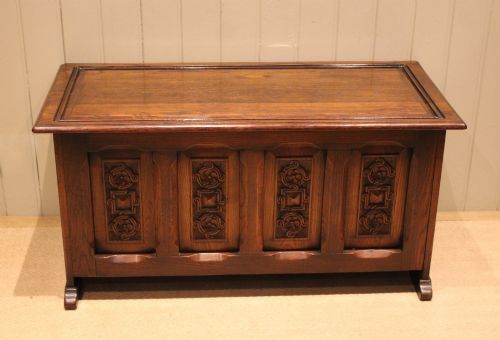
These items rely principally on solid oak, supported by secondary structural woods and finished with brass or iron hardware such as handles, hinges, and lock plates. Artisans utilised traditional joinery methods to build durable carcasses, frequently incorporating carved details like linenfold panels or Green Man grotesques.
Surface treatments vary widely from natural waxed finishes to limed, bleached, or polished coatings that highlight the distinct grain patterns of the timber. Glass elements appear occasionally on specialised dry bar pieces, while interior drawer dividers demonstrate meticulous carpentry.
One unexpected Victorian drawer unit guards its contents with a carved Green Man grotesque peering directly from the woodwork.
What varies in quality
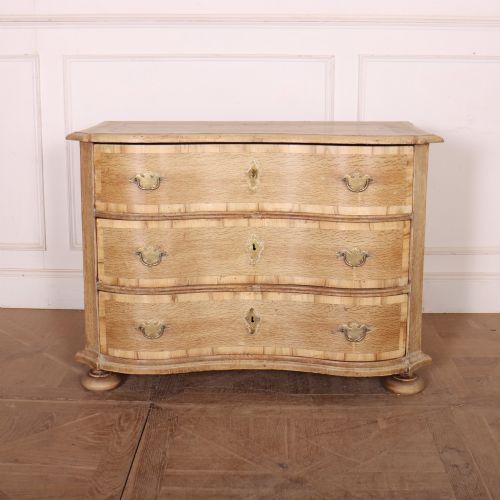
Quality in these storage pieces rests upon the integrity of the timber selection, distinguishing solid honey or blonde oak construction from lesser veneered alternatives. Superior examples show careful matching of grain across drawer fronts and thoughtful integration of decorative carving rather than hurried surface ornamentation.
The refinement of internal mechanics, such as smooth-running drawers and original brass fittings, separates standard utility furniture from finer workshop productions. Proportion and structural balance also dictate standard, with well-balanced proportions elevating pieces originating from provincial workshops.
The Vintage Oak Chest Glossary
- Coffer
- A large wooden chest traditionally used for storing valuables, textiles, or documents. These storage boxes often feature hinged lids and robust framing.
- Jacobean Revival
- A nineteenth and twentieth-century design style emulating seventeenth-century English architecture and furniture. Pieces in this aesthetic typically display heavy geometric mouldings and dark finishes.
- Linenfold
- A style of relief carving resembling folded parchment or linen, frequently seen on panelled doors and chest fronts. This decorative technique became popular during the Tudor period and found revival in later centuries.
- Tallboy
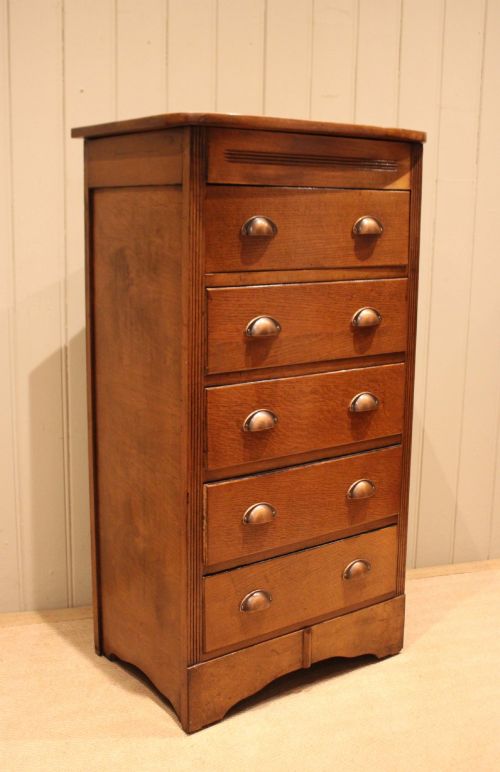
- A tall chest of drawers consisting of one chest stacked upon another, elevating storage capacity. This form provides substantial vertical presence in domestic interiors.
- Tantalus
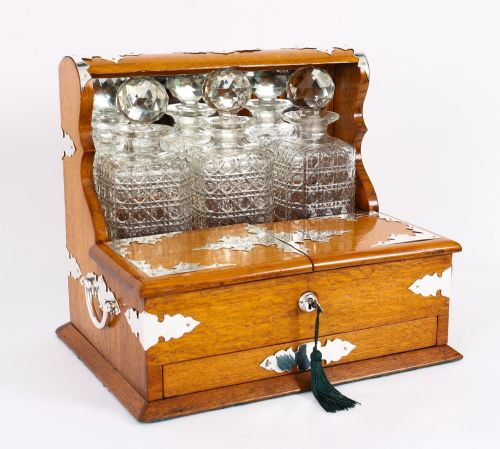
- A locking drink cabinet holding decanters securely visible behind a frame. These entertaining pieces emerged in the nineteenth century to protect contents from unauthorized access.
Vintage Oak Chest: Frequently Asked Questions
How do I date a timber chest?
Dating relies on examining construction techniques, hardware styles, and the specific timber preparation visible on the piece. Drawer linings, dovetail joints, and lock mechanisms offer reliable clues regarding the decade of manufacture.
Stylistic markers such as Edwardian linenfold carving or Art Deco geometric lines further anchor pieces within specific historical periods. Comparing secondary woods inside the carcass also helps confirm the era.
Where should I place my storage chest?
These versatile pieces suit living rooms, hallways, and bedrooms depending on their internal layout and overall dimensions. Blanket boxes work well at the foot of a bed, whilst drawer units function effectively as sideboards or bedside storage.
Keeping timber furniture away from direct heat sources prevents the wood from drying out or splitting over time. Positioning them where natural light falls across the surface also highlights the grain.
How do I maintain an antique wooden finish?
Routine care involves dusting with a soft, dry cloth to remove surface particles without abrasive friction. Periodic application of quality beeswax nourishes the timber and preserves the historical sheen.
Avoid using modern silicone sprays or harsh chemical cleaners that can degrade the original patina. Maintaining a stable room temperature protects the structural joints from seasonal expansion and contraction.
What is the difference between a coffer and a commode?
A coffer is a deep box with a top-opening lid, primarily designed for storing blankets, textiles, or household goods. They originate from earlier centuries and often feature heavy panel construction.
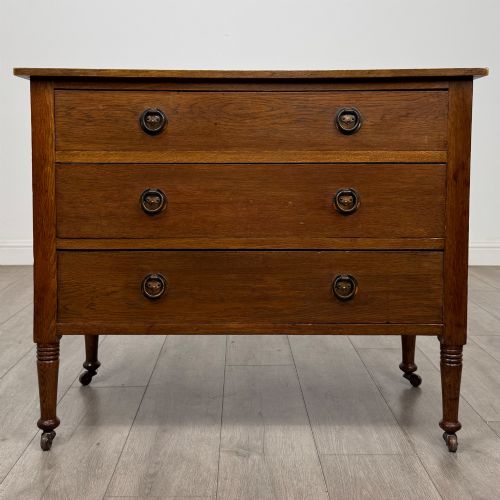
A commode generally refers to a low chest of drawers equipped with front-facing pulls, stemming from continental and later British urban cabinet making. Their internal configurations prioritize segmented organisation over open storage.