


Blanket Box
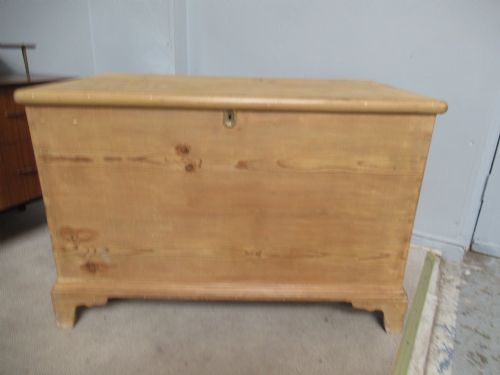
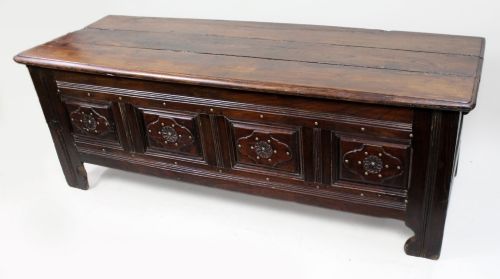
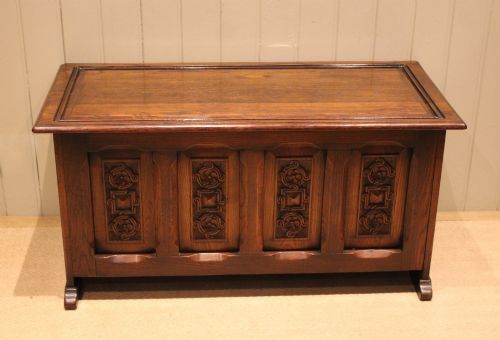
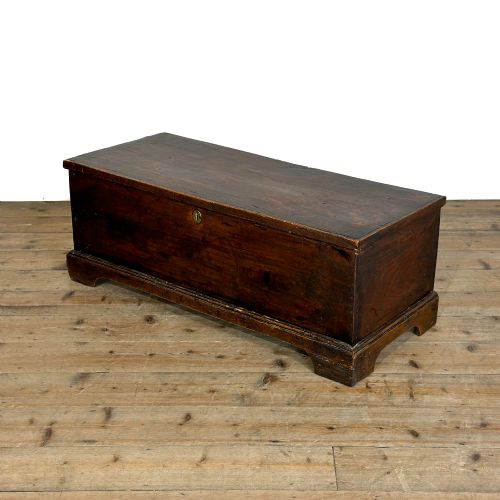
When you search for a blanket box, you are looking at sturdy timber receptacles built to hold linens and garments, prized for practical storage and period character.

What a blanket box is
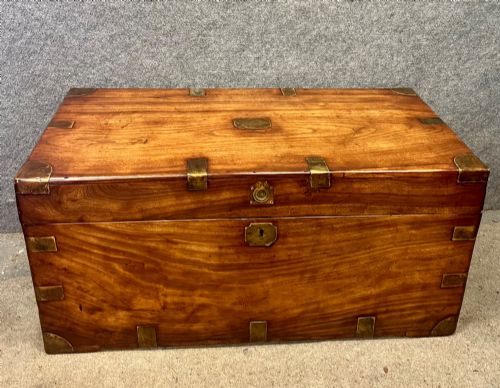
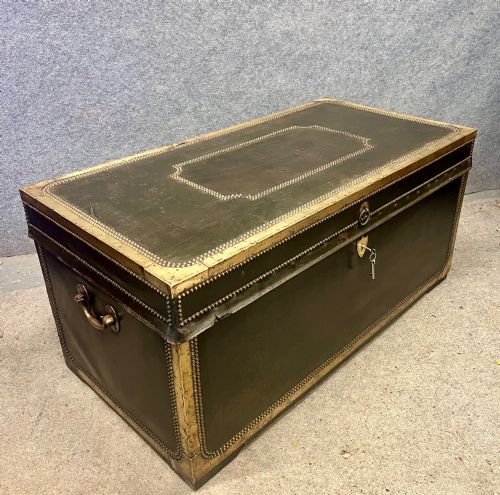
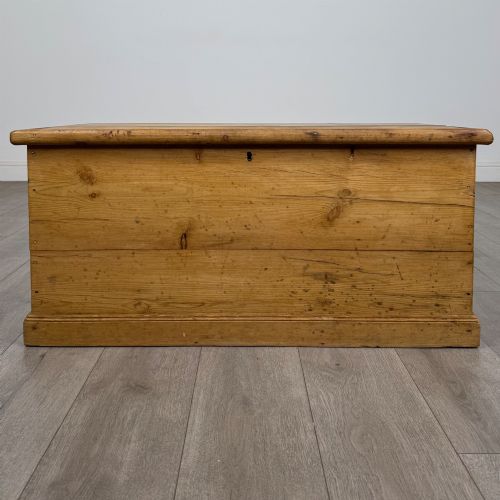
A blanket box serves as a functional storage receptacle, historically utilised for keeping textiles, linens, and garments safe from pests and dust. These pieces appear in various forms, including traditional coffers, storage chests, ottomans, and travel trunks.
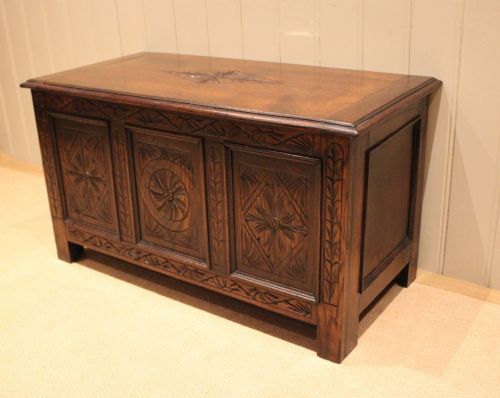
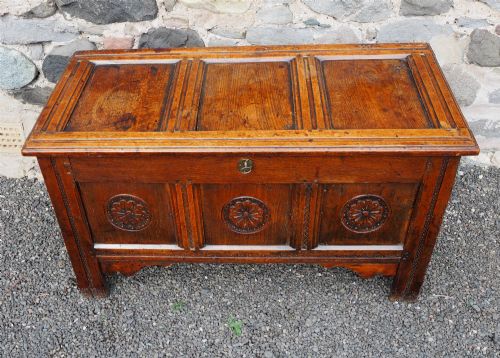
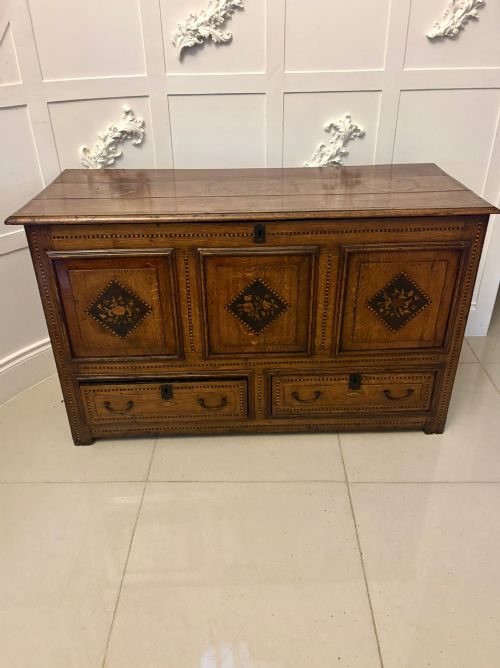
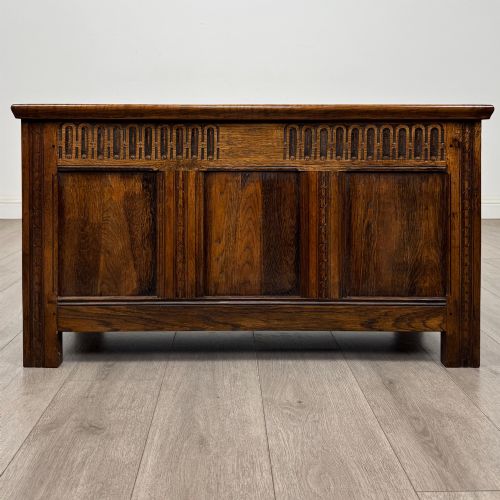
On this page, the blanket box most frequently appears in robust oak and pine, spanning centuries of British and international cabinet-making. Examples range from early sixteenth-century carved coffers and seventeenth-century joined oak pieces to nineteenth-century campaign trunks and twentieth-century Arts and Crafts designs.
Buyers encounter different regional interpretations and stylistic revivals, such as Jacobean Revival oak, Scandinavian painted pine, and exotic hardwoods like camphor wood, teak, and padouk. Each form reflects the domestic habits and prevailing aesthetic of its period of origin.
How they were made
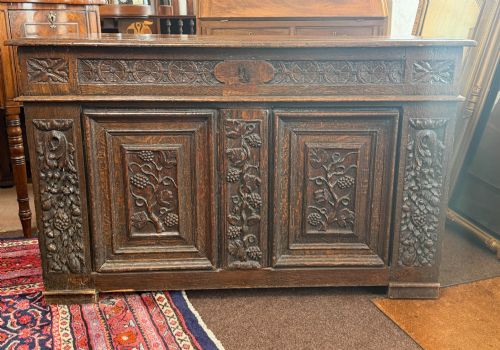
These chests rely primarily on solid timber construction, utilising oak, pine, elm, teak, camphor wood, and hardwood planks joined by traditional methods. Many seventeenth-century and revival pieces feature hand-carved panels, while utilitarian nineteenth-century examples often incorporate exposed dovetail joints.
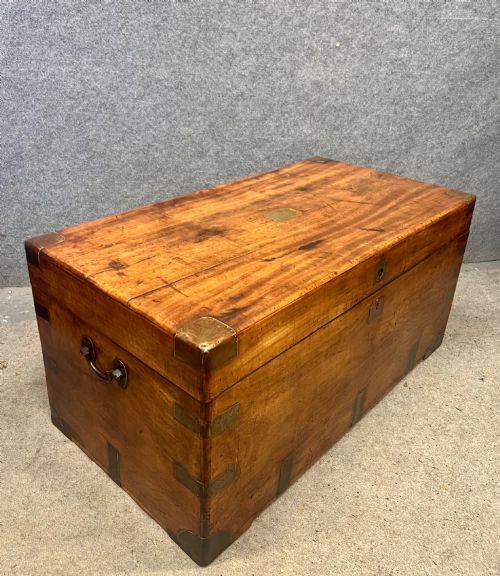
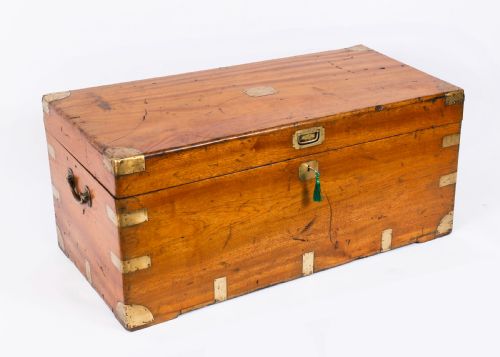
Metalwork plays a crucial structural and decorative role, with iron hinges, latches, bronze handles, and zinc linings appearing on campaign and travel trunks. Surfaces are finished in various ways, ranging from natural wax and polished grain to painted, ebonised, and scumbled treatments.
Retail Price Guide 2026
Typical UK retail prices for blanket box, calculated from the Sellingantiques database of over a million retail prices indexed since 2003. This retail price guide relies exclusively on Sellingantiques data; no external sources or auction records are used, so the figures do not describe the wider market.
Materials span oak, pine, elm, teak, camphor wood, iron, zinc, velvet, and tapestry.
What varies in quality
The distinction between standard utility pieces and finer examples rests on timber selection and the sophistication of construction. Superior pieces employ dense, well-figured woods like quarter-sawn oak, heavy teak, or seasoned elm, whereas simpler domestic storage boxes rely on utilitarian pine.
Hand-carved detailing, original ironwork, and intact period finishes elevate a piece significantly above plain, later-stripped alternatives. The integrity of the lid hinges, the absence of excessive timber warping, and the preservation of original paint or patination separate ordinary containers from collectible examples.
Hallett & Sons
The Blanket Box Glossary
- Coffer
- A heavy wooden chest traditionally used for holding valuables and textiles. These sturdy boxes frequently feature hinged lids and raised feet.
- Campaign trunk
- A portable storage chest designed for military officers on the move. They often incorporate brass corners, drop handles, and durable hardwood or metal linings.
- Scumbled finish
- A decorative paint technique applied to imitate the grain of more expensive timbers. Artisans dragged or brushed translucent glazes over a lighter base coat.
- Linenfold
- A style of wood carving that resembles folded parchment or linen cloth. This motif appears frequently on panels of sixteenth and seventeenth-century oak coffers.
- Bracket foot
- A furniture foot shaped like a bracket, supporting the base of a chest at the corners. It lifts the body slightly off the floor.
- Quarter-sawn
- A method of cutting logs radially to produce timber with enhanced dimensional stability. This technique creates a distinctive medullary ray figuring in oak.
Frequently Asked Questions
What is the difference between a coffer and a blanket box?
A coffer is an early form of heavy wooden chest, often joined with pegged framing and historically used for storing valuables as well as textiles. Over time, the terminology shifted toward blanket box to describe domestic chests specifically designated for bedding and linens.
While many early coffers double as blanket boxes due to their generous internal space, pieces explicitly labelled as trunks or boxes tend to reflect later utilitarian or travel purposes.
How do I care for an antique wooden chest?
Keep wooden storage chests away from direct heat sources and drastic humidity changes to prevent the timber from splitting or warping. Apply a neutral beeswax polish occasionally to nourish dry wood and maintain the surface sheen.
Avoid placing damp textiles directly inside older unlined timber boxes, as residual moisture can damage the interior grain over extended periods.
How can I date an old oak chest?
Dating relies on examining construction techniques, joinery methods, and the style of any carved ornamentation. Sixteenth and seventeenth-century pieces generally feature hand-riven oak panels, pegged mortise and tenon joints, and distinct period mouldings.
Later revival pieces from the nineteenth and twentieth centuries often display machine-sawn timber marks and standardised fixings hidden beneath historic styles.