


19th Century Trunk
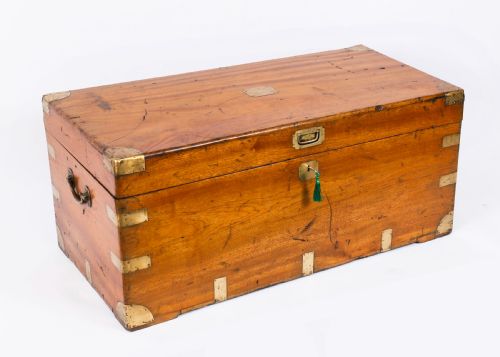
A 19th century trunk offers substantial storage and travelling history, spanning utilitarian pine boxes and brass-bound campaign pieces built for global transport.
19th Century Trunk
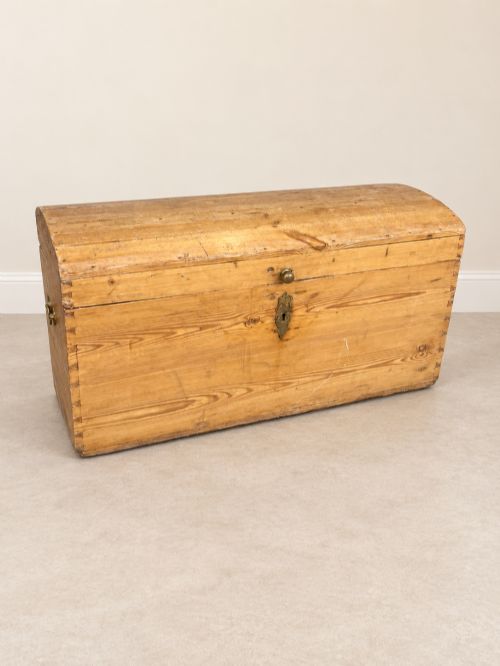
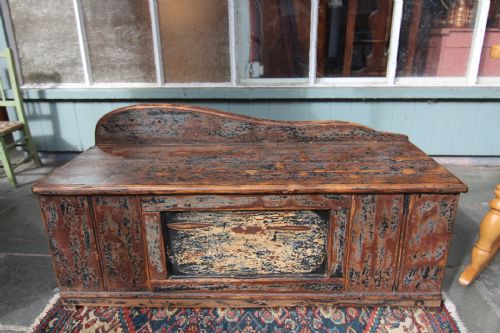
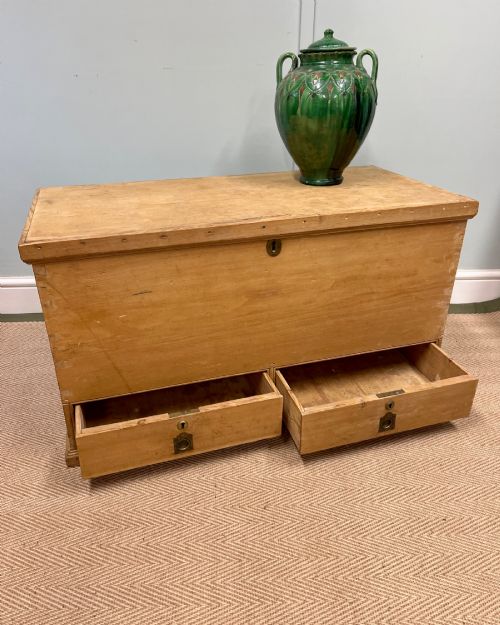
A 19th century trunk encompasses heavy-duty travelling chests, military campaign containers, and domestic blanket boxes used across the Victorian period, Regency era, and wider 1800s. Buyers frequently encounter robust pine blanket boxes and camphor wood travel chests equipped for long-distance transport.
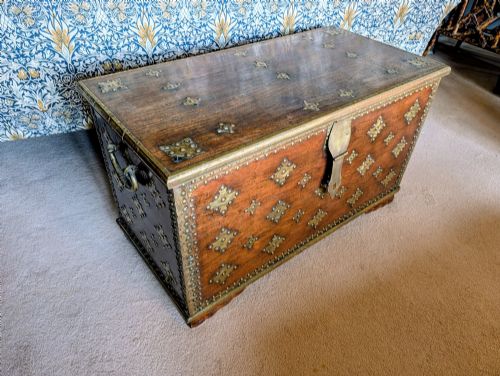
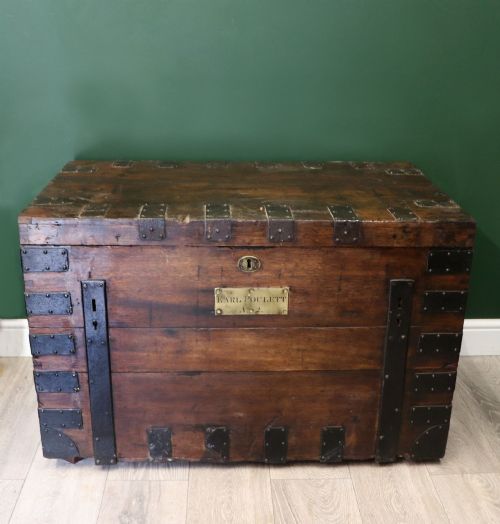
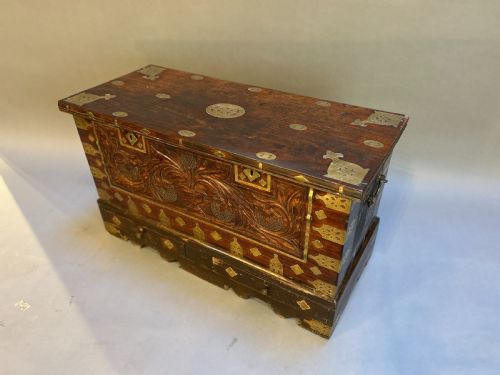
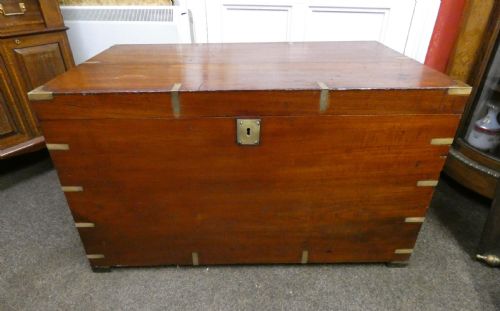
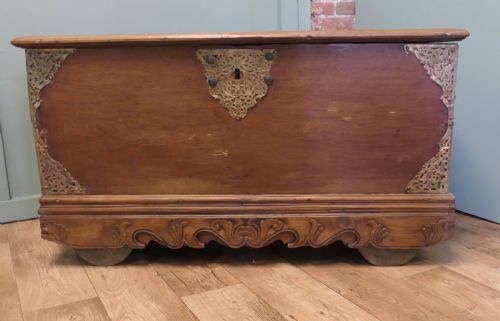
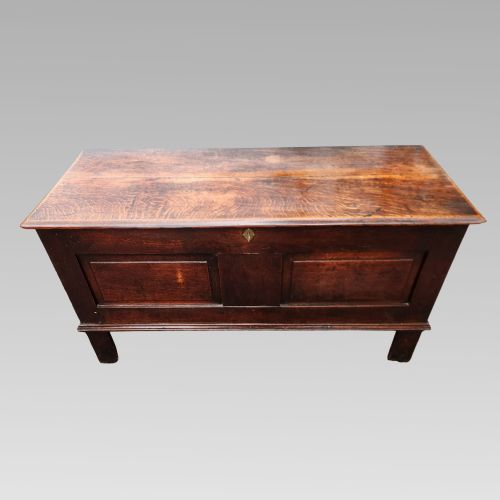
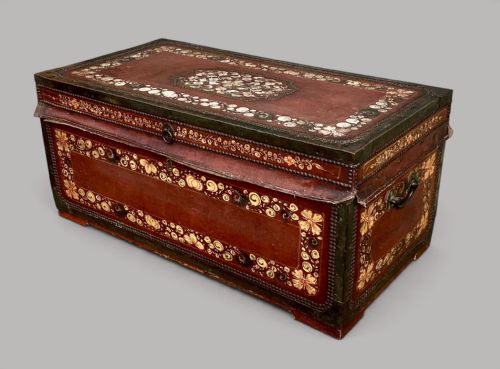
The selection ranges from utilitarian iron-bound oak coffers and stripped pine tool chests to decorative Chinese export black lacquer domed chests and Zanzibar traders chests with brass stud decoration. Many examples reflect specific trades and travels, including leather coaching trunks, steamer trunks, and teak naval chests.
Domestic variants like Welsh pine chests and country blanket boxes sit alongside exotic imports in padouk, teak, and camphor wood. These pieces served diverse roles from domestic linen storage to officers' travelling quarters.

How they were made
Carpenters constructed domestic storage vessels primarily from native softwoods and hardwoods like pine, oak, elm, and walnut, often applying paint, scumble finishes, or black lacquer with gilt decoration. Travel-oriented pieces utilised durable tropical timbers such as camphor wood, teak, padouk, and satinwood to resist moisture and insects.
Structural integrity relied heavily on metal reinforcement, incorporating iron bounds, brass banding, metal studs, and heavy-duty locks. Leather and canvas coverings were frequently added to exterior surfaces for weather resistance during coaching and steam travel.
19th Century Trunk Retail Price Guide 2026
Typical asking prices for 19th century trunk among the pieces listed under this phrase on Sellingantiques today, from the lower quarter to the upper quarter. They describe what is for sale here now, not the wider market.
Materials recorded across the archive include iron, brass, leather, oak, elm, and painted surfaces applied to various travel and storage forms.
What varies in quality
Quality rests upon the integrity of the original construction and the survival of secondary woods, handles, locks, and internal fittings. Pieces retaining untouched patination, original brass-bound edges, and functioning specialised locks command greater regard among collectors.
The choice of primary timber dictates much of the character, with dense tropical hardwoods like camphor and teak showing superior durability compared to domestic utility pine. Finer examples display meticulous dovetail joinery, decorative ironwork, and intact interior compartments rather than coarse assembly.
Louis Vuitton·Samuel Pratt
The 19th Century Trunk Glossary
- Campaign trunk
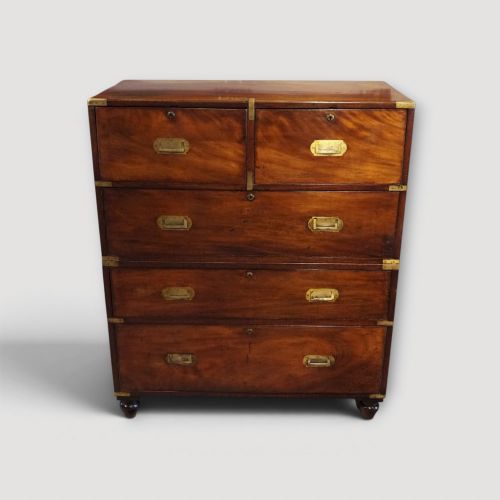
- A portable storage chest designed for military officers and travellers, usually constructed from camphor wood or teak with recessed brass handles and corner brackets. These allowed the container to withstand frequent transit.
- Coffer
- A traditional heavy wooden chest with a hinged lid, often used for storing valuables, documents, or textiles. Early examples feature plain or carved panelled construction.
- Scumble painted
- A decorative surface technique where a translucent glaze is manipulated over a lighter base coat to imitate the grain of more expensive woods. This finish appears frequently on European pine furniture.
- Zanzibar chest
- An ornate trading chest characterised by heavy brass studwork, intricate straps, and central Hasps. These pieces reflect East African and Indian trade routes.
- Coaching trunk
- A sturdy travel container built to fit on the roof or boot of a stagecoach, typically wrapped in leather or painted metal. They are shaped to shed rainwater during transit.
19th Century Trunk: Frequently Asked Questions
Were all pine trunks used for travel?
Pine trunks served multiple domestic purposes alongside transport, functioning primarily as blanket boxes, linen chests, or tool storage in country homes. Plain or scumble-painted pine chests were fixtures in domestic bedrooms and hallways.
Heavier iron-bound versions handled rougher storage requirements, while travelling variants received leather or metal coverings for protection on coaches.
What is camphor wood used for?
Camphor wood provides natural insect-repellent properties, making it the preferred timber for storing textiles, uniforms, and papers during long sea voyages. Its distinct aroma protected contents from moths and dampness.
Cabinetmakers utilised this durable wood extensively for military chests and export trunks destined for European markets.
How should I clean a leather trunk?
Leather-covered trunks require gentle dusting and occasional feeding with specialised conservation wax to preserve the hide and prevent cracking. Avoid harsh chemical cleaners that strip the original surface.
Maintaining a stable indoor humidity helps protect both the leather exterior and the wooden core from warping.