
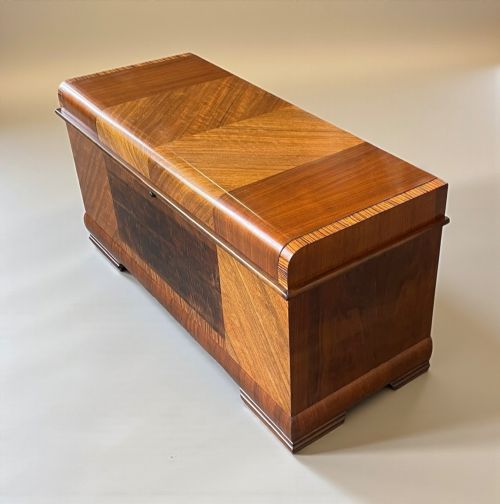


Vintage Hope Chest
A vintage hope chest holds textiles, blankets and keepsakes while anchoring a room with enduring utility and distinct regional character.
Vintage Hope Chest
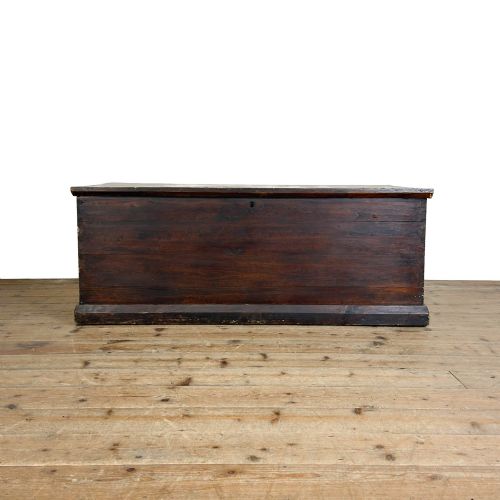
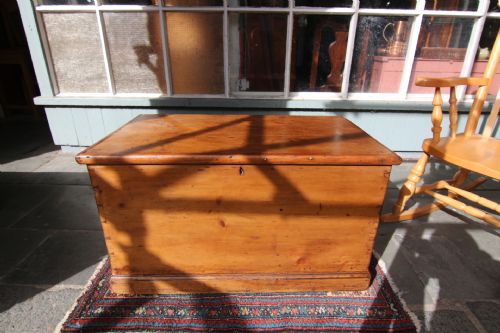
A vintage hope chest serves as a traditional repository for household linens, blankets, and personal treasures gathered over a lifetime. These pieces span centuries from the seventeenth through the mid twentieth, encompassing forms such as blanket boxes, coffers, dowry chests, and heavy storage trunks.
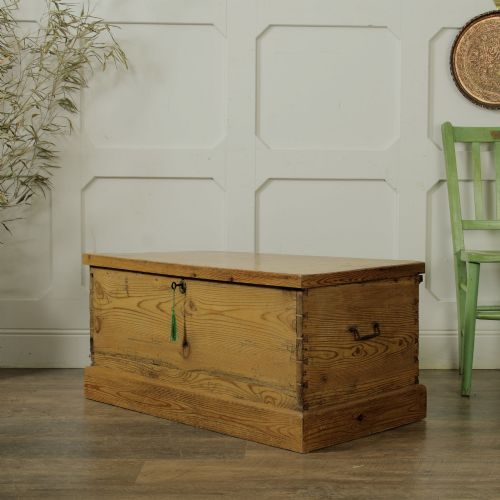
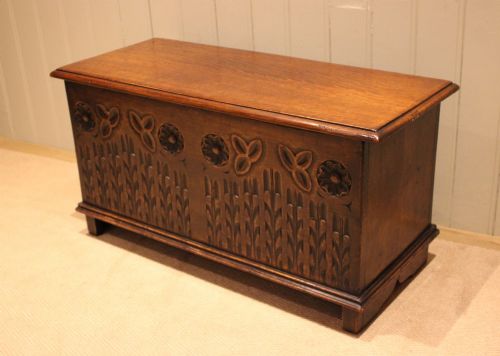
The versions most commonly encountered on this page include nineteenth century pine examples alongside camphorwood and teak chests originating from Chinese export and Anglo-Indian workshops. Regional styles range from rustic farmhouse and Victorian utility to carved oriental and Arts and Crafts designs.
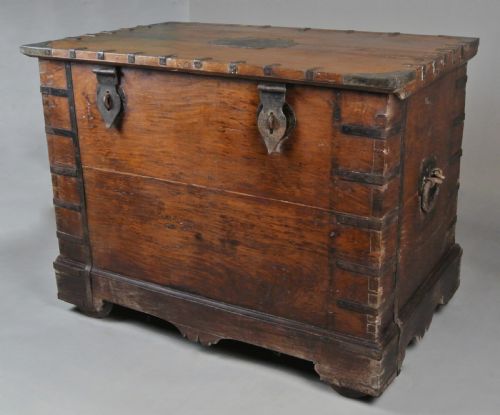
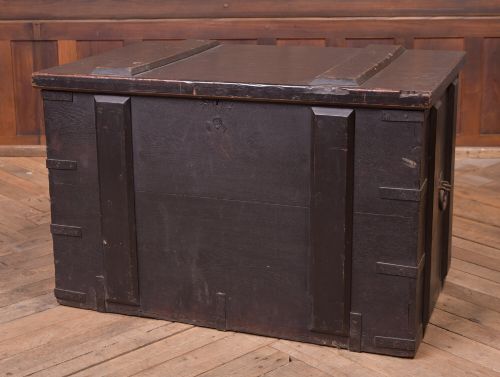
Buyers will also find utilitarian iron-bound storage trunks and low coffee table conversions suited to modern interiors. Each form retains its primary function as a secure lidded container while offering diverse aesthetic traditions from British, European, and Asian makers.
Materials and construction
Construction relies heavily on robust timbers selected for durability and grain, including native pine, oak, and pitch pine alongside exotic hardwoods such as teak, camphorwood, and dense unspecified hardwoods. Master craftsmen joined panels using dovetail joints, mortise and tenon techniques, and sturdy framing to withstand heavy domestic use.
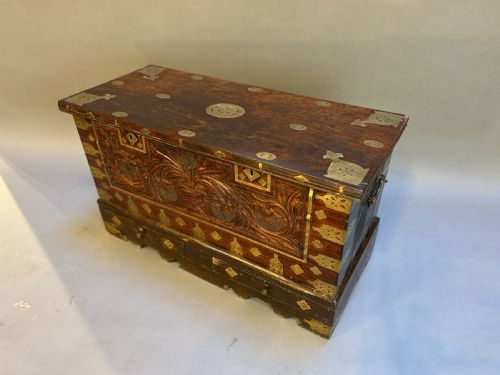
Metal reinforcement defines many examples, featuring forged iron strapping, brass corners, and studded hardware designed to protect the chest during transport across global trade routes. Surface treatments vary from natural wax finishes and limed oak to applied pigments and intricate surface carvings on oriental camphorwood panels.
Several chests retain the faint, unmistakable scent of camphor that has guarded textiles against moths for over a century.
Markers of distinction
Quality reveals itself through the integrity of timber selection and the precision of primary joinery, such as hand-cut dovetails and sound framing that prevents warping over generations. Superior pieces retain their original iron or brass mounts, working locks with period keys, and clean interior compartments like internal storage drawers.
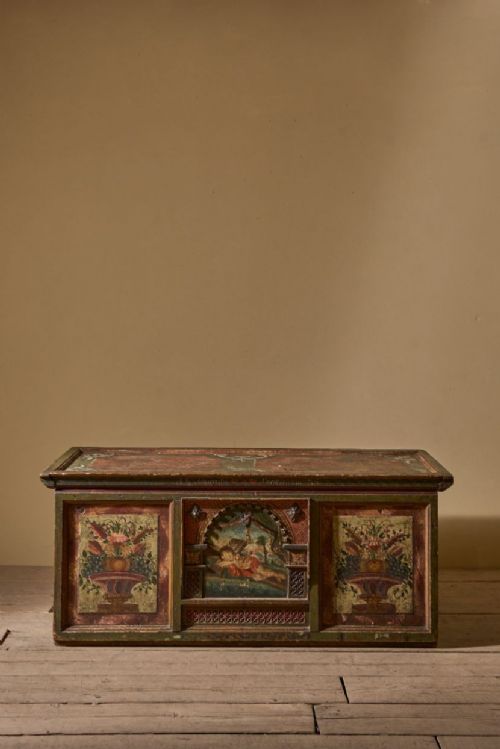
The depth and execution of hand carving set exceptional oriental camphorwood and carved oak coffers apart from plain utilitarian boxes. Original painted surfaces, untouched patination, and documented regional origins further elevate the standing of a trunk within its period.
The Vintage Hope Chest Glossary
- Coffer
- A heavy wooden chest traditionally used for holding valuables, documents, or church plate. These sturdy receptacles typically feature thick board construction and simple hinged lids.
- Dowry chest
- A specialised storage box prepared to hold household goods, linens, and garments for a bride prior to marriage. These pieces often feature celebratory carvings, painted decoration, or rich brass bindings.
- Camphorwood
- An aromatic Asian hardwood prized for its insect-repellent properties and distinctive natural scent. Furniture makers utilised this timber extensively for maritime trunks and export chests.
- Zanzibar chest
- A heavily brass-studded hardwood storage trunk originating from the East African island of trading importance. They characteristically feature elaborate brass strapwork, intricate hardware, and concealed interior tills.
Vintage Hope Chest: Frequently Asked Questions
What is a hope chest used for?
Historically, a hope chest served to accumulate household linens, blankets, and garments for a young person's future marriage or independence.
Today, owners utilise these versatile pieces at the foot of a bed or in living spaces to store extra bedding, pillows, and personal keepsakes.
How do I care for a camphorwood chest?
Camphorwood benefits from gentle cleaning with a soft cloth and occasional application of appropriate wood wax to preserve the natural finish.
Avoid placing the chest in direct sunlight or near heat sources to prevent the timber from drying out and cracking.
Are these chests suitable as coffee tables?
Certain low and wide pine or hardwood chests naturally adapt to serving as coffee tables while providing generous internal storage.
Buyers should verify the height and stability of a specific chest before pairing it with existing seating.
How do I identify the age of a chest?
Age is determined by observing construction methods such as hand-sawn boards, forged iron hardware, and traditional joinery like dovetailing.
Stylistic indicators, including Victorian pine framing, Arts and Crafts oak detailing, or nineteenth-century brass studding, also provide clear chronological context.